The digital marketing ecosystem in 2026 has reached a point of saturation that would have been unimaginable just a few years ago. As artificial intelligence lowers the barrier to entry for content creation, the volume of noise has surged, leaving even veteran marketers struggling with stagnant conversion rates. Traffic figures may remain stable, but the ability to translate that traffic into tangible business outcomes—leads, sign-ups, and sales—has become significantly more complex.
In this analysis, we explore the methodology for reversing the "silent erosion" of marketing databases, the architectural failures common to modern landing pages, and the post-conversion tactics that maximize lifetime value. Co-created by industry experts Jay Schwedelson and Michael Stelzner, these insights offer a roadmap for navigating the high-friction environment of the current marketing year.
Why Conversions Are Harder to Earn Than Ever
The fundamental challenge of 2026 is a paradox: while the tools for distribution have become more accessible, the tools for capturing attention have become less effective. AI-driven automation has allowed brands to flood every digital channel with content, offers, and social updates. This "content inflation" has conditioned audiences to filter out more noise, resulting in shorter attention spans and higher skepticism.
For marketers, this shift marks the end of the "silver bullet" era. There is no longer a single growth hack or platform update that will solve conversion woes. Instead, success in the current climate is defined by the rigorous optimization of hundreds of small, incremental touchpoints.
The Chronology of Database Decay
One of the most overlooked metrics in modern marketing is the natural rate of database attrition. Research indicates that the average email database loses approximately 20% of its contacts annually. This erosion is rarely the result of poor marketing strategy; it is a byproduct of human behavior. Subscribers change jobs, abandon legacy inboxes, and allow contact information to go stale.
The Math of Attrition
If a brand enters the year with 1,000 active subscribers and fails to implement a proactive growth strategy, the math is sobering. By the end of year one, that list is reduced to 800 contacts. By the end of year two, that number drops to roughly 640. Effectively, without a consistent acquisition strategy, a brand loses nearly 40% of its reach in 24 months. Consequently, list growth must be elevated to a primary KPI, tracked with the same scrutiny as revenue.
4 Pillars of Database Growth
To combat attrition, marketers must employ a multi-channel approach that moves beyond traditional, passive sign-up forms.
1. Reclaiming the Homepage Hero
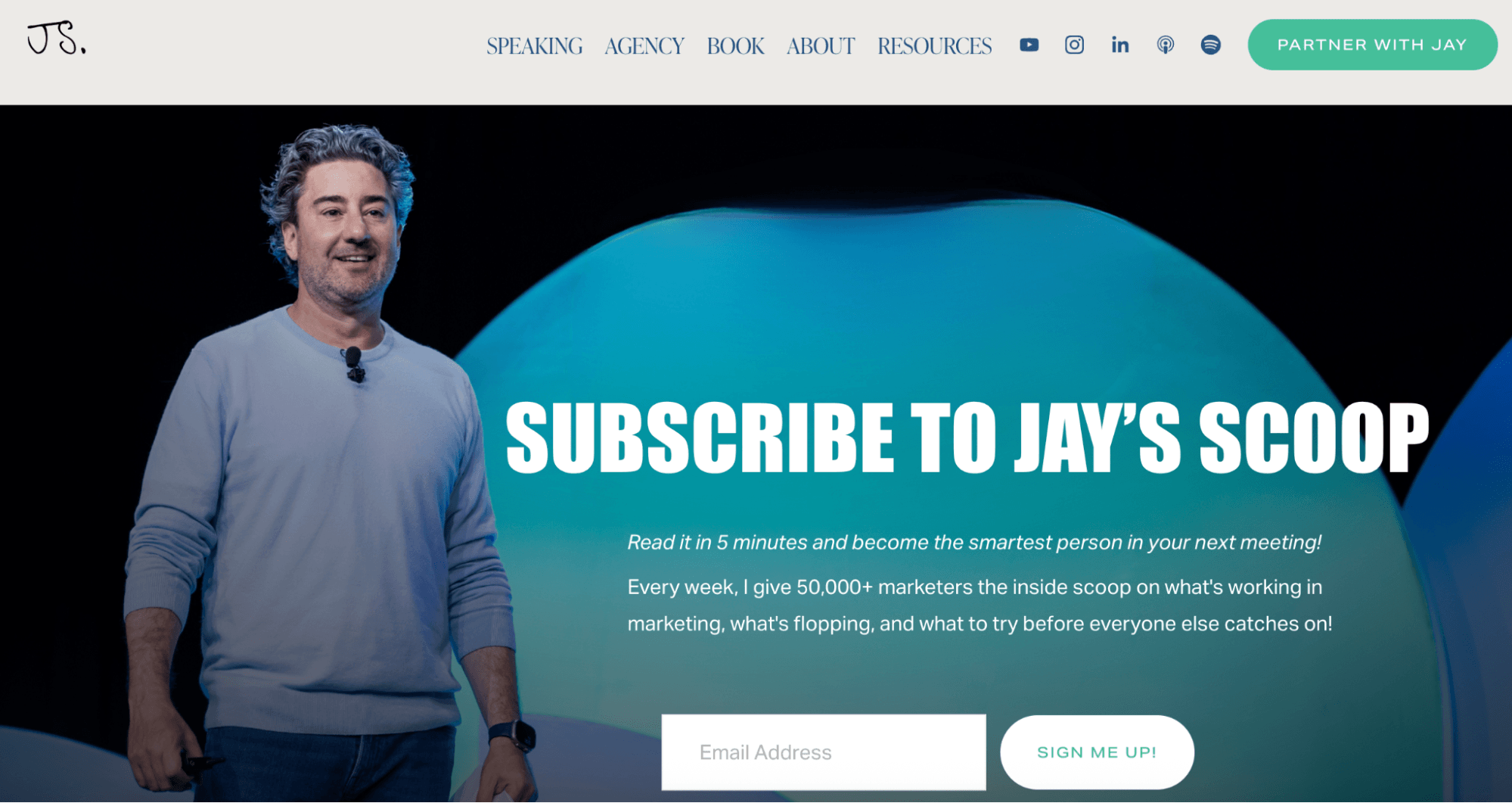
The most common failure point is the "hidden" opt-in. Many websites treat newsletters or lead magnets as secondary considerations, burying them in navigation bars or site footers. Schwedelson advocates for a radical shift: the opt-in should be the primary hero element at the center of the homepage.
For e-commerce, the psychology shifts from "information" to "exclusivity." Replacing generic "subscribe" buttons with phrases like "Get on our early drop list" or "Be the first to know" taps into a refined sense of FOMO. By positioning subscribers as "insiders" rather than just recipients of content, brands can significantly improve initial opt-in rates.

2. Strategic Use of Timed Pop-ups
While critics often label pop-ups as intrusive, data suggests they remain one of the most effective conversion tools. When deployed as a "first-time visitor" incentive, they can drive conversion rates of 5%, which climb to 9% for repeat visitors.
The key to success in 2026 is behavioral triggering. Instead of a generic entry-pop, marketers should utilize timed triggers—for instance, showing an offer only after a visitor has spent 30 seconds on a pricing page. Furthermore, the psychological framing of these pop-ups is vital. Utilizing "Yes" language that reinforces the benefit, paired with "No" language that makes the rejection feel uncomfortable (e.g., "No, I prefer to pay full price and miss out on updates"), has proven to be a major lever in increasing conversion volume.
3. Leveraging Paid Social for Lead Gen
Organic reach is in a period of sustained decline, necessitating a move toward paid acquisition. Currently, the most cost-effective platforms for lead generation—frequently achieving costs of $2 to $3 per subscriber—are Instagram and Reddit.
- Instagram: Utilizing Reels and Stories lead ads, marketers can keep the user on the platform. By limiting forms to three fields or fewer, friction is minimized.
- Reddit: This platform offers unique advantages because users are often in a "problem-solving" mindset. Reddit’s lead-gen ads allow for targeted placement within specific communities (subreddits), while their new "reminder ad" units allow users to opt-in for sale notifications via email and push, creating a powerful, high-intent list.
4. The Power of Newsletter Endorsements
Newsletter swaps and paid placements remain highly effective, provided they avoid the "generic banner ad" trap. Endorsement-style ads—where the publisher writes the copy in their own voice—transfer the trust of the audience to the brand. When a creator says, "I use this tool every day," the conversion potential far outweighs any standard display creative.
Fixing Broken Landing Pages: Architectural Principles
If 100 people click an ad but 95 bounce upon arrival, the issue is not the ad—it is the landing page. To correct this, marketers must adopt a "mobile-first" mindset, as over 70% of first-time email opens occur on mobile devices.
Essential Landing Page Fixes:
- The "No-Scroll" Rule: Keep all critical content above the fold. Remove navigation menus that provide an "escape hatch" for the user. The page should have one goal: the conversion.
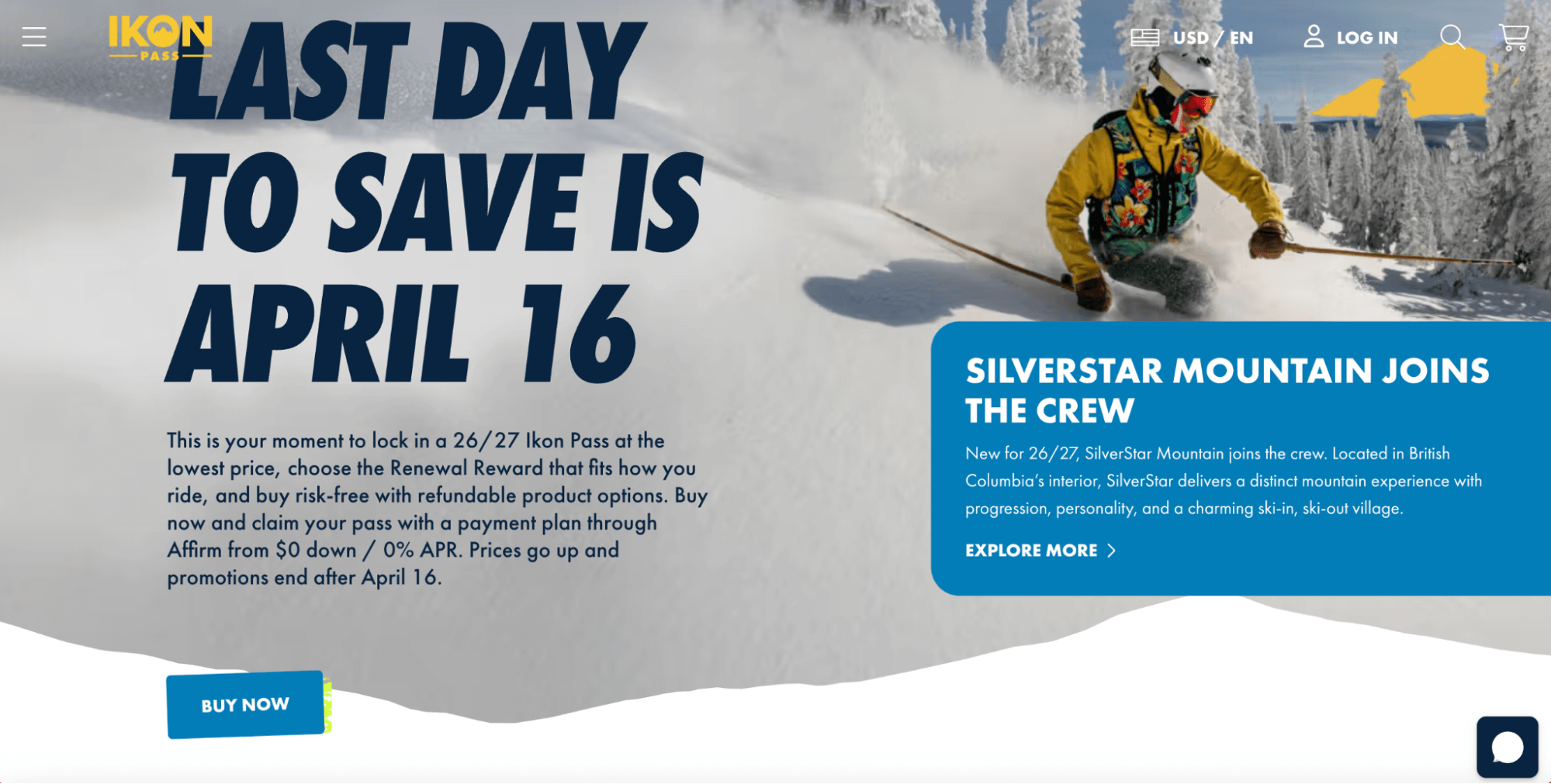
- Visual Continuity: The landing page must mirror the creative, tone, and imagery of the ad or email that drove the traffic. This continuity provides a 10% lift in conversions by confirming the user is in the right place.
- Form Optimization: Every required field after the fifth one results in an 8% drop in completion. For complex data collection, use multi-step forms or a "double-incentive" approach, where the second, more detailed part of the form is gated behind an additional bonus.
- The "Submit" Problem: Replace the word "Submit" with a first-person affirmation of value. Phrases like "Yes! I want my 3 free quotes" provide a psychological boost that aligns with the user’s intent.
Maximizing the Post-Conversion "Thank You" Page
The post-conversion page is the moment of highest brand trust. Most marketers waste this opportunity by delivering a generic "Thank you for signing up" message. Instead, this page should be treated as a secondary conversion point. By offering additional relevant content or a secondary, related product, brands can extend the user’s journey immediately.

Furthermore, tracking which users take advantage of secondary offers provides essential data for segmentation. If a user downloads two freebies rather than one, their propensity to convert to a paying customer is often twice as high, allowing for more precise, behavior-based marketing in future campaigns.
Implications: Email Deliverability and One-Click Engagement
In 2026, email deliverability is dictated by engagement. Inbox providers no longer view "opens" as a strong metric; they prioritize "clicks." To protect sender reputation, marketers should implement one-click quiz formats or "this or that" interactions directly within the email body.
By asking the user to click once to express a preference, the brand achieves two outcomes:
- Technical: The user’s interaction signals to inbox providers that the email is desired, improving future placement.
- Strategic: The brand gathers real-time data on user interests, which can then be used to segment the database and personalize future outreach.
Conclusion
The "quick wins" of 2026 are rooted in the rigorous application of behavioral psychology and technical precision. By treating the database as a living asset that requires constant replenishment, stripping away the friction from landing pages, and leveraging post-conversion moments to deepen the relationship, marketers can overcome the current climate of saturation. The goal is no longer to be the loudest voice in the room, but the most relevant one.