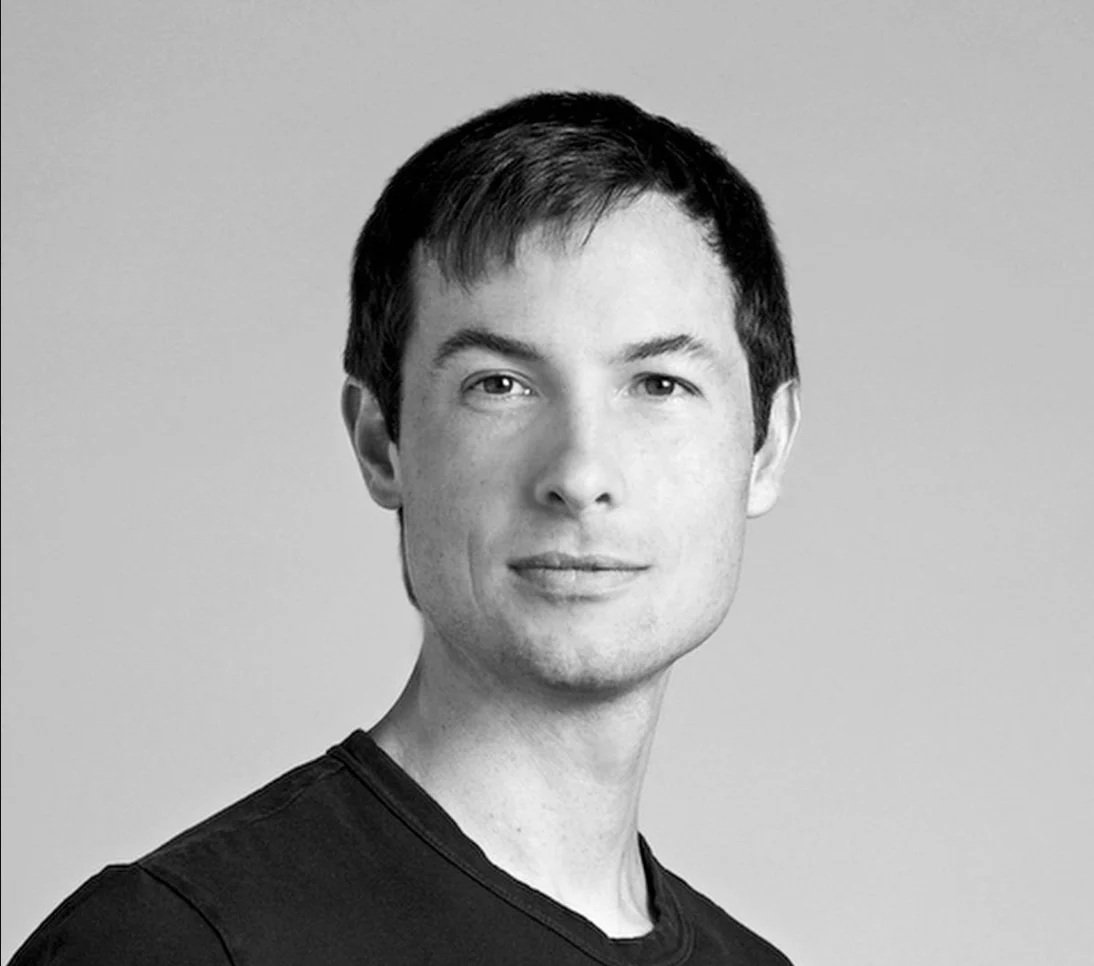
Reed Jobs is a figure of distinct contrasts. To those who follow the tech world, his surname carries the weight of a monumental legacy, yet he approaches his professional life with a refreshing, self-deprecating pragmatism. He is as likely to draw upon a video game analogy to explain a complex biological pathway as he is to engage in a high-level discussion on the nuances of venture capital.
When asked if he was utilizing his father’s iconic hardware for a recent video call, Jobs didn’t hesitate. "Are you kidding?" he quipped, signaling that while he is not uptight about his lineage, he is firmly focused on the future rather than the past. That future is currently being built at Yosemite, an oncology-focused venture firm he launched in 2023. Three years into its existence, Yosemite has evolved from a nascent experiment into a serious, high-velocity player in the biotech sector, leveraging a unique blend of philanthropy and aggressive venture capital to rewrite the rules of cancer research.
The Genesis and Philosophy of Yosemite
Yosemite was born out of a desire to bridge the "valley of death" that often separates academic brilliance from clinical application. Jobs recognized that many of the most promising cancer-fighting ideas languished in university labs, starved of the capital or the commercial framework needed to scale.
Yosemite’s model is distinctive. The firm operates with a dual-track strategy: it functions as a traditional venture capital fund while maintaining a significant philanthropic arm. This allows the firm to provide no-strings-attached grants to early-stage research, de-risking the "gentle ideas" of academia before they are ready for equity-based investment.
"We don’t think the cures for cancer are sitting out in pharma waiting to be discovered," Jobs explains. "We think we need to go make them with new knowledge." This proactive stance—building companies from the ground up rather than merely waiting to invest in existing ones—accounts for roughly one-third of the firm’s activity. The remaining two-thirds of their capital is deployed into high-potential, existing startups that align with their focused mandate.
Chronology of an Evolution: From Pandemic Crash to Biotech Boom
When Jobs first sat down with TechCrunch in 2023, the biotech industry was in a state of deep correction. The post-pandemic hangover, characterized by a sharp decline in the XBI index and a reluctance among investors to bet on high-risk, high-reward life science ventures, had chilled the market.
However, the landscape has shifted dramatically in the intervening three years. The firm has scaled to a team of 17, and the broader market has entered a period of intense activity. Several factors have converged to create what Jobs describes as a "perfect storm" for innovation:
- The Patent Cliff: A cluster of blockbuster drugs is losing patent protection, forcing major pharmaceutical companies to look toward the next generation of therapies to maintain their pipelines.
- Record Capital: Having emerged from the pandemic with record cash reserves, big pharma has pivoted back toward aggressive acquisitions.
- The AI Acceleration: What was once a theoretical curiosity has become a foundational pillar of Yosemite’s operations, fundamentally changing how drug discovery and clinical trial design are executed.
Supporting Data and Portfolio Successes
Yosemite’s portfolio currently includes nearly 25 companies, and the firm’s strategy of tackling "undruggable" targets is beginning to yield tangible, headline-grabbing results.
Among the standout companies are:
- Azalea: Born from a grant to Jennifer Doudna’s lab, this company is now moving into clinical trials, showcasing the efficacy of the firm’s early-stage, grant-first approach.
- Quarry: Focused on "induced proximity," Quarry utilizes a mechanism that physically drags disease-causing proteins toward the cell’s internal waste-disposal system, providing a novel alternative to traditional protein-blocking drugs.
- Tune Therapeutics: A leader in epigenetic editing, Tune is targeting hepatitis B—a massive global health burden—by silencing the virus through the natural process of methylation.
- Histosonics: An outlier in the portfolio, this company utilizes histotripsy—a non-invasive, ultrasound-based technology—to destroy tumors with high precision, marking a move into the device space for the firm.
The success of these ventures is bolstered by the broader industry’s breakthrough in targeting previously elusive genes. For instance, the progress made by companies like Revolution Medicines in targeting KRAS—once deemed a "Death Star" of oncology because of its smooth, undruggable surface—has doubled survival rates in specific pancreatic cancer cases.

The Role of AI in Transforming Healthcare
Jobs is particularly bullish on the role of artificial intelligence, though he is careful to distinguish between hype and utility. He views AI not as a replacement for human intellect, but as an engine for extreme acceleration and reproducibility.
"AI is doing right now what it does best: accelerating the grunt work," Jobs notes. "It’s not necessarily doing it better, but it is doing it incredibly fast."
The most profound implications for the firm lie in clinical trial design. With a Phase 3 cancer trial costing upwards of $260 million and suffering from a low success rate, the burden of patient recruitment and retention is a primary driver of cost. Yosemite is exploring the use of synthetic control arms—computer-generated cohorts based on historical patient data—to streamline trials. By reducing the need for a full, traditional control group, the firm aims to halve the number of patients required, drastically increasing the speed of development.
Furthermore, AI is solving the "chemistry problem." By identifying cryptic pockets on the surface of proteins that were previously invisible to human researchers, AI is enabling the development of molecules that can finally latch onto and neutralize targets that were once considered impossible to drug.
Official Responses and Strategic Outlook
Regarding the political climate, Jobs remains a vocal advocate for federal support of science. He has been a sharp critic of proposed cuts to the NIH budget, arguing that such actions are counterproductive. "Personally, I think we should go on offense," he says. "I’d increase [funding] to something like $100 billion. On a dollar basis, it hasn’t grown in about a decade, so relative to inflation, it’s actually shrunk."
His advice to founders navigating the current environment is equally pragmatic. He warns against viewing Big Pharma as a monolith. "Pharma is a key partner, but founders need to see it as a moving target," he says. He advises startups to stay hyper-attuned to the shifting priorities of large firms, which can change overnight depending on internal leadership shifts or financial performance.
Implications for the Future of Oncology
As Yosemite moves into its next phase, the firm is setting its sights on the "Holy Grail" of oncology: p53. This tumor-suppressor gene is the most frequently mutated gene across all human cancers. If it can be effectively targeted, it would represent a fundamental shift in how we treat the disease.
When asked about the broader "longevity" industry, Jobs is characteristically skeptical of one-size-fits-all solutions. He views aging as a complex, multi-system degradation rather than a single biological process that can be "hacked." For Yosemite, the focus remains on the specific, the actionable, and the scalable.
Looking back at the past three years, Jobs admits to being surprised by the velocity of the industry. The convergence of new biological knowledge, AI, and the massive scale of capital directed toward cancer research has created an environment that is "scarier and more empowering" than he initially anticipated. For a man who prefers to avoid the spotlight, his work at Yosemite suggests that he is far more interested in being the architect of a new era in medicine than in living in the shadow of his past.