The WordPress ecosystem, which powers over 40% of the internet, is currently facing a sophisticated, silent, and potentially devastating security crisis. While the platform has long been a target for brute-force attacks and individual vulnerability exploits, a new wave of threats has emerged that bypasses traditional defenses entirely. These are "supply chain attacks"—a method where the software itself is weaponized at the source, turning trusted tools into vehicles for malware, SEO spam, and unauthorized data access.
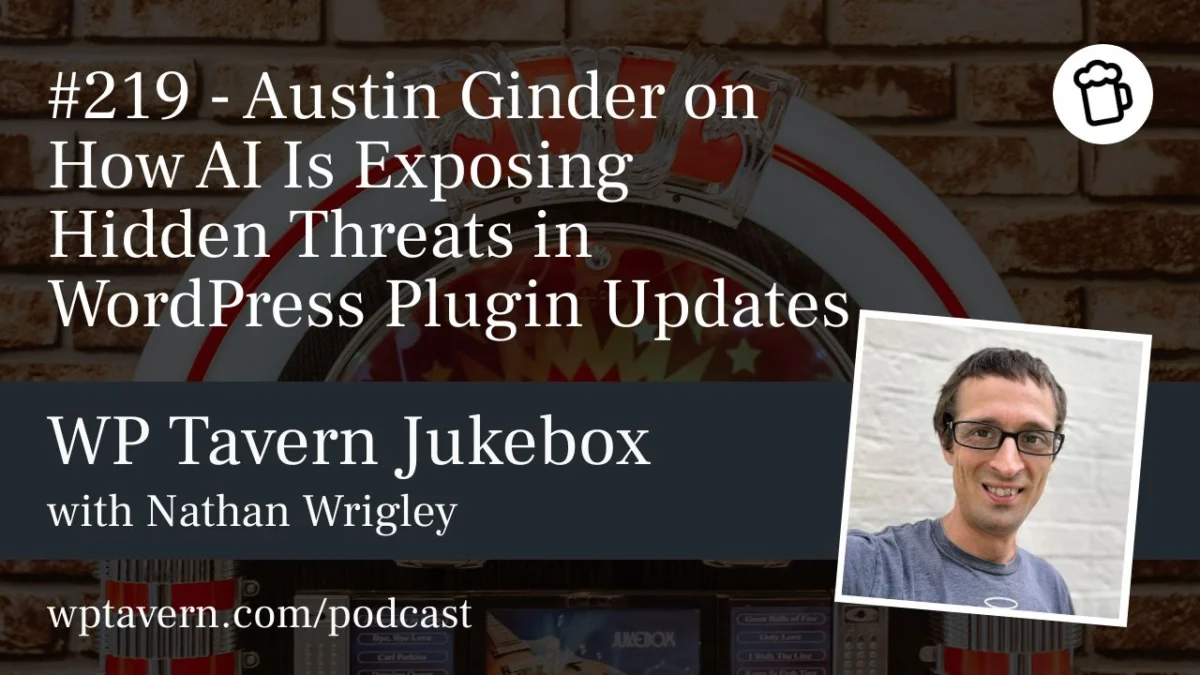
At the heart of this investigation is Austin Ginder, a longtime WordPress developer and the founder of Anchor Hosting. What began as a routine malware cleanup for a client has evolved into a full-scale forensic operation, fueled by the emerging capabilities of Artificial Intelligence (AI) to audit the vast, complex architecture of the WordPress plugin repository.
The Anatomy of a Supply Chain Attack
Unlike a traditional hack, where an attacker breaks through a site’s firewall, a supply chain attack relies on the inherent trust users place in the WordPress ecosystem. When a user installs a plugin from the official repository, they trust the code provided by the developer. The supply chain attack exploits this trust through two primary vectors:
- Account Hijacking: Attackers gain unauthorized access to a plugin developer’s official credentials, allowing them to push a "malicious update" to the legitimate version of the plugin. Because the update comes from the official repository, users’ sites automatically download the compromised code, often without a second thought.
- Acquisition and Weaponization: In a more chilling development, bad actors are actively purchasing established, popular plugins. Once ownership is transferred, the new owners inject malicious code—often hiding it within third-party update channels—to convert the plugin into a botnet node or an SEO spam injector.
"It’s not a direct ‘my site got infected’ scenario," Ginder explains. "It runs deeper. It’s a scenario where you download a plugin from wordpress.org, and you run auto-updates, and it updates not from the official repository to the newest legitimate version, but offloads to their own compromised update channel."
Once the connection to the official repository is severed in favor of a rogue channel, the WordPress Plugin Team loses all visibility into the code being executed on thousands of websites. The end user remains blissfully unaware, as the plugin’s original functionality often continues to work, masking the underlying malicious activity.
A Chronology of Discovery: From Client Cleanup to Community Watchdog
Ginder’s journey into the center of this crisis was entirely accidental. In February of this year, he noticed a concerning trend across his managed sites. Despite maintaining high security standards, several clients were suddenly flagging malware.
- The Initial Breakthrough: While performing a deep forensic analysis on an infected site, Ginder utilized AI-powered tools to scan code patterns. He discovered that the breach originated from a plugin that had been deemed "secure" for years.
- Systemic Pattern Recognition: As Ginder investigated further, he realized this wasn’t an isolated incident. He began using AI to cross-reference code changes across thousands of plugins. The patterns were undeniable: these weren’t random glitches, but calculated, coordinated campaigns.
- The Launch of WP Beacon: Recognizing the lack of centralized data regarding these specific types of attacks, Ginder launched WP Beacon. The project serves as a repository for documenting, tracking, and alerting the community to confirmed supply chain infiltrations.
AI: The New Frontier of Threat Detection
The sheer scale of the WordPress ecosystem—which boasts over 60,000 plugins—makes human auditing impossible. Before the integration of advanced AI models like Claude, tracking these attacks was a manual, often futile, exercise in finding a needle in a haystack.
AI has changed the calculus of security. By feeding a large corpus of repository data into an AI model, Ginder has been able to:
- Perform Massive Code Audits: AI can compare versions of plugins, highlighting even minor, obfuscated changes that would escape human eyes.
- Identify "Dormant" Threats: Ginder discovered plugins installed on thousands of sites that were currently "dormant." These plugins contained the backdoors necessary to trigger a full-scale attack at a moment’s notice, waiting for a signal from the attacker’s command-and-control server.
- Automate Forensic Reporting: When an infection occurs, AI can trace the origin, identifying whether the compromise happened through a credential breach or a malicious update, significantly reducing the "time to remediation."
Implications for the WordPress Ecosystem
The existence of these attacks creates a paradox for the WordPress community. The platform’s greatest strength—its open, decentralized, and accessible nature—is also its primary vulnerability. Unlike the highly curated "walled garden" of the Apple App Store, WordPress relies on community trust and volunteer-led review processes.
The Challenge of Oversight
While the WordPress Plugin Review Team works tirelessly, they are effectively fighting an uphill battle against actors who are willing to spend six-figure sums to acquire plugins and build infrastructure. The current model, which allows developers to update code without granular, per-change human oversight, is being strained to its limit.
The Role of Hosting Providers
Ginder emphasizes that hosting providers are sitting on a "gold mine" of data. Because these companies manage thousands, or even millions, of sites, they have the unique ability to spot cross-platform patterns. If a specific script begins appearing across thousands of disparate sites, a hosting provider is the only entity with the vantage point to flag the source plugin immediately.
The "Permission" Debate
A recurring question in security circles is whether WordPress should adopt a more restrictive permissions system, similar to modern mobile operating systems. Currently, a plugin generally has full access to the file system and database of a WordPress site. While restricting these permissions could stop a malicious plugin from, for example, injecting credit card skimmers, it would fundamentally alter the "wild west" flexibility that has made WordPress the most popular CMS in the world.
Looking Forward: A Call for Transparency
The threat of supply chain attacks is unlikely to vanish. As long as there is money to be made through SEO spam, advertising fraud, and data theft, there will be actors attempting to exploit the supply chain.
Ginder’s work with WP Beacon is a call to action for the broader community. He advocates for:
- Greater Collaboration: Security researchers and hosting providers must share intelligence on compromised plugin authors and infrastructure.
- Proactive Auditing: Developers and site owners should utilize AI-driven tools to audit their own stacks. Even for non-developers, the barrier to entry for performing deep security scans is lower than ever.
- Increased Vigilance: Site owners must stop viewing plugins as "set and forget" tools. The reality is that the code running on your site is a living, breathing entity that can change overnight.
"I do share your optimism," Ginder noted during the Jukebox podcast. "I would love this to be a solved problem, and six months later we shut down WP Beacon because it’s not even needed. But that’s not how the world works. What I do hope is that we make it harder for these bad actors to operate."
As we move further into the era of AI-driven development, the same tools that allow developers to build sites faster are being used by bad actors to compromise them. The future of WordPress security will not be defined by a single patch or a new plugin; it will be defined by the community’s ability to use the same technology to maintain the integrity of the open-source supply chain. For now, the best defense remains a combination of automated monitoring, constant vigilance, and a healthy skepticism toward "trusted" updates.