By [Your Publication Name] Staff
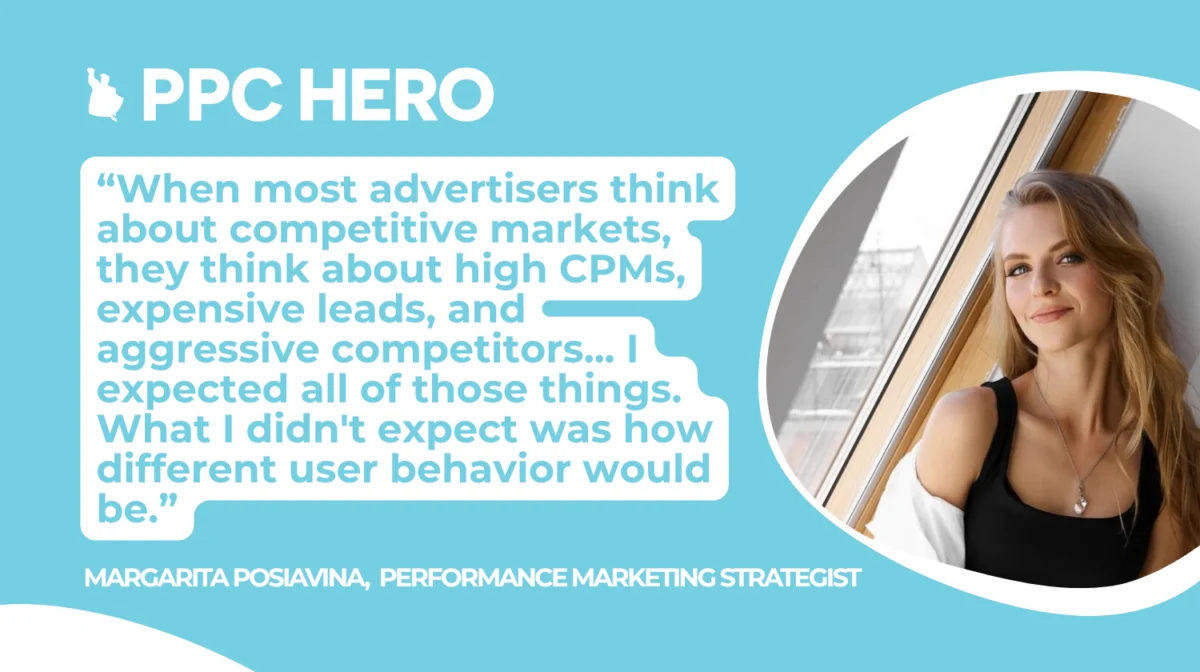
In the global theater of digital marketing, New York City is often regarded as the ultimate proving ground. For most media buyers and brand managers, the "Big Apple" is synonymous with intimidating metrics: astronomical Costs Per Mille (CPMs), razor-thin margins on lead acquisition, and an aggressive sea of competitors vying for the same fleeting seconds of consumer attention. However, a recent analysis of Meta-based advertising campaigns within the New York local market suggests that the real challenge of the city is not the cost of the ads, but a fundamental shift in user psychology and behavior that renders traditional "best practices" obsolete.
The following report explores how advertisers are being forced to abandon industry-standard frameworks in favor of high-friction, trust-heavy, and hyper-localized strategies to achieve sustainable ROI in the world’s most competitive local market.
The Core Challenge: A Market Defined by Different Rules
The prevailing wisdom in digital advertising—particularly on platforms like Meta—emphasizes the reduction of friction. The logic is simple: the easier it is for a user to convert, the lower the cost per lead (CPL). Yet, in high-density, high-competition environments like New York, this "frictionless" approach often leads to a "quantity over quality" trap that can paralyze a small to medium-sized business.
Market data and campaign post-mortems reveal that New York is not merely a larger version of a standard city; it is a fragmented ecosystem of micro-markets, each with its own socioeconomic drivers. Success in this environment is less about "finding better ad settings" and more about an aggressive adaptation to a consumer base that is over-stimulated, highly skeptical, and geographically sensitive.
Chronology of a Campaign Pivot: From Best Practices to Behavioral Reality
To understand the evolution of successful NYC advertising, one must look at the transition from standard execution to specialized adaptation.
Phase 1: The Failure of Passive Visibility
Initial campaign structures typically follow the "Show and Convert" model. Advertisers ensure their location and service are visible in the copy and on the landing page. In the NYC context, this frequently results in a high volume of "junk leads"—individuals who submit information without realizing the business’s specific location or service constraints. The realization: In a city of 8 million, people do not "read" ads; they "scan" them.

Phase 2: Implementing Forced Acknowledgement
Recognizing that visibility did not equal comprehension, local marketers began shifting toward "forced acknowledgement." This involved moving critical qualifiers—such as specific borough locations—to the very beginning of the ad copy and, more importantly, introducing mandatory confirmation steps within lead forms.
Phase 3: The Shift Toward Prospect Initiative
Traditional lead generation places the business in a reactive, "hunting" role. In NYC, where a consumer might click on five competing ads in a single subway ride, the speed of follow-up becomes a losing battle. Advertisers pivoted toward "Call Campaigns," allowing the prospect to initiate the conversation. This psychological shift from "being chased" to "choosing to call" proved to be a primary differentiator in lead quality.
Phase 4: Hyper-Localization and Trust Integration
As campaigns matured, the focus shifted from broad city targeting to ZIP-code-level granularity. Simultaneously, trust—once a conversion "booster"—was moved to the front of the funnel. By integrating Google Reviews directly into carousel ads, businesses began using social proof as a filter rather than a closer.
The Five Strategic Lessons of High-Competition Markets
1. The Transition from Visibility to Acknowledgement
The first lesson learned in the NYC market is that "visible" information is often ignored. Advertisers found that even when "New York" was mentioned in the headline, they received leads from out-of-state users.
The solution was a radical departure from UX best practices: adding a qualification question inside the lead form. Users were required to manually confirm that the physical location was convenient for them. This "forced stop" ensured that the leads reaching the sales team had moved past the scanning phase into the comprehension phase.
2. Reversing the Initiative Dynamic
In a standard funnel, a business follows up with a lead via email, text, or call. In a hyper-competitive market, this creates a "commodity" feel. By prioritizing call-based ads, businesses shifted the power dynamic.
- The Psychological Shift: When a prospect initiates a call, they are signaling high motivation.
- The Efficiency Gain: It eliminates the "lead decay" that occurs when a business fails to reach a prospect within the first five minutes of form submission.
3. Geofencing as Behavioral Targeting
In New York, a city is not a unified market. A consumer in the Financial District has vastly different purchasing patterns and expectations than one in Astoria or the Upper West Side.
Advertisers discovered that treating the Five Boroughs as a single "interest" group led to inefficient spend. By shifting to ZIP-code-based targeting, brands were able to match their creative messaging to the specific lifestyles and spending habits of individual neighborhoods, effectively targeting behavior through geography.

4. Trust as the "Price of Admission"
In low-competition markets, a business can build trust during the sales process. In NYC, trust must be established before the click.
"Trust is no longer a conversion tool—it’s a filtering tool," says one digital strategy expert. Consumers use ratings and reviews to decide which ads are even worth their attention. Successful campaigns now include "Trust Cards" in their Meta carousels, showcasing real-time Google reviews or third-party validations to reduce the perceived risk of engagement immediately.
5. The "Friction Paradox": Optimizing for Better, Not More
Perhaps the most counter-intuitive lesson is the intentional addition of friction. While the industry standard is to shorten forms to increase conversion rates, NYC advertisers found that "too many leads" was a business-killing problem if those leads were unqualified.
By disclosing pricing upfront and requiring phone number verification, businesses knowingly sacrificed 30-50% of their lead volume. However, the remaining leads converted at a significantly higher rate, and the "cost per acquisition" (CPA) actually dropped because the sales team was no longer wasting expensive hours on "tire-kickers."
Supporting Data: The Economics of Quality
While specific proprietary data from individual businesses remains confidential, industry benchmarks for the NYC market illustrate why these shifts are necessary:
- CPM Variance: Meta CPMs in the New York DMA (Designated Market Area) can be 2x to 3x higher than the national average, making "accidental" or unqualified clicks twice as expensive.
- Lead Decay: Research suggests that in competitive urban markets, the likelihood of converting a lead drops by 80% if the first contact is made more than 10 minutes after submission.
- The Trust Premium: Ads featuring third-party reviews in high-competition markets see an average 15-20% higher Click-Through Rate (CTR) compared to standard promotional creative.
Official Context: Industry and Expert Responses
While Meta (formerly Facebook) generally encourages advertisers to use "Broad Targeting" and "Automated Placements" to allow their AI to find the best audience, many local marketing experts argue that these "black box" approaches can be dangerous in high-density markets.
"Platforms like Meta are designed to maximize engagement," notes a senior media buyer. "But in a city like New York, ‘engagement’ can be a vanity metric. If the AI finds you 500 people who like to click on ads but have no intention of visiting your storefront in Brooklyn, the algorithm thinks it’s winning while the business is losing. Manual overrides—like ZIP-code exclusions and high-friction forms—are the only way to steer the AI toward actual business outcomes."
Furthermore, consumer advocacy groups note that New York consumers have a higher-than-average "ad blindness," leading to the necessity of the "forced acknowledgement" tactics mentioned in Lesson 1.
Implications for the Future of Local Advertising
The lessons learned in the "New York Crucible" have far-reaching implications for the future of digital marketing as more markets become saturated.

The Death of "Best Practices"
The reliance on universal checklists is fading. As digital landscapes become more crowded, the "one-size-fits-all" approach of reducing friction and maximizing volume is being replaced by bespoke strategies that prioritize human psychology over platform algorithms.
Scalability of Friction
The success of adding "intentional friction" suggests a shift in how CRM and lead-management software will evolve. We can expect to see more platforms integrating "pre-qualification" AI that vets leads before they ever reach a human representative.
The Hyper-Local Renaissance
As privacy regulations (like GDPR and Apple’s ATT) make interest-based targeting less reliable, geographic targeting is seeing a resurgence. Understanding the "vibe" and "rules" of a specific neighborhood is becoming more valuable than understanding a platform’s latest algorithm update.
Conclusion
New York City continues to be a brutal but effective teacher for the modern advertiser. The city’s core lesson is clear: In a world of infinite competition, success belongs to those who stop trying to reach everyone and start building systems that filter for the right someone. By embracing friction, demanding acknowledgement, and leading with trust, advertisers can turn the chaos of a hyper-competitive market into a structured, high-conversion machine. In the end, the most effective "ad setting" is a deep understanding of human behavior.