
In the post-pandemic digital landscape, the Quick Response (QR) code has transcended its origins as a niche industrial tracking tool to become a ubiquitous bridge between the physical and digital worlds. From touchless restaurant menus and transit boarding passes to interactive marketing campaigns and virtual business cards, QR codes are now an essential component of the modern consumer experience.

However, the sheer prevalence of this technology has created a "usability paradox." While consumers are more technologically literate than ever, they are also increasingly intolerant of friction. A poorly implemented QR code is not merely a technical failure; it is a breakdown in the customer journey that can lead to immediate abandonment. Stanislav Khrustalev, an expert in user experience optimization, suggests that while QR codes are a potent tool, they are only as effective as the strategy behind them. To truly leverage this technology, business owners must treat every scan as a critical touchpoint in a larger, omnichannel journey.

The Evolution of the QR Interaction
The chronology of QR adoption is marked by a shift from skepticism to expectation. Initially, users were required to download third-party applications to decode the pixelated squares. Today, built-in camera integration on virtually every smartphone has removed this barrier, signaling to businesses that the public is not just capable of using QR codes, but ready to interact with them as a primary interface.

Despite this readiness, the execution remains inconsistent. We see a dichotomy in the marketplace: brands like Technopark, which intelligently place QR codes on delivery vehicles to facilitate app downloads, and others like the shipping company Gruzovichkof, which advertise an app’s existence without providing a scannable, actionable pathway to reach it. This discrepancy highlights that the mere presence of a QR code is not enough—it must be contextually relevant and frictionless.

Strategic Placement and Physical Considerations
The effectiveness of a QR code is dictated by the environment in which it lives. Visibility is the most fundamental factor: if a code is positioned outside of the natural line of sight, it will go unnoticed. However, visibility must be balanced with accessibility.

A compelling case study in thoughtful design is IKEA. While some might view the placement of QR codes at the base of feedback terminals as counterintuitive, it is, in fact, a masterclass in inclusivity. By lowering the code, the company ensures that visitors in wheelchairs can interact with the system just as easily as those standing.
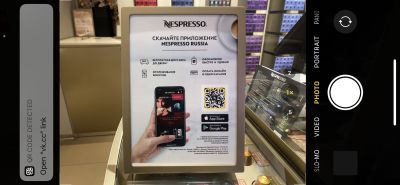
Furthermore, "visual noise" is a silent killer of conversion. A QR code should not be crowded by other design elements. It needs "white space" to breathe, ensuring that the camera can isolate the code from the surrounding marketing collateral.

The Anatomy of a Successful Scan
A QR code without a Call to Action (CTA) is like a door without a handle; the user sees the portal but has no idea how to proceed. To maximize engagement, businesses should follow these core principles:

1. Explicit Guidance
Never present a naked QR code. A clear, concise CTA—such as "Scan to View Menu" or "Scan for Exclusive Discount"—manages user expectations. This should be accompanied by a brief explanation of the value proposition. When a user understands exactly what they will gain, the likelihood of a scan increases exponentially.
2. Branding and Aesthetics
Modern QR generators allow for significant customization. Integrating a company logo at the center or utilizing brand-specific color palettes can transform a sterile utility into a cohesive brand asset. However, a word of caution: aesthetic choices must never compromise technical scannability. High contrast—ideally dark symbols on a light background—is non-negotiable.

3. Durability and Environment
Outdoor implementation requires an understanding of environmental attrition. A sticker on a high-traffic checkout counter will eventually peel, fade, or get obscured by debris, rendering it useless. For storefronts, placing the code on the inside of the glass provides a protective layer while maintaining visibility. Moreover, environmental factors like ambient lighting must be considered; a code that is invisible at night is a lost opportunity.

Technical Pitfalls and User Experience
The most common point of failure for businesses is the assumption that the user will navigate the digital destination with ease.

- The "App-Only" Trap: Never force a user to download a specific, non-standard application to read a code. If a user scans a code only to be told they need a proprietary camera app, the trust is broken.
- Mobile-First Optimization: If the destination of a QR code is a website that is not fully responsive or optimized for mobile, the entire journey fails at the final mile.
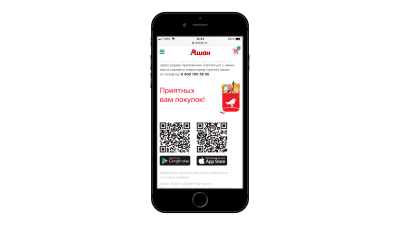
- Deep Linking: Use deep linking to detect the user’s device. A single QR code should intelligently route an iOS user to the Apple App Store and an Android user to the Google Play Store. Forcing the user to choose their platform manually is an unnecessary step that increases bounce rates.
Leveraging Data: The Analytics of Interaction
QR codes are not just a convenience; they are a high-fidelity data source. By utilizing UTM (Urchin Tracking Module) parameters, businesses can gain granular insights into their physical marketing efforts.

By appending unique identifiers to the URL embedded in a code, a company can track exactly which physical location, banner, or billboard generated the most engagement. This allows for data-driven decisions regarding the placement of marketing assets. Furthermore, personalization through these parameters can allow for a bespoke experience. For instance, a feedback QR code placed on a specific server’s check can be tagged with that server’s ID, allowing the digital feedback form to greet the customer with the staff member’s name.

The Implications of Over-Complexity
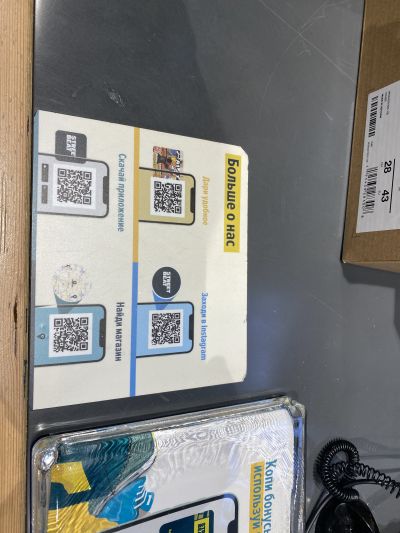
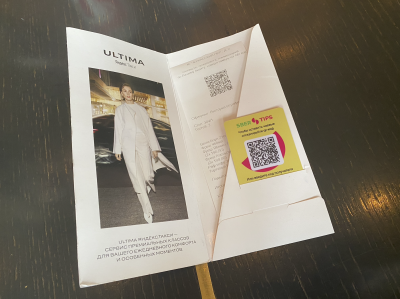
One of the most persistent mistakes is the "Multiple Code Syndrome." If a customer needs to interact with a brand in three different ways—such as leaving a review, sending a tip, and signing up for a newsletter—the business should not provide three separate QR codes. This creates visual clutter and decision paralysis.

Instead, a single, clean QR code should lead to a dedicated mobile-optimized landing page where all these options are presented clearly. This consolidation simplifies the user’s task and keeps the physical space tidy.
Future-Proofing the Customer Journey
As we move forward, the role of the QR code will likely continue to expand into augmented reality (AR) and secure authentication processes. However, the core lesson remains unchanged: the technology is a facilitator, not the objective.

Business leaders should perform regular audits of their existing QR implementations. Are the links still active? Do they lead to current, relevant content? Is the mobile experience as fast as the physical scan was?
By viewing the QR code as a bridge between the physical and digital, companies can turn a simple, momentary interaction into a long-term customer relationship. The goal is to make the scan so seamless that it becomes an invisible, yet essential, part of the customer’s daily routine. As with any technology, the winners will be those who prioritize the user’s comfort, clarity, and value above all else.

This checklist remains a living document, evolving alongside consumer behavior and technological advancements. Feedback and real-world examples are encouraged, as the goal is to create a repository of value that serves the entire business community.