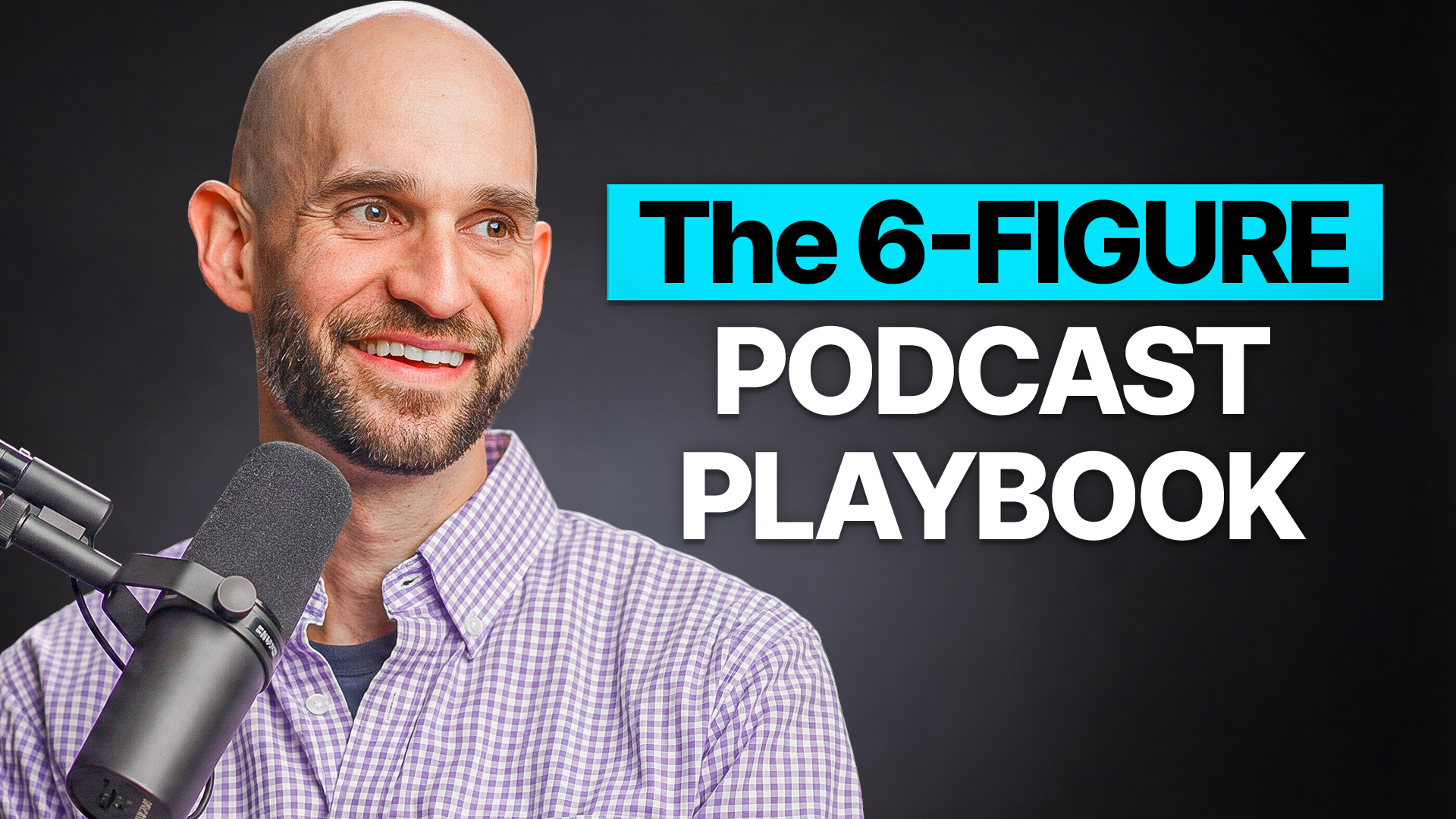
In the rapidly evolving landscape of digital content creation, few mediums offer the depth and intimacy of podcasting. Yet, for many creators, the barrier to entry remains high, and the path to scaling an audience is often obscured by noise. In this week’s episode of the Niche Pursuits podcast, host Spencer Haws sat down with Nick Loper, the architect behind the powerhouse series The Side Hustle Show, to dissect the anatomy of a successful podcast. With over 700 episodes and 35 million lifetime downloads, Loper’s journey offers a masterclass in audience acquisition, retention, and long-term monetization.
The Genesis: From Corporate Exit to Audio Authority
The story of The Side Hustle Show is one of calculated curiosity. In 2013, Nick Loper stood at a professional crossroads. Having recently exited the corporate world, he was already managing a successful affiliate website focused on footwear. While the business was profitable, Loper felt a lack of human connection—a common ailment for solopreneurs working in the vacuum of SEO-driven content.
Loper’s initial motivation was simple: he wanted to talk to other entrepreneurs. "I was legitimately worried," Loper admitted during the interview. "Am I going to run out of people to talk to?" This fear of the "well running dry" is a common psychological barrier for new podcasters, but for Loper, it served as a catalyst for relentless networking. Over the past thirteen years, his concerns have proven unfounded; today, he manages a waitlist of potential guests, a testament to the authority he has built within the entrepreneurship niche.
The Listener Pyramid: A Framework for Growth
One of the most profound insights shared by Loper is his proprietary "Four-Tier Listener Pyramid." This conceptual framework serves as the engine for his growth strategy, helping him categorize and address the needs of his audience at different stages of their journey.
- The Stranger: This is the vast majority of the world—people who do not know the podcast exists. The primary challenge here is discoverability.
- The Listener: Individuals who have discovered the podcast and tuned into an episode. The goal here is to establish trust.
- The Subscriber: Listeners who follow the show, ensuring they receive future content. This requires consistent value and reliable scheduling.
- The Fan: The apex of the pyramid. These individuals don’t just consume content; they engage with the community, recommend the show, and convert into customers or leads.
Loper argues that the secret to growth lies in "laddering"—the intentional effort to move individuals from one tier to the next. "Every piece of content is designed to ascend people along this ladder," Loper noted.
Strategic Conversion: From Stranger to Fan
Moving a "stranger" to a "listener" requires a mastery of discoverability. Loper emphasizes that in a saturated market, the title of an episode is the most critical piece of marketing real estate. He advises focusing on "pain-point headlines" that promise a tangible result. Examples of successful titles include "How I Built X to $10,000/month" or "The Specific Steps to Launching a Side Hustle in 30 Days." By focusing on the benefit rather than the process, he captures the attention of high-intent listeners.
Once the listener is captured, the transition to "subscriber" is a matter of ecosystem integration. Loper is a proponent of using lead magnets—specific, high-value resources offered in exchange for an email address—to move listeners off the rented platform of a podcast hosting service and onto his owned email list. By offering free checklists, templates, or mini-courses related to the episode’s topic, he has managed to scale his subscriber base from a humble 1,000 in his first year to a massive, multi-tiered list that drives the show’s flywheel.
The Flywheel Effect: Where Audio Meets Inbox
A critical component of Loper’s success is the synergy between his podcast and his email newsletter. He treats the two as a closed-loop system. When a listener subscribes to his list, they enter an automated sequence that keeps them tethered to the podcast, while the podcast acts as the primary acquisition funnel for the newsletter.
This "flywheel" allows for more than just engagement; it provides a direct path to monetization. While many podcasters rely solely on ad reads, Loper utilizes his list to deliver content-rich updates, affiliate links for vetted tools, and promotions for his own products. By keeping the email content focused on tactical utility, he ensures high open rates, which in turn drives higher conversion rates for his sponsors.
The Economics of Audio: Monetization Realities
One of the most persistent myths in the podcasting space is that monetization is an immediate byproduct of launching. Loper’s experience debunks this. The Side Hustle Show did not generate significant revenue until years of consistent production had established a loyal, predictable audience.
Today, the show earns between $10,000 and $20,000 per month from sponsorships alone. However, Loper warns against chasing CPM (cost per mille) models too early. His revenue journey evolved from:
- Affiliate Marketing: Promoting products he already used.
- Direct Sponsorships: Hand-picked partnerships that fit his brand ethos.
- Owned Products: Developing courses and communities that provide higher margins than standard ads.
Loper also points to the broader potential of the medium, citing a Taylor Swift fan podcast that generates nearly $90,000 per month through Patreon. This highlights a crucial lesson: niche communities, when deeply engaged, are often more profitable than generalist audiences.
Why Podcasting Still Dominates
Despite the rise of short-form video and the constant changes in social media algorithms, Loper maintains that podcasting offers an "unmatched loyalty." Because listeners spend anywhere from 30 to 60 minutes with the host, the "parasocial" bond is significantly stronger than in written blog formats or 15-second social media clips.
"Podcast discoverability is hard," Loper admits, "but the loyalty is unmatched." This loyalty is the primary reason why, even in an era of AI-generated content and fleeting attention spans, the podcast remains a viable and durable business model.
Implications for New Creators
For those looking to enter the space today, Loper’s advice is both encouraging and sobering. The era of "just showing up and talking" is over. To succeed in the current climate, a creator must:
- Prioritize Tactical Value: Audiences are time-poor. They want actionable insights, not rambling theory.
- Optimize for Retention: A podcast is only as strong as its ability to keep a listener coming back for the next episode.
- Build Owned Assets: Never rely solely on an external platform. Your email list is your most valuable asset.
Loper’s journey from a hobbyist podcaster to a full-time creator proves that while the barriers to entry are low, the barriers to success remain high—demanding persistence, strategic planning, and an unwavering commitment to the listener’s experience. As he concluded in his conversation with Spencer Haws, podcasting is not a get-rich-quick scheme; it is a long-term play that, if played correctly, becomes a central, immovable pillar of a thriving online business.