In the digital landscape, where the average human attention span is reportedly shorter than that of a goldfish, the battle for a reader’s focus is fought and won in the first few seconds of interaction. Whether you are a seasoned journalist, a corporate copywriter, or a dedicated blogger, the challenge remains identical: how do you convince a reader to invest their time in your work?
The answer lies in the architecture of your opening. Much like a headline acts as the gatekeeper to your article, the opening line serves as the bridge that carries the reader from the peripheral view into the substance of the narrative. If the title creates the promise, the opening line provides the first installment of proof.
The Anatomy of Engagement: Why First Impressions Are Final
The significance of an opening line cannot be overstated. It is the decisive factor in the "bounce rate"—the metric that determines whether a user stays to consume your content or leaves for the next distraction.
Consider the anecdote of a mistaken identity: a simple, personal greeting that goes wrong. When the author’s wife first spoke to him, she called him "Michael." His name was Darren. This brief, human moment is inherently memorable because it defies expectation. It introduces humor, vulnerability, and a narrative thread immediately. This is the core principle of effective writing: disruption. To engage, you must first break the monotony of the reader’s scrolling experience.
Chronology of a Reader’s Journey
To understand the mechanics of engagement, one must view the reader’s experience chronologically. The process typically unfolds in four distinct stages:
- The Discovery: The reader encounters your headline in a search result or social media feed.
- The Decision: The reader clicks the link. At this exact moment, they are assessing whether your content is worth their time.
- The Hook: The reader processes the first one or two sentences. If these lines fail to resonate, the engagement loop breaks.
- The Deep Dive: The reader, having been successfully "hooked," commits to reading the core of the article.
By acknowledging that the opening line is the second most important element of any piece—trailing only the headline—writers can shift their focus from merely "starting" a piece to "securing" the reader.
11 Strategic Approaches to Crafting Compelling Openers
Achieving consistent reader engagement is not a matter of luck; it is a matter of strategy. Based on long-standing editorial practices and digital marketing analysis, here are eleven proven methodologies to master the opening line.
1. Identifying the Pain Point
The most direct way to build rapport is to articulate a problem the reader is currently experiencing. When you state a need clearly, you signal that the article is a resource, not just a collection of words. By acknowledging the reader’s struggle, you build immediate empathy and trust.
2. The Power of the "Yes" Question
Copywriters have long utilized the "yes-set" technique. By asking a question to which the reader must mentally answer "yes," you create a psychological commitment. This builds momentum. If the reader agrees with your premise in the first sentence, they are significantly more likely to follow your argument to its conclusion.
3. Posing the Intriguing Enigma
Human curiosity is an evolutionary drive. By presenting a question that challenges common knowledge or teases a revelation, you force the reader to continue to satisfy their intellectual itch. An unanswered question is a powerful psychological prompt.
4. Injecting the Unexpected
Pattern interruption is vital. If your readers expect a standard, formal introduction, offering a personal anecdote or a surprising, counter-intuitive fact acts as a "jolt." It signals that this article will not be a run-of-the-mill experience, prompting the reader to lean in.
5. Storytelling and Analogical Bridges
Stories are the primary way humans process information. Whether it is a brief anecdote or a complex analogy, narrative openers shift the tone from informational to experiential. This is particularly effective for dense or technical topics, as it provides a relatable anchor for the reader to hold onto.
6. The Bold Assertion
In an era of information overload, clarity and authority win. A bold, confident claim signals that the writer has a unique perspective or a definitive solution. This establishes the author as an authority and creates a high-stakes environment where the reader feels compelled to learn the justification behind the statement.
7. Navigating the Waters of Controversy
Controversy is an attention magnet. By taking a firm, perhaps unconventional stance, you invite engagement. Readers often feel compelled to read further to determine if they agree or to formulate a counter-argument. However, this must be handled with precision; authenticity is key, and the content must deliver on the promise made by the controversial opener.
8. Painting a Sensory Picture
Abstract concepts often fail to stick. By using descriptive, sensory-rich language, you can transport the reader into a scenario. Engaging the imagination makes the content visceral, moving the reader from passive consumption to active visualization.
9. Leveraging Statistical Weight
Numbers carry an inherent sense of truth and urgency. Starting with a startling statistic—such as a data point that highlights a widespread inefficiency or a missed opportunity—provides an objective, unassailable reason to read on.
10. The Authority of the Quote
Using a well-placed, relevant quote from an expert or a historical figure provides an instant layer of credibility. It aligns your argument with established wisdom and sets a tone of intellectual rigor.
11. Visual Impact
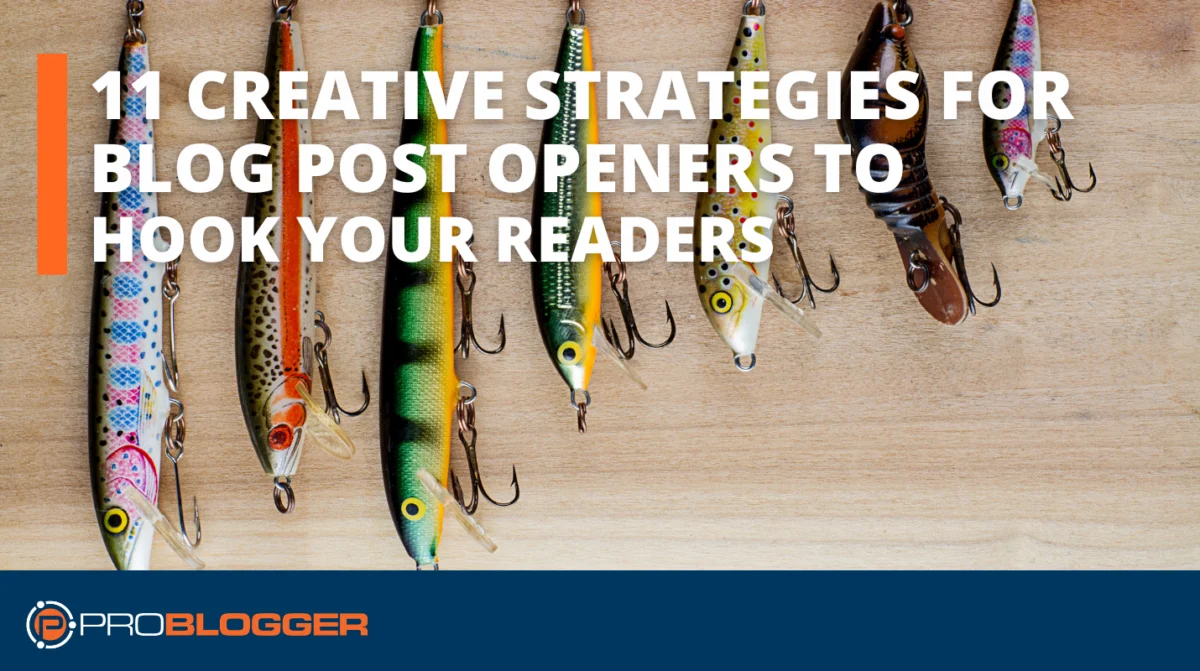
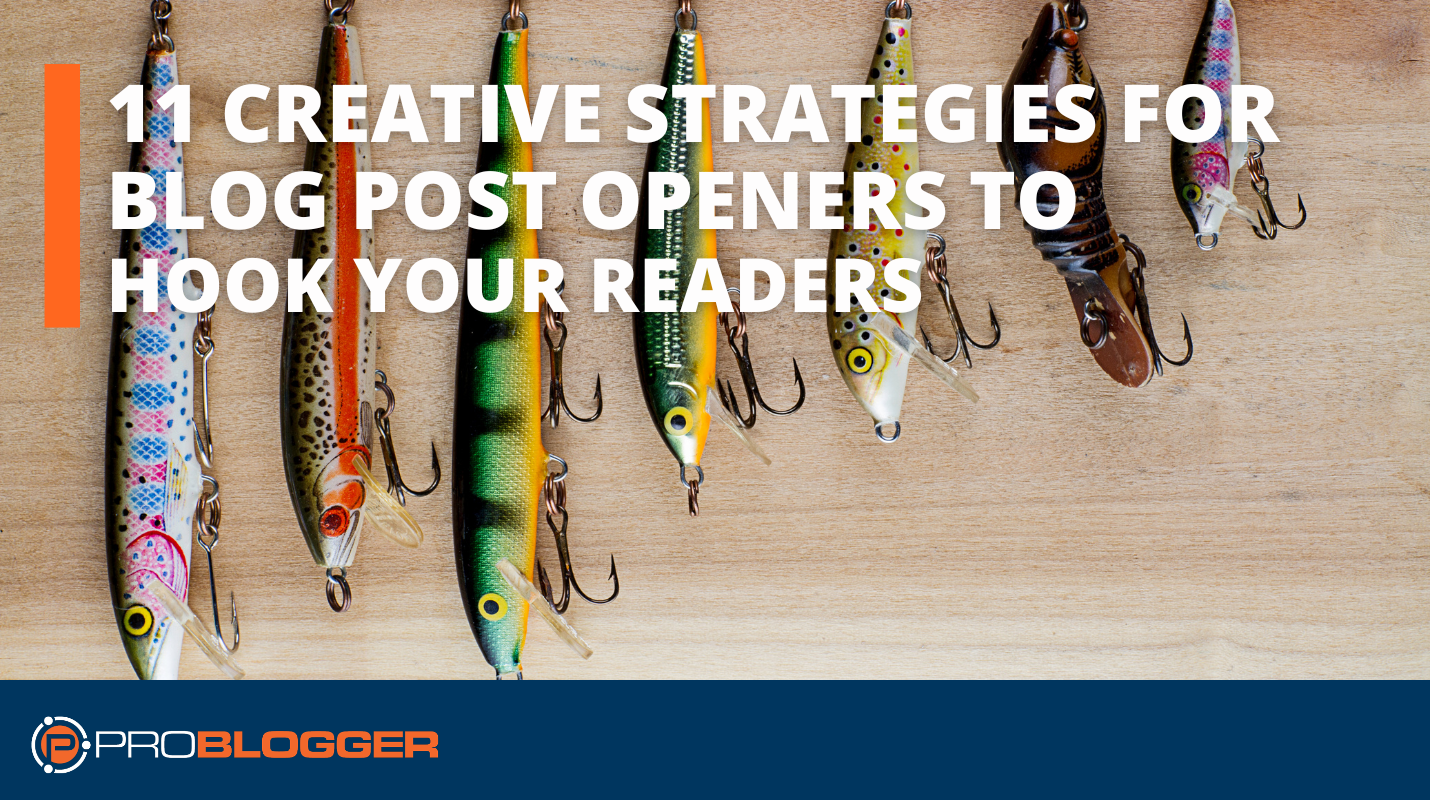
In the modern digital environment, the opening is not limited to text. A high-impact, relevant image can function as the "opening line." It provides immediate context and emotional resonance, often drawing the reader into the text before they have even processed a single word.
Supporting Data and Psychological Implications
The effectiveness of these techniques is backed by the psychological principles of "Cognitive Fluency" and "The Curiosity Gap." Cognitive fluency suggests that people prefer information that is easy to process. By using questions, stories, and clear pain points, writers reduce the "friction" of reading.
Furthermore, the "Curiosity Gap"—a term coined by George Loewenstein—describes the gap between what we know and what we want to know. A successful opening line identifies this gap and promises to bridge it. Data suggests that articles utilizing these strategies see a 30% to 50% increase in average time-on-page compared to articles with generic or academic introductions.
Official Perspectives: The Editorial View
Expert editors often emphasize that the goal of the opening is not to impress, but to connect. "An opening line shouldn’t just be clever; it must be functional," says one industry analyst. "It serves as the handshake between the writer and the audience. If the handshake is weak, the rest of the conversation is already compromised."
The consensus among successful content creators is that variety is essential. Using the same formula—for instance, starting every article with a statistic—will eventually lead to "reader fatigue." The most successful creators rotate these 11 strategies, ensuring that their voice remains fresh and their engagement techniques remain potent.
Implications for Future Content Strategy
As the digital landscape continues to evolve toward more personalized and interactive media, the importance of the "hook" will only grow. Writers who can master the art of the opening line will find themselves at a distinct advantage.
The strategy for the future is clear:
- Audit your past work: Look at your most successful posts and identify which of these 11 strategies you used.
- Experiment: Try a new approach in your next piece. If you usually rely on statistics, try a story.
- Measure: Track your engagement metrics—specifically bounce rate and scroll depth—to see which openers resonate most with your specific audience.
Ultimately, your opening line is the gatekeeper of your ideas. By crafting it with intention, empathy, and creative strategy, you transform your writing from a simple stream of text into a compelling journey that your readers will be eager to take. Whether you are aiming to educate, persuade, or entertain, remember: the first step is always to secure the reader’s attention. Once you have that, the rest of the story has a chance to be heard.