For over a decade, the WordPress ecosystem has operated on a foundation of trust. With over 60,000 plugins available in the official repository, millions of site owners have relied on the platform’s "one-click update" feature to keep their digital infrastructure secure and functional. However, a burgeoning crisis has emerged from the shadows: a sophisticated wave of supply chain attacks that turn trusted tools into conduits for malware.
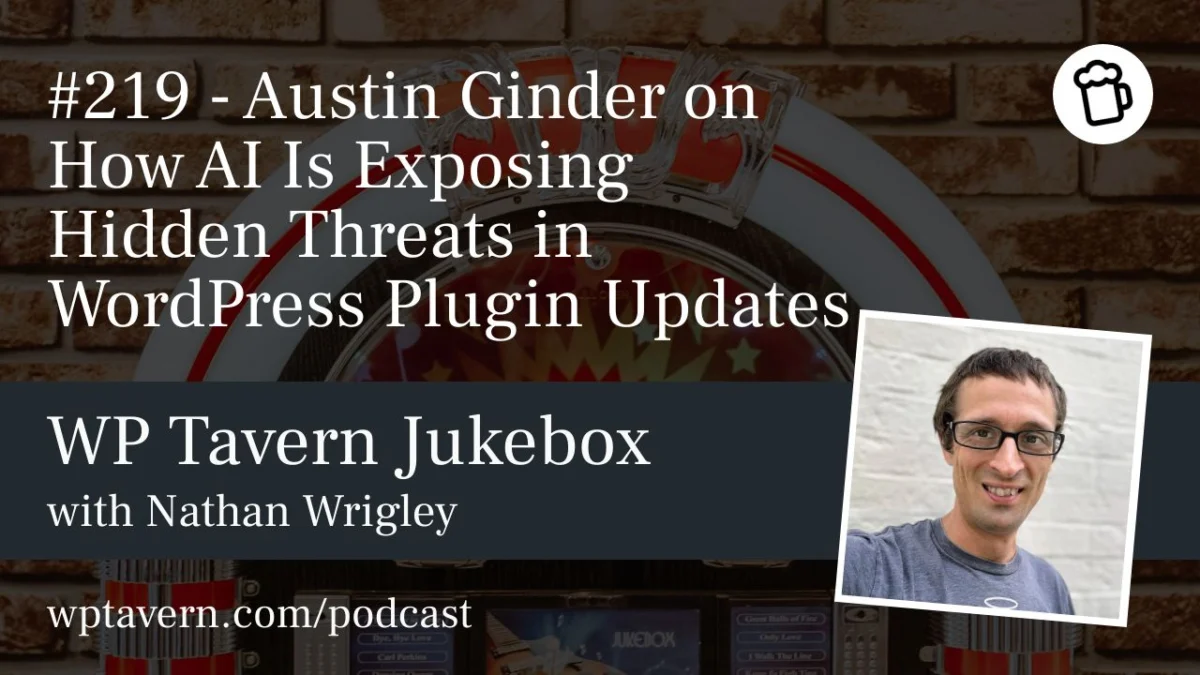
Austin Ginder, a long-time developer and founder of the hosting management service Anchor Hosting, has recently found himself at the center of this investigation. What began as a routine malware cleanup for a client has evolved into a comprehensive audit of the WordPress ecosystem, revealing that the threat is no longer just about hacking individual sites—it is about hijacking the very tools used to build them.
The Mechanics of the Supply Chain Attack
In a traditional cyberattack, a malicious actor might exploit a vulnerability in a plugin to gain unauthorized access to a website. A supply chain attack, however, is far more insidious. It targets the "upstream" source of the software itself.
According to Ginder, there are two primary methods currently being used to infiltrate these systems. The first involves the direct compromise of developer credentials, allowing bad actors to push malicious code updates to the official WordPress.org repository. When a user clicks "update," they unknowingly install a backdoored version of the software.
The second, and perhaps more alarming method, is the "corporate acquisition" strategy. Bad actors are purchasing existing, reputable plugin companies—sometimes for significant sums—and weaponizing their assets. Once the transfer of ownership is complete, the new "owners" push out updates that include malicious payloads. In some instances, these updates divert the plugin’s update server away from the legitimate WordPress.org infrastructure to a rogue, third-party channel. Once the connection is rerouted, the site owner is no longer receiving vetted code; they are receiving whatever the attacker chooses to inject.
Chronology of a Discovery: From Cleanup to Beacon
The path to uncovering these attacks was entirely accidental. In February 2024, Ginder noticed a spike in malware infections across his managed client sites. Previously, malware remediation was a labor-intensive, often imprecise process. However, Ginder leveraged emerging Artificial Intelligence (AI) tools, specifically using AI to perform deep forensic audits of source code and file structures.
"Malware cleanup before AI was always a bit of a dicey thing," Ginder explained in a recent interview. "You could check all the boxes, but you never had the certainty that it was 100% clean. With AI, it’s very easy to perform a thorough, in-depth investigation."
By feeding the compromised code into AI-driven forensic tools, Ginder was able to trace the infection back to its source. He discovered that the malware was not entering through an isolated security gap but was being pushed directly through a plugin update.
As he continued to investigate, he realized the pattern was systemic. He began documenting these incidents, identifying several specific plugins—ranging from "Essential Plugin" suites to niche redirection tools—that had been compromised. His findings led to the creation of the WP Beacon Project (wpbeacon.io), a community-focused initiative dedicated to tracking and alerting the public to these specific supply chain threats.
Leveraging AI for Large-Scale Forensics
The sheer scale of the WordPress ecosystem—with tens of thousands of plugins and millions of active installations—has historically made manual security auditing an impossible task. It is humanly impossible for security teams to vet every line of code in every update for every plugin.
This is where AI has changed the game. Ginder notes that AI provides a "superpower" for security researchers by enabling them to digest massive amounts of data in seconds. By creating a mirror of plugin repositories and using AI to compare code variations against established baselines, researchers can now identify anomalies that would have remained invisible to the human eye.
"We don’t have to audit every CSS file or image," Ginder noted. "But we do have to look over every PHP and JavaScript line to ensure there is nothing harmful. AI makes that feasible for individuals."
This shift in capability is essential because many of these attacks are "dormant." In several cases uncovered by Ginder, plugins remained on thousands of websites in a compromised state but inactive, waiting for a "trigger" to begin malicious activity—such as SEO spam, credit card skimming, or search result poisoning. By the time the attack is triggered, the damage is already widespread.
Official Responses and Ecosystem Resilience
The WordPress Plugin Team has been instrumental in mitigating the damage once these incidents are brought to light. Upon receiving reports of compromised plugins, the team has historically acted swiftly to close the plugins, issue alerts, and, in rare, severe cases, force patches to be deployed across the ecosystem.
However, the nature of open-source software creates a "Wild West" environment that is both its greatest strength and its primary vulnerability. The lack of a centralized, permissions-based system—similar to the rigid vetting processes of the Apple App Store or Google Play Store—means that plugins often have broad, unrestricted access to the root file structure of a website.
While the community has debated implementing more restrictive permission models, many developers argue that such changes would stifle the innovation and flexibility that make WordPress the world’s most popular CMS. Ginder agrees, noting that while the architecture is imperfect, the solution lies in better monitoring rather than closing the ecosystem.
Implications for the Future
The implications for the WordPress community are profound. As AI becomes more accessible to both security researchers and malicious actors, the "cat and mouse" game of digital security is accelerating.
Key Takeaways for Site Owners and Developers:
- Vigilance is a Duty: Managing a WordPress site today requires more than just keeping plugins updated. It requires a level of scrutiny regarding who owns the plugins installed on your server.
- The Power of Data: Large hosting companies sit on a "gold mine" of data. If these companies can integrate AI-driven forensic analysis into their infrastructure, they could potentially identify and stop these supply chain attacks before they reach the end user.
- Support for Independent Research: Projects like WP Beacon are filling a critical gap in the security landscape. By documenting these attacks, they provide the necessary intelligence for security professionals to take down the infrastructure of bad actors.
Ginder remains cautiously optimistic. He believes that by making it harder for repeat offenders to operate—by tracking their history and proactively blocking their infrastructure—the WordPress ecosystem can become a more hostile environment for attackers.
"My goal with WP Beacon is just to make this stuff visible," Ginder said. "We need to document how these attacks happen. If we make it more difficult for these bad actors to profit, we can begin to turn the tide."
Conclusion: A Call for Collective Awareness
The rise of AI-powered supply chain attacks is a wake-up call for the entire WordPress community. While the platform’s open nature remains its greatest asset, it is no longer sufficient to rely solely on the "honor system" of software distribution.
As we look toward the future, the integration of automated, AI-assisted security auditing will likely become a standard component of professional web management. For now, site owners must remain vigilant, prioritize plugins from trusted, transparent sources, and recognize that in an interconnected digital world, the security of one site is inextricably linked to the integrity of the entire supply chain.
For those looking to stay informed or contribute to the ongoing investigation, resources like the WP Beacon Project provide a vital first step in navigating this new, complex reality. The threat is hidden, but with the right tools and a collective commitment to transparency, it is no longer invincible.