The WordPress ecosystem, once a fertile, high-growth frontier where "build it and they will come" was a viable business strategy, has entered a period of profound maturation. For over a decade, the platform’s rising market share acted as a tide that lifted all boats—plugin developers, theme authors, and service providers alike. However, as the ecosystem faces tighter budgets, increased saturation, and the disruptive potential of artificial intelligence, the era of passive growth has come to an abrupt end.
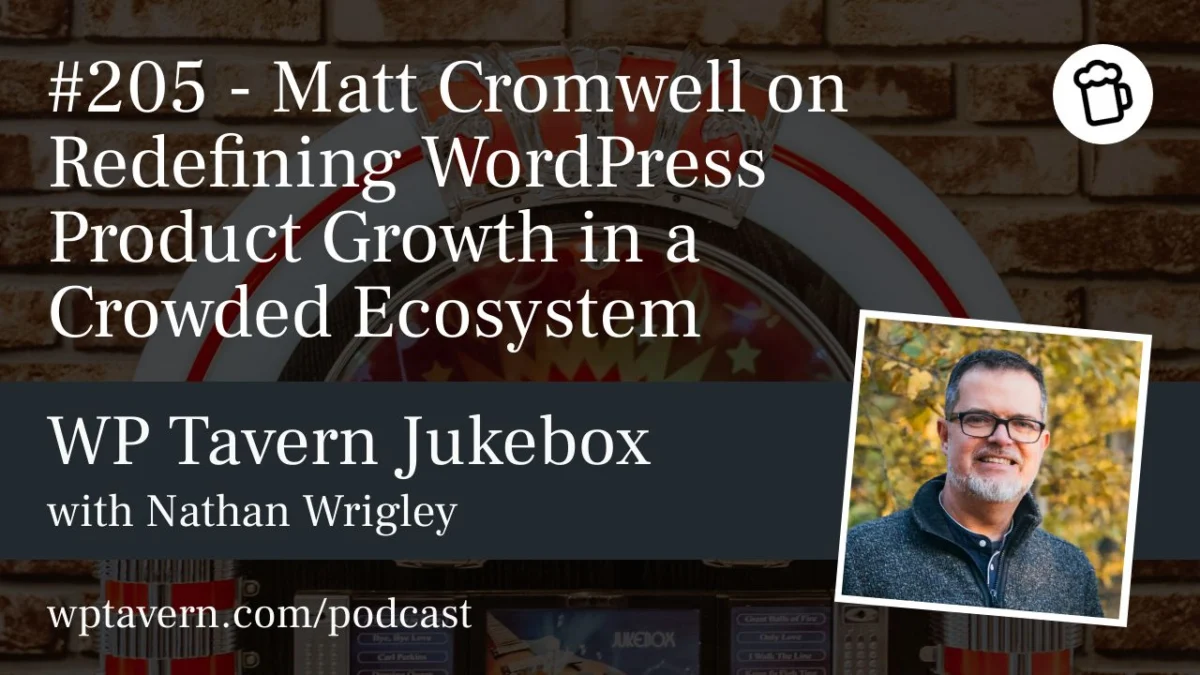
In a recent episode of the WP Tavern Jukebox podcast, veteran WordPress entrepreneur Matt Cromwell—co-founder of GiveWP and former leader within StellarWP—discussed his strategic shift to a new agency, "Roots & Fruit." His mission is to guide a new generation of product makers through this more competitive, complex landscape, moving away from code-centric mindsets toward customer-centric growth.
Main Facts: A New Chapter for a WordPress Veteran
Matt Cromwell has spent the better part of his professional life embedded in the WordPress community. After co-founding GiveWP, a leading donation plugin, he navigated the startup through its acquisition by Liquid Web in 2021. Following the acquisition, he integrated into the leadership team at StellarWP, gaining broad oversight of multiple digital products.
After departing that role in late 2025, Cromwell launched Roots & Fruit, a boutique agency acting as a "fractional Chief Growth Officer" (CGO) for WordPress product businesses. His focus is on helping solo founders and small teams prioritize sustainable growth, refine their product-market fit, and navigate the noise of an increasingly crowded marketplace. The core thesis of his new venture is simple but challenging: in 2026, building excellent code is no longer enough to guarantee business success.
Chronology: The Evolution of a Digital Landscape
To understand why the current market feels so volatile, one must look back at the trajectory of the last several years:
- Pre-2020: The "Gold Rush" era. WordPress market share was climbing steadily toward 40%. The directory was the primary discovery engine, and a well-coded plugin could often find a user base with minimal marketing effort.
- 2020–2022 (The Pandemic Flux): The COVID-19 pandemic caused a massive surge in demand for digital solutions as businesses scrambled to move online. For many, this was a period of record-breaking revenue, but it also created a "COVID high" that proved difficult to maintain.
- Post-2022: The market correction. As the pandemic receded, many companies saw sales dip below pre-pandemic levels. Economic headwinds and budget tightening across the tech sector forced a reckoning.
- 2025–2026: The AI Transformation. We are currently in a phase where AI is not just a tool for developers but a competitor in the product space. The proliferation of AI-driven plugins has turned the repository into a high-density, highly competitive environment.
Supporting Data: Why "Build and Pray" No Longer Works
The WordPress plugin directory currently hosts over 60,000 plugins. When Cromwell launched GiveWP, that number was roughly half of what it is today. This increase in volume creates a "discovery deficit." When a user searches for a solution—such as an AI-powered alt-text generator—they are no longer met with a single, reliable option, but dozens of competitors shipping identical functionality within days of each other.
Furthermore, the consumer demographic has changed. Modern users of WordPress are often less concerned with the "WordPress-ness" of a solution and more concerned with the outcome. They treat plugins as commodities. If a tool fails to provide an immediate, seamless experience, users abandon it for a SaaS alternative or a competing plugin without hesitation. The barrier to entry has lowered, but the barrier to retention has skyrocketed.
Official Responses: The Shift from Code to Product
Cromwell’s transition to a mentor and advisor role is a direct response to these market conditions. His perspective on the difference between a "code business" and a "product business" serves as a rallying cry for the next wave of founders.
Defining the "Product Experience"
Cromwell argues that most developers focus heavily on the backend—the code, the APIs, and the technical performance. While essential, these elements are invisible to the end user. He defines a "product" as the entire customer journey:
- Marketing and Branding: Clear messaging that resonates with the user’s specific pain point.
- Trust Signals: A professional web presence that removes friction during the discovery phase.
- Customer Support: A proactive approach to user success that turns purchasers into advocates.
- The "Outcomes" Lens: The product is not the code; it is the specific, solved problem the user achieves after installation.
The Role of AI in the Ecosystem
Despite the competitive pressures, Cromwell remains bullish on the future of WordPress. He notes that the platform’s deep, long-standing documentation and open-source nature make it uniquely "readable" for AI models. "WordPress is one of the most documented, open-source projects in the world," Cromwell notes. "AI now knows WordPress really, really, really well. That is going to actually build the platform in a way that makes AI understand how to build with WordPress better than anything else."
Implications for the Future of WordPress
The pivot toward professionalized growth has several critical implications for those currently operating in or entering the WordPress space.
1. The Death of the Scatter-Gun Approach
Cromwell warns against the "scatter-gun" approach, where founders attempt to tackle every marketing channel—LinkedIn, Reddit, SEO, paid ads—simultaneously. He emphasizes that growth is not about activity; it is about wise prioritization. For solo founders, this means identifying the one or two channels that actually provide a return and having the discipline to ignore the "noise" of the rest.
2. The Rise of the Fractional Executive
As product shops scale, they often hit a "founder ceiling." The original developers are experts in code but may lack the specialized skills required for lifecycle marketing, conversion rate optimization (CRO), or churn reduction. The emergence of services like Roots & Fruit suggests a market trend toward "fractional" leadership, where specialized growth experts are brought in to bridge the gap between technical mastery and business sustainability.
3. Sustainability Through Process
The final implication is that "passive income" in the WordPress space is becoming a myth. True sustainability now requires rigorous processes, diligent customer feedback loops, and an ongoing commitment to the user experience. Developers who treat their plugins as static projects to be "set and forgotten" will likely find themselves eclipsed by competitors who treat their products as dynamic, customer-centric businesses.
Conclusion: Planting the Seeds for Growth
The shift Cromwell is championing is, in many ways, the professionalization of the WordPress industry. The "hobbyist" era of plugin development is being replaced by a more disciplined, enterprise-level approach to digital product management.
For those currently in the trenches—the solo developers and the small, overworked teams—the message is clear: the rising tide may have leveled off, but the opportunities for growth remain. They simply require a different set of tools. By focusing on the fruit—the customer’s success and the business’s longevity—rather than just the roots of the code, founders can navigate the current turbulence and find a path to sustainable, long-term success.
As Matt Cromwell continues to build out his new agency, his experience serves as a reminder that even in a crowded, noisy, and technologically shifting ecosystem, the fundamentals of a good business remain unchanged: understand your customer, solve their problem, and do so with a level of intentionality that separates you from the competition.