You have done the heavy lifting. You have agonized over a subject line designed to trigger curiosity, polished your copy until it sounds like a human—not a corporate bot—wrote it, and mapped out a sophisticated automation sequence. You hit "send" with the quiet confidence of a founder who knows their strategy is sound.
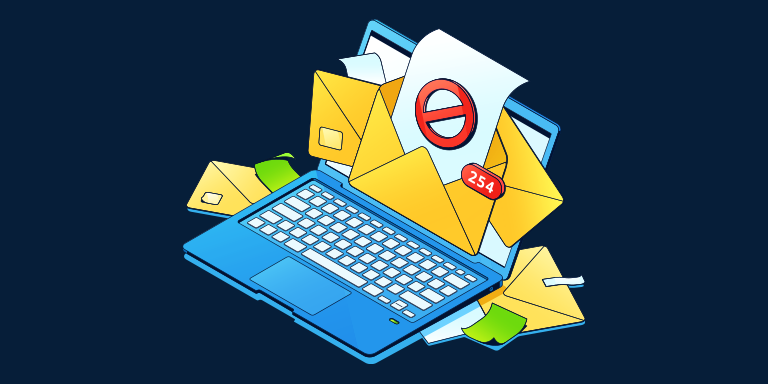
Then, silence. Your analytics dashboard shows a catastrophic drop in engagement. Your emails aren’t bouncing, but they aren’t generating revenue either. They have been relegated to the digital purgatory of the spam folder, a place where even the most compelling offers go to die.
This is the brutal, often invisible reality of email deliverability. In the modern ecommerce landscape, your strategy, psychology, and automation are moot if your message never reaches the eyes of your customers.
The Core Problem: Deliverability vs. Delivery
It is a common misconception that "delivered" means "received." In technical terms, an email is "delivered" as long as the receiving server accepts it. However, the journey from the mail server to the actual inbox is a gauntlet guarded by algorithms from providers like Google, Microsoft, and Yahoo.
Deliverability is the measurement of your ability to bypass these filters and land directly in the primary inbox. It is not a static state; it is a dynamic, real-time score influenced by technical authentication, your historical sending behavior, the quality of your list, and the actual content of your messages. For founders, failing to master this is not a minor operational oversight—it is a direct hit to your bottom line. If 20% of your list is relegated to spam, you have effectively incinerated 20% of your revenue potential overnight.
The Anatomy of a Sender Reputation
Think of your sender reputation as a credit score for your brand. Every time you hit "send," email providers perform a split-second audit. They look at your domain and your IP address to answer one fundamental question: Is this a trusted sender or a nuisance?
The Chronology of a Reputation Drop
- The Initial Send: You blast an unsegmented list. A significant percentage of those addresses are defunct or unengaged.
- The Bounce/Complaint Spike: High bounce rates signal that your list is poorly maintained. A few angry recipients hit the "Report Spam" button.
- The Algorithmic Response: Filters see these negative signals. Your reputation score takes a hit.
- The Shadowban: Subsequent emails are automatically routed to the "Promotions" or "Spam" folders, regardless of how great your content is.
- The Death Spiral: Because your emails aren’t being opened, your engagement drops further, signaling to providers that your content is irrelevant, which lowers your reputation even more.
The most efficient way to break this cycle is to prioritize a "warm" list. Engagement is the ultimate currency. Every click and open serves as a vote of confidence to the email provider, signaling that your content is valuable and requested.
Technical Foundations: Authentication Is Not Optional
If reputation is your credit score, authentication is your ID card. Without proper authentication, you are essentially trying to enter a high-security building without credentials. The three pillars of email security—SPF, DKIM, and DMARC—are the industry-standard protocols that verify your identity.
- SPF (Sender Policy Framework): A list of IP addresses authorized to send emails on your domain’s behalf.
- DKIM (DomainKeys Identified Mail): A digital signature that ensures your email hasn’t been tampered with in transit.
- DMARC (Domain-based Message Authentication, Reporting, and Conformance): A policy that tells receiving servers exactly what to do if your email fails SPF or DKIM checks.
While platforms like Omnisend often automate these setups, it is a critical "set-it-and-forget-it" trap. A single misconfigured DNS record can sink your deliverability for weeks. Take fifteen minutes to audit your records; it is the highest-ROI time you will spend all year.
The Unsexy Necessity: List Hygiene
We rarely discuss list hygiene at networking events, yet it remains the most potent tool in a founder’s arsenal. Every email list is subject to "list decay." People change jobs, abandon old accounts, or simply lose interest.
The Strategy for a Clean List
- The 90-Day Rule: Run a re-engagement campaign for anyone who hasn’t opened or clicked in 90 to 180 days. If they don’t respond to your "we miss you" outreach, remove them.
- The Hard Bounce Purge: Ensure your platform is set to suppress hard bounces immediately.
- Double Opt-in: It may feel like a barrier to growth, but requiring a confirmation email creates a high-intent, high-quality subscriber base from day one.
Shrinking your list feels counterintuitive when you are obsessed with vanity metrics, but a smaller, healthier list will consistently outperform a bloated one in both deliverability and conversion rates.
Engagement: The Signal That Matters Most
Modern spam filters have evolved beyond simple keyword scanning. They are now "engagement-aware." They monitor how subscribers interact with your brand. If you send an email and 50% of your audience ignores it, the provider takes note. If you send an email and your audience replies, clicks, or marks it as "not spam," your reputation rises.
This is why your welcome series is the most important sequence you will ever write. The first three emails a subscriber receives set the "engagement tone" for the life of the relationship. If you fail to build excitement early, you are conditioning the email provider to treat your future messages as low-value noise.
Content Habits That Trigger Filters
While filters have become more sophisticated, they still hunt for patterns. Avoid these "spammy" behaviors:
- Over-reliance on Sales Language: Words like "FREE," "GUARANTEED," or excessive use of exclamation points can trigger archaic but still active spam filters.
- Poor HTML-to-Text Ratio: Massive images with little to no text are often flagged as phishing attempts or low-quality marketing.
- Link Heavy/Broken Links: Sending subscribers to non-secure (HTTP) or broken pages is a red flag for security filters.
Implications for Your Business
Deliverability is not a one-time setup; it is a permanent operational priority. The founders who succeed are those who treat their email list as a living, breathing asset that requires regular "pruning" and "feeding."
By integrating robust monitoring tools—such as those provided by Omnisend—you gain the visibility required to catch problems before they become crises. Features like automatic list cleaning and authentication support aren’t just "extra features"; they are the infrastructure that keeps your business communication channels open.
Summary Checklist
- Audit Authentication: Ensure SPF, DKIM, and DMARC are properly configured.
- Audit Your List: Remove unengaged subscribers to protect your sender score.
- Prioritize Engagement: Focus on high-value welcome sequences that encourage interaction.
- Monitor Performance: Watch for sudden dips in open rates as an early warning sign of deliverability issues.
Ultimately, your email program is only as strong as your reputation. Protect it, monitor it, and treat your subscribers with the respect of a direct, authenticated, and welcome guest.
Ready to take control of your deliverability? Use code FOUNDR50 when you sign up for Omnisend to receive 50% off your first three months and start building an email program that actually lands where it belongs: in the inbox.