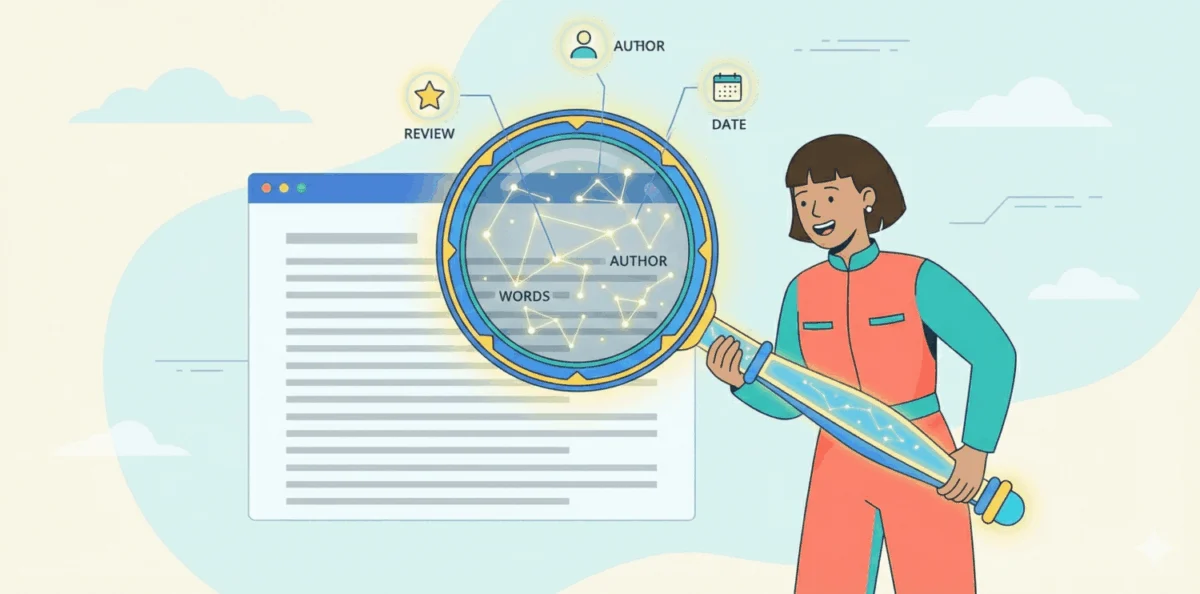
Main Facts: Navigating the New AI-Driven Search Landscape
Marketers are grappling with a paradigm shift in how digital information is discovered and trusted. The latest, and perhaps most profound, buzzword isn’t about keywords or personas, but a concept far more fundamental: "entities." This term, which might conjure images from a sci-fi narrative involving sentient databases, is now central to how artificial intelligence models process and prioritize information. If your brand, or the experts within it, are not recognized as distinct, verifiable entities by these advanced AI systems, their digital presence risks becoming largely invisible to the millions of users increasingly turning to AI tools for answers, bypassing traditional search engines.
At its core, an entity represents how AI search engines recognize, categorize, and establish trust in information sources. It’s a sophisticated leap beyond simply matching keywords, delving into the semantic understanding of concepts, people, places, and organizations. For a brand, this means not only its corporate identity but also its flagship products, services, and, crucially, the individual experts within its ranks, must be established as interconnected entities. This shift mandates that brands not only make their content machine-readable but also actively elevate the human expertise that underpins their operations.
Consider a Chief Technology Officer whose insights on AI ethics consistently captivate audiences, or a Chief Economist whose analysis frequently graces the pages of industry trade publications. These individuals already embody valuable expertise. The challenge now is to translate this living, breathing knowledge into machine-legible profiles—complete with context, verifiable connections, and authoritative citations—that Large Language Models (LLMs) can readily interpret and leverage. This integration is no longer a niche SEO tactic; it’s a strategic imperative for digital relevance.
Chronology: From Keyword Dominance to Semantic Understanding
The journey of search has been one of continuous evolution, each phase building upon its predecessor to deliver increasingly relevant results. Initially, the digital landscape was dominated by keyword matching. Users typed queries, and search engines returned pages containing those exact words. This rudimentary approach, while effective in its time, often lacked nuance and struggled with synonyms or contextual understanding.
The next significant phase introduced link analysis, epitomized by Google’s PageRank algorithm. Here, the quality and quantity of backlinks to a page became a crucial signal of its authority and relevance. This era also saw the rise of more sophisticated on-page SEO, focusing on content quality, site structure, and user experience, alongside keyword optimization.
As the web grew in complexity, the focus shifted towards search intent. Search engines began to decipher the underlying goal behind a user’s query, moving beyond mere keywords to understand what information the user was truly seeking. This involved advancements in natural language processing (NLP) and machine learning, allowing for more conversational queries and personalized results.
The current epoch is defined by the proliferation of AI-driven search and Large Language Models (LLMs). This marks a profound departure from previous models. LLMs, such as those powering ChatGPT, Perplexity AI, and Google’s AI Overviews, don’t just find information; they synthesize, summarize, and generate answers. To do this effectively, they rely on a deep understanding of concepts and their relationships, facilitated by the semantic web and knowledge graphs. These intricate networks map out real-world entities and their attributes, allowing AI to understand not just words, but the meaning behind them.
In this AI-first environment, the emphasis has dramatically shifted towards verifiable human expertise. As AI models become more sophisticated, they are actively trained to identify and reward authoritative sources. An anonymous piece of content, however well-written, holds less weight than one attributed to a recognized expert with a demonstrable track record and digital footprint. This is the urgent call for brands: to adapt their digital strategies to align with AI’s preference for authoritative, entity-based information. The future of digital visibility is now inextricably linked to how effectively brands can establish and amplify their expert entities.
Supporting Data: The Undeniable Case for Human Credibility
The argument for elevating internal experts from mere contributors to recognized entities is not merely theoretical; it’s robustly supported by contemporary research and shifting audience behaviors. Both algorithms and human decision-makers are increasingly prioritizing verifiable credibility.
Leading SEO and content intelligence platforms have highlighted this trend. Research from BrightEdge specifically identifies author expertise as one of the paramount quality signals that AI algorithms employ to evaluate the trustworthiness and relevance of content. In an age where content can be generated at an unprecedented scale, the who behind the information matters more than ever. An article bearing the generic byline "Marketing Team" carries significantly less weight and authority in the eyes of an AI model than one attributed to a specific, real person with a verifiable professional background and a robust digital presence. This distinction is critical for content to cut through the noise and be deemed authoritative.
Search Engine Land, a prominent voice in the SEO community, further reinforces this, noting that "verifiable authorship makes your content stand out as trustworthy in a sea of generic AI material." As AI-generated content becomes ubiquitous, the ability to demonstrate genuine human expertise becomes a powerful differentiator. They specifically recommend the strategic use of structured data to help AI systems precisely understand who is responsible for the content. When search engines and AI models can connect an individual’s name to reputable publications, professional affiliations, and other validated activities, they are far more likely to elevate that expert as a reliable source in their generated responses.
Beyond algorithmic preference, the human element of trust remains paramount, particularly in business-to-business (B2B) contexts. The 2024 Edelman-LinkedIn B2B Thought Leadership Impact Report delivers compelling evidence, revealing that a staggering 73% of decision-makers consider an organization’s thought leadership content a more trustworthy basis for assessing its capabilities than its conventional marketing materials. This finding underscores a fundamental truth: buyers inherently trust people more than abstract corporate logos. When an organization’s expertise is visibly embodied by its internal experts, it builds a profound level of credibility that traditional marketing campaigns often struggle to achieve.
In essence, a powerful convergence is occurring: both sophisticated AI algorithms and discerning human audiences are seeking the same fundamental attribute—credibility. By strategically elevating internal experts with visible, verifiable identities and a rich digital footprint, brands not only dramatically improve their chances of being cited as authoritative sources in AI-generated answers but also significantly enhance their ability to influence real-world buying decisions. This synergy transforms expert recognition from an optional nice-to-have into a core pillar of modern digital strategy.
Implementation Layers: Architecting Entity Recognition
Successfully transforming internal experts into recognizable entities for AI search requires a multi-faceted approach, integrating three critical layers of implementation. Each layer builds upon the last, ensuring that expertise is not only defined but also amplified and correctly attributed.
1. Optimizing Authorship Metadata: The Digital Passport
This foundational layer is about establishing a clear, consistent, and machine-readable identity for every expert within your organization. Think of an expert’s digital profile as their passport; if the credentials are inconsistent or unclear, their content risks being overlooked.
The Importance of Consistent Identity: A common pitfall is the inconsistent representation of an expert across various platforms. For instance, your head of compliance might appear as "J.R. Martinez" on your company blog, "John Martinez, JD" on LinkedIn, and simply "John Martinez" on a conference agenda. While a human can easily discern these are the same individual, an algorithm might interpret them as three distinct entities, diluting their authority. Standardization is key.
Specificity in Bios: Vague biographies offer little value to AI systems. A description like "20 years in B2B SaaS" is far less impactful than "Former VP of Product at Salesforce, led three major product launches generating $50M ARR, and published in the Harvard Business Review." Detailed, achievement-oriented bios provide rich contextual data, helping AI understand the depth and breadth of an expert’s knowledge and contributions. This layer is about ensuring the foundational data is impeccable, allowing AI systems to accurately identify and categorize your experts.
Action Items for Marketers:
- Standardize Expert Profiles: Create a definitive, consistent identity (full name, professional title, affiliations) for each expert to be used across all internal and external platforms (company website, blog, social media, press releases).
- Implement Schema.org Markup: Utilize
Schema.org/PersonandSchema.org/Authormarkup on all expert bio pages and content bylines. This provides structured data that AI can easily parse, linking the author to their work. - Develop Rich, Achievement-Oriented Bios: Craft detailed biographies that highlight specific accomplishments, significant projects, publications, speaking engagements, and quantifiable impacts, rather than generic responsibilities.
- Ensure Consistent Naming Conventions: Establish clear guidelines for how experts’ names and titles are to be presented in all content, metadata, and external communications to avoid algorithmic confusion.
- Link to Verified Profiles: Use the
sameAsproperty within Schema.org markup to connect expert profiles on your site to their verified LinkedIn, X (formerly Twitter), or academic profiles, reinforcing their digital identity.
2. Building Cross-Platform Credibility: Amplifying Expertise
Once an expert’s identity is clearly defined, the next step is to ensure their visibility extends beyond your owned properties. If an expert’s presence is confined solely to your company blog, their influence might be limited. Both AI engines and human audiences (who, importantly, still matter) derive cues from signals across the broader web.
Beyond the Company Blog: A CTO who regularly posts thoughtful insights on LinkedIn, is featured on industry podcasts, receives invitations to prestigious conferences like CES or SXSW, and is quoted in publications like TechCrunch, presents a far more "real" and authoritative profile to both humans and machines. Each verified appearance in a trusted external space acts as an endorsement, helping algorithms cross-reference and build confidence in their authority.
The "Realness" Factor: This layer is about amplification and external validation. Showing up in reputable, diverse spaces where expertise is valued signals to AI models that the individual is a recognized authority in their field. These external signals create a web of credibility that algorithms use to confirm and strengthen an expert’s entity status.
Action Items for Marketers:
- Facilitate External Speaking Engagements: Actively seek out and support opportunities for experts to speak at industry conferences, webinars, and workshops, ensuring these events are documented and linked to their profiles.
- Encourage Active Social Media Presence: Empower experts to maintain an active and professional presence on platforms like LinkedIn and X, sharing insights, engaging in discussions, and building their personal brand.
- Pursue Guest Authorship and Syndication: Secure opportunities for experts to publish articles on reputable industry blogs, trade publications, and news sites, expanding their reach and associating them with trusted external domains.
- Monitor and Leverage Media Mentions: Track instances where experts are quoted or featured in news articles, podcasts, or interviews, and link these mentions back to their official profiles and content.
- Build a Strong Backlink Profile: Encourage external sites to link to your experts’ profiles and content, as backlinks remain a strong signal of authority for both traditional SEO and AI models.
3. Connecting Human Voices to Structured Data: Bridging the Gap
The final layer closes the loop, effectively linking who your experts are and where they appear to what they know. An expert might publish a brilliant analysis on a critical subject, but unless that content is explicitly linked to their name and expertise through structured data, those valuable insights risk disappearing into the algorithmic abyss.
The Crucial Link: This is where human knowledge is translated into data that machines can not only understand but also reuse and cite. By embedding structured tags (like Schema.org) and capturing expert insights in standardized formats, you make it effortless for AI systems to retrieve and reference that expertise repeatedly. This ensures that when an AI model synthesizes an answer related to your expert’s domain, their insights and even their name are likely to be included.
Making Expertise Retrievable and Citable: Structured data acts as a Rosetta Stone for AI, enabling it to connect an author to their specific areas of knowledge, their credentials, and the broader context of their contributions. This strategic tagging is vital for ensuring that your experts’ voices resonate powerfully within the AI-driven search ecosystem.
Action Items for Marketers:
- Integrate
Schema.org/ArticleandAuthorMarkup: Ensure every piece of content authored by an expert includes structured data that clearly identifies the author, their role, and links to theirSchema.org/Personprofile. - Use
sameAsProperty for Topical Connections: Beyond linking to social profiles, usesameAsor other relevant Schema properties to explicitly connect an expert to the specific topics, concepts, or organizations they are authoritative on. - Create Knowledge Panels or Expert Hubs: Develop dedicated sections on your website that serve as comprehensive knowledge hubs for your experts, aggregating their publications, speaking engagements, and bios, all marked up with structured data.
- Regularly Audit and Update Structured Data: Implement a routine process to audit your structured data for accuracy, completeness, and consistency, ensuring it remains current as experts’ roles or contributions evolve.
- Implement
FAQPageMarkup: For content derived from expert insights, useFAQPageSchema to mark up questions and answers, directly feeding AI models with readily consumable Q&A formats attributed to your experts.
Expert Perspectives and Industry Consensus: Overcoming Barriers to Participation
While the strategic advantages of expert entity recognition are clear, the practical implementation often faces significant internal hurdles. Extracting valuable insights from busy subject matter experts (SMEs) or high-level executives can be a complex, often political, process that frequently lands low on their priority lists. Addressing these barriers systematically is crucial for scaling expert-driven content initiatives.
Common Barriers to Expert Participation:
- Time Constraints: Executives and SMEs are often inundated with responsibilities, making it challenging for them to allocate time for content creation, interviews, or review processes. They perceive content generation as an added burden to an already packed schedule.
- Lack of Clear Incentive: Without a clear understanding of the personal or professional benefits, experts may not see the immediate value in contributing. If the ROI for them is not articulated, it becomes a low-priority task.
- Perceived Complexity and Skill Gap: Many experts, despite their deep knowledge, do not view themselves as writers, public speakers, or content creators. The idea of crafting an article or preparing for an interview can seem daunting or outside their skillset.
- Fear of Misrepresentation or Brand Risk: Experts may be hesitant to contribute publicly due to concerns about their words being misinterpreted, diluted, or even posing a compliance or reputational risk to themselves or the organization.
- Lack of Infrastructure and Support: Without a streamlined process, dedicated resources, and robust editorial support, the act of contributing can feel disorganized and inefficient, leading to frustration and disengagement.
Extraction Tactics That Work: Streamlining the Process
Most content programs stall not because experts lack ideas, but because marketing teams lack the infrastructure and process to efficiently extract and amplify those ideas. When the process is optimized, expert participation can scale naturally and effectively.
- Dedicated Content Infrastructure: Establishing a clear, user-friendly process for content submission, review, and publication is paramount. This includes standardized templates, clear communication channels, and a central repository for expert-generated content. A well-defined workflow reduces friction and ambiguity.
- Interview-Based Content Creation: This is one of the most effective tactics. Instead of asking experts to write, schedule short, focused interviews (30-60 minutes) with a skilled interviewer. The interviewer can then transcribe and transform these conversations into articles, blog posts, or whitepapers, minimizing the time commitment from the expert.
- Ghostwriting and Editorial Support: Provide professional ghostwriting and editorial services. Experts can provide bullet points, rough drafts, or even just speak their thoughts, and a dedicated writer can craft compelling content in their voice. Editors ensure accuracy, clarity, and adherence to brand guidelines, significantly reducing the burden on the expert.
- Clear Value Proposition for Experts: Explicitly communicate the benefits of participation. This could include enhanced personal brand visibility, increased industry influence, opportunities for speaking engagements, or direct correlation to business objectives. Aligning incentives is key to sustained engagement.
- Strategic Content Planning and Micro-Content: Collaborate with experts to identify high-impact topics that align with their expertise and business goals. Break down larger ideas into smaller, digestible pieces of "micro-content" (e.g., short social posts, quick video tips, FAQs) that require less time to create but can still build entity signals.
- Leverage Existing Assets: Repurpose existing presentations, internal reports, or client communications into external-facing content. Experts often have a wealth of valuable information that simply needs to be reframed and optimized for external audiences.
As Michael Chen, Chief Marketing Officer at InnovateCorp, recently stated in an industry panel, "Our biggest breakthrough came when we stopped asking our engineers to ‘write’ and started asking them to ‘talk.’ By providing a robust support system for interviews and ghostwriting, we not only captured their invaluable insights but also transformed them into recognized thought leaders, boosting our brand’s authority exponentially in AI search results." This sentiment reflects a growing consensus among forward-thinking organizations that investment in content infrastructure and expert support is no longer optional.
Implications: The Long Game and Future of Digital Authority
Building expert authority and establishing robust entity recognition is not a short-term campaign; it’s a strategic "long game" that demands consistent effort and patience. Results will rarely materialize within 30 days. AI systems require a steady stream of consistent, credible signals across multiple platforms before they confidently begin to cite your experts by name in generated answers.
However, the compounding effect of these signals is profound. Bit by bit, each verified byline, every external mention, and every piece of structured data contributes to a comprehensive "map of expertise" that algorithms increasingly rely upon. Over time, AI develops its own sophisticated understanding of who knows what, connecting individuals to their specific domains of knowledge.
The implications for brands are far-reaching. Organizations that proactively and consistently contribute credible information, attributed to their recognized experts, will fundamentally shape how their respective fields are defined in the years ahead. They will become the definitive sources of truth, influencing not just direct customer decisions but also the very fabric of knowledge that AI systems disseminate.
Conversely, the risks of inaction are significant. Brands that fail to establish their experts as entities risk becoming invisible or, worse, having their competitors’ names and insights appear in AI-generated answers, even if those ideas originated within their own organization. In an AI-first world, obscurity is the ultimate competitive disadvantage.
Ultimately, the enduring value of human insight in a machine-driven world is being redefined. While we may not be able to change the jargon—"entities" it is—we can certainly make it useful. If "entities" are what the algorithms respect and prioritize, then ensuring your organization’s experts are recognized as some of the best in their field is not just a marketing tactic; it is a fundamental imperative for digital survival and sustained authority.
Learn more about how Contently can help your brand build lasting visibility through expert-driven content.
Frequently Asked Questions (FAQs)
Why is entity recognition critical for marketers now?
Entity recognition is critical because AI-driven search tools are fundamentally changing how users discover information. If your experts and brand are not recognized as distinct, verifiable entities, their insights will be harder for AI models to associate with your brand. This means your valuable content may not appear in AI-generated answers, while competitors who have invested in entity optimization might see their names and ideas cited, even if they’re referencing concepts you originated. It’s a matter of competitive visibility and establishing authoritative presence in the new digital frontier.
How can brands assess their experts’ current AI recognition?
To gauge your experts’ current recognition, conduct targeted searches for their names alongside key topics they specialize in. Use traditional Google search, but also explore emerging AI search tools like Perplexity AI, ChatGPT’s search mode, and Google’s AI Overviews (where available). Observe if their official profiles, quotes, publications, or articles appear consistently and are attributed clearly. If their profiles or insights surface reliably and frequently, they are likely already being recognized as credible entities. If not, it signals a significant opportunity to strengthen their visibility through strategic structured data, comprehensive authorship pages, and a more robust off-site presence.
What are the immediate steps for building entity recognition, and what’s the timeline for results?
The fastest way to begin building entity recognition is to start small but strategically.
- Optimize Authorship Metadata: Implement
Schema.org/Personmarkup on all expert bio pages andSchema.org/Authoron all their content. Ensure consistency in their full name, professional title, and affiliations across all platforms. - Link to Verified Sources: Use the
sameAsproperty within your Schema.org markup to connect expert profiles on your site to their verified LinkedIn, X, or other professional social media profiles. - Enhance Bios: Create rich, detailed biographies highlighting specific accomplishments, publications, and areas of expertise rather than generic descriptions.
- Publish Strategically: Publish or syndicate content where both algorithms and your target audience actively seek expertise, ensuring proper author attribution and structured data.
As for the timeline, this process requires consistency. In most cases, you can expect to see initial traction and improved visibility from consistent, well-structured authorship data within a few months (3-6 months). However, true entity recognition and the compounding effect of increased authority build over a longer period, typically 6-12 months and beyond, as AI models absorb more signals from across the web. This is a long-term investment that yields compounding returns.