In an era where the divide between academic curricula and the rapidly evolving demands of the global tech industry continues to widen, the WordPress Foundation has introduced a strategic initiative designed to harmonize the two. The WordPress Credits program—a nascent but ambitious project—seeks to integrate university students into the heart of the open-source ecosystem. By providing a structured pathway for students to contribute to the platform, the program aims to cultivate a new generation of talent while simultaneously solving long-standing recruitment and onboarding challenges for agencies and businesses.
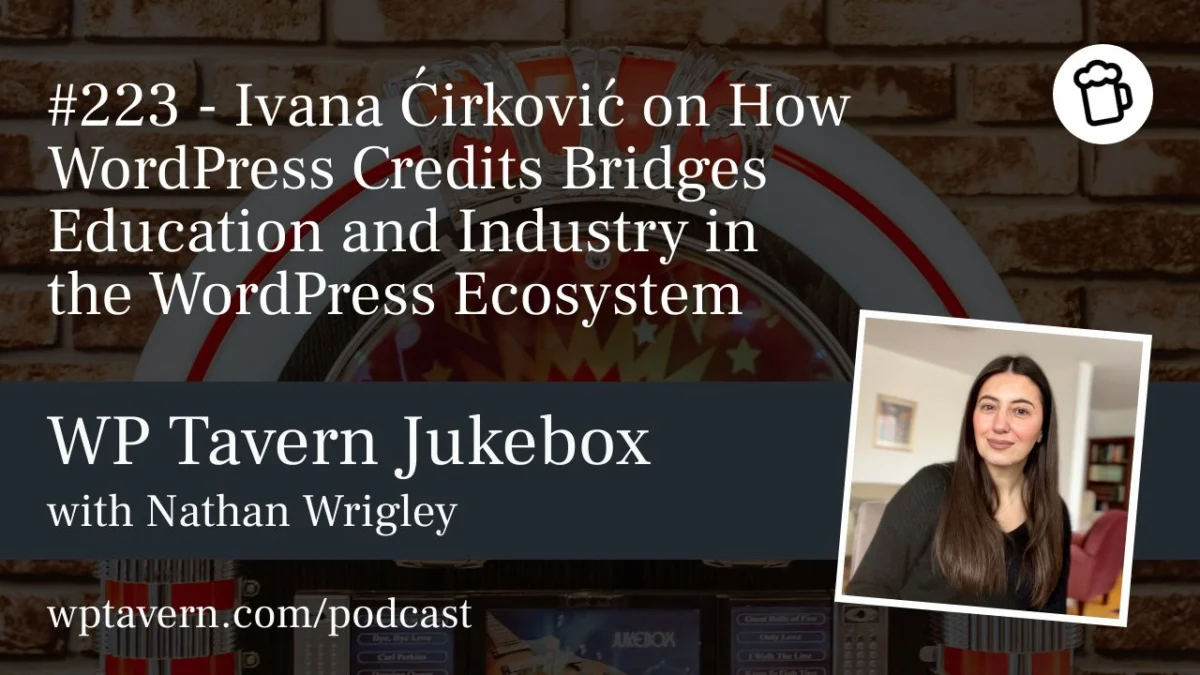
At the recent WordCamp Europe 2026, Ivana Ćirković, a digital marketer with 18 years of experience and a lead at WPBakery, sat down with the WP Tavern Jukebox Podcast to discuss the initiative’s potential to reshape the WordPress landscape.
The Genesis of WordPress Credits: An Educational Imperative
The WordPress Credits program was officially launched in late 2025 as a response to a critical need: the replenishment of the WordPress contributor pool. As the core community ages, the "fresh blood" required to sustain the platform’s momentum has become a subject of industry-wide concern.
"The program is initially made to bring new, young people into WordPress to broaden the ecosystem," explains Ćirković. By partnering with universities worldwide, the initiative allows students to engage in real-world tasks—such as translation, documentation, and development—as part of their academic requirements.
Unlike theoretical coursework that often lags behind market trends, the WordPress Credits program offers students a direct line to modern digital practices. Participants earn certifications for their contributions, which are tracked transparently via their official WordPress.org profiles. This provides students with a verifiable portfolio that serves as a powerful differentiator in a competitive job market.
A Symbiotic Ecosystem: The Role of Businesses
While the initiative is inherently educational, its true strength lies in its potential to function as a bridge between academia and industry. Historically, agencies and plugin developers have struggled with the "onboarding tax"—the time, money, and energy spent training junior developers or marketers on the intricacies of the WordPress ecosystem.
Reducing the Onboarding Friction
According to Ćirković, the average onboarding process for a new hire in a web agency can take anywhere from three to six months. WordPress Credits addresses this directly. Students who complete the program are already familiar with essential tools like Slack, the nuances of remote work, and the standard operating procedures of open-source contribution.
"Businesses supporting the WordPress Credits initiative can choose those students and spend less time and energy in onboarding them because they have already gone through the program," Ćirković notes. For a small agency, this is a transformative value proposition, shifting the burden of initial training from the business owner to the structured mentorship of the foundation.
Shaping Future Talent
Beyond operational efficiency, the program offers businesses a unique opportunity to influence the quality of their future workforce. By serving as mentors, industry professionals can identify high-potential students who demonstrate exceptional aptitude and cultural fit, effectively creating a "pipeline of talent" that is already vetted through hands-on, real-world contributions.
The Mechanics of the Program: How it Works
The structure of the WordPress Credits program is intentionally rigorous to ensure that students are not merely "dabbling," but achieving measurable outcomes.
Mentorship and Accountability
The program relies on a robust mentorship model. Mentors work with students on a weekly basis, guiding them through specific tasks. Whether a student chooses to focus on the Polyglots (translation) team, documentation, or core development, they are required to meet strict benchmarks.
For instance, in the translation track, a student is not just expected to translate 150 words; they must have 150 approved strings. This implies that they may have translated significantly more to reach that threshold, ensuring that the contribution is of high quality and actually beneficial to the community.
Accountability and Attrition
The program does not coddle participants. If a student fails to engage—missing meetings or failing to communicate for three consecutive weeks—they are removed from the program. This "accountability culture" mirrors the professional world, where results and communication are the primary drivers of success. It ensures that those who graduate from the program have developed the self-discipline and professionalism required in a distributed work environment.
Implications for Universities and Students
For higher education institutions, the partnership with the WordPress Foundation offers a pathway to modernize curricula without the typical bureaucratic lag associated with changing university programs.
Why Students Choose WordPress
Students today are inundated with options, yet many struggle to find practical application for their studies. The WordPress Credits program offers:
- Modern Curriculum: Learning tools and workflows that are currently being used in the industry, not just historical theory.
- Networking: The opportunity to collaborate with peers from across the globe, breaking the isolation of traditional classroom settings.
- Visibility: A public, permanent record of their contributions on WordPress.org, which acts as an open-source resume.
"Students learn to be outspoken. They learn to use all the necessary remote work tools that are applicable across the industry," says Ćirković. By aligning with university degree programs, the WordPress Foundation ensures that these contributions are not just extracurricular hobbies, but recognized academic achievements.
Challenges and Future Growth
Despite its promise, the initiative is still in its infancy. As Ćirković admits, there is currently no "off-the-shelf" system for agencies to plug into, and the business-side framework is still being developed.
The "Older Demographic" Dilemma
A recurring theme during the interview was the aging demographic of the WordPress community. For years, the community assumed that the platform’s popularity would naturally attract younger generations. However, the rise of TikTok, YouTube, and mobile-first platforms has diverted the attention of the next generation.
"We need to meet young people where they are," Ćirković stresses. "They don’t care about websites in the way we do. They are on very specific social media channels. If we want to get fresh, new, young blood, we need to go there and present what we do in a way that matters to them."
A Five-Year Vision
Looking toward the next five years, the goal for the WordPress Credits initiative is not just to increase the number of users, but to fundamentally shift the community’s makeup. Success will be measured by a visible influx of younger contributors at WordCamps, an increase in the number of universities formally adopting the curriculum, and a standardized, seamless pipeline for businesses to recruit directly from the program’s graduates.
Final Thoughts: Passing the Baton
The WordPress Credits initiative represents a pivotal moment for the WordPress Foundation. It is a recognition that for the project to survive the next two decades, it must evolve from being a "community of the same faces" into an institution that actively invites and trains the next generation.
By bridging the gap between the university classroom and the reality of the tech industry, the program provides a blueprint for sustainable growth. It offers students a way to gain professional-grade skills, universities a way to stay relevant, and businesses a way to secure their future workforce.
As Ivana Ćirković aptly concluded, the future of WordPress will not be determined by AI or flashy trends, but by people. By investing in these students today, the community is ensuring that when the current generation is ready to "pass the baton," there is a talented, trained, and passionate group ready to carry it forward.
For those in the industry, the message is clear: the most effective way to ensure the future of WordPress is to start mentoring it today.