In an era where digital saturation feels inevitable, many midlife professionals and business owners operate under a paralyzing misconception: that the "YouTube gold rush" ended years ago and that success is reserved for the bubbly, camera-ready influencers of the early 2010s.
However, YouTube growth coach Ty Myers argues the opposite. For business owners, YouTube is not a talent competition; it is a sophisticated search-and-discovery engine. When you strip away the pressure to be an "entertainer," you are left with the core function of the platform: connecting a specific person’s problem with a proven solution. For those with decades of experience in sales, consulting, or specialized trades, this is a distinct competitive advantage.
This article outlines the strategic framework required to launch, scale, and monetize a YouTube channel from scratch, even if you are starting from zero today.
The Strategic Foundation: Why Expertise Outweighs Charisma
The most common hurdle for new creators is the belief that they lack the "personality" required to succeed. Ty Myers emphasizes that viewers are not searching for comedy; they are searching for competence.
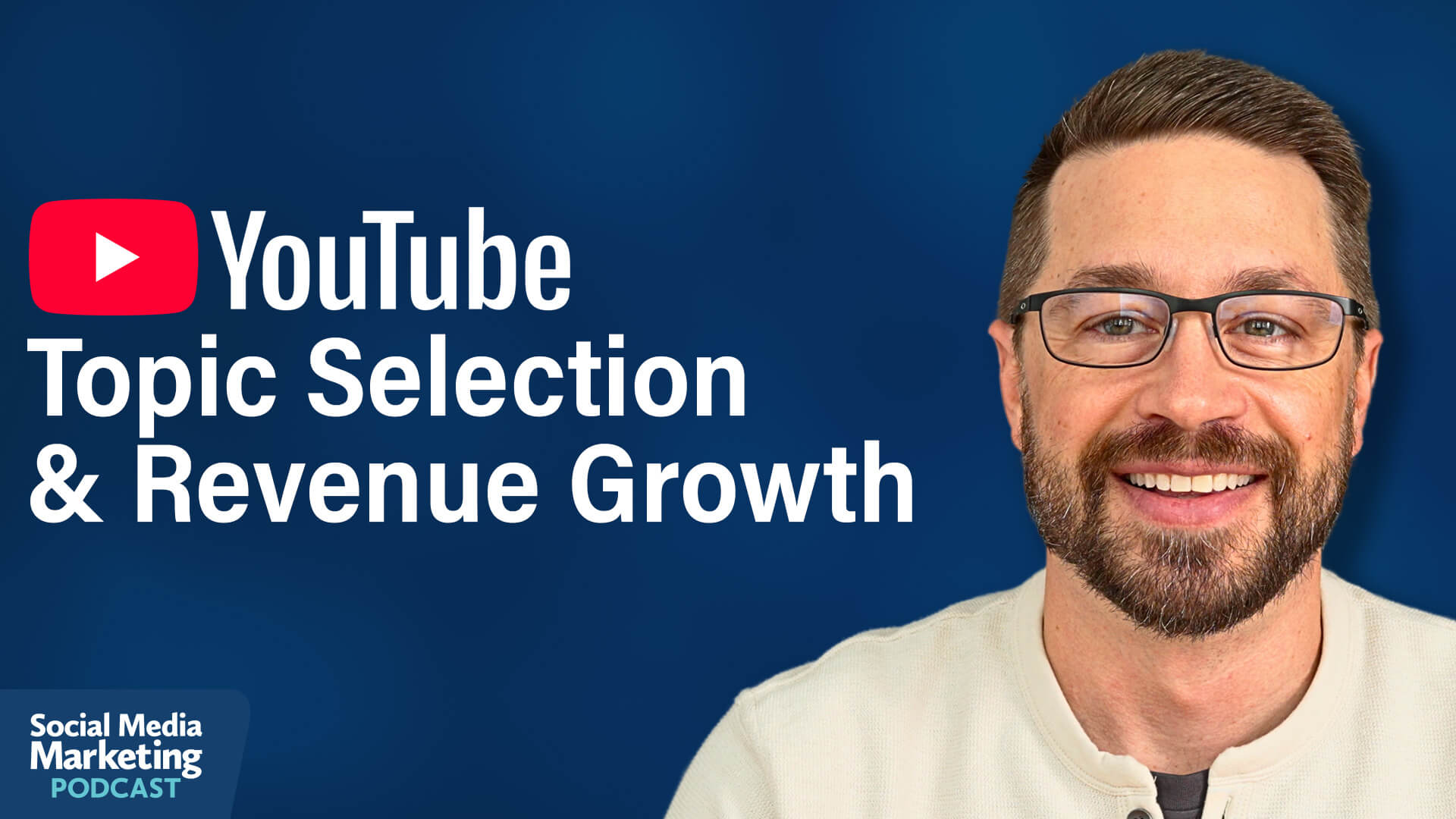
"What actually matters is understanding a specific viewer’s problem and communicating a solution clearly enough that the viewer feels heard," Myers explains. Your professional background—the years spent refining your craft—provides the raw material for content that actually moves the needle. If you can explain complex problems simply and offer actionable advice, you have already cleared the highest barrier to entry.
The Four Pillars of a Sustainable Channel
Myers breaks the startup process into a disciplined, four-phase lifecycle designed to prevent the "burnout and abandonment" cycle common among new creators.
- Define Goals and Mission: Before filming a single frame, you must identify your "why." Are you seeking to generate high-intent leads for a consulting practice, build a brand around domain expertise, or sell a digital product? Ambiguity is the primary killer of channel growth; trying to serve everyone typically results in serving no one.
- Define the Avatar: Success on YouTube requires surgical specificity. Who exactly are you helping? What are their fears, desires, and specific pain points? The algorithm is a pattern-matching machine; by clearly defining your target audience in your metadata, titles, and spoken words, you help the platform identify exactly who should see your content.
- The "Rep" Phase: Perfectionism is a liability. Myers suggests that the first 15 videos are essentially "practice reps." During this stage, focus on volume and consistency. It is only after these initial videos that a creator typically finds their rhythm and authentic on-camera persona.
- The Pivot to Strategy: Once the workflow is established, the focus must shift from creating to analyzing. This is the stage where you move from uploading videos to understanding YouTube as a distribution system. This involves studying high-performing channels in your niche to discern what makes their content resonate.
Pre-Production: The 80/20 Rule of Content Success
One of the most critical revelations for any aspiring YouTuber is the hierarchy of production value. Many creators mistakenly pour their energy into high-end lighting and editing, only to be disappointed by low click-through rates (CTR).
According to Myers, topic, title, and thumbnail account for 80% of a video’s success. A perfectly edited, high-definition video is effectively invisible if the packaging fails to capture interest.

Time Allocation Strategy
For a creator with a 10-hour weekly commitment, Myers recommends a strict allocation: 6 hours must be dedicated to pre-production. This includes:
- Keyword Research: Using tools like VidIQ to validate that your topic is one people are actively searching for.
- Title/Thumbnail Iteration: Drafting multiple hooks and visual concepts before finalizing the direction.
- The "Outlier" Analysis: Identifying videos in your niche that have outperformed the channel average and reverse-engineering their success.
The Power of Search Intent
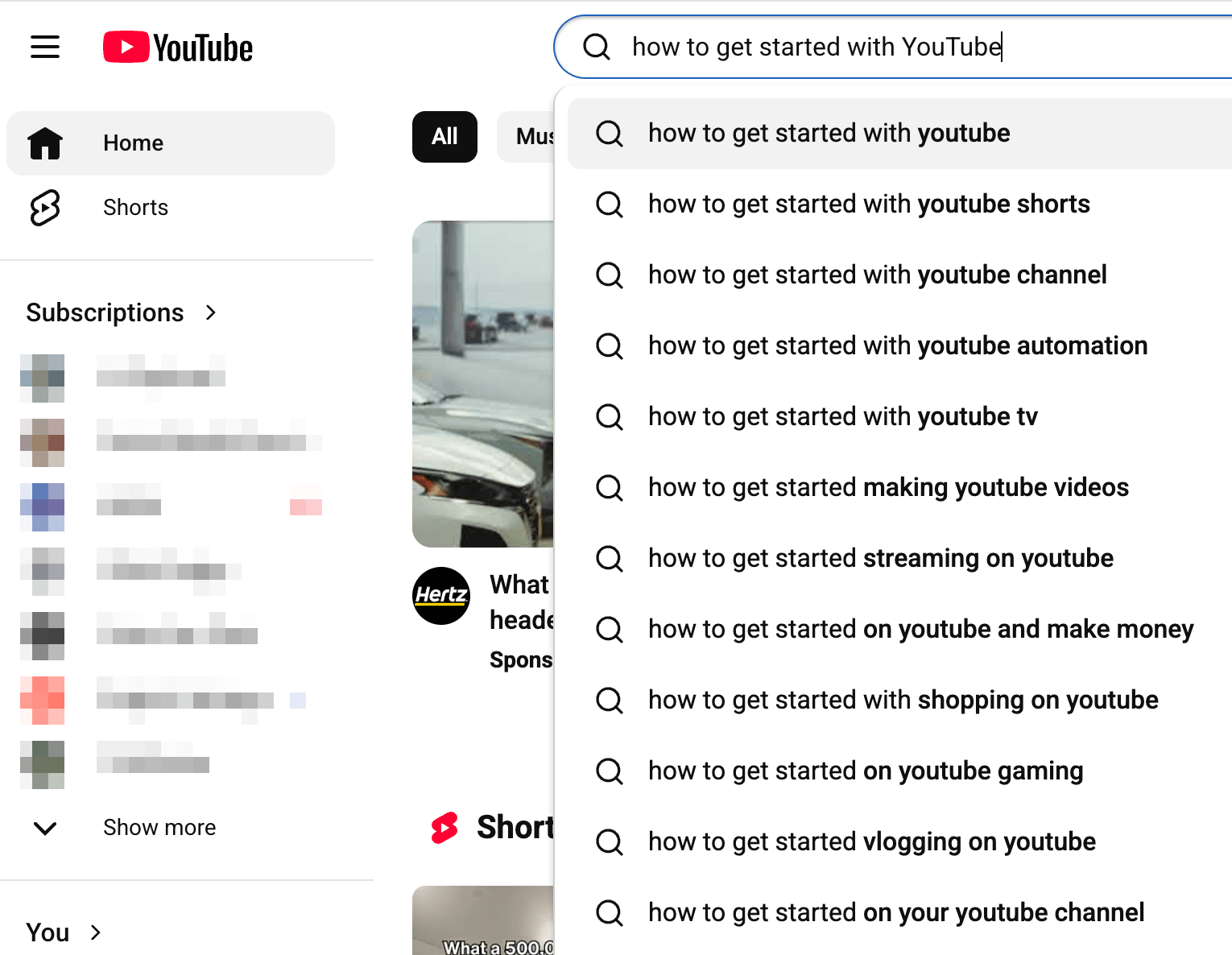
When identifying topics, do not rely on intuition. Use YouTube’s autocomplete function as a source of truth. As you type a topic into the search bar, the suggestions that appear are direct manifestations of real-world user queries. These suggestions are the most accurate roadmap for your content strategy.
Furthermore, look for "sustained interest" signals. If a topic has high search volume but the top results are five years old, you have found a market gap. If the top results are recent and continue to gain views, you have found a proven topic with an active audience hungry for a fresh perspective.
AI-Enhanced Production: Scaling Your Workflow
Technology has significantly lowered the barrier to professional-level research and scripting. Myers suggests a hybrid workflow using modern AI tools to maintain depth while increasing speed.
Deep Research and Scripting
- Google NotebookLM: This tool is essential for synthesis. By feeding it industry reports, academic articles, or complex source material, you can generate a structured summary that serves as the foundation for your script.
- Claude (AI Assistant): Myers uses Claude as an interactive interviewer. Instead of asking the AI to "write a script," he asks the AI to interview him. By answering questions about his personal experiences, specific client anecdotes, and unique analogies, he ensures the resulting script retains a human, credible tone that generic AI writing lacks.
The Anatomy of a High-Conversion Video
Once the camera is rolling, the first 30 seconds are the most valuable real estate in your business.
The Triple-Threat Hook
- Direct Address: Call out your target audience immediately (e.g., "If you are a consultant struggling to scale…").
- The Curiosity Gap: State a counterintuitive fact or promise a solution to a common pain point that challenges conventional wisdom.
- Credibility Markers: Briefly establish your authority. Share a specific result or a hard-won lesson that proves your time is worth the viewer’s investment.
Turning Views into Revenue
Monetization does not have to rely on AdSense. For business owners, the goal is to bridge the gap between free education and paid services.
- The Explicit CTA: A mid-roll call-to-action where you state that the concepts being discussed are the same ones you apply in your paid coaching or consulting sessions.
- The Implicit Signal: Weave references to your client work throughout your narrative. By discussing specific observations from your professional engagements, you naturally demonstrate your expertise, building trust that eventually leads to inbound inquiries.
The "End-Screen" Loop: Maximizing Session Duration
YouTube’s primary goal is to keep users on the platform. If your video ends with an outro and a "thank you," you are signaling that the session is over.
Myers recommends a different approach: the "open loop" transition. Never end a video with a conclusion. Instead, transition directly from your final point into a question or a "what’s next" segment that can only be resolved by clicking the next video in your series. By linking your videos into a continuous chain, you increase the viewer’s session duration, which the algorithm rewards with increased reach.

Equipment: Start Simple, Upgrade Later
The final barrier—the fear of needing a studio—is the easiest to dismantle. Modern smartphones are more than capable of capturing high-quality 4K video.
- The Non-Negotiable: Audio. A viewer will tolerate poor lighting, but they will click away within seconds if the audio is distorted or quiet. A $300 USB-C microphone (like the Shure MV7+) is the only essential investment for a day-one creator.
- The Setup: Utilize natural light from a window, diffused by a sheer curtain.
Conclusion: The Long Game
The journey of building a YouTube channel is not a sprint; it is an exercise in consistent, strategic communication. By shifting your mindset from "content creator" to "business educator," you can build a library of assets that works for your business 24/7.
As Ty Myers notes, the best time to start was years ago; the second-best time is today. Your audience is waiting for your specific expertise—provided you have the courage to hit record and the discipline to execute with strategy.