
Introduction: The Power of Narrative in Digital Advertising
In the hyper-competitive landscape of digital marketing, capturing consumer attention is only half the battle; maintaining it and guiding potential customers down the conversion funnel requires a structured, strategic narrative. While standard YouTube advertising formats excel at broad reach and high-level brand awareness, they often lack the sequential storytelling capability necessary to move an audience from initial discovery to active consideration and, ultimately, purchase.
Enter Google Ads video sequence campaigns. These powerful campaigns allow advertisers to show multiple video clips in a specific, predetermined order to individual viewers. By controlling the exact progression of a visual story, brands can build complex narratives, educate consumers, and drive robust awareness and engagement metrics.
Despite their effectiveness, video sequences remain one of the most underutilized formats in the Google Ads ecosystem. This comprehensive guide explores the core mechanics of video sequence campaigns, provides a step-by-step setup walkthrough, examines real-world execution strategies, and analyzes how to interpret performance results to maximize return on ad spend (ROAS).
Main Facts: What Are Google Ads Video Sequence Campaigns?
At their core, video sequence campaigns enable marketers to deliver a series of video ads to a single user in a strict chronological order. Unlike standard multi-video campaigns—where YouTube’s algorithm determines which asset to serve based on user behavior and optimization goals—sequence campaigns ensure that Step B only appears after Step A has been delivered according to predefined rules.
Key Characteristics of Video Sequences:
- Predetermined Progression: Videos are served in an exact, marketer-defined order.
- Ad Group Structure: Each step in the sequence functions as an independent ad group. If a campaign has four steps, it consists of four distinct ad groups.
- Bidding Limitations: Advertisers are restricted to Target CPM (tCPM) bidding, meaning you pay based on the number of impressions.
- Frequency Capping: To prevent ad fatigue and ensure broad reach, campaigns must implement frequency capping, limiting how often a single user can view the entire sequence (typically once every 7 or 30 days).
- Custom Step Transitions: For videos beyond the first step, marketers can trigger subsequent clips based on three distinct user interactions: Impressions, Views, or Skips.
While Google offers six distinct sequence-campaign templates designed for unique strategic purposes, mastering the foundational setup and tactical execution is essential before tailoring campaigns to specific marketing objectives.
Chronology: Step-by-Step Setup Guide
Building a video sequence campaign requires navigating a specific path within the Google Ads interface. Standard campaign objectives will often hide the required settings, making a precise setup procedure critical.

Phase 1: Campaign Initialization
- Navigate to Campaigns: Log into your Google Ads account and initiate a new campaign.
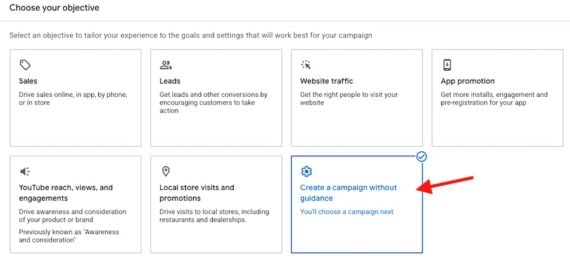
- Bypass Automated Guidance: Select the option labeled “Create a campaign without guidance.” This is a critical step; choosing pre-set objectives like "YouTube reach, views, and engagements" will hide the ad sequence feature.
- Choose the Campaign Type: Select “Video” as your campaign type.
- Select the Campaign Subtype: Choose the “Ad sequence” subtype from the available options.
Phase 2: Budget and Bidding Configuration
Once the subtype is selected, configure your campaign settings:
- Set Your Budget: Define your daily or total campaign budget keeping Target CPM bidding in mind.
- Apply Frequency Capping: Establish limits to control how frequently an individual user encounters your sequence. Common practices dictate setting caps to once every 7 or 30 days to balance message reinforcement with user experience.
Phase 3: Constructing the Sequence (Ad Group Level)
Each step in your sequence is built as an individual ad group containing:
- A designated video asset.
- A specific call-to-action (CTA).
- Tailored headlines and descriptions.
- A step transition rule.
For videos two and later, you must define the transition trigger. You can choose between:
- Impression: The next video fires simply because the user was served the previous video.
- View: The next video fires only if the user watched a specified portion of the previous video.
- Skip: The next video fires if the user chose to skip the previous video, allowing you to retarget or adjust your messaging for uninterested viewers.
Phase 4: Asset Optimization with Google Asset Studio
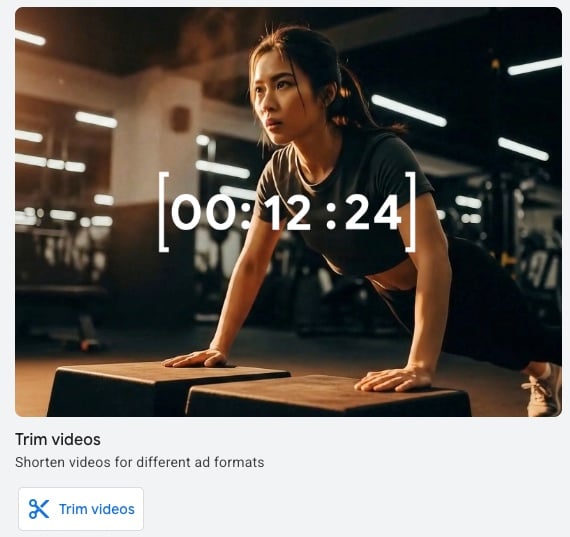
Marketers do not always need to produce entirely new footage for every step in a sequence. Google’s Asset Studio features a built-in “Trim videos” tool that allows creators to slice longer demo or brand videos into shorter, digestible segments suitable for different steps in a sequence. While Asset Studio also includes AI video generation capabilities, experienced media buyers often advise caution, recommending human-crafted or edited footage to maintain narrative authenticity.
Supporting Data & Real-World Example: The Yarbo Case Study
To understand how a video sequence campaign functions in practice, consider a hypothetical campaign by Yarbo, a manufacturer of advanced robotic lawn mowers.
Strategy 1: The "Introduce and Reinforce" Sequence
The Yarbo marketing team wants to build a campaign that first introduces the product to cold audiences and then drives immediate sales conversions during a promotional window. They take a comprehensive product demo video and use Asset Studio to split it into two targeted parts:
-
Step 1 (Introduction):
- Video Clip: The first half of the trimmed demo video.
- Headline: "Save Time."
- CTA: "Learn more" (links to the brand’s homepage).
- Objective: Introduce the product features to new viewers and encourage general exploration.
-
Step 2 (Reinforcement & Conversion):
- Video Clip: The second half of the demo video focusing on advanced capabilities.
- Headline: "Labor Day Sale."
- CTA: "Buy now" (links directly to the primary product purchase page).
- Objective: Capture high-intent users who engaged with the first video and drive immediate transactions.
By testing different headlines and landing pages across these ad groups, Yarbo can systematically optimize which entry points yield the highest conversion rates.
Strategy 2: The "Engage and Differentiate" Sequence
Alternatively, the Yarbo team could utilize the same core demo video to construct a four-step sequence utilizing 15-second clips. Each clip highlights a different unique selling proposition (USP)—such as winter snow-blowing capabilities, lawn-mowing precision, app integration, and safety features—creating a multi-touch educational journey that moves the consumer systematically through the consideration phase.
Official Perspectives and Industry Best Practices
Digital advertising experts emphasize that video sequences are fundamentally designed for demand generation and brand engagement, rather than direct-response performance out of the box. Because these campaigns rely on Target CPM bidding, success is measured differently than standard search or performance max campaigns.
Industry veterans stress the importance of creative discipline. For instance, if a marketer implements a sequence where 1,000 users see Step 1, but only 50 users progress to Step 4, the drop-off points provide invaluable diagnostic data about where the narrative failed to hold the audience’s attention.
Furthermore, advertisers must maintain strict control over frequency capping. Over-serving sequential ads to the same audience within a compressed timeframe can lead to severe ad fatigue, negative brand perception, and wasted ad spend.
Implications for Digital Marketers and Future Outlook
The deployment of Google Ads video sequence campaigns carries significant strategic implications for modern marketing teams:
- Shift from Interruption to Storytelling: Marketers must adopt traditional cinematic and narrative structures in their digital video strategies. Crafting effective sequences requires mapping out user psychology—anticipating what a viewer thinks, feels, or needs after watching the first ad before scripting the second.
- Cross-Functional Collaboration: Creating successful video sequences requires close alignment between media buyers, copywriters, and video editors. Because assets must be trimmed, synchronized, and paired with distinct headlines and CTAs, siloed marketing operations will struggle to execute effective campaigns.
- Refined Measurement Frameworks: Brands must move away from viewing video campaigns strictly through a last-click conversion lens. Embracing sequence-specific metrics allows organizations to accurately value upper-funnel touchpoints and understand the true customer journey across multiple interactions.
Interpreting Results: Key Metrics to Track
When evaluating the success of a video sequence campaign, marketers should monitor the following core performance indicators provided by Google Ads:
- Sequence Completion Rate: The percentage of users who watch the campaign from the first video through the final step.
- Step-to-Step Drop-Off Rates: Identifying precisely where users abandon the sequence to refine weak video assets or adjust transition triggers.
- View-Through Rates (VTR) and Impressions: Assessing the foundational reach and initial engagement of the primary ad groups.
- Post-Engagement Conversions and Clicks: Tracking downstream user actions, such as website visits, product page views, and direct purchases resulting from the sequential narrative.
Ultimately, Google Ads video sequence campaigns offer a sophisticated mechanism to break through the digital noise. By moving beyond randomized ad delivery and embracing structured, intentional storytelling, brands can forge deeper connections with their audiences, educate prospective buyers more effectively, and achieve superior awareness and engagement metrics in an increasingly crowded digital ecosystem.