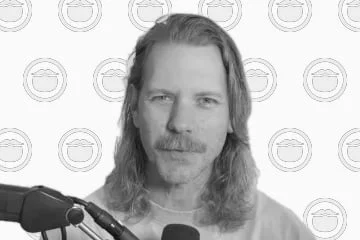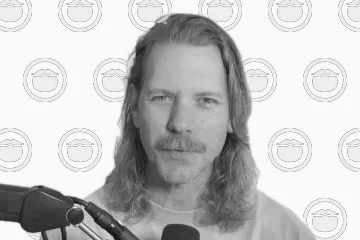
After a decade at the helm of Beardbrand, the direct-to-consumer (DTC) grooming brand that became a staple of the men’s lifestyle market, founder Eric Bandholz is taking a step back—not to exit, but to recalibrate. In a candid reflection shared via his latest podcast episode, Bandholz peels back the curtain on the post-pandemic struggles facing e-commerce entrepreneurs, the brutal math of rising operational costs, and his personal journey toward redefining success beyond the balance sheet.
For Bandholz, the last three years have served as a sobering masterclass in business resilience. While the company is finally seeing a return to revenue growth, the landscape has shifted in ways that make profitability more elusive than ever.
The Economic Reality: Rising Costs and Shifting Funnels
The current climate for DTC brands is characterized by a "death by a thousand cuts" scenario. Bandholz notes that Beardbrand is facing significant headwinds across every pillar of its operations.
The Cost of Acquisition and Production
The digital marketing landscape has matured into an increasingly expensive ecosystem. Advertising rates on Meta (Facebook and Instagram) continue to climb, forcing brands to spend more just to maintain their existing customer acquisition numbers. This inflationary pressure is compounded by rising costs in the supply chain. Manufacturing and production expenses have spiked, and logistics—specifically shipping—remain a volatile line item that eats directly into margins.
Adding to these logistical headaches is the departure of a long-term manufacturing partner. The company is now in the difficult position of finding a new producer that can match the quality and pricing structures of its predecessor—a task that has proven easier said than done in the current global market.
The TikTok Strategy and the "Halo Effect"
In the face of these challenges, Beardbrand has pivoted toward emerging channels. TikTok has emerged as a rare bright spot. While early efforts were experimental and prone to the typical "learning curve" mistakes, the platform is beginning to drive measurable sales.
Bandholz credits tools like Euka for helping the brand connect with authentic content creators, which in turn fuels the "halo effect." This phenomenon describes marketing that is difficult to attribute to a single source but creates a cumulative impact. A customer might discover the brand on TikTok Shop, browse products on Amazon, and finally complete their purchase on the official Beardbrand website. For Bandholz, understanding this non-linear funnel is critical for modern sustainability.
While Amazon sales are improving, the founder is clear-eyed about the requirements: to achieve true long-term viability, the company needs to triple its current volume on the platform.
A Chronology of Growth and Contemplation
To understand Bandholz’s current perspective, one must look at the timeline of the brand’s evolution.
- 2013–2019: The Formative Years. Beardbrand capitalized on the direct-to-consumer boom, building a community-focused brand that defined the "modern bearded man" aesthetic. During this era, Bandholz’s identity was inextricably linked to his role as an entrepreneur. Growth was the primary KPI.
- 2020–2022: The Pandemic Disruption. Like many e-commerce players, Beardbrand faced unprecedented volatility. Supply chain disruptions, shifts in consumer spending, and the sudden saturation of the digital ad market forced a period of intense reactive management.
- 2023–2024: The Strategic Realignment. Revenue began to recover, but the bottom line remained pressured. This period marked a turning point in Bandholz’s personal philosophy, moving away from "growth at all costs" to a more sustainable, balanced model of leadership.
The Human Factor: Redefining the Entrepreneurial Identity
The most compelling aspect of Bandholz’s recent reflections is his questioning of the "entrepreneurial addiction." After years of chasing nine-figure valuations, he is now challenging the narrative that professional success must be infinite to be meaningful.
Prioritizing the Personal
Bandholz’s recent shift in focus is not a sign of burnout, but rather a deliberate recalibration of his life’s architecture.
- Marriage and Partnership: Celebrating 20 years of marriage to his wife, Jen, was a milestone that highlighted the often-overlooked toll entrepreneurship takes on relationships. A recent trip to Norway served as a physical and mental reset, underscoring the importance of nurturing the foundations that exist outside the office.
- Health and Discipline: Bandholz has channeled his competitive drive into rowing. Training for a regatta in Michigan is more than a hobby; it is a way to push his physical limits and maintain the cardio health necessary to sustain his work-life pace at age 40.
- Fatherhood: With a son in grade school and a daughter approaching her teenage years, Bandholz is acutely aware of the "time window." He is choosing to be intentional with his parenting, recognizing that the growth of his children is a metric that cannot be audited or outsourced.
- Global Citizenship: In an effort to broaden his family’s horizons, Bandholz is exploring dual citizenship in Poland, drawing on his ancestry. This pursuit is as much about cultural exploration as it is about practical mobility, allowing him and his family to experience life in Europe for extended periods.
Implications for the DTC Industry
The broader implication of Bandholz’s shift is a message to the entire entrepreneurial community: the "hustle culture" that dominated the 2010s is no longer a viable blueprint for long-term satisfaction.
The Sustainability of Success
When a business stops being "fun" because the costs outweigh the returns, it becomes a liability rather than an asset. Bandholz argues that if an entrepreneur is already generating a comfortable income—such as $300,000 annually—the pursuit of an extra zero on the balance sheet at the expense of one’s health or family life is a poor trade-off.
The "big picture," according to Bandholz, involves moving toward a "better addiction": the addiction to building a life that is rich in meaning, health, and authentic relationships.
Conclusion: A New Blueprint
As Beardbrand navigates the complexities of rising production costs and the nuances of the digital funnel, its founder is modeling a transition that many entrepreneurs fear to make. By acknowledging that business growth is not the sole indicator of a successful life, Bandholz is providing a roadmap for sustainable leadership.
For his peers in the industry, the message is clear: The market will always present challenges, costs will always rise, and ad platforms will always evolve. However, the most important business asset is the person behind the brand. Protecting one’s health, nurturing one’s family, and maintaining a sense of self outside of the enterprise are not distractions from the business—they are the very things that make the business worth running in the first place.
As Bandholz continues to lead Beardbrand, his journey serves as a poignant reminder that while a company may be built to last, the entrepreneur’s life is finite. Prioritizing that life is the ultimate competitive advantage.