In the modern digital landscape, the volume of information produced daily can easily overwhelm even the most dedicated professionals. For the WordPress ecosystem—a massive, dynamic community encompassing core software updates, theme and block development, plugin releases, security patches, and community events—staying informed is a monumental task. RSS feeds multiply, newsletters crowd inboxes, and social media feeds move at breakneck speeds.
For developers, agency owners, and freelancers, keeping a pulse on this ever-shifting landscape is vital for business success. Anticipating a major core release or understanding shifts in the block editor can mean the difference between a smooth client deployment and a frantic troubleshooting session.
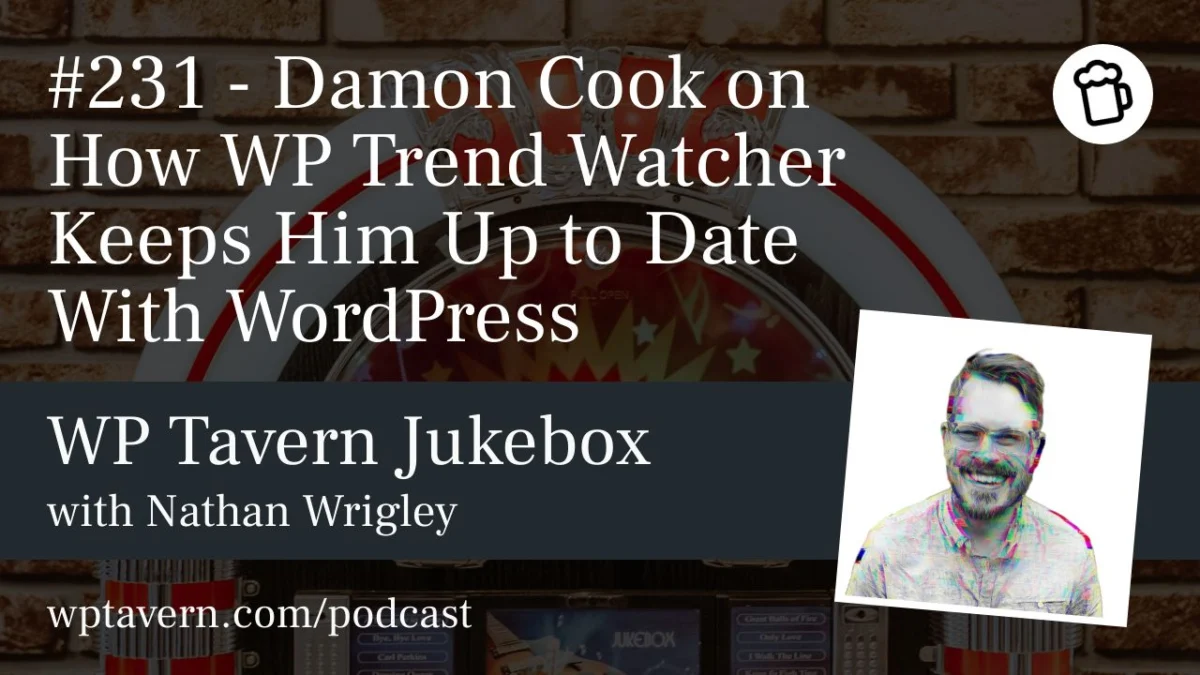
Enter WP Trend Watcher, an open-source tool created by longtime WordPress developer and community member Damon Cook. Designed to tackle the relentless deluge of WordPress news, WP Trend Watcher uses local artificial intelligence to process RSS feeds and summarize industry trends, all while firmly anchoring the final product in human judgment.
Main Facts: What is WP Trend Watcher?
WP Trend Watcher is an open-source, TypeScript-based utility designed to operate locally on a user’s machine. Developed by Damon Cook—a veteran of WordPress-centric agencies and the founder of freelance business Noma Digital—the tool is built to solve a very specific, personal problem: how to efficiently keep up with the vast amount of technical and community news generated by the WordPress project without spending hours manually parsing dozens of websites.
Key elements of WP Trend Watcher include:
- Local AI Integration: Utilizing tools like LM Studio, the application runs open-source language models locally, ensuring privacy and allowing developers to experiment with various AI iterations (such as Qwen models) within the limits of their hardware.
- Automated Aggregation: The script automatically polls a curated list of reliable WordPress RSS feeds, filtering out duplicate stories and superficial content.
- The "Human-in-the-Loop" Workflow: Eschewing full automation, the tool generates summaries that are then strictly audited, fact-checked, and expanded upon by Cook himself before publication.
- Public Transparency: Weekly reports are published via GitHub Pages, complete with notes detailing the exact AI models used and the amount of human review time invested.
Chronology: The Evolution of a Developer’s Tool
The genesis of WP Trend Watcher can be traced back to Cook’s long history within the WordPress ecosystem. Having spent over a decade working alongside WordPress agencies and contributing to the core project, Cook experienced firsthand the fragmentation of community news sources. Over the years, reliable platforms have evolved, and information has scattered across Trac, Make WordPress Slack channels, independent developer blogs, and social platforms.
From Manual Slog to AI-Assisted Curation
As the pace of WordPress development accelerated—particularly with the ongoing evolution of the Full Site Editing experience and rapid core release cycles like WordPress 7.1—the traditional method of opening dozens of browser tabs and manually scanning RSS readers became unsustainable.
Cook, who describes himself as having a near-obsessive fascination with cutting-edge AI developments, began tinkering with ways to streamline his news-gathering process. However, rather than building a fully autonomous, "hands-off" publishing machine, he drew a hard boundary between automation and intelligence.
By utilizing TypeScript and local AI runtimes, he engineered a pipeline that aggregates the news, drafts structured 20-word summaries using targeted developer prompts, and presents them in an administrative dashboard. From there, Cook engages in what he terms a "game of fact-checking"—clicking through the source links to verify the AI’s output, looking for missed nuances, and adding his own expert commentary at the end of each weekly report.
Supporting Data & Technical Architecture
The technical foundation of WP Trend Watcher reflects a growing movement toward local, privacy-conscious AI deployment. Rather than relying on cloud-based APIs that send proprietary or sensitive scraping data to third-party servers, Cook designed the tool to leverage local hardware capabilities.
Under the Hood
- Codebase: Built entirely in TypeScript, the project is hosted in a public GitHub repository (
colorful-tones/wp-trend-watcher), inviting developers to fork, modify, or contribute to its ongoing development. - Local Inference: Cook runs the application on an Apple Silicon Mac utilizing LM Studio, allowing him to experiment with models constrained by local memory limits (typically working within an 18GB memory threshold).
- Model Rotation: A unique aspect of Cook’s weekly workflow is his rotation of different open-source language models. By swapping between models—such as various iterations of Qwen and other compact open-weight architectures—he can directly observe how different neural networks interpret identical WordPress RSS data.
- Structured Output: The tool is prompted to evaluate articles through the lens of a developer and agency owner, filtering out duplicate coverage across multiple outlets and discarding non-deterministic, superfluous fluff in favor of hard facts.
Official Perspectives and Community Insights
The philosophy behind WP Trend Watcher speaks volumes about the broader cultural reckoning the tech industry is facing regarding artificial intelligence. During recent discussions on community podcasts, Cook candidly addressed the ethical and emotional complexities of using AI to curate content.
"It does make me feel cheap," Cook admitted when discussing the delegation of reading tasks to a machine. This self-awareness drives the project’s core requirement for radical transparency. By explicitly detailing the time spent auditing each report and disclosing the specific AI model utilized, Cook attempts to bridge the gap between machine efficiency and journalistic integrity.
The Danger of "AI-Wash" and Full Automation
Many creators in the tech space confuse automation with artificial intelligence, often setting up systems that scrape, summarize, and publish content without any human oversight. Cook deliberately rejected this path.
"I didn’t want to automate the whole thing… just go get RSS feeds, AI summarizes, AI publishes, just do it," Cook explained. He noted that relying solely on a 20-word AI summary often misses critical details buried deeper within source articles. By forcing himself to manually click through and read the underlying posts during the auditing phase, Cook ensures that the final briefing maintains genuine analytical value while helping the data actually register in his own memory.
Implications for Developers, Agencies, and the Future of Curation
As the digital publishing landscape continues to grapple with automated content farms and algorithmic noise, tools like WP Trend Watcher point toward a nuanced future for curation.
1. Empowering Freelancers and Agencies
For solo freelancers and small agency owners who lack dedicated research teams, keeping up with core architectural changes, deprecations, and plugin ecosystem shifts is an uphill battle. WP Trend Watcher demonstrates how lightweight, local AI tools can act as personal research assistants, dramatically cutting down the "dead time" spent searching for relevant news.
2. The Rise of Local, Sovereign AI
Cook’s reliance on local LLMs highlights a broader trend among developers who prefer keeping their data pipelines offline. As open-source models continue to shrink in size while growing in capability, tools that run locally on consumer hardware—without requiring costly cloud subscriptions or exposing workflows to third-party data collection—will likely become standard practice for technical professionals.
3. The Revaluation of the "Human-in-the-Loop"
Ultimately, WP Trend Watcher serves as a case study in how AI should augment, rather than replace, human expertise. The project proves that while AI is exceptionally good at parsing large corpora of information, filtering duplicates, and structuring raw data, it requires a human curator to provide context, intent, and critical judgment.
As we look toward future developments in AI-assisted knowledge management, projects like WP Trend Watcher suggest that the most trusted sources of information will not be entirely automated echo chambers, but rather hybrid creations—where human curiosity guides the machine, and machine scale empowers the human.