As the artificial intelligence landscape matures, the conversation among business leaders and creators has shifted dramatically. The era of casually prompting a chatbot for a quick draft is rapidly giving way to a more sophisticated paradigm: turning AI assistants into persistent, autonomous workers capable of handling complex, multi-step workflows.
Major tech platforms are aggressively overhauling their ecosystems to support this shift. From the deprecation of legacy custom GPTs and Gems in favor of conversational "Skills," to Google’s sweeping rollout of agentic video tools, voice assistants, and Workspace integrations, the rules of digital productivity are being rewritten.
Main Facts
The modern AI toolkit is undergoing a structural transformation aimed at reducing friction between human intent and automated execution.
- The Rise of "Skills": Platforms like ChatGPT and Gemini are reportedly phasing out traditional custom GPTs and Gems. They are replacing them with "Skills"—modular capabilities integrated directly into conversational interfaces, popularized by Claude’s slash-command functionality.
- Autonomous AI Employees: Industry experts emphasize that achieving real ROI from AI requires moving past casual task-based chatting. Instead, businesses must build centralized "Business Brains" (organized repositories of brand voice, pricing, and workflows) to train persistent AI employees.
- Google’s Agentic Expansion: Google has introduced massive updates across its ecosystem. This includes turning Gemini Live into a voice-driven productivity agent, adding professional 4K video controls to Gemini Omni 1.1 Flash, and introducing agentic video understanding that slashes token usage by up to 88%.
- New Monetization Models: Meta has launched tiered subscriptions (Meta AI Core and Meta AI Premium) to monetize advanced generation capabilities, bundling them with verification and enhanced support across its core social platforms.
Chronology of Recent Developments
The past several weeks have marked a rapid acceleration in agentic AI capabilities across the tech sector, highlighting a timeline focused heavily on operational efficiency:
- Mid-2026 Shift to Skills: Following the productivity gains seen with Claude’s slash-command system, ecosystem signals revealed that ChatGPT and Gemini began sunsetting static custom GPTs and Gems. Users were urged to migrate instructions and reference files into dynamic, chat-built Skills.
- Google’s Hardware-to-Software Push: Google rolled out Gemini 3.5 Transcribe for advanced speech-to-text processing across 85 languages, embedding it into Gboard, AI Studio, and macOS applications. Concurrently, Google Pics integrated standalone AI image creation directly into Workspace apps like Docs and Slides.
- Advanced Visual AI Deployments: Google released Gemini Omni 1.1 Flash, granting creators first-to-last-frame interpolation and 4K output. Shortly after, Google deployed agentic video understanding across its Flash model family, allowing the AI to selectively inspect video keyframes rather than processing data at a flat, fixed rate.
- Meta’s Paid Tier Rollout: Meta formalized its monetization strategy by introducing Meta AI Core and Meta AI Premium subscriptions, offering tiered access to heavier media generation workloads alongside social media verified badges.
Supporting Data and Metrics
Data from recent enterprise deployments and platform releases underline why these technological shifts are occurring:
- Token Efficiency Gains: Google’s new agentic video understanding approach—where the AI actively determines which video moments to inspect—cuts token consumption by up to 88% and operational costs by up to 66%, while simultaneously boosting analytical accuracy by 7%.
- Workforce Adoption Gap: According to training programs led by industry specialists like Callan Faulkner (creator of the Automate to Accelerate program), over 20,000 businesses have found that while nearly all modern teams use AI daily, fewer than 10% have successfully transitioned from casual prompting to deploying automated, recurring AI workflows.
- Global Language Support: Google’s Gemini 3.5 Transcribe launch spans more than 85 languages, adapting dynamically to localized accents, formatting rules, and specialized industry vocabulary.
- Workspace Integration Reach: With Google Pics (powered by the Nano Banana model) rolling out across Docs, Slides, and upcoming Google Drive integrations, millions of corporate Workspace users gain native text-to-image and object-editing capabilities without switching tabs.
Official Responses and Industry Perspectives
Tech executives and automation pioneers have been vocal about the necessity of these upgrades, framing them as essential steps toward true human-AI collaboration.

Google representatives have emphasized that the transition toward agentic tools is designed to minimize manual oversight. By upgrading Gemini Live to execute multi-step workflows across Gmail, Spark, and Daily Briefs, Google aims to position its AI not merely as a conversational toy, but as a proactive coordinator capable of managing complex, cross-app administrative duties via continuous voice interaction.
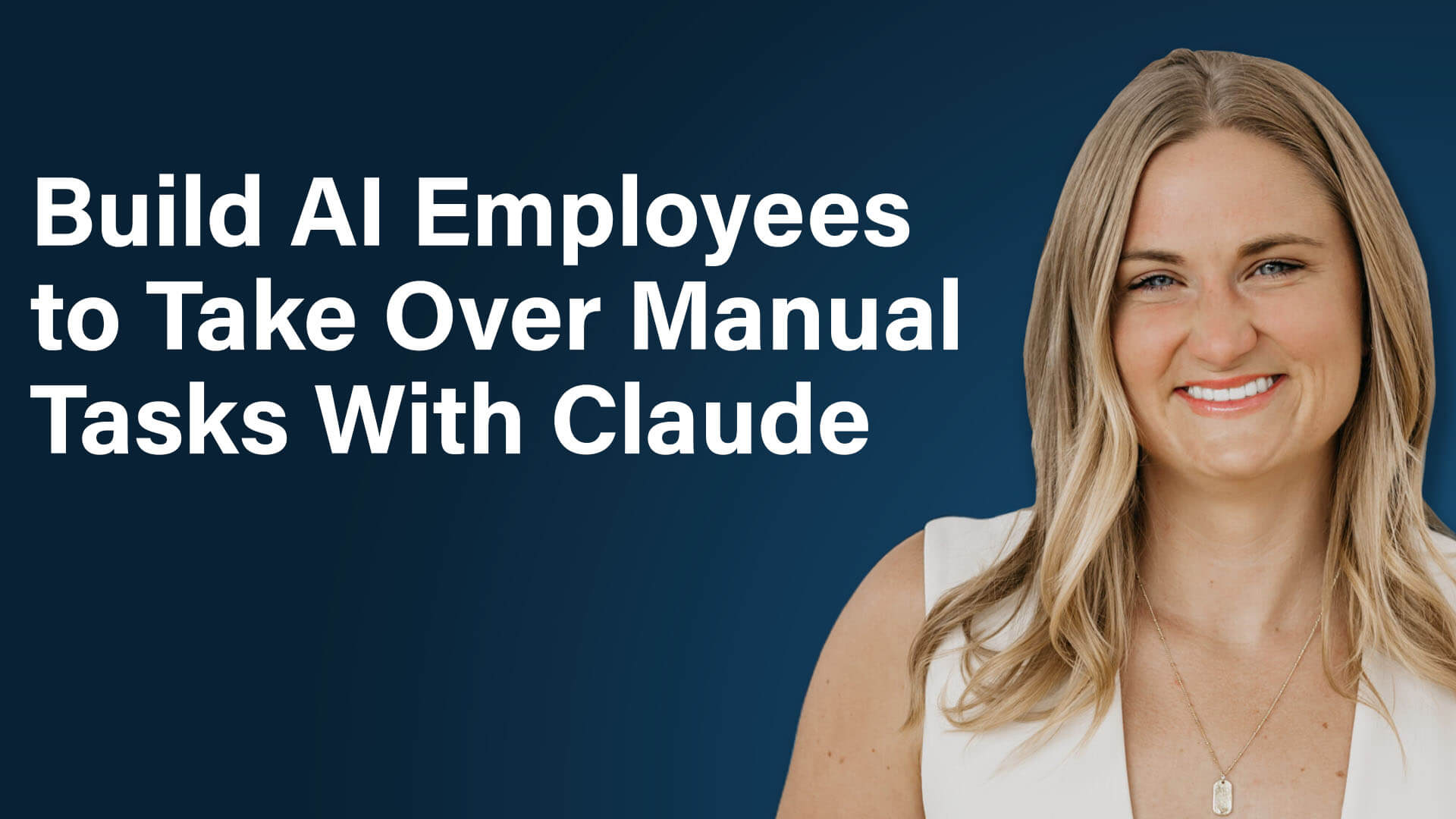
On the enterprise training front, experts stress that technology alone is insufficient without proper organizational foundations. Callan Faulkner, founder of The Uncommon Business, notes that messy repositories—such as disorganized Google Drives—are the primary bottleneck preventing businesses from scaling AI employees.
"Your AI can only work with what it knows," industry analysts observe. "A centralized, clean repository of your pricing, operational processes, and past successes is no longer optional; it is the fundamental prerequisite for automated execution."
Implications for Businesses and Marketers
The convergence of Skills, agentic workflows, and cheaper, more efficient AI models carries profound implications for organizations of all sizes.
1. The Death of Static Custom GPTs
Marketers and business owners who invested heavily in building legacy custom GPTs or Gemini Gems must adapt. Because platforms are favoring conversational, slash-command-activated Skills, users need to extract their legacy system prompts, knowledge files, and behavioral constraints. By feeding these assets back into modern conversational skill-builders, teams can ensure their custom tools remain compatible with evolving platform standards.
2. Moving From "Chatting" to "Employing"
The greatest competitive advantage no longer belongs to the individual who writes the best single prompt, but to the operator who builds repeatable systems. By treating AI like an employee—complete with onboarding documentation, a well-defined "Business Brain," and scheduled tasks—businesses can offload recurring administrative, creative, and analytical duties entirely.

3. Cost-Effective Visual and Video Workflows
With Google reducing token costs significantly through agentic video understanding and introducing professional-grade controls (like 4K output and scene extensions) in Gemini Omni 1.1 Flash, small marketing teams can now produce video content that previously required substantial post-production budgets. Similarly, the integration of Google Pics directly into Docs and Slides streamlines content creation, removing the friction of third-party design tools.
4. Subscription Consolidation
As companies like Meta introduce tiered subscriptions (Meta AI Core and Premium) that bundle AI generation capabilities with platform verifications, businesses must budget for AI not as an experimental software line item, but as core enterprise infrastructure essential for daily brand visibility and content output.

Conclusion
The message from the latest industry updates is clear: the honeymoon phase of artificial intelligence experimentation is over. As custom assistants morph into executable Skills, voice agents handle cross-app chores, and video models become hyper-efficient, organizations that build structured, trained AI systems will outpace those merely typing prompts into a chat box. The transition requires effort, but the payoff is an autonomous workforce capable of scaling human creativity to unprecedented heights.