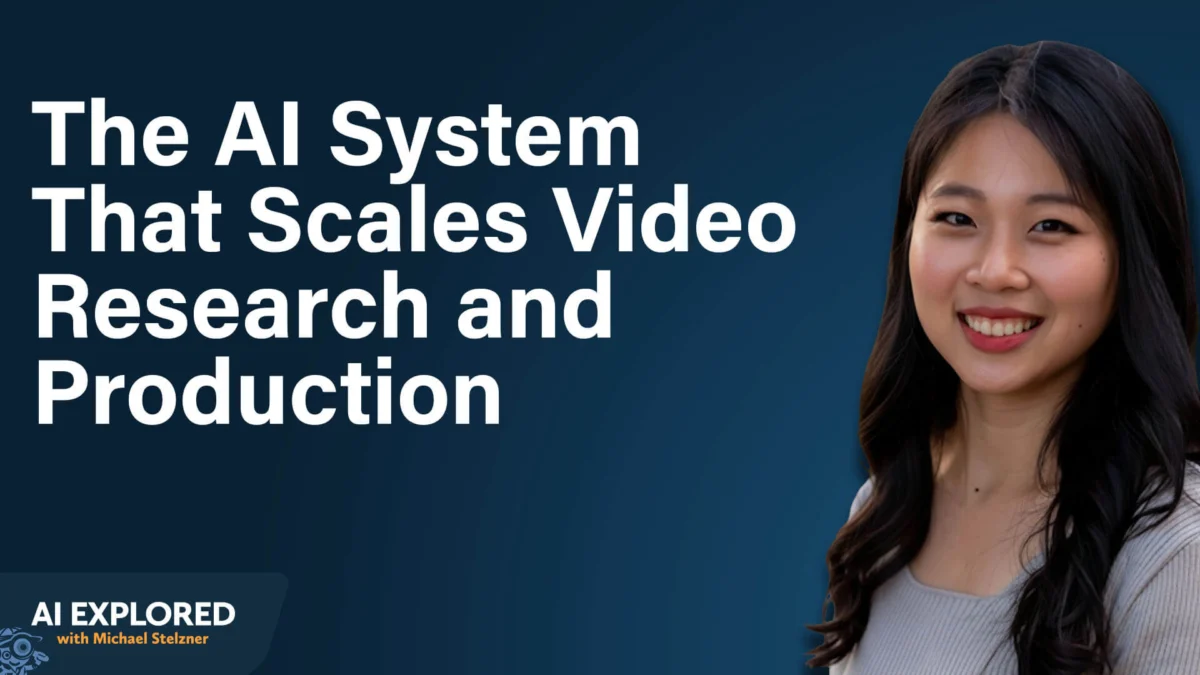
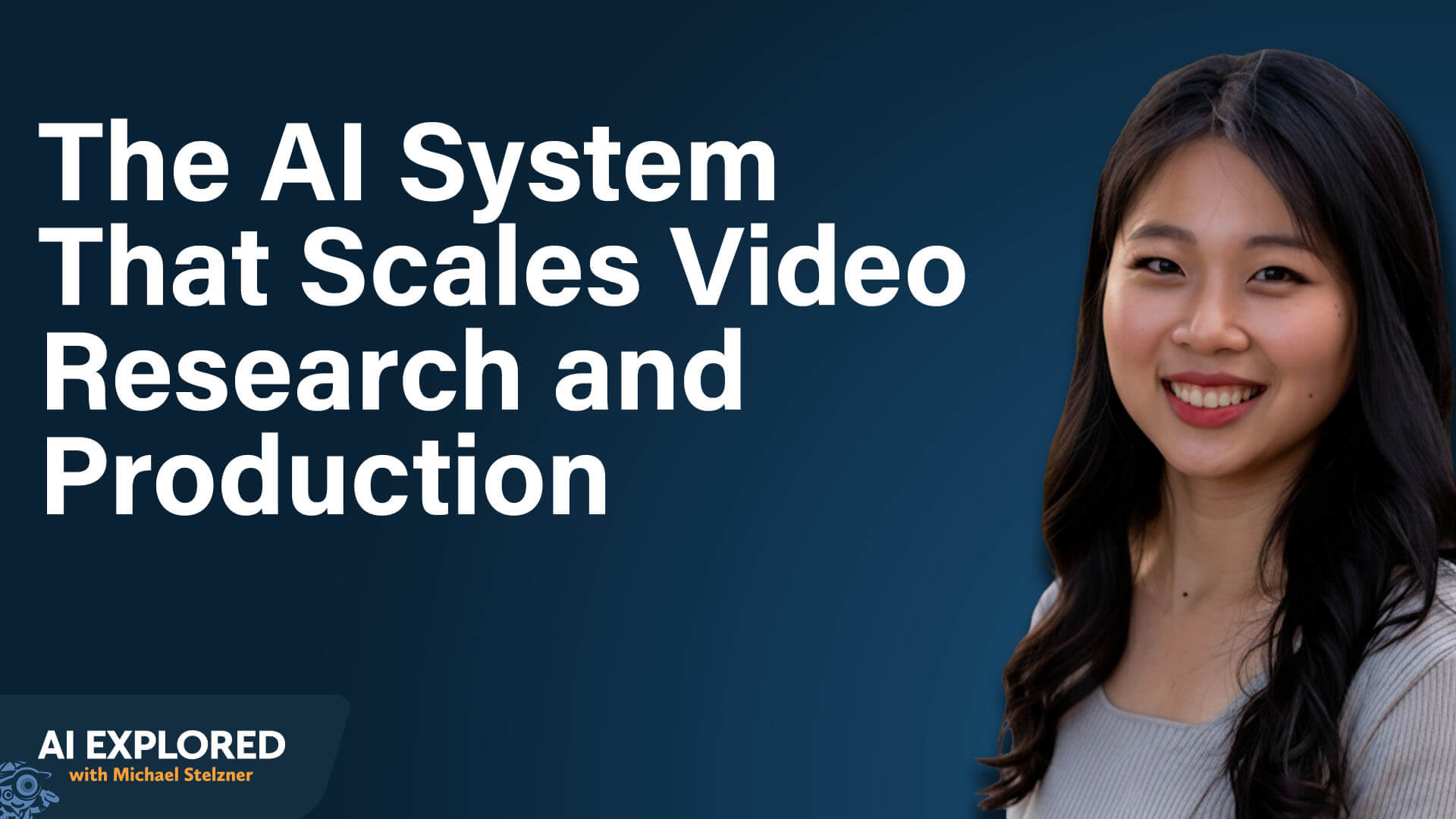
For many creators, the lifecycle of a video is a grueling, repetitive loop: brainstorming, scripting, filming, editing, and distributing—only to start the process over again. For Sandy Lee, a veteran content creator who scaled a language-learning channel to over 550,000 subscribers, this manual grind became unsustainable. Balancing a full-time career, client obligations, and the demands of raising three children under the age of seven, Lee realized that traditional content creation was no longer compatible with her life.
Her solution was not to quit, but to innovate. By leveraging Claude Code, Lee developed a sophisticated, automated system that identifies high-performing content, reverse-engineers its success, and generates scripts that retain her unique voice. The results have been transformative: in less than one month, Lee grew a new YouTube channel from 200 to 11,000 subscribers, generating $10,000 in revenue in the process.
The Evolution of the Content Workflow
The traditional model of content creation relies on intuition and exhaustive manual research. Creators spend hours scrolling through feeds, noting trends, and guessing what might resonate with their audience. Lee’s "Outlier Video Method" shifts this paradigm by delegating the heavy lifting of data analysis to an army of AI agents.
The system is structured as a hierarchy of seven AI agents and sub-agents. Much like a digital production company, the "senior" agents manage high-level strategic decisions, while the "junior" sub-agents handle granular tasks, such as analyzing thumbnail effectiveness, drafting script structures, and optimizing video pacing.
This infrastructure allows Lee to bypass the "blank page" syndrome. The system provides her with a daily "outlier report," detailing precisely what is working in her niche and why, allowing her to focus her human energy on the one element AI cannot replicate: her authentic presence on camera.
Phase 1: Establishing the Brand Identity
Before any automation can occur, a foundation must be set. Lee utilizes a modified version of Ikigai—the Japanese concept of a "reason for being"—to define her content identity. She suggests that creators dedicate one day to deep introspection, answering four critical questions:
- What do you love?
- What are you exceptionally good at?
- What does the world currently need?
- What are people willing to pay for?
By identifying the intersection of these four pillars, creators can pinpoint their unique value proposition. Crucially, Lee emphasizes that this step must be performed manually. AI is a tool for execution, but the "soul" of a brand must originate from the creator. Once these insights are documented, they are fed into an AI system to generate two vital assets: the Ideal Customer Profile (ICP) and Content Pillars.
The ICP details demographics, specific pain points, and search behaviors, while the content pillars serve as a guardrail for every future video. Every piece of content produced must map back to these pillars, ensuring consistency and audience trust.
Phase 2: The Data-Driven Research Engine
The core of the Outlier Video Method is the identification of "outliers"—videos that perform significantly better than a channel’s typical baseline.
Lee’s system, built with Claude Code and integrated via automation platform n8n, monitors a curated list of ten top-tier channels in her niche. Every 48 hours, the system calculates an "Outlier Score" for new uploads using the following formula:

(Video Views in First 48 Hours ÷ Channel’s Average Views in First 48 Hours) × 100
A score exceeding 100 indicates that a video is outperforming the channel’s norm. This is a critical distinction in data science; a video with 500,000 views might be standard for a massive creator, but a video that achieves 50,000 views for a channel that typically sees 5,000 is a statistical outlier. The latter provides actionable intelligence regarding what topics or formats are currently capturing market interest, independent of the creator’s existing reach.
Phase 3: Reverse-Engineering Success
Once the system flags an outlier, it triggers an analytical workflow. The AI dissects three primary components of the video:
- The Thumbnail: Analyzing visual hierarchy, color theory, and layout.
- The Evaluating curiosity gaps and value propositions.
- The Hook: Deconstructing the first 30 seconds to identify the specific psychological trigger used to retain viewers.
By deconstructing these elements, the system produces a summary that explains why the video succeeded. This allows the creator to model their own content after proven successes without engaging in "copycat" behavior. Instead, they are learning the underlying mechanics of engagement.
Phase 4: Scripting with Authenticity
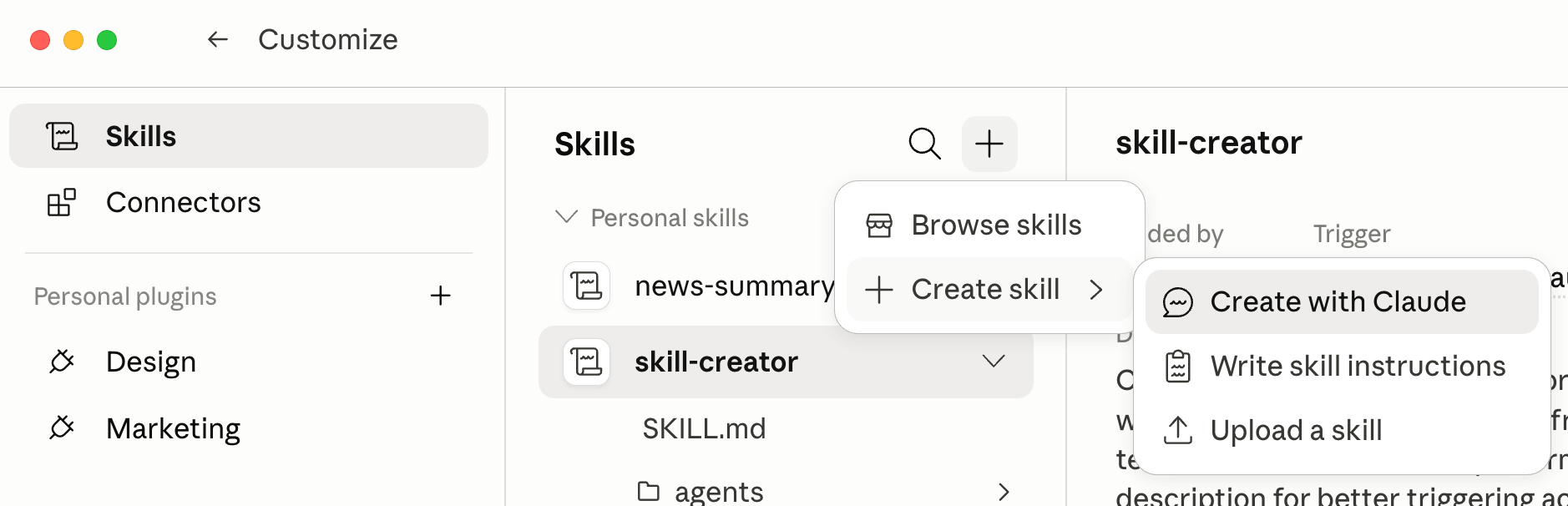
The final stage of the workflow is the generation of a script. Using a specialized Claude Code skill, the AI synthesizes the insights from the outlier analysis with Lee’s brand voice, ICP, and content pillars.

The goal is to maintain the successful structure of the original video while injecting the creator’s specific persona and expertise. Lee utilizes a rigorous seven-part hook formula to ensure that the critical first minute of the video is optimized for retention:
- The Pattern Interrupt: A visual or auditory shift to stop the scroll.
- The Promise: Explicitly stating what the viewer will gain.
- The Proof: Establishing credibility (why should they listen to you?).
- The Pain Point: Validating the struggle the viewer is experiencing.
- The Solution: Introducing the core topic.
- The Roadmap: Giving the viewer a preview of the steps ahead.
- The Transition: Moving into the main body of the content.
Implications for the Creator Economy
The implications of the Outlier Video Method extend far beyond simple efficiency. By offloading research and formatting, creators can shift from being "content farmers"—who produce volume at the expense of quality—to being "content architects."
However, this transition requires a shift in mindset. Many creators fear that AI will sanitize their voice or result in homogenized content. Lee’s experience suggests the opposite: when the "grunt work" of research is automated, the creator has more time to refine their storytelling, deepen their analysis, and engage with their community.
Furthermore, this system democratizes high-level strategy. In the past, only large media companies had the resources to employ researchers and data analysts to optimize content. Today, a solo creator with a well-configured AI stack can compete with established brands by making data-informed decisions in real-time.
Conclusion: The Future of Production
The Outlier Video Method is not a replacement for human creativity; it is an exoskeleton for it. By integrating AI into the research and planning phases, creators like Sandy Lee have proven that it is possible to achieve rapid growth without sacrificing personal well-being.
As AI continues to evolve, the distinction between "successful" and "struggling" creators will likely come down to their ability to build systems that automate the repetitive, allowing them to focus on the human connection that keeps audiences returning. The era of the "grind" is ending, replaced by an era of strategic, data-empowered creative output.