
In the sprawling, decentralized landscape of the modern internet, few topics generate as much polarized discourse as the viability of blogging as a profession. For every aspirational creator dreaming of a laptop-lifestyle, there is a cynical observer dismissing the craft as a saturated relic or, worse, a predatory pyramid scheme.
The reality of the industry is far more nuanced. While the era of "get-rich-quick" blogging is largely a myth manufactured by marketing gurus selling "how-to" courses, the potential for building a sustainable, long-term business through content creation is not only real—it is thriving. However, transitioning a digital diary into a professional enterprise requires a departure from the "easy money" narrative and an embrace of grit, strategic agility, and long-term commitment.
Main Facts: The Reality of the Blogging Economy
The blogging industry is currently defined by a "middle-class" of creators who have moved past the hobbyist phase to build legitimate, revenue-generating platforms. The fundamental truth about blogging in the 2020s is that it is no longer just about writing; it is about media management, community building, and diversified income streams.
The Myth of the Passive Income
A persistent misconception is that blogging is a "passive" income stream. This narrative suggests that once a post is published, it generates revenue indefinitely with no further effort. In practice, professional blogging is closer to running a small media startup. It involves:
- Constant Content Iteration: Keeping information current to maintain search engine authority.
- Technical Stewardship: Managing hosting, site speed, security, and user experience (UX).
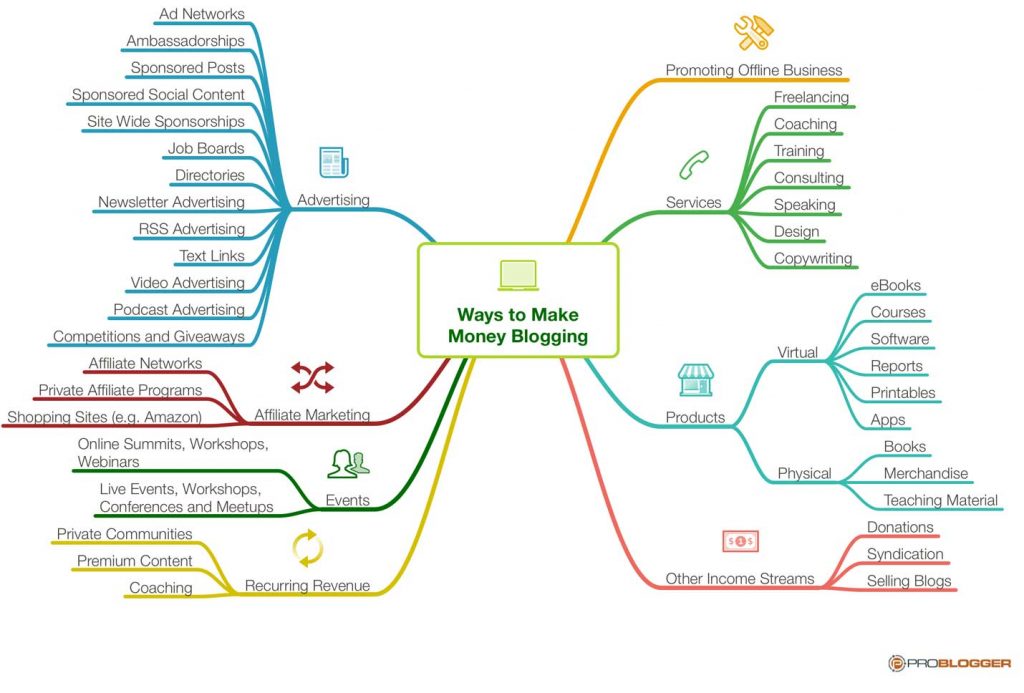
- Monetization Diversification: Relying on a single revenue stream—such as display advertising—is inherently risky. Sustainable bloggers typically layer revenue, combining affiliate marketing, digital products (ebooks, courses), consulting, and membership-based communities.
The Role of Authority
The most successful bloggers are those who solve specific problems for a defined audience. Whether it is a travel site helping families navigate budget trips or a woodworking blog providing blueprints for DIY enthusiasts, monetization is a byproduct of trust. When a creator becomes a trusted voice, the blog stops being a collection of articles and starts being a platform for commerce.
Chronology: The Evolution of a Monetized Blog
To understand the trajectory of a professional blog, one must view it not in weeks or months, but in years. The "overnight success" stories are statistical outliers; the norm is a slow, compounding build.

- Year 1: The Foundation Phase: This is the "wilderness" period. Most bloggers in their first year earn little to nothing. The primary focus is on establishing a niche, learning technical fundamentals, and producing content that actually serves a user’s intent.
- Year 2: The Traction Phase: If the creator remains consistent, this is often when the first "real" dollars appear. This might look like a few cents a day from ad networks or small commissions from affiliate programs. It is rarely enough to pay rent, but it validates that the content has value.
- Year 3-4: The Scaling Phase: This is the pivot point. Creators who treat their blog as a business begin to see exponential growth. They understand which topics resonate, which monetization methods work for their specific audience, and how to leverage their data.
- Year 5 and Beyond: The Professionalization Phase: By this point, the blog is an asset. The income often surpasses that of traditional employment, and the creator may move from being a "solo-preneur" to managing a small team of writers, editors, or virtual assistants.
Supporting Data: What the Numbers Tell Us
Data gathered from long-term surveys of the blogging community, including those conducted by ProBlogger, reveal a stark divide between those who dabble and those who build.
The Earnings Distribution
- The Hobbyist Tier: Approximately 10% of those attempting to monetize earn zero revenue, while nearly 30% earn less than 30 cents per day.
- The Part-Time Tier: Roughly 25-30% of serious bloggers reach a "supplemental income" level, generating enough to cover lifestyle costs or significant family expenses.
- The Professional Tier: A small but consistent segment—roughly 4-5%—achieves "full-time" status, earning six figures annually.
The Correlation Between Time and Income
The data shows a direct correlation between longevity and revenue. Among the highest-earning bloggers, over 85% have been active for at least four years. This serves as a cautionary tale for those entering the space expecting rapid results. The barrier to entry in blogging is low, but the barrier to profitability is high—it is protected by the sheer persistence required to outlast the initial years of low return.
Official Perspectives: Diverse Paths to Profitability
The "make money online" niche—those who teach others how to blog—often receives the most attention, but they are a minority in the broader landscape. Professional success is rampant across "standard" niches.
The Niche Diversity
Industry experts have observed that passion-based blogs often outperform industry-meta blogs. For example:
- Health and Wellness: Creators focusing on specific diets or fitness modalities often monetize through proprietary meal plans or private coaching.
- Hobbies and Crafts: Woodworking, photography, and gardening blogs often see high conversion rates through affiliate partnerships with niche tool manufacturers.
- Simple Living/Lifestyle: These creators frequently pivot toward book deals, speaking engagements, and subscription-based community platforms.
The common denominator is not the topic, but the utility. Every profitable blog provides a service—be it entertainment, education, or specialized product recommendations—that the audience finds valuable enough to reward with their time and money.
Implications: Building for the Future
For those considering the path of the professional blogger, the implications are clear: you must prepare for a marathon, not a sprint.
1. Stop Looking for "Formulas"
There is no "secret sauce" or guaranteed blueprint. Every successful blogger has a unique path defined by their voice, their audience, and their market. Products that promise a "guaranteed" income are almost universally marketing spin. True success comes from studying the principles—content quality, search intent, audience engagement—and applying them to your own unique niche.
2. Prioritize Action Over Passivity
If you are currently sitting on an idea, the single most important step is execution. The digital graveyard is filled with websites that were planned but never launched. The technical barrier to starting a blog is lower today than it has ever been; the challenge lies in the sustained commitment to produce content that matters.
3. Build an Asset, Not Just a Traffic Stream
Traffic is a vanity metric; revenue is a utility metric. A blog with 10,000 highly engaged, trusting readers is infinitely more valuable than a site with 100,000 casual visitors who bounce after reading a single article. The future of the industry lies in building deep, meaningful relationships with an audience, which in turn creates the leverage necessary to monetize effectively.
Conclusion
Is it possible to make a living from blogging? Yes. Is it easy? Absolutely not. The "digital gold rush" has matured into a sophisticated, highly competitive media industry. The bloggers who succeed today are those who have moved past the illusions of overnight wealth and have committed to the daily, arduous, and rewarding process of creating value. If you have the patience to build, the willingness to learn, and the discipline to execute, the opportunity for a professional, independent career in blogging is more accessible now than ever before.