In the modern digital landscape, the phrase "algorithm update" is enough to send a cold shudder down the spine of any independent digital publisher. For years, the formula for a lucrative content site seemed relatively straightforward: identify high-volume search queries through keyword research, churn out optimized articles, build topical authority, and monetize the resulting avalanche of organic traffic through programmatic display ads and affiliate links.
However, the rapid ascent of generative artificial intelligence, Google’s aggressive rollout of AI Overviews, and a series of core search updates have fundamentally upended this ecosystem. No one understands this seismic shift better than Carrie Forrest, the creator of the popular health and wellness platform Clean Eating Kitchen.
Appearing on a recent episode of the Niche Pursuits podcast, Forrest sat down with host Spencer Haws to unpack a sobering reality: how her flourishing, multi-six-figure food blog weathered an 80% traffic collapse, and the arduous, hands-on process of pivoting from a search-dependent publishing engine into a resilient, audience-first brand.
Main Facts: The Anatomy of a Digital Disruption
At its peak, Clean Eating Kitchen was the embodiment of the dream digital publishing business. Founded on Forrest’s personal health journey—which eventually inspired her to earn a master’s degree in public health and become a nutritionist—the site leveraged consistent search engine optimization (SEO) to attract nearly one million page views every single month.
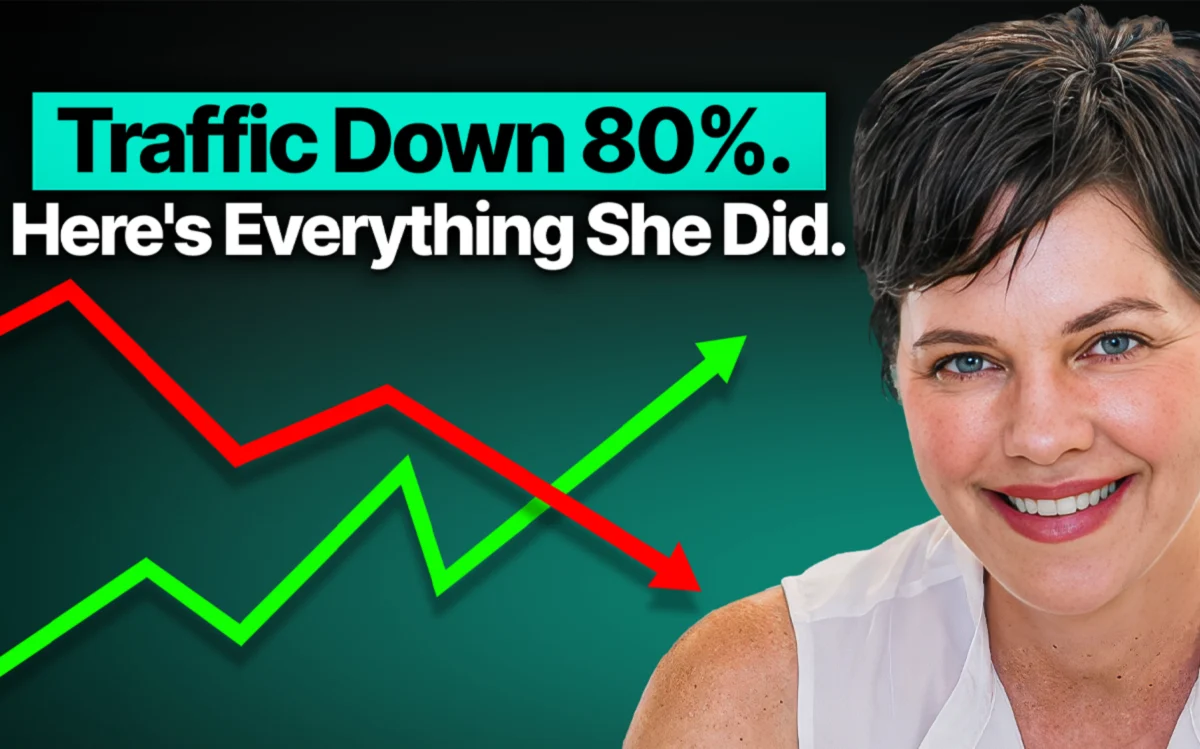
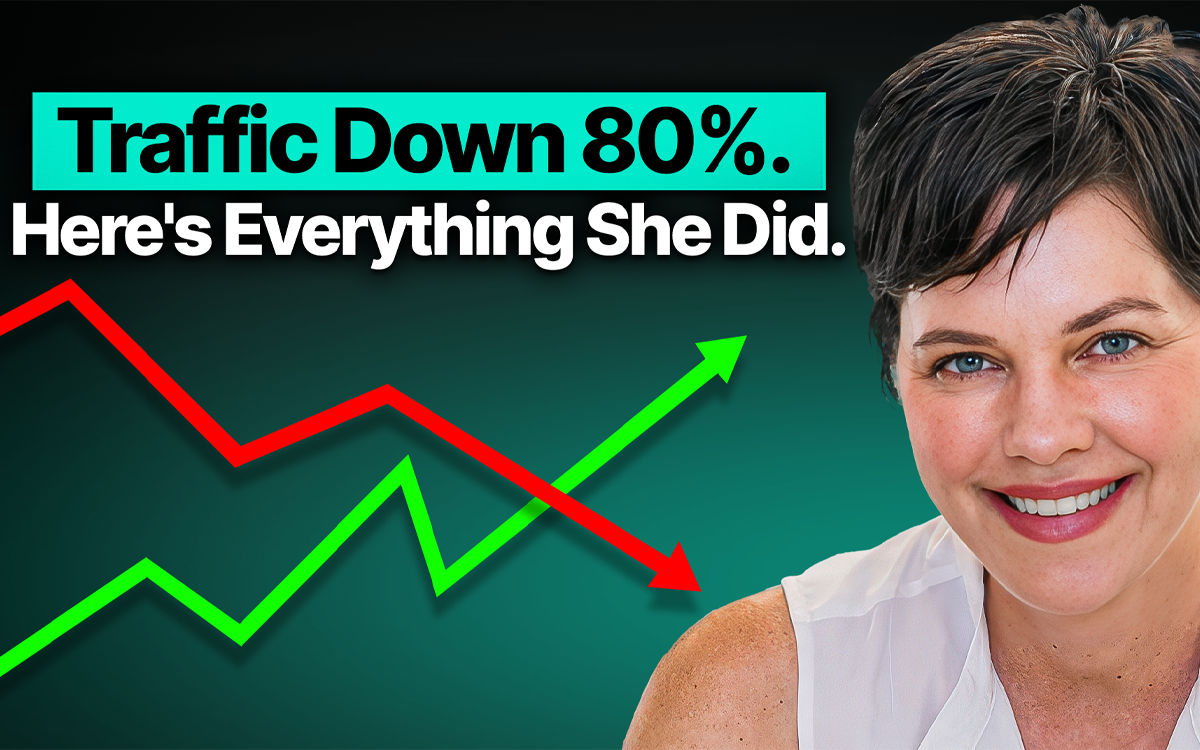
However, the introduction of AI-driven search features and sweeping shifts in Google’s algorithms drastically compressed organic click-through opportunities for independent websites. Forrest watched helplessly as her monthly traffic plunged by roughly 80%. Because approximately 90% of her revenue was directly tied to page-view-dependent display advertising (primarily through Mediavine), her income plummeted in near-perfect lockstep with her traffic losses.
- The Traffic Drop: Plummeted from nearly 1,000,000 monthly page views down to approximately 200,000.
- The Revenue Impact: Monthly ad earnings fell precipitously from a peak of $20,000–$30,000 down to a range of $4,000–$5,000, with Amazon affiliate income shrinking to a minor fraction of its former self.
- The Operational Shift: Forrest transitioned from a massive content operation supported by 13 subcontractors to a lean, highly personal brand where she writes and publishes the vast majority of content herself.
Despite these dramatic drops, Forrest’s business has not folded. Instead, she has transitioned away from the high-volume, low-intent "content mill" strategy of the past, opting instead to build direct, defensible connections with her core audience through email marketing, private brand partnerships, and targeted short-form video.
Chronology: From Search Boom to Algorithmic Bust
To understand the scale of Forrest’s current pivot, it is necessary to examine the timeline of her digital publishing career, which spans more than a decade and mirrors the broader evolution of the internet.
2009–2019: The Foundation and Search Era
Forrest began blogging in 2009, initially chronicling her personal health transformations. Armed with formal education in public health and nutrition, she established deep domain authority. During the height of the traditional SEO boom, her strategy was simple and remarkably effective: meticulous keyword research, consistent publishing schedules, and targeting terms with proven search demand. Even topics slightly tangential to her core brand performed exceptionally well because her site authority allowed new content to rank rapidly.
2020–2022: Peak Operations and Web Stories
During her appearances on industry podcasts and platforms like Niche Pursuits, Forrest’s business was operating at full throttle. This era was characterized by massive scale. In 2023 alone, Forrest and her team published or republished roughly 350 blog posts. During this period, Google’s "Web Stories" format served as a massive traffic engine, single-handedly driving hundreds of thousands of page views per month for roughly two to three years.
2023–Present: The Algorithmic Reckoning and Pivot
By 2023, the digital ground began to shift permanently. Web stories largely vanished from prominent placement in Google search results, prompting Forrest to eventually remove them from her index entirely. Concurrently, AI Overviews began siphoning away informational search traffic. Recognizing that the old search-only model was no longer viable or safe, Forrest initiated a sweeping contraction of her business. She slashed expenses, parted ways with her 13 subcontractors, and drastically reduced her annual output to roughly 50 deeply personal, high-quality posts.
Supporting Data: What Worked, What Failed, and What Remains
Forrest’s candid assessment of her monetization experiments provides a masterclass in transparency for digital entrepreneurs navigating a post-SEO world.
Failed and Underperforming Tactics
Throughout her transition, Forrest tested numerous strategies to recoup lost income, many of which yielded underwhelming results:
- Paid Workshops: While she successfully hosted workshops priced between $10 and $20, attracting 20 to 30 participants per session, the math ultimately did not scale. When factoring in preparation, delivery, and marketing time, a $300 revenue event felt disproportionately small for the labor involved.
- Tip Jars / Micro-Donations: Implementing a "Buy Me a Coffee" style tip setup generated less than $100 over the course of a full year, proving non-viable as a primary revenue line.
- AI-Generated Video: After attending a workshop on YouTube’s AI video generation tools, Forrest tested the technology. While the software was impressive, her audience responded poorly, and the automated format lacked the authentic connection she wanted to foster with her readers.
Emerging Growth Channels
Conversely, Forrest identified specific channels that are proving more critical and reliable than ever before:
- Email Marketing: Having built her subscriber list since 2014, Forrest now treats email as her primary lifeline. It provides a direct, algorithm-proof channel to communicate with readers, re-introduce older recipes, promote digital products, and share curated affiliate links.
- Private Affiliate Deals: Moving away from generalized low-commission programs like Amazon, Forrest established direct partnerships with aligned brands. These private deals offer commission structures of 20% or higher, providing significantly better margins for her traffic volume.
- Short-Form Video & Strategic Cross-Media Integration: Rather than treating content formats as isolated silos, Forrest now integrates written posts, short-form video clips on platforms like Instagram and YouTube Shorts, and email newsletters into a unified workflow. While short-form video views don’t always translate into direct clicks, they enhance brand visibility and lift surrounding content performance.
Official Responses and Industry Context
The struggles faced by Clean Eating Kitchen are far from isolated incidents. Across the digital publishing landscape, independent creators, niche site owners, and media outlets have sounded the alarm over plummeting organic visibility.
Search engine executives and industry analysts have defended these algorithmic shifts as necessary evolutions aimed at delivering faster, more synthesized answers directly to users via features like AI Overviews. Proponents argue that search engines must evolve to meet changing user habits, which increasingly favor immediate summaries over traditional blue links.
However, independent publishers and digital rights advocates have pushed back fiercely. Critics point out that scraping original publisher content to feed AI-generated summaries starves the very creators who produce foundational recipes, journalism, and expert advice. Without sustainable monetization models for original content creators, industry experts warn that the quality and diversity of the open web face an existential threat. Forrest’s journey serves as a real-world case study of what happens when a creator is forced to decouple their livelihood from the whims of search engine result pages.
Implications: The Future of Niche Publishing
The broader implications of Carrie Forrest’s story extend far beyond the food blogging niche. For years, the digital economy rewarded passive scale—publishing thousands of articles optimized for search engines to capture programmatic ad impressions. Forrest’s experience demonstrates that this model can no longer be treated as a safe or permanent foundation for a business.
1. The Death of Algorithm Dependency
Relying entirely on a single traffic source—whether it is Google search, social media algorithms, or platform-specific features—is a high-stakes gamble. Publishers must diversify their acquisition channels, prioritizing owned media such as email lists, SMS marketing, and direct community spaces where algorithms cannot suddenly suppress visibility.
2. The Premium on Authenticity and Expertise
As artificial intelligence makes it easier than ever to mass-produce generic informational content, search engines and readers alike are demanding genuine human expertise. Forrest’s background as a public health professional and nutritionist gave her brand a defensive moat; even with reduced traffic, her core audience values her distinct voice, personal story, and professional credentials—qualities that automated content generators cannot authentically replicate.
3. Leaner, More Profitable Operations
A massive traffic volume does not automatically equate to a healthy business. By shedding 13 subcontractors and scaling back her publishing volume from 350 posts a year down to 50, Forrest transformed her enterprise from a frantic, high-overhead publishing machine into a streamlined, sustainable boutique brand. By focusing on high-margin private partnerships and direct audience engagement, she has preserved a viable full-time income while drastically reducing operational stress.
Conclusion
Carrie Forrest’s pivot from a search-driven traffic titan to a resilient, community-focused digital brand is a sobering yet deeply inspiring narrative for modern content creators. While the numbers tell a story of undeniable disruption—dropping from one million page views to 200,000, and seeing ad revenue contract accordingly—her response proves that an online business can endure major algorithmic shocks.
The path forward for digital publishers may be rockier and less reliant on automated mass traffic, but as Forrest has shown, businesses anchored in genuine expertise, audience trust, and diversified monetization can not only survive the storm—they can emerge stronger on the other side.