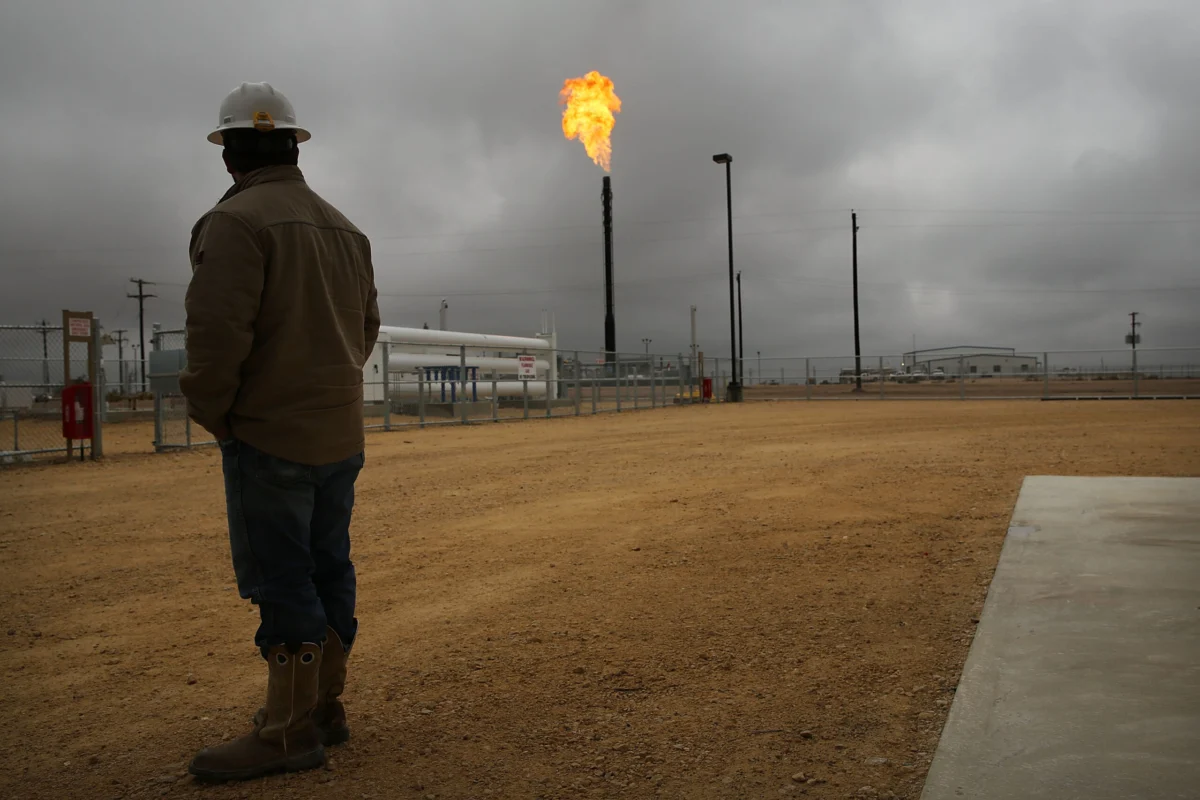
The relentless pursuit of artificial intelligence dominance has transcended the digital realm, manifesting in a physical infrastructure boom that is fundamentally altering the American energy landscape. As tech giants scramble to build out the computational capacity required to train next-generation large language models, they are turning to a foundational, albeit carbon-intensive, fuel source: natural gas.
According to a sobering new report from BloombergNEF, the AI-driven data center expansion is so frenzied that by 2035, U.S. data centers are projected to consume more natural gas than the total annual consumption of Germany and Japan combined. This surge in demand signals a massive pivot for the power sector, as the tech industry shifts from being a mere purchaser of grid electricity to an aggressive, independent architect of the nation’s energy supply.
Main Facts: A Staggering Scale of Consumption
The BloombergNEF analysis suggests that over the coming decade, data centers will emerge as the second-most significant driver of natural gas demand growth, trailing only the expansion of Liquefied Natural Gas (LNG) exports. The projections indicate that these facilities could consume roughly 18 billion cubic feet of natural gas per day by 2035—a figure that nearly doubles the estimates issued by the same organization just nine months prior.
This rapid recalibration reflects a reality that many utility planners are only just beginning to grasp: the "AI Gold Rush" requires an unprecedented volume of base-load power. While the report accounts for the fact that not all speculative data center projects will reach completion, the sheer volume of "committed" capital suggests that the current trajectory is not merely a transient spike but a structural shift in how the United States generates electricity.
Chronology: From Grid Dependency to "Behind-the-Meter" Dominance
To understand the current crisis, one must look at the recent evolution of tech-sector energy strategies:
- The Early Years (2010–2020): Tech companies focused on sustainability through Renewable Energy Credits (RECs) and Power Purchase Agreements (PPAs) for wind and solar, aiming to "offset" their carbon footprint while relying on the existing, aging electrical grid.
- The AI Pivot (2022–2024): The launch of generative AI models triggered an exponential increase in power density requirements. Existing grids, constrained by transmission bottlenecks and slow permitting, began to struggle with the demands of hyperscale facilities.
- The "Bypass" Strategy (2025–2026): Faced with grid congestion, tech giants began announcing plans to bypass the grid entirely. Recent months have seen Meta, Microsoft, Google, and Amazon unveil plans for dedicated, onsite natural gas power plants.
- The Projected Horizon (2026–2035): Analysts now project that these onsite projects alone will consume between 2.9 billion and 3.4 billion cubic feet per day by 2035—an amount equivalent to the entire current natural gas consumption of the U.S. data center sector.
Supporting Data: The Magnitude of the Shift
The BloombergNEF report breaks down the consumption growth into two distinct categories: onsite, "behind-the-meter" generation, and grid-connected demand. While the onsite plants grab the headlines, the grid-connected data centers represent the silent, massive engine of growth.
By the middle of the next decade, data centers are predicted to drive an additional 15 billion cubic feet per day of natural gas consumption through the power sector. To put this in perspective, this represents five times more demand growth through 2035 than from all other grid-connected sectors combined.
Emissions Breakdown
The environmental cost of this expansion is equally staggering. According to the International Energy Agency (IEA), burning one cubic foot of natural gas releases approximately 60 grams of carbon dioxide equivalent (CO2e), a figure that includes the methane leakage associated with extraction, processing, and transportation.
The projected data center demand will generate an additional 1 million metric tons of greenhouse gas (GHG) pollution every single day. This daily addition represents roughly 12% of total current U.S. greenhouse gas emissions—a figure that effectively undermines the decarbonization pledges tech companies have made over the past decade.
Official Responses and Market Reactions
The sudden pivot toward natural gas has placed tech companies in an uncomfortable spotlight. While these corporations continue to market their AI products as tools for scientific and societal advancement, their energy procurement strategies are increasingly viewed through the lens of climate accountability.
Market analysts at Noreva have warned that the current buildout relies on an assumption of stable, low-cost natural gas—a scenario that may prove optimistic. The combined pressure of surging data center demand and rising LNG exports could trigger significant price volatility. While hyperscalers like Microsoft and Amazon possess balance sheets capable of absorbing higher utility bills, the average American ratepayer may not be as fortunate. If utility prices rise to accommodate the massive infrastructure upgrades required to support these data centers, the political backlash could be severe.
Industry representatives have largely remained quiet, focusing on the necessity of high-availability power. However, internal memos and strategic filings suggest that tech giants are prioritizing "uptime" above all else. In the high-stakes world of AI training, a grid failure lasting even a few seconds can ruin weeks of expensive compute cycles, incentivizing companies to build their own, redundant, gas-fired plants regardless of the public relations fallout.
Implications: A Looming Energy Crisis
The implications of this trajectory are multifaceted, touching on economics, climate policy, and national security.
1. The Threat of Market Volatility
The reliance on natural gas as a "bridge" fuel for the AI revolution is creating a paradox. By aggressively locking in long-term natural gas contracts, tech companies are effectively betting that the transition to carbon-neutral energy will take longer than promised. If they are wrong, they risk being left with "stranded assets"—massive, expensive power plants that may become regulatory liabilities as the U.S. government faces increasing pressure to meet Paris Agreement climate targets.
2. The Ratepayer Burden
The energy infrastructure required to connect these massive data centers to the grid is not being built for free. Much of the cost of grid upgrades is socialized through utility rates. If data centers dominate the grid’s capacity, residential and small-business customers may find themselves subsidizing the energy costs of the world’s wealthiest corporations, potentially leading to a new wave of "energy inequality."
3. The Climate Paradox
Perhaps most damaging is the erosion of corporate credibility. For years, the "Big Tech" narrative was one of leadership in the energy transition. By aggressively scaling up gas-fired generation, these companies are effectively signaling that the compute requirements of AI are incompatible with the rapid decarbonization of the energy sector. This creates a challenging narrative for policymakers: should the state prioritize the development of AI—viewed as a national strategic imperative—or the urgent need to curtail fossil fuel dependence?
4. Grid Reliability vs. Corporate Autonomy
The move toward "behind-the-meter" power is a fundamental challenge to the traditional utility model. If the largest energy consumers leave the grid, the remaining ratepayers are left to maintain a system that is increasingly expensive and less efficient. Furthermore, these private power plants operate outside the regulatory oversight of many regional transmission organizations, potentially creating "shadow power" grids that are not optimized for the public good.
Conclusion: A Turning Point
The numbers provided by BloombergNEF serve as a wake-up call. We are currently witnessing a historic collision between the digital age and the physical realities of the Earth’s resources. As tech companies continue to optimize their LLMs for efficiency, they are simultaneously making their physical operations significantly less efficient from a carbon perspective.
The next decade will determine whether the AI revolution can be decoupled from fossil fuel consumption. As it stands, the industry is charging toward a future where the virtual intelligence of our machines is powered by the burning of our finite, climate-altering resources. Whether this path leads to a necessary technological leap or a massive, avoidable environmental disaster remains the central question of the coming decade.