ATLANTA — In a metropolis where the baseline of existence is shaped by a relentless rhythm of hip-hop innovation, civil rights history, and entrepreneurial hustle, athletics do not occupy a standalone ecosystem. Here, sports are not merely games played on fields, courts, and pitches; they are the living, breathing pulse of the community.
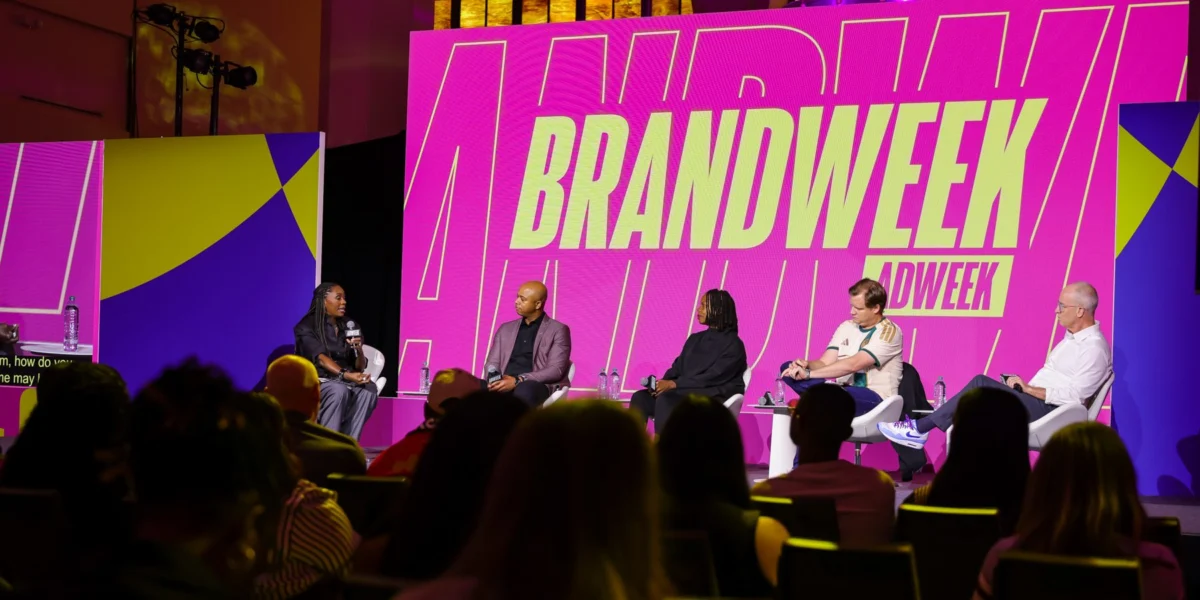
This ethos took center stage during the final day of Brandweek 2026, anchoring one of the summit’s most anticipated panels: "Home Field Advantage." Moderated by Shannon Watkins, founder of Watkins Brand Advisors, the session brought together the chief marketing officers and top executives of Atlanta’s four major professional sports franchises. Seated on stage were Shannon Joyner of the Atlanta Falcons (NFL), Melissa Proctor of the Atlanta Hawks (NBA), Adam Zimmerman of the Atlanta Braves (MLB), and Mike Ridley of the Atlanta United FC (MLS).
Together, these executives unpacked a singular, unifying philosophy that defines the modern sports landscape in the American South: in Atlanta, sports do not operate in a lane separate from music, history, or community development. They are the culture.
Main Facts: The Intersection of Athletics and Identity
The core thesis emerging from the Brandweek panel is that modern sports marketing can no longer rely solely on winning records, ticket sales, or traditional broadcast packages. In a hyper-fragmented media environment where consumers can watch highlights on demand from anywhere in the world, local franchises must root themselves deeply into the cultural fabric of their home cities to capture and retain attention.
For Atlanta, this dynamic is uniquely potent. As a city that birthed global cultural movements—from the Civil Rights Movement to trap music—the expectations of fans are exceptionally high. They expect authenticity, community stewardship, and creative collaboration.
The panel highlighted several foundational pillars of this strategy:
- Cultural Fusion: Merging sports merchandise and game-day presentation with local music, streetwear fashion, and contemporary art.
- Community Integration: Positioning franchises as active participants in local neighborhoods rather than corporate entities operating out of isolated stadiums.
- Unified Fronts: Demonstrating unprecedented collaboration among Atlanta’s major league teams to elevate the city as a premier sports and entertainment destination on the global stage.
Chronology: The Evolution of Atlanta’s Sports-Culture Ecosystem
To understand how Atlanta arrived at this holistic approach to sports marketing, it is necessary to examine the trajectory of the city’s major league franchises over the past decade.
Phase 1: The Traditional Era (Pre-2015)
For decades, Atlanta’s sports teams operated in much the same way as franchises in other mid-to-large American markets. Marketing efforts were largely transactional: ticket packages, stadium concessions promotions, and localized television and radio ads. While teams like the Braves enjoyed storied histories and national broadcasts via TBS, and the Falcons and Hawks maintained loyal regional fanbases, the connection between the teams and the city’s burgeoning cultural renaissance—particularly its exploding hip-hop scene—remained largely parallel rather than intersecting.
Phase 2: The Infrastructure Boom and Modernization (2015–2019)
A transformative wave swept through Atlanta’s sports landscape in the mid-to-late 2010s. This era was defined by massive capital investments in state-of-the-art venues and brand overhauls:
- 2017: The Atlanta Falcons and Atlanta United FC debuted at the architectural marvel that is Mercedes-Benz Stadium, setting a new standard for stadium fan experience, affordable concessions, and downtown integration.
- 2017: The Atlanta Braves relocated north to the Cumberland neighborhood, pioneering the "live-work-play" destination model with the opening of Truist Park and The Battery Atlanta.
- 2018–2019: The Atlanta Hawks completed a massive $19.2 million renovation of State Farm Arena, modernizing the fan experience with social gathering spaces, local food partnerships, and a redesigned visual identity that embraced the city’s urban aesthetic.
During this period, marketing teams began to realize that modern venues required modern storytelling. Teams started experimenting with hip-hop-inspired stadium opening videos, local artist collaborations, and community-first ticket initiatives.
Phase 3: The Cultural Integration and Global Horizon (2020–Present)
Following the disruptions of the early 2020s, Atlanta’s franchises accelerated their fusion with the city’s cultural pillars. Recognizing that fans—particularly younger demographics—consume sports through the lens of fashion, music, and social justice, executives like Proctor, Joyner, Zimmerman, and Ridley shifted from traditional sports marketing to lifestyle marketing.
Today, this evolution positions Atlanta as a blueprint for the rest of the professional sports world, culminating in high-profile industry gatherings like Brandweek 2026, where the city’s collaborative model is studied as a masterclass in modern brand stewardship.
Supporting Data: The Metrics Behind the Movement
While the cultural impact of Atlanta sports is qualitative, the numbers driving these strategies reflect significant commercial and community growth.
- Economic and Fan Engagement Impact: According to recent industry benchmarks, teams that successfully integrate local culture into their marketing see a 15% to 25% increase in younger demographic (Gen Z and Millennial) season-ticket renewals and merchandise sales.
- The Battery Atlanta: For the Atlanta Braves, Truist Park and its surrounding mixed-use development, The Battery Atlanta, generate hundreds of millions of dollars in non-game-day economic activity annually, proving that sports real estate can serve as a 365-day cultural hub.
- Atlanta United Attendance: Despite being a relatively young franchise founded in 2017, Atlanta United routinely draws crowds exceeding 42,000 to 70,000 fans per match at Mercedes-Benz Stadium, consistently ranking among the top-attended soccer clubs in North America and rivaling major European leagues.
- State Farm Arena Transformations: Following its comprehensive renovations and culturally targeted programming, the Atlanta Hawks experienced record-breaking sellout streaks and vaulted into the upper tier of NBA franchises for fan satisfaction and in-arena engagement metrics.
Official Responses: Insights from the Leadership Panel
During the Brandweek session, the executives provided candid insights into how they navigate the intersection of sports, business, and community identity.
Opening the panel, moderator Shannon Watkins set the tone by challenging conventional marketing wisdom. "In Atlanta, sports move differently," Watkins stated. "They don’t operate in a different lane than music or history or community. It is culture."
Shannon Joyner, chief marketing officer for the Atlanta Falcons, expanded on this by discussing the unique weight carried by the NFL in American culture and how the Falcons strive to reflect the multifaceted identity of the city.
"When you represent a city like Atlanta, you carry a microphone that reaches every corner of the globe," Joyner noted. "Our job on the marketing side isn’t just to sell seats for eight home games a year. It’s to ensure that every time someone sees the Falcon logo, they feel the energy, the resilience, and the creativity that makes Atlanta what it is. We are storytellers first and sports marketers second."
Melissa Proctor, executive vice president and CMO of the Atlanta Hawks, emphasized the importance of design, fashion, and social impact in capturing the next generation of basketball fans.
"Basketball is undeniably tied to fashion and youth culture," Proctor explained. "From our court designs to our uniform collaborations and community court builds across the city, we have to meet our fans where they live. If we aren’t authentic to the artistic heartbeat of Atlanta, we aren’t doing our jobs. Culture isn’t an accessory to our brand—it is the foundation."
Adam Zimmerman, senior vice president of marketing and content for the Atlanta Braves, spoke to the structural evolution of baseball and how the organization has redefined the fan journey from the parking lot to the ninth inning.
"Baseball has a rich history, but history alone doesn’t secure the attention of a 20-year-old fan today," Zimmerman said. "With The Battery and our content strategy, we’ve shifted our mindset from thinking about a three-hour game to thinking about an entire lifestyle experience. We want families, music lovers, and foodies to feel like Truist Park is their neighborhood hub, whether there’s a game tonight or not."
Mike Ridley, vice president of marketing for Atlanta United FC, highlighted the remarkable, rapid growth of soccer in the South and the unique grassroots energy that fuels the club.
"Soccer is the world’s game, but it found a very specific, passionate home right here in Atlanta," Ridley remarked. "The supporters’ culture we’ve built alongside our fans is entirely organic. We didn’t manufacture that passion; we simply provided the platform and stepped out of the way. When sport mirrors the diverse, global makeup of a city like Atlanta, the connection with the community becomes unbreakable."
Implications: The Future of Sports Marketing Beyond Atlanta
The strategies discussed at Brandweek 2026 carry profound implications not only for local franchises but for the broader global sports and entertainment industry.
1. The Death of the Siloed Sports Franchise
For decades, sports teams could survive on regional loyalty and traditional media broadcasts. Today, with entertainment options virtually infinite, franchises must compete with streaming platforms, video games, and social media creators. The Atlanta model demonstrates that sports teams must evolve into lifestyle brands. By embracing local music, fashion, visual art, and social advocacy, teams insulate themselves against on-field losses and build resilient, multi-generational fanbases.
2. Placemaking as a Competitive Advantage
The success of developments like The Battery Atlanta and the continuous activation of downtown spaces around Mercedes-Benz Stadium and State Farm Arena prove that physical real estate is a critical component of modern sports marketing. Teams are no longer just tenants in municipal stadiums; they are urban developers and community anchors. This integration creates year-round revenue streams and deepens community trust.
3. Collaborative Regional Branding
Perhaps the most striking takeaway from the Brandweek panel is the spirit of cooperation among Atlanta’s teams. Rather than viewing one another strictly as competitors for local entertainment dollars, the Falcons, Hawks, Braves, and Atlanta United frequently align on major civic initiatives, social justice platforms, and global marketing campaigns. This unified front elevates Atlanta as a premier sports capital, attracting major international events—such as upcoming matches in the 2026 FIFA World Cup—and solidifying the city’s status on the world stage.
Conclusion
As Brandweek 2026 concluded, the session moderated by Shannon Watkins left industry professionals with a clear mandate: the future of sports marketing belongs to those who understand that sport is not isolated from society, but is instead its most visible and emotional manifestation.
In Atlanta, where the rhythm of the streets beats in time with the roar of the stadium crowd, the message is unequivocal. Sports are culture, culture is community, and when organizations honor that trinity, everybody wins.