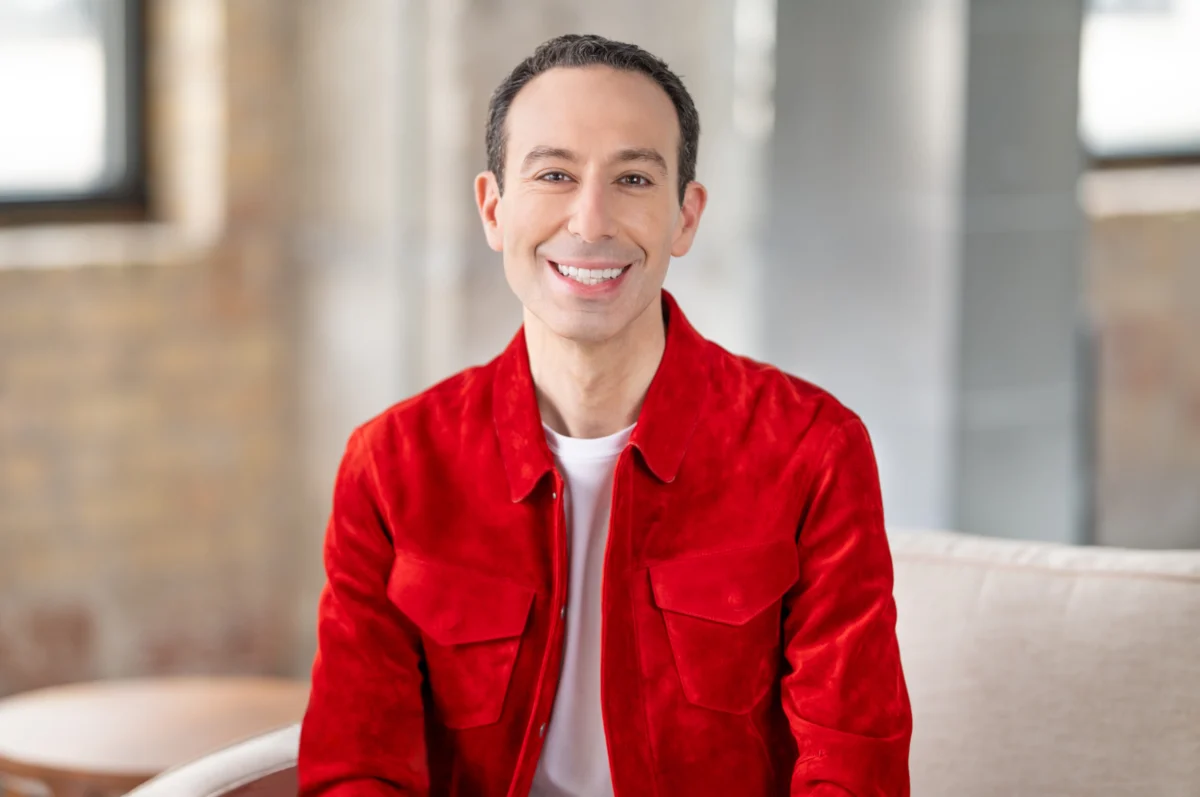
MINNEAPOLIS — Retail giant Target Corp. has officially announced the appointment of Mark Weinstein as its new Chief Marketing Officer and Guest Experience Officer, injecting a heavy dose of hospitality-industry expertise into its executive ranks. Weinstein, a seasoned brand architect who recently departed from lodging behemoth Hilton, steps into one of the most critical roles in the American retail landscape at a time when consumer loyalty is fiercely contested.
Tasked with revitalizing Target’s brand identity, sharpening its competitive edge, and seamlessly blending digital touchpoints with physical storefronts, Weinstein will report directly to Target Chief Executive Officer Michael Fiddelke. The high-profile hire signals a strategic pivot for the discount retailer, moving beyond traditional merchandising and price-slashing toward an experiential, emotionally driven consumer journey modeled after the world of luxury hospitality.
Main Facts
The transition places Weinstein at the helm of Target’s global marketing, brand strategy, and consumer engagement operations. In his dual-hatted role as CMO and guest experience officer, Weinstein’s primary mandate is to elevate every facet of the customer journey—often referred to internally and across the industry as the "guest experience."
- The Leadership Structure: Weinstein will report straight to CEO Michael Fiddelke, indicating the board and executive suite view marketing and customer experience not merely as promotional arms, but as core drivers of corporate strategy and financial performance.
- The Immediate Task: Weinstein faces the immediate challenge of modernizing Target’s brand narrative. This includes reinforcing the iconic "Tarjey" cultural cachet while simultaneously adapting to shifting consumer habits driven by economic pressures, e-commerce saturation, and fierce competition from rivals like Walmart, Amazon, and emerging direct-to-consumer digital ecosystems.
- The Background: Weinstein brings nearly two decades of pedigree from the hospitality sector, most recently serving as the Chief Marketing Officer and Head of Luxury Brands at Hilton. During his 16-year tenure at the hotel giant, he oversaw a sprawling portfolio of 28 distinct brands, ranging from mid-scale properties to ultra-luxury flagships.
Chronology
The events leading up to Weinstein’s high-profile move underscore a rapidly evolving retail and hospitality talent market, where cross-industry poaching has become the primary mechanism for legacy brands attempting to reinvent themselves.
Early September 2024: Hilton Leadership Shift
The narrative began to take shape when industry publications broke the news that Mark Weinstein was stepping down from his dual post as CMO and head of luxury brands at Hilton. During his final months at Hilton, Weinstein was instrumental in steering the hospitality group through the post-pandemic travel boom, managing loyalty programs like Hilton Honors, and expanding the footprint of luxury brands such as Waldorf Astoria, LXR Hotels & Resorts, and Conrad Hotels & Resorts. His departure sent ripples through the advertising and hospitality sectors, sparking immediate speculation regarding his next career move.
Mid-September 2024: Target’s Executive Realignment
Behind closed doors at Target’s Minneapolis headquarters, executive leadership—spearheaded by CEO Michael Fiddelke—was finalizing a sweeping strategic review of the company’s brand architecture. Facing a retail environment defined by cautious consumer spending, margin compression, and digital disruption, Target’s leadership identified a critical gap: the need to transition from traditional transactional retail toward an immersive, hospitality-inspired relationship with shoppers. Discussions with Weinstein commenced quickly, leveraging his deep expertise in guest-centric brand loyalty.
The Official Announcement
Target officially broke the news to the public, accompanied by lighthearted industry commentary noting that Weinstein would soon need to trade his corporate wardrobe for a "Target-red necktie." The announcement immediately drew widespread attention from retail analysts, brand strategists, and marketing professionals preparing for upcoming industry events like Brandweek.
Supporting Data & Industry Context
To understand the weight of Weinstein’s new role, one must examine the broader economic and consumer data defining the retail sector. Target, like many big-box competitors, has navigated a turbulent macroeconomic landscape over the past several years.
- The Shift to Experiential Retail: According to recent retail analytics data from firms like McKinsey & Company and Deloitte, modern consumers—particularly Millennials and Gen Z—increasingly prioritize experiences over pure material accumulation. Retailers that successfully integrate emotional connection, store ambiance, and frictionless digital interfaces outperform peers by up to 20% in customer retention metrics.
- The Scale of Hilton’s Portfolio: During Weinstein’s 16-year tenure at Hilton, the company scaled significantly. Hilton’s Honors loyalty program surpassed 180 million members under his broader strategic ecosystem oversight. Translating this mastery of loyalty and segmented brand marketing to Target’s massive footprint—which spans nearly 2,000 stores across the United States and millions of digital app users—presents both a massive opportunity and a complex logistical challenge.
- Target’s Digital and Physical Footprint: Target serves millions of guests weekly through its physical red-and-white stores and its robust digital ecosystem, which includes services like Target Circle, Drive Up, and same-day delivery via Shipt. Integrating a unified "guest experience" across these disparate channels requires sophisticated data analytics, seamless UI/UX design, and consistent brand storytelling—skills that Weinstein honed while managing diverse tiers of hospitality brands ranging from Hampton Inn to Waldorf Astoria.
Official Responses
The appointment has elicited enthusiastic reactions from Target’s executive leadership, underscoring the high expectations riding on Weinstein’s shoulders.
"Mark has a proven ability to understand what consumers value and turn those insights into brand connections that feel relevant and personal," said Target CEO Michael Fiddelke in an official corporate statement. "His leadership will help us elevate the guest experience across every interaction with Target."
Fiddelke’s public endorsement highlights a cultural alignment between Target’s brand ethos—encapsulated in its "Expect More. Pay Less." tagline—and Weinstein’s career-long philosophy of treating customers not as mere buyers, but as pampered guests.
While Weinstein has yet to issue a comprehensive public manifesto regarding his long-term roadmap for Target, industry insiders note that his initial weeks will be dedicated to listening tours across Target’s distribution centers, corporate offices, and flagship retail locations, absorbing the unique DNA of "Tarjey" culture before rolling out formal restructuring or brand campaigns.
Implications
Mark Weinstein’s transition from the upper echelons of hospitality luxury to the egalitarian battleground of mass-market retail carries profound implications for Target, its competitors, and the broader marketing industry.
1. Redefining Mass Retail Through a Luxury Lens
By hiring a hospitality veteran to oversee marketing and guest experience, Target is making a calculated bet that the future of retail lies in emotional hospitality rather than mere logistical efficiency. While competitors like Amazon dominate via speed and algorithmic precision, and Walmart dominates via everyday low pricing, Target has historically carved out a niche as the "stylish" discount option—often dubbed "Chic-fil-A meets department store." Weinstein is expected to lean heavily into this positioning, turning routine grocery runs and household shopping trips into elevated, mood-boosting experiences.
2. The Evolution of Loyalty Programs and Personalization
During his time at Hilton, Weinstein mastered the art of tier-based customer loyalty and personalized marketing through data-driven ecosystem management. Target has already made significant strides with its revamped Target Circle loyalty program, but analysts predict Weinstein will push the platform further. Expect hyper-personalized offers, experiential perks, and deeper emotional hooks designed to convert casual shoppers into lifetime brand evangelists.
3. Talent Migration Between Hospitality and Retail
Weinstein’s high-profile jump illuminates a broader trend: the blurring lines between service-oriented industries. As retail becomes increasingly commoditized by online shopping, brick-and-mortar stores must rely on human-centric hospitality, atmospheric design, and curated curation to justify physical real estate. The success or failure of Weinstein at Target will likely serve as a bellwether, determining whether other major retailers look to the hotel and resort industry when searching for their next generation of marketing innovators.
As Weinstein settles into his new office in Minneapolis and secures his collection of Target-red neckties, the retail world will be watching closely to see how a hospitality master reinvents the shopping cart experience for millions of American consumers.