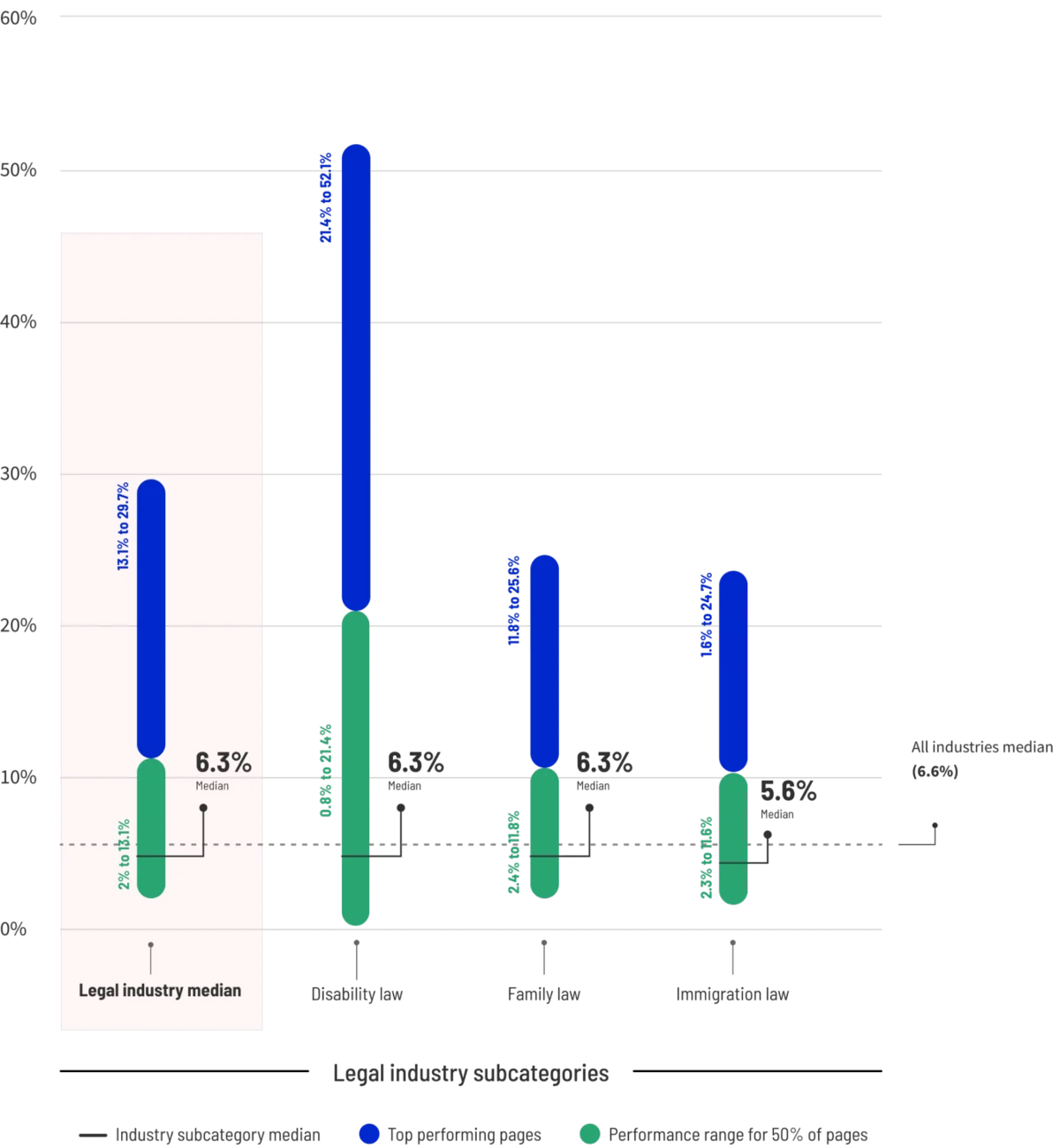
In the high-stakes world of digital advertising, the old adage "growth at all costs" is rapidly being replaced by a more sober, disciplined philosophy: "efficiency at every turn." As customer acquisition costs (CAC) continue their relentless climb, marketing teams are finding that the most profitable growth is no longer found in expanding the top of the funnel, but in tightening the bottom.
Conversion Rate Optimization (CRO) has moved from a technical niche to the boardroom’s primary focus. For businesses struggling with the diminishing returns of saturated ad platforms, CRO represents a fundamental shift in strategy—one that prioritizes the performance of existing traffic over the acquisition of new, increasingly expensive visitors.
The Brutal Math of Modern Marketing
The current digital landscape is defined by one unavoidable truth: traffic is no longer a cheap commodity. Whether it is paid search, social media advertising, or influencer partnerships, the cost per click (CPC) across nearly every major channel is trending upward. For many brands, the traditional playbook of scaling ad spend to scale revenue has become a losing game.
Consider the simple, yet profound, mathematics of conversion. If a landing page receives 10,000 visitors per month at a 2% conversion rate, the brand acquires 200 customers. If the marketing team spends their budget on driving more traffic—say, an additional 5,000 visitors—they might acquire 100 more customers, but at a significantly higher marginal cost.
However, if that same team invests in CRO and boosts their conversion rate from 2% to 4%, they acquire 400 customers from the original 10,000 visitors. They have doubled their output without spending a single extra cent on advertising. This is the "Efficiency Imperative," and it is the defining challenge for marketers in 2025 and beyond.
Chronology of a CRO Shift: From "Hunch" to "Heuristic"
The evolution of CRO has been a decade-long journey. In the early 2010s, optimization was largely synonymous with "A/B testing button colors." It was an era of superficial changes driven by intuition rather than data.
By the mid-2010s, the field matured as behavioral analytics tools became accessible. Marketers began mapping heatmaps, session recordings, and click-tracking, shifting the focus from aesthetic preferences to psychological triggers.
Today, we are in the era of "Holistic Optimization." The focus has expanded beyond the individual landing page to the entire customer journey. Modern teams now integrate CRM data, post-click attribution, and AI-driven personalization to ensure that the user experience is fluid from the first ad impression to the final checkout. This transition has turned CRO from a one-off project into an ongoing, scientific discipline.
Supporting Data: Why Small Tweaks Yield Massive Returns
The empirical evidence supporting CRO is overwhelming. According to industry benchmarks, businesses that prioritize optimization see, on average, a 15% to 30% increase in conversion rates within their first three months of sustained testing.
- The Power of Friction Reduction: Research shows that for every additional field removed from a contact form, conversion rates can jump by as much as 10% to 20%.
- The Mobile Reality: With mobile traffic accounting for over 60% of web visits, sites that fail to prioritize "thumb-friendly" interfaces see abandonment rates 40% higher than their desktop-optimized counterparts.
- The Speed Multiplier: Every one-second delay in page load time is statistically correlated with a 7% drop in conversions. These data points demonstrate that CRO is not just about design; it is about removing the technical and psychological barriers that prevent a transaction.
Five High-Impact Strategies for Modern Marketers
To capture these gains, marketers must move beyond surface-level changes and implement structural improvements.
1. The Mobile-First Mandate
Most marketing teams still design their campaigns on a wide, high-resolution monitor and then "shrink" the content for mobile. This is a fundamental error. When designing for mobile, one must account for the "thumb zone"—the area of the screen easily reached by a user’s hand. Buttons must be large, touch-friendly, and placed in the lower-middle section of the screen. Navigation should be minimized, and pop-ups should be strictly limited to avoid obscuring the primary call to action.
2. Radical A/B Testing
The most effective teams treat every page as a hypothesis. A proper A/B test should focus on high-intent elements: the headline, the primary value proposition, the CTA button text, and the hero image. By changing only one variable at a time, marketers can gain clear, actionable insights into what drives their specific audience to act.
3. Friction Auditing
A friction audit involves walking through your own conversion funnel as if you were a skeptical, busy customer. Are there too many form fields? Does the page take too long to load? Is there unnecessary navigation that leads the user away from the goal? By trimming the "fat" from the path to purchase, brands can drastically reduce the cognitive load on the visitor.
4. Crystallizing the Value Proposition
If a visitor cannot explain what you do and why it matters within three seconds of landing on your page, you have lost them. Your value proposition should not be clever; it should be clear. It must answer three questions: What is this? Who is it for? And how does it make my life better?
5. Leveraging Social Proof
We are social creatures. When we see that others have made a purchase, our own hesitation decreases. Testimonials, user counts, client logos, and trust badges act as "social shortcuts" that validate the user’s decision to trust your brand.
Official Industry Perspectives
Leading growth experts, such as Josh Gallant of Backstage SEO, emphasize that CRO is less about specialized tools and more about the culture of the team. "The most successful companies don’t just run one test and walk away," Gallant notes. "They build a cycle of continuous experimentation. They treat every ‘failed’ test as a data point that prevents them from wasting budget in the future."

The consensus among industry leaders is that CRO is the most cost-effective way to improve Return on Ad Spend (ROAS). By refining the landing page, the cost of acquiring a customer drops, effectively lowering the barrier to entry for scaling campaigns.
The Broader Implications: Sustainability and Resilience
What does the rise of CRO mean for the future of marketing?
First, it signals the end of the "spray and pray" era. As privacy regulations tighten and third-party cookies vanish, the ability to convert the traffic you own or attract directly becomes a competitive moat. Companies that master CRO will be able to afford higher cost-per-click bids because their pages convert at a higher rate, effectively allowing them to outbid and out-earn their competitors.
Second, it fosters a culture of accountability. When a marketing team is tasked with improving conversion rates rather than just driving "vanity metrics" like clicks or impressions, the entire organization becomes more focused on revenue generation.
Finally, CRO is a hedge against economic volatility. In a downturn, budgets are often slashed. Teams that have mastered the art of maximizing existing traffic are far more resilient than those that depend on a constant, expensive stream of new, cold traffic.
Conclusion: Starting Your Optimization Journey
The path to higher conversion rates does not require a complete overhaul of your brand or a team of specialized developers. It requires a commitment to three things: clear communication, rigorous testing, and a deep, empathetic understanding of your user’s journey.
By shifting the focus from "more traffic" to "better conversions," you transform your marketing from an expense center into a highly efficient revenue engine. Start by auditing your mobile experience, simplify your forms, and run your first A/B test this week. The results—and the compounded growth—will follow.