In the high-stakes world of digital growth, there is a pervasive myth: that success is purely a function of volume. For years, businesses have poured billions into top-of-funnel traffic, obsessed with driving "more eyeballs" to their digital properties. Yet, as acquisition costs skyrocket and ad platforms become increasingly competitive, the realization has dawned: traffic is vanity, but conversion is sanity.
If your marketing budget is leaking capital on high-traffic, low-intent visitors, you aren’t running a business—you’re running a charity for ad networks. This is where conversion marketing emerges as the definitive strategic pivot for the modern enterprise.
The Paradigm Shift: From Traffic to Intent
Conversion marketing is the systematic discipline of transforming passive website visitors into active customers or qualified leads. Unlike traditional digital advertising, which prioritizes the acquisition of traffic, conversion marketing prioritizes the value of that traffic. It is the practice of optimizing every touchpoint—landing pages, forms, and calls-to-action (CTAs)—to minimize friction and maximize the probability of a user taking a specific action.
The logic is mathematically undeniable. If your website attracts 10,000 monthly visitors at a 2% conversion rate, you generate 200 customers. By optimizing your site and doubling that rate to 4%, you generate 400 customers without spending an additional cent on traffic. In an era where CAC (Customer Acquisition Cost) is under constant scrutiny, conversion rate optimization (CRO) is the highest-leverage activity a growth team can undertake.
A Chronology of Conversion Evolution
The history of digital marketing reflects a transition from "broadcast" to "precision."
- The Early Web (1995–2005): The era of the "Homepage." Companies treated their main website as a digital brochure. Conversion was an afterthought, largely confined to simple email capture forms.
- The Rise of Analytics (2005–2012): Tools like Google Analytics moved from niche tech to boardroom standard. Marketers began measuring bounce rates and funnel drop-offs, marking the birth of modern CRO.
- The Landing Page Revolution (2012–2020): With the advent of platforms like Unbounce, the barrier to entry for creating custom, high-converting experiences plummeted. Marketers moved away from "general" pages toward hyper-segmented, campaign-specific landing pages.
- The Intelligence Era (2020–Present): Today, conversion marketing is powered by AI, real-time behavioral data, and predictive modeling. We no longer just "guess" what works; we use automated testing to route traffic to the variant that offers the highest probability of success.
Supporting Data: The Mechanics of Performance
Conversion is not a matter of luck; it is a matter of behavioral psychology and technical execution. Data suggests that the following pillars are non-negotiable for success:
1. The Value Proposition (The "Why")
Your value proposition is the heartbeat of your digital presence. It must answer the customer’s question—"What is in it for me?"—within seconds of arrival. Research consistently shows that sites with clear, concise, and benefit-driven messaging outperform those that rely on industry jargon or creative fluff.
2. The Friction Tax
Usability is the silent killer of conversion. Every extra field in a form or every second of page load time acts as a tax on your conversion rate. Studies indicate that 27% of users abandon forms specifically because they are too long or contain intrusive questions. To convert, you must reduce the friction between the user’s intent and the desired action.
3. Trust as Currency
In an age of digital skepticism, trust is the primary driver of the "Buy Now" click. Social proof—in the form of case studies, testimonials, and verifiable data—serves as the modern-day word-of-mouth. Specificity is key; a generic "We love this product" testimonial holds significantly less weight than a data-backed endorsement, such as "This software saved our team 15 hours per week."
Official Perspectives: The Expert View
Josh Gallant, founder of the organic growth firm Backstage SEO, emphasizes that conversion marketing is about capturing demand rather than just manufacturing it. "Most businesses focus on the spreadsheet of traffic," Gallant notes. "But the real winners are the ones who understand that the website is not a destination—it’s a conversation. If you aren’t listening to your users’ objections through heatmaps and sales feedback, you aren’t optimizing; you’re guessing."
The consensus among industry leaders is that conversion marketing must be an ongoing, iterative process. It is not a project with a start and end date; it is a culture of experimentation.
Implications for Modern Marketing Strategy
The rise of conversion marketing has profound implications for how organizations structure their teams and budgets.
The Death of the "Generalist" Landing Page
The era of sending all paid traffic to a generic homepage is over. High-performing organizations now utilize dedicated landing pages for every specific ad campaign, search keyword, or social media segment. This allows for a perfectly aligned narrative between the user’s search intent and the content they find upon landing.
Data-Driven Decision Making
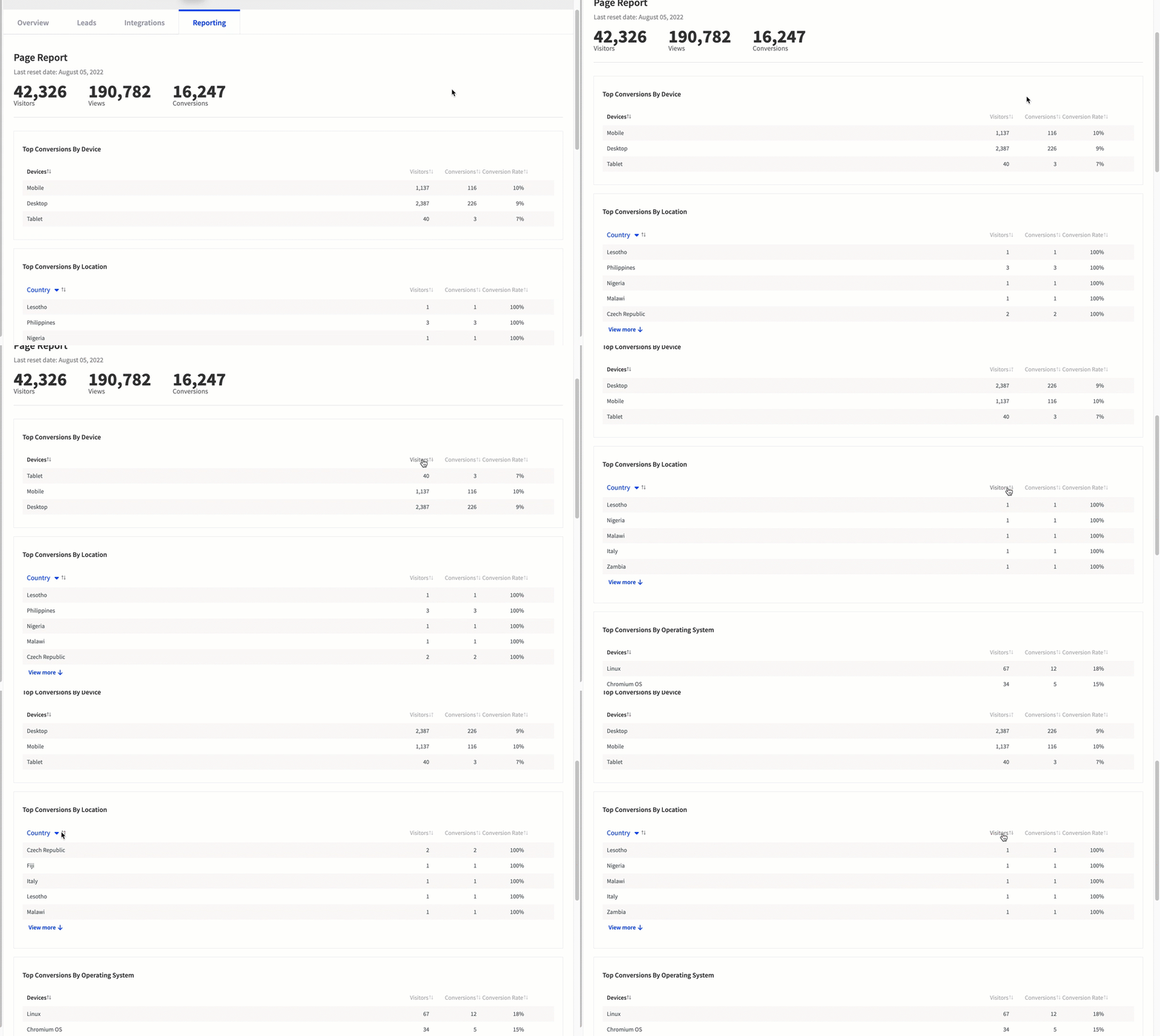
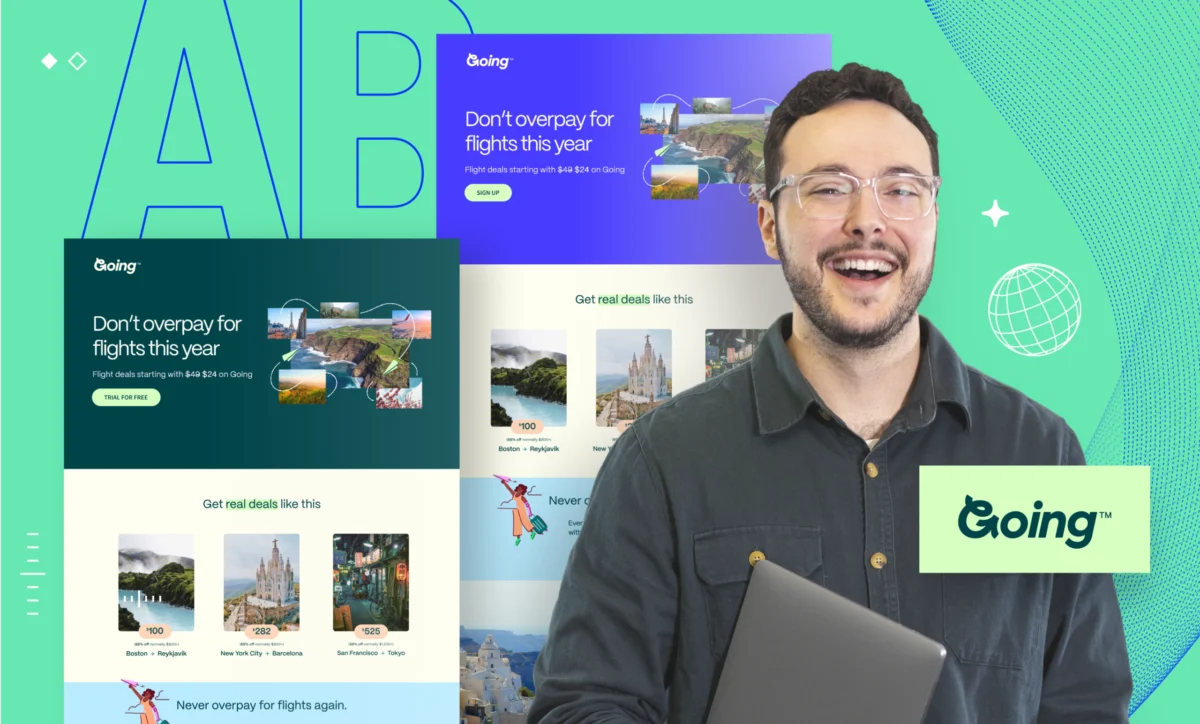
The integration of heatmaps (Hotjar, Microsoft Clarity) and A/B testing tools has moved decision-making from the boardroom "hunch" to the empirical "truth." If the data shows that 95% of your mobile traffic is abandoning the payment page, it is no longer a matter of opinion—it is a technical emergency that requires immediate resolution.

The Role of Technology
Modern tools have democratized the ability to optimize. Platforms like Unbounce allow marketers to build, test, and deploy landing pages without needing a dedicated developer. Features such as AI-driven Smart Traffic—which automatically routes users to the best-performing page variant—have leveled the playing field, allowing smaller teams to achieve enterprise-level performance.
The Future: AI and the Hyper-Personalized Funnel
As we look toward the future, the integration of Artificial Intelligence in conversion marketing will only accelerate. We are moving toward a future where every visitor sees a version of your website that is dynamically generated to match their specific psychological profile and previous browsing behavior.
However, the core tenets remain unchanged. Regardless of the technology, the goal is to align the user’s needs with your solution.
Conclusion: Putting Insights into Action
To succeed in the current digital landscape, you must stop treating conversion as a final step in the funnel and start treating it as the foundation of your strategy. By refining your value proposition, ruthlessly eliminating friction, building trust through social proof, and committing to a cycle of constant A/B testing, you can unlock a level of growth that isn’t dependent on increasing your ad spend.
Conversion marketing is more than a tactic; it is the ultimate competitive advantage. In a world where attention is the scarcest resource, the company that best facilitates the user’s journey will always win. Whether you are a solo entrepreneur or part of a global marketing department, the mandate is clear: Stop buying traffic and start winning visitors.