Main Facts
The Fear of Missing Out (FOMO)—long understood as a powerful driver of consumer behavior—has historically been weaponized by digital marketers through aggressive countdown timers, aggressive flash-sale banners, and manufactured scarcity. While these high-pressure tactics often generate short-term conversions, psychological research and regulatory actions reveal a darker side: chronic anxiety, decision fatigue, buyer’s remorse, and long-term brand erosion.
In a digital landscape increasingly scrutinized by consumer protection agencies, designers and developers face a critical choice. By decoupling the "fear" from the "missing out," digital architects can cultivate genuine interest and urgency through transparent, user-centric strategies. As explored by design expert Suzanna Scacca, it is entirely possible to implement ethical (F)OMO across websites, progressive web apps (PWAs), and native mobile applications without sacrificing user trust or mental well-being.
Chronology: From Psychological Phenomenon to Digital Weapon
To understand how FOMO permeated modern user experience (UX) design, it is necessary to trace its trajectory from academic concept to marketing staple:

- 2013 (The Academic Baseline): A foundational study titled “Motivational, emotional, and behavioral correlates of fear of missing out” formally defined FOMO as a pervasive apprehension that others are experiencing rewarding moments in one’s absence. The report directly linked the phenomenon to lower life satisfaction, diminished mood, and poor need satisfaction.
- Mid-2010s (The E-Commerce Gold Rush): As e-commerce platforms saturated the digital market, conversion rate optimization (CRO) specialists began adopting hyper-aggressive scarcity tactics. Websites flooded user interfaces with flashing red banners, fake live-visitor counters, and ticking countdown clocks.
- February 2019 (Regulatory Pushback): The regulatory environment shifted dramatically when the UK’s Competition and Markets Authority (CMA) cracked down on hotel booking sites, penalizing them for deploying misleading urgency tactics and deceptive discount messaging to artificially inflate sales metrics.
- Present Day (The Shift Toward Ethical UX): Digital designers are pivoting away from manipulative dark patterns. Brands are realizing that sustainable growth relies on long-term customer retention and trust rather than short-lived, anxiety-induced panic buying.
Supporting Data and Real-World Examples
Modern ethical design does not abandon the psychological appeal of scarcity and exclusivity; rather, it reframes them. Several industry leaders demonstrate how to implement these principles responsibly:
1. Gently Informing Visitors About Limited Availability
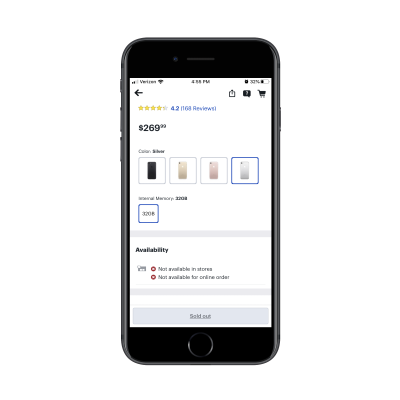
Forcing split-second decisions through panic-inducing countdown clocks often leads to analysis paralysis or post-purchase regret. Instead, brands like Best Buy utilize straightforward inventory visibility. By clearly indicating when multi-variation products are out of stock in-store or online, they respect the user’s intelligence.

As noted by University of Alberta business professor Paul Messinger, sold-out items can trigger an "information cascade"—a phenomenon where consumers infer that a sold-out product must be high quality, thereby naturally guiding them toward available, desirable alternatives without psychological coercion. Similarly, Hulu features a dedicated "Expiring" tab for streaming media, prompting users with a simple "use it or lose it" reminder that streamlines decision-making instead of stressing the viewer.
2. Highlighting Expiring Rewards for Loyal Customers
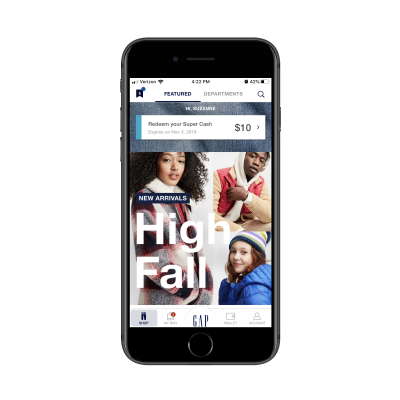
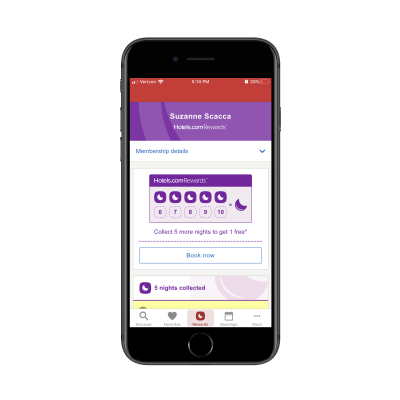
Instead of blasting anonymous visitors with generic 75% off banners that overwhelm the senses, brands can target logged-in, loyal users who already possess a purchase history. Gap exemplifies this by implementing a subtle, pulsing blue notification icon in the corner of their app UI. This gentle reminder alerts members to unspent rewards or "Super Cash" nearing expiration, motivating action without inducing panic. Hotels.com employs a similar strategy via a dedicated rewards tab that tracks users’ progress toward free nights, gently prompting bookings before earned perks expire.

3. Leveraging User-Generated Social Proof and Referrals
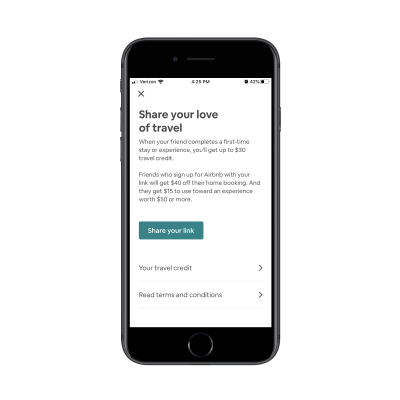
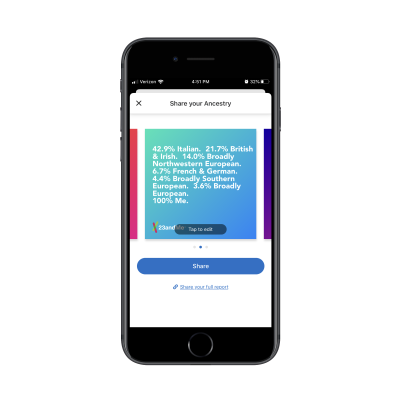
Corporate-generated claims of being a "Top Seller" frequently suffer from a deficit of trust. Airbnb solves this friction by empowering real customers to share authentic experiences through peer-to-peer referral programs ("Invite friends"). By providing travelers with shareable incentives, Airbnb lets genuine user enthusiasm drive organic FOMO. Similarly, genetic testing platform 23andMe auto-generates visually appealing ancestry breakdown cards designed for social media sharing. When a friend posts their unique genetic heritage, the resulting curiosity feels authentic rather than fabricated.
4. Grounding Visuals and Fostering Communities
The era of the untouchable lifestyle influencer—typified by staged luxury and the disastrously deceptive marketing of events like the Fyre Festival—is facing severe cultural fatigue. Consumer behavior analysts like Lucie Greene have noted growing public awareness regarding how toxic social media aesthetics drive compulsive consumption and isolation.

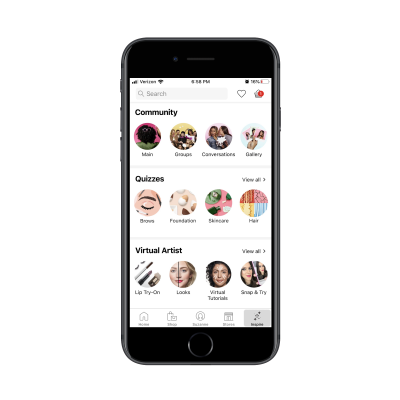
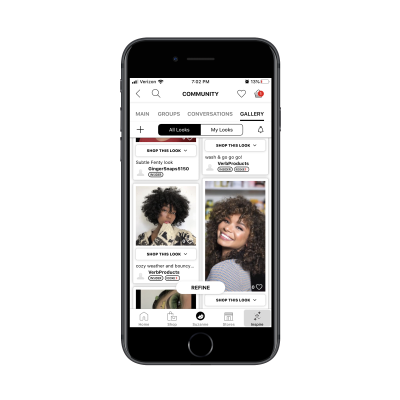
Brands like Sephora counter this by shifting away from exotic, unattainable model photography. Through their "Inspire" community gallery, Sephora highlights real photos submitted by everyday customers using actual products. Even luxury platforms like The Inner Circle dating app reject hyper-glamorous tropes, utilizing grounded, black-and-white imagery of couples sharing ordinary moments in local bars or parks, proving that exclusivity does not require alienation.
Official Responses and Industry Implications
Consumer protection watchdogs and market analysts have drawn a hard line against deceptive design patterns. Regulatory bodies globally are increasing scrutiny on digital interfaces that utilize dark patterns—design choices specifically crafted to trick users into doing things they might not otherwise do.
The implications for digital agencies and brand architects are profound:
- The Death of Short-Term Metrics as a Sole Success Indicator: While deceptive countdown timers might spike conversion rates momentarily, they inflict long-term damage on customer lifetime value (LTV) and brand equity.
- The Rise of Sustainable UX: Ethical FOMO respects user autonomy. By replacing manufactured anxiety with transparent inventory data, clear reward trackers, and authentic peer recommendations, digital spaces foster enduring loyalty.
- Future-Proofing Compliance: Designing with empathy shields companies from regulatory fines and reputational backlash as privacy and consumer protection laws continue to tighten across global markets.
Conclusion
Ultimately, the digital products we build must do more than secure a fleeting transaction; they must sustain customer trust and brand loyalty over years. By stripping the manipulative "fear" out of the equation and replacing it with transparent availability, valuable user rewards, authentic peer sharing, and grounded imagery, designers can harness the natural inclinations of human psychology without compromising ethical standards. Responsible design proves that honesty is not just morally sound—it is remarkably good business.