By Tech Insights Editorial Team
Published: July 1, 2026
As the technology sector navigates a complex landscape of fluctuating supply chain costs and shifting consumer demand, Apple is reportedly recalibrating its hardware strategy. Fresh reports indicate that the Cupertino giant is deep into the development of a refreshed lineup of iPad Pros and a novel "entry-level" MacBook Pro, both slated for a release in the first half of 2027. This move suggests a strategic pivot toward balancing high-end performance with a more accessible pricing structure—a necessary shift as the company maneuvers through a period of significant price volatility.
The Core Developments: A New Wave of Hardware
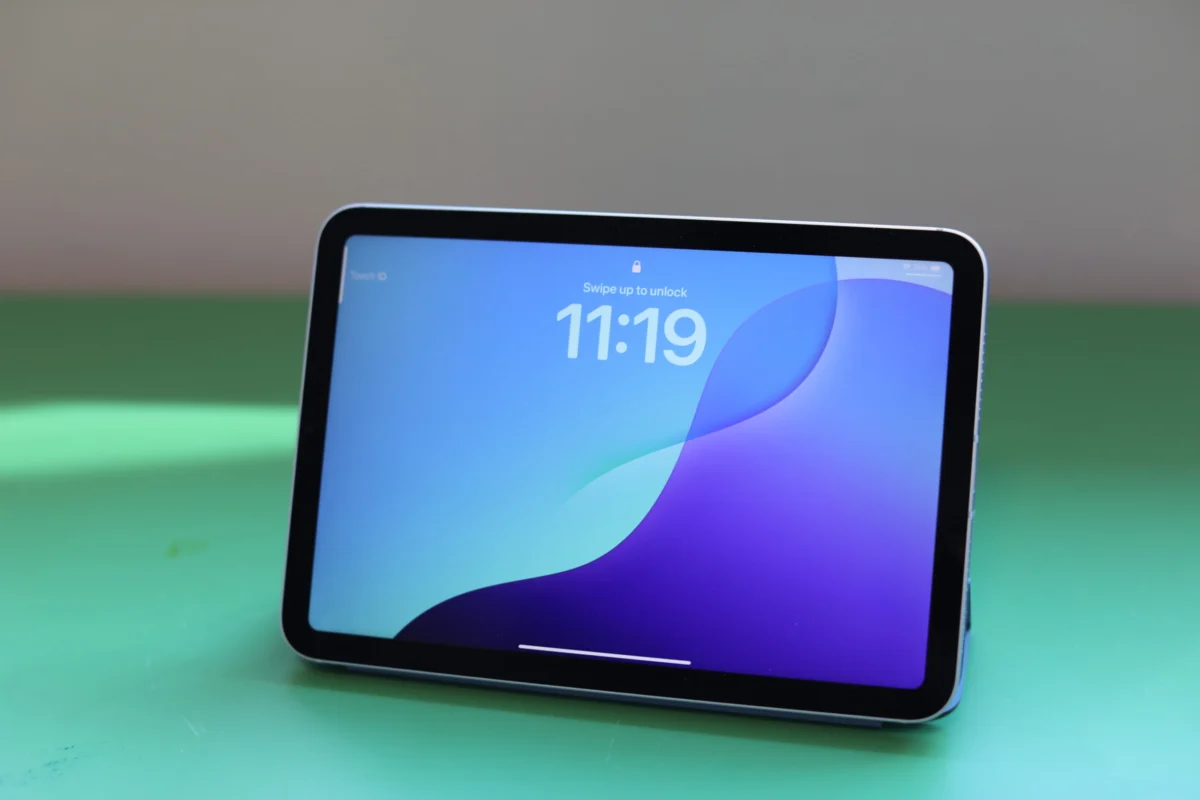
According to recent reports, Apple’s engineering teams are currently focused on four distinct models of the iPad Pro, each designed to leverage the next generation of Apple Silicon. These tablets are expected to provide substantial performance gains over the current M5-equipped lineup, which debuted in October 2025.
Simultaneously, the company is doubling down on its professional laptop segment with a new project internally codenamed "K104." This device is described as an "entry-level" MacBook Pro. While the term "entry-level" may seem contradictory when paired with the "Pro" moniker, it signals Apple’s intent to provide a high-performance, active-cooling machine that sits between the consumer-grade MacBook Neo and the high-end M5 Pro/Max variants.
Perhaps most significantly, the industry expects these machines to be the first to feature the M7 processor. This jump in silicon architecture suggests that Apple is looking to maintain its lead in power efficiency and compute-per-watt metrics, even as competitors like Qualcomm and Intel intensify their focus on ARM-based and AI-optimized chips.
A Chronology of Recent Innovations
To understand the gravity of these upcoming releases, one must look at the rapid cadence of Apple’s recent hardware cycle:
- October 2025: Apple introduces the current iPad Pro, powered by the M5 chip, setting a new benchmark for tablet performance and display technology.
- March 2026: A pivotal month for the Mac lineup. Apple launched a refreshed high-end MacBook Pro featuring the M5 Pro and M5 Max chips. Alongside it, the company introduced the "MacBook Neo," a unique, highly repairable laptop utilizing the A18 chip—an experimental shift toward leveraging iPhone-grade silicon in portable PCs.
- June 2026: Facing global economic headwinds, Reuters confirms that Apple has been forced to pass significant cost increases on to consumers. The 1TB MacBook Pro, previously priced at $1,699, saw a sharp increase to $1,999.
- July 2026 (Present): Reports emerge detailing the development of the "K104" entry-level MacBook Pro and four new iPad Pro iterations, signaling a strategic response to the cooling demand caused by recent price hikes.
Economic Implications: Supply Chains and Pricing Pressures
The decision to introduce a new, potentially more affordable "Pro" laptop is not merely a product design choice; it is an economic necessity. CEO Tim Cook has been transparent regarding the supply chain pressures that have plagued the tech industry throughout 2026. Memory costs, logistics, and semiconductor fabrication prices have skyrocketed, forcing Apple to break its long-standing price tiers.
The $300 price hike on the 1TB MacBook Pro is a microcosm of the "new normal" for Apple customers. As the company prepares for a post-Cook era, leadership is clearly looking for ways to capture the mid-market—users who require the raw power of a Pro machine but have been priced out by recent inflation-driven adjustments.
By utilizing the M7 chip across these new devices, Apple may be leveraging economies of scale. If the M7 can be manufactured in a way that maximizes yields, it could theoretically lower the cost-per-unit, allowing Apple to offer a more "budget-friendly" professional experience without compromising the brand’s premium reputation.

The Foldable Factor and Future Strategy
While the iPad and MacBook news dominates the current cycle, Apple’s long-term strategy remains tied to the diversification of its product categories. Rumors regarding a "foldable iPhone" continue to circulate, with industry analysts suggesting that the company is refining its foldable display technology to ensure it meets the rigorous durability standards that users expect from an Apple device.
These hardware initiatives are unfolding against a backdrop of internal organizational transitions. As the company readies for a future beyond Tim Cook’s tenure, the consistency of its hardware releases serves as a tether for investor confidence. Maintaining a steady stream of "Pro" hardware that appeals to creators, developers, and power users is essential for Apple to retain its dominance in the creative professional sector.
Official Responses and Industry Outlook
When approached for comment regarding the K104 project and the upcoming M7 rollout, Apple representatives maintained the company’s standard policy of not responding to rumors or speculation regarding unannounced products.
However, industry analysts suggest that the trajectory is clear. The "MacBook Neo," while successful in its modularity and repairability, operates on the A-series chip, which limits its capabilities for heavy-duty professional workflows. A new MacBook Pro (K104) would fill the gap for users who need a machine capable of handling intensive workloads—such as 4K video rendering or complex data compilation—without the extreme cost of the M5 Pro/Max tiers.
For the iPad Pro, the strategy appears to be one of refinement. With the tablet already possessing the raw power of a desktop computer, the focus for the next generation will likely be on display longevity, battery optimization, and deeper integration with Apple’s evolving AI ecosystem.
Conclusion: The Road to 2027
The first half of 2027 will be a critical period for Apple. By balancing the release of four new iPad Pros with a strategic "entry-level" MacBook Pro, the company is attempting to thread the needle between maintaining its high-margin revenue model and addressing the growing frustration of its core customer base regarding rising costs.
Whether these products will successfully mitigate the impact of current supply chain volatility remains to be seen. However, if history is any indication, Apple’s ability to leverage its proprietary silicon—this time the M7—will be the deciding factor in whether these machines resonate with the market. As we approach 2027, all eyes will be on the Cupertino campus to see if these rumored devices can bridge the gap between premium performance and accessible pricing.
Summary of Key Data Points
| Product Line | Expected Status | Key Feature |
|---|---|---|
| iPad Pro (4 models) | In Development | M7 Chip Architecture |
| MacBook Pro (K104) | In Development | "Entry-Level" Pro positioning |
| Processor | R&D | M7 Generation (Efficiency Focus) |
| Market Climate | Challenging | Significant supply chain price increases |
For more updates on Apple’s hardware roadmap and breaking news in the semiconductor industry, subscribe to our weekly tech newsletter.