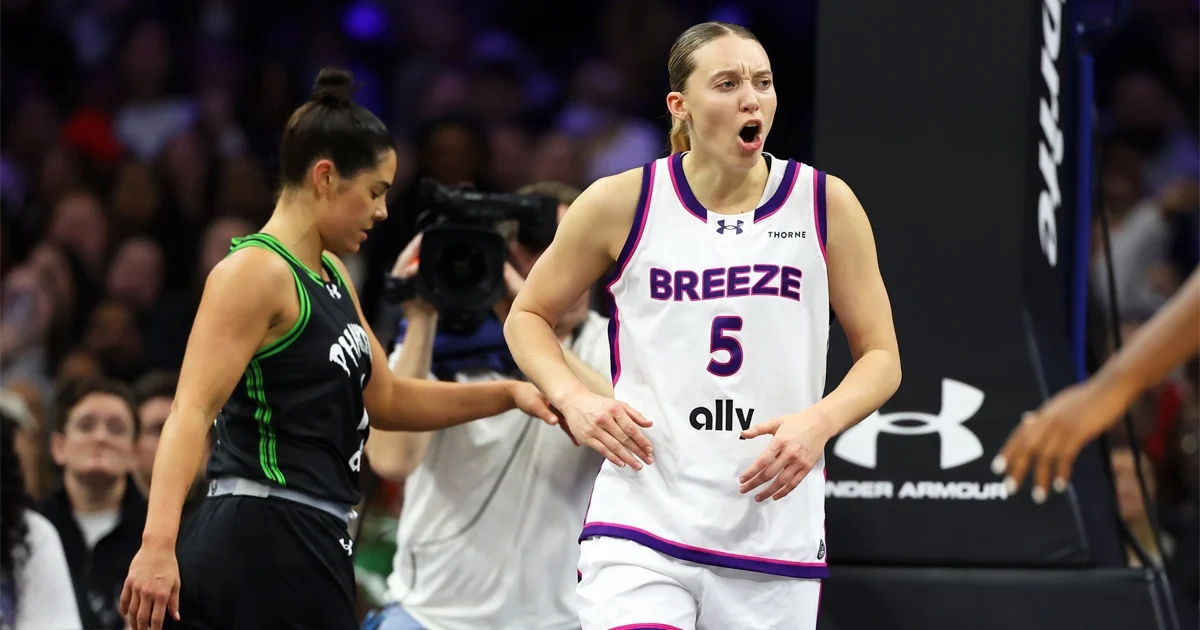
For most of their lives, elite athletes operate in a high-stakes ecosystem defined by physical excellence, unwavering discipline, and the relentless pursuit of victory. They are the top 0.01% of human performance. Yet, when the stadium lights dim and the professional career concludes, many find themselves facing a "transition cliff"—a sudden departure from a world where they are experts to a professional landscape where they often lack the network, corporate vocabulary, or industry-specific experience to thrive.
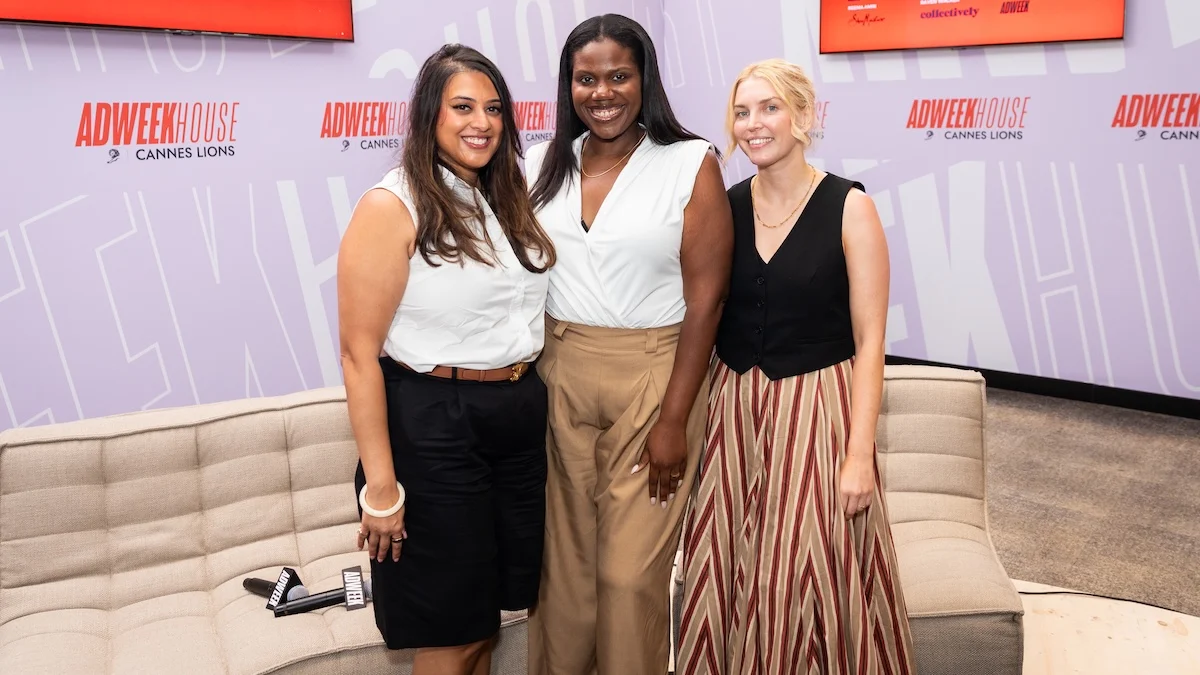
Recognizing this systemic gap, creative agency 72andSunny and advocacy group The Female Quotient (FQ) have announced a groundbreaking partnership: an executive apprenticeship program specifically designed for women athletes. The initiative, launching in tandem with the inaugural "SHE Weekend" in Las Vegas, aims to translate the grit and leadership skills honed in sports into long-term professional success in the corporate world.
The Genesis of SHE Weekend: From Viral Support to National Celebration
The backdrop for this initiative is as unconventional as the program itself. SHE (Sports, Hospitality and Entertainment) Weekend, scheduled for July 16–19 in Las Vegas, is a star-studded celebration of U.S. women athletes. The event was born from an unlikely champion: hip-hop icon and television personality Flavor Flav.
The origin story of the event traces back to February 2026, when a viral social media post by the rapper sparked a national conversation regarding the treatment of female athletes. After the U.S. women’s hockey team secured a Gold medal but reportedly felt overlooked during traditional recognition cycles, Flavor Flav—who had already gained attention as a vocal sponsor of the U.S. Olympic women’s water polo team—stepped in.
"Well, listen, girls, don’t worry, I’ll bring you guys out to Vegas, and we’ll celebrate you guys the way you guys need to be celebrated," Flavor Flav told ADWEEK. What began as a spontaneous offer to a single team rapidly expanded into a national movement. The event, now hosting over 100 U.S. Olympic and Paralympic medalists, has secured support from corporate heavyweights like Delta Airlines and MGM Resorts, which have provided travel and lodging for the athletes and their families.
Bridging the Corporate Divide: The Apprenticeship Model
While the celebrations in Las Vegas focus on honoring past achievements, the partnership between 72andSunny and The Female Quotient looks toward the future. The executive mentorship program is designed to move beyond the traditional "consultant" or "brand ambassador" roles often offered to athletes, instead embedding them into the operational core of the companies.
The Structure of the Program
The apprenticeship will initially select two women athletes for each participating company. These apprentices will rotate through various facets of the business, gaining exposure to:
- Creative and Media: Understanding the mechanics of brand-building and content creation.
- Back-Office Functions: Gaining literacy in finance, human resources, and operational logistics.
- Strategic Leadership: Working directly with executive teams to understand corporate decision-making.
The program is structured as a two-month intensive, though both 72andSunny and FQ have explicitly designed it to be flexible. Recognizing that athletes often have unconventional schedules due to training or recovery, the companies are prioritizing adaptability. Furthermore, the apprenticeship is not a dead-end experience; it is explicitly designed to culminate in potential paid, long-term employment.
The Data: Why Athletes Make Exceptional Executives
The logic behind targeting athletes for executive roles is supported by a growing body of research. The correlation between athletic competition and high-level corporate performance is no longer anecdotal—it is data-backed.
A landmark 2020 report from EY found that an overwhelming 94% of women in the C-suite played sports at some point in their lives, with 52% having competed at the university level. This suggests that the environment of the playing field serves as an incubator for the soft skills that are most prized in the boardroom: resilience, team cohesion, and the ability to perform under extreme pressure.
Gartner corroborated these findings in a separate study, noting that 85% of women who played sports identified the experience as a primary catalyst for their professional success. These findings highlight that the "transferable skills" gap is not a lack of capability, but a lack of visibility and access.
"These athletes are the most primed future executives," said Talia Bender Small, president of The Female Quotient. "They are the most collaborative. They have leadership skills. They have perseverance. They have determination. They are competitive with themselves. That internal drive is exactly what we need in the modern workforce."

Perspectives from Leadership: Building for the Long Term
Evin Shutt, global CEO of 72andSunny, emphasizes that the program is still in its pilot phase. The decision to launch during SHE Weekend is strategic; it provides a high-density environment where they can listen to the athletes’ specific needs.
"These are women who are incredibly accomplished in what they do, and they understand competition and winning at a level unlike most humans on Earth," Shutt told ADWEEK. "How do we give them exposure to professional careers through what our companies do? We are using this time to gather information to make sure we build this the right way."
The ambition extends beyond just these two companies. Shutt has been vocal about her desire to create a "blueprint" that other corporations can follow. By openly sharing the structure and challenges of the program, she hopes to trigger a broader movement in the corporate sector to actively recruit retired athletes.
"We’re not going to keep this a secret," Shutt stated. "The more companies and organizations that get involved and sign up to take on apprenticeships, the better."
Implications: A Shift in Corporate Culture
The implications of this program are twofold. First, it directly addresses the economic uncertainty that often haunts athletes post-retirement. By providing a structured pathway into finance, HR, and creative strategy, the program mitigates the risk of financial instability and professional disillusionment.
Second, it challenges the corporate sector to rethink how it evaluates "experience." Traditionally, HR departments rely on chronological resumes and previous job titles. This apprenticeship program forces a shift toward evaluating "capacity"—the demonstrated ability to lead, pivot, and execute in high-pressure environments.
As Bender Small noted, "I would not be surprised if some of these athletes stay with us for a really long time." This suggests that the program is not merely a philanthropic endeavor, but a strategic talent acquisition play. Companies that tap into the "athlete mindset" early are essentially gaining access to a cohort of high-achievers who are already conditioned to excel in team-based, competitive environments.
The Path Ahead: Can SHE Weekend Become a Legacy?
As the inaugural SHE Weekend unfolds in Las Vegas, the atmosphere is one of celebration, but the undertones are strictly professional. With concerts, private dinners, and high-level networking events, the weekend is effectively serving as a career fair for some of the most disciplined individuals in the country.
Flavor Flav’s vision for the event is long-term. "If this first one goes good, I got a feeling we can do it again next year," he said. "And if we could do it again next year, I’d love to do it every year."
For 72andSunny and The Female Quotient, the success of this program will be measured not just by the number of athletes hired, but by the systemic change it inspires. If they can successfully prove that an Olympic medalist or a professional league veteran can transition seamlessly into a senior role at a creative agency or a multinational corporation, it could rewrite the standard operating procedure for athlete career development globally.
The transition from the arena to the boardroom is notoriously difficult, often marked by a loss of identity and a lack of direction. However, by providing the tools, the network, and the opportunity, this new apprenticeship program promises to ensure that the skills honed on the field remain a permanent asset to the professional world—proving that for these women, the end of an athletic career is not the end of the race, but merely the start of a new, equally ambitious chapter.