NEW YORK — In an era defined by fleeting digital trends, algorithmic consumer engagement, and the relentless pressure of quarterly earnings, few corporate pivots are watched as closely as the ongoing transformation of Starbucks. Two years into its aggressive "Back to Starbucks" turnaround strategy, the world’s largest coffeehouse chain is not merely surviving the post-pandemic economic landscape; it is aggressively reclaiming its cultural footing.
Global comparable sales surging by 7.9% in the previous quarter signal that the Seattle-founded icon’s multifaceted restructuring is yielding tangible financial dividends. Yet, numbers alone fail to capture the full scope of the shift. Behind the soaring revenue lies a deliberate, emotionally resonant marketing and operational overhaul aimed at repairing what company leadership bravely admitted had gone astray: the brand’s connection to its core identity.
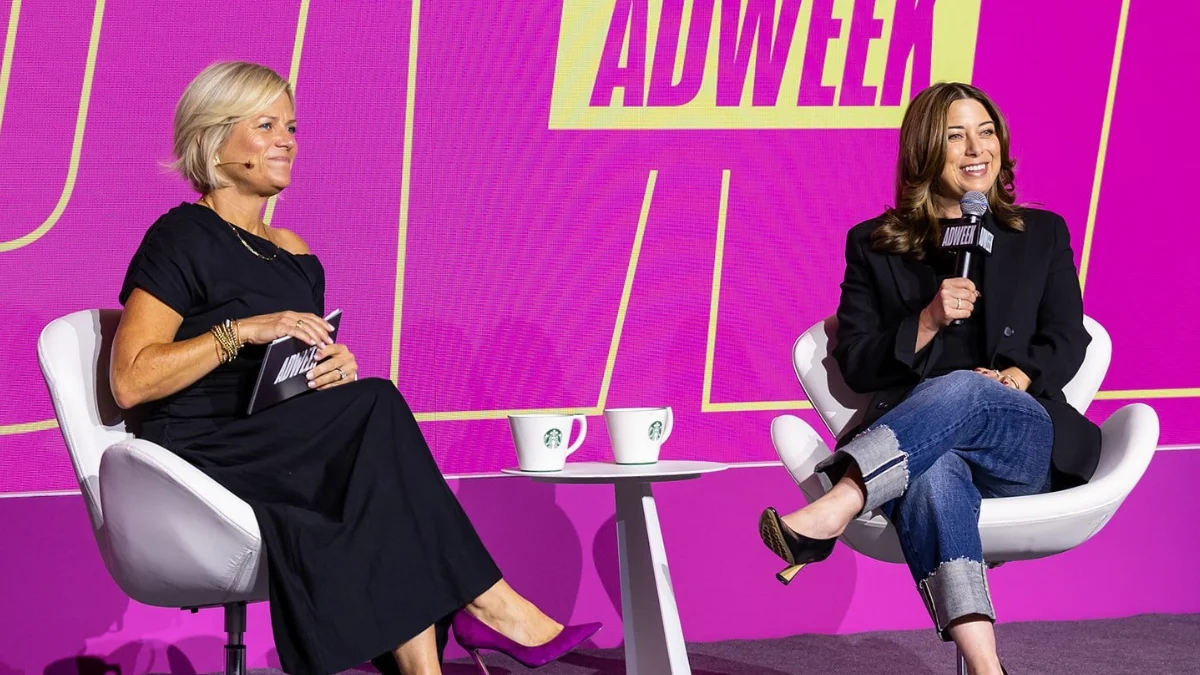
At the recent Brandweek summit in Atlanta, Starbucks Chief Brand Officer Tressie Lieberman pulled back the curtain on this high-stakes corporate evolution. In a candid conversation with ADWEEK Chief Brand Officer and Community Officer Jenny Rooney, Lieberman unpacked the philosophy guiding the brand’s resurgence—a journey rooted in rediscovering the sensory, communal magic that first made the green mermaid a global household name.
Main Facts: The Anatomy of the Starbucks Revival
The core narrative of the "Back to Starbucks" initiative centers on a return to fundamentals. For years, the brand had leaned heavily into digital acceleration, mobile ordering efficiencies, and rapid transaction speeds. While these innovations kept lines moving, they inadvertently stripped away the experiential, artisanal warmth that originally defined the Starbucks third-place ethos.
The turning point arrived with a stark diagnosis from within the executive suite. Upon stepping into her role in 2024, Lieberman confronted a hard truth: despite its massive global footprint and unmatched market penetration, Starbucks had, in her words, "lost a bit of soul."
To reverse this trajectory, leadership orchestrated a comprehensive stabilization plan that addressed three critical pillars:
- Operational Consistency: Streamlining in-store workflows to ensure that beverages are delivered with predictable speed and high quality, reducing friction for both customers and baristas.
- Store Atmosphere: Redesigning and reinvesting in physical spaces to make them more inviting, comfortable, and conducive to lingering—reviving the classic "third place" concept between home and work.
- Cultural Re-engagement: Shifting marketing strategies away from sterile, transaction-focused promotions toward emotionally resonant campaigns that celebrate craftsmanship, community, and human connection.
The financial validation of these efforts is now undeniable. With global comparable sales climbing 7.9% last quarter, the strategy has proven that operational benevolence and commercial success are not mutually exclusive. Instead, they are deeply symbiotic.
Chronology: The Road from Drift to Renewal
To understand how Starbucks arrived at its current inflection point, it is necessary to examine the timeline of events, pressures, and strategic decisions that shaped the past several years.
Pre-2023: The Digital Acceleration Era
In the wake of global disruptions, Starbucks heavily prioritized digital infrastructure. The Starbucks Rewards program expanded rapidly, and mobile order-and-pay channels became the primary engine of daily volume. While this insulated the business during uncertain times, it created severe operational bottlenecks inside stores. Long lines of mobile customers crowded pickup counters, physical seating areas were frequently deprioritized or neglected, and the tactile art of coffee-making risked being reduced to an assembly-line assembly.
2024: Diagnosis and Leadership Realignment
Recognizing that transactional efficiency was cannibalizing brand equity, Starbucks initiated a leadership refresh designed to steer the company back toward its heritage. Tressie Lieberman joined the executive team as Chief Brand Officer, tasked with auditing the brand’s emotional resonance and marketing architecture. Her early assessments were remarkably candid: the brand had drifted from its core values. The mandate was set: simplify the message, restore the soul of the coffeehouse, and re-center the customer experience.
Late 2024 to 2025: Operational Refinements and Strategic Marketing
Starbucks rolled out targeted operational interventions, focusing on barista support, equipment optimization, and store design updates. Concurrently, the marketing team began crafting campaigns designed to re-establish seasonal traditions and emotional anchors. High-profile cultural plays—such as cementing the brand’s footprint around major cultural moments like Super Bowl Monday with free coffee offers—demonstrated a renewed confidence in large-scale, joyful brand-building rather than just performance-marketing conversions.
Current Phase (Late 2025 to 2026): Momentum and Brand Reclaiming
Today, the transformation has entered its acceleration phase. The 7.9% bump in global comparable sales confirms that consumers are responding favorably to the restored consistency and warmth. As Lieberman outlined at Brandweek, the focus has shifted from damage control to active brand guardianship—ensuring that every touchpoint, from a mobile app notification to the ambient noise of a neighborhood cafe, reflects the authentic spirit of Starbucks.
Supporting Data: Metrics That Matter
A corporate transformation cannot rely on nostalgia alone; it must be substantiated by hard financial and operational metrics. The recent performance indicators from Starbucks reflect a broad-based recovery across multiple key performance indicators (KPIs):
- Global Comparable Sales Growth: Up 7.9% in the most recent quarter, signaling accelerated demand across both domestic and international markets.
- Customer Retention & Digital Engagement: The Starbucks Rewards loyalty program continues to expand, maintaining high active-user rates even as the brand recalibrates its focus toward in-store hospitality.
- Operational Throughput: Improved in-store alignment has reduced order-fulfillment times during peak morning hours, directly improving customer satisfaction scores (CSAT).
- Marketing Efficiency: Reallocating spend toward emotionally driven campaigns has resulted in higher organic social engagement and positive brand sentiment shifts across key demographics, particularly Gen Z and Millennials.
These figures illustrate that the "Back to Starbucks" strategy is not merely a cosmetic PR exercise, but a rigorous, data-backed recalibration of the company’s foundational business model.
Official Responses and Perspectives: Insights from Brandweek
During her headline appearance at Brandweek in Atlanta, Tressie Lieberman offered deep insights into the psychological and strategic dimensions of the turnaround. Sitting down with ADWEEK’s Jenny Rooney, Lieberman emphasized that reclaiming the brand’s soul required immense discipline and a willingness to confront uncomfortable truths.
"When I joined in 2024, the brand felt like it had lost a bit of soul," Lieberman told the Brandweek audience. "So it was very simple: we had to strip away the clutter, listen to our partners [baristas] and our customers, and remember why people fell in love with Starbucks in the first place. Coffee is inherently human. It’s about a moment of pause, a friendly face across the counter, and a space to breathe."
Lieberman’s remarks underscored a broader industry realization: modern consumers are increasingly fatigued by hyper-optimized, sterile digital experiences. Brands that win today are those that can inject genuine humanity and tactile warmth back into their customer journeys. By empowering baristas and reinvesting in the physical environment of its stores, Starbucks has positioned itself as an antidote to digital burnout.
Industry analysts have similarly praised the pivot. Where critics once argued that Starbucks had scaled too fast and lost its neighborhood identity, current evaluations suggest that the company’s leadership possesses the operational agility required to course-correct without sacrificing enterprise scale.
Implications: What the Starbucks Turnaround Means for the Broader Industry
The lessons extending from the Starbucks transformation reach far beyond the coffee sector, offering a masterclass in modern brand management for CMOs, marketers, and commerce executives navigating a complex economic climate.
1. The Limits of Pure Optimization
For years, direct-to-consumer and retail brands have pursued efficiency above all else—automating customer service, minimizing human touchpoints, and treating marketing purely as a performance-funnel metric. The Starbucks case demonstrates that hyper-efficiency, when executed at the expense of emotional connection, can slowly erode brand equity. Long-term loyalty requires moments of genuine delight that cannot be coded into an algorithm.
2. The Resurgence of the "Third Place"
As remote and hybrid work models continue to reshape urban geographies, the desire for accessible, welcoming communal spaces has never been higher. Starbucks’ reinvestment in the physical coffeehouse environment highlights a vital commercial truth: physical retail spaces must offer an experience that digital storefronts cannot replicate. Comfort, ambiance, and community are competitive advantages.
3. Alignment Between Marketing and Operations
A brand promise is only as strong as its operational delivery. Starbucks succeeded in its turnaround because its marketing messaging ("Back to Starbucks") was directly synchronized with operational changes inside the stores (improved service consistency, better barista support, and welcoming spaces). When marketing and operations work in tandem, brand trust is reinforced; when they are misaligned, consumer cynicism quickly follows.
Looking Ahead
As Starbucks prepares for future milestones—including high-profile industry gatherings like ADWEEK House: Advertising HQ in Midtown this October—the brand stands as a compelling case study in corporate resilience. By having the courage to diagnose its own shortcomings and the discipline to execute a human-centric turnaround, Starbucks has proven that even the most established giants can reinvent themselves by simply remembering who they are.