In the traditional marketing playbook, the process is often linear: design a campaign, launch it with great fanfare, and wait for the results. If the campaign hits its goals, the team celebrates; if it flops, they move on to the next “big idea.” However, in an increasingly competitive digital landscape, this "swing-for-the-fences" approach is proving to be a liability.
Enter iterative testing—a methodology borrowed from software engineering that prioritizes small, frequent, and data-backed improvements over complete, wholesale overhauls. By shifting from a "launch and forget" mindset to a cycle of continuous refinement, marketers can reduce wasted ad spend, adapt to shifting consumer behaviors in real-time, and drive compounding growth.
The Philosophy of Incrementalism
At its core, iterative testing is the practice of repeatedly testing, measuring, and refining marketing assets. Instead of waiting for a quarterly review to see if a campaign was successful, teams use iterative testing to plug "slow leaks" in their conversion funnels.
Most marketing failures aren’t catastrophic explosions; they are gradual drains on a budget—a headline that doesn’t quite resonate, a CTA button that isn’t placed optimally, or a mobile experience that feels sluggish. Iterative testing allows marketers to fix these issues incrementally. By focusing on small wins, teams create a compound effect where each experiment builds upon the insights gathered from the last.
Why Marketers Must Embrace the Shift
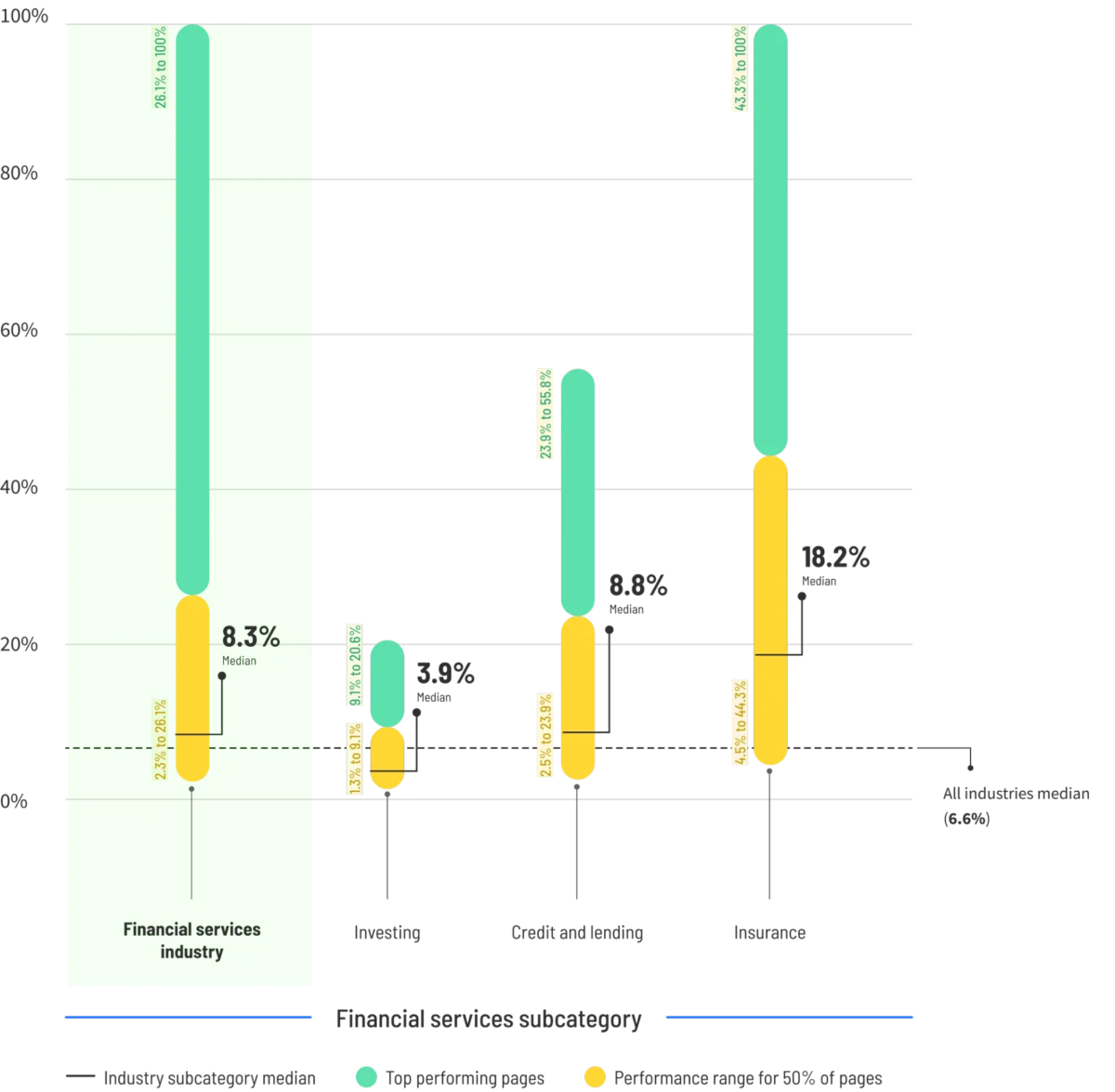
Data from the 2024 Conversion Benchmark Report underscores the necessity of this shift. The report revealed that landing pages written at a 5th-7th grade reading level convert at an 11.1% rate—more than double the rate of those utilizing professional or high-complexity language. Without a rigorous, iterative testing process, a brand might never discover how its specific audience responds to varying levels of linguistic complexity.

The Chronology of a Successful Test Cycle
For those accustomed to long-form campaign planning, the iterative model can feel counter-intuitive. However, it follows a strict, repeatable lifecycle designed for velocity.
- Hypothesis Formulation: Instead of testing the entire page, teams isolate a single variable (e.g., the headline’s emotional hook).
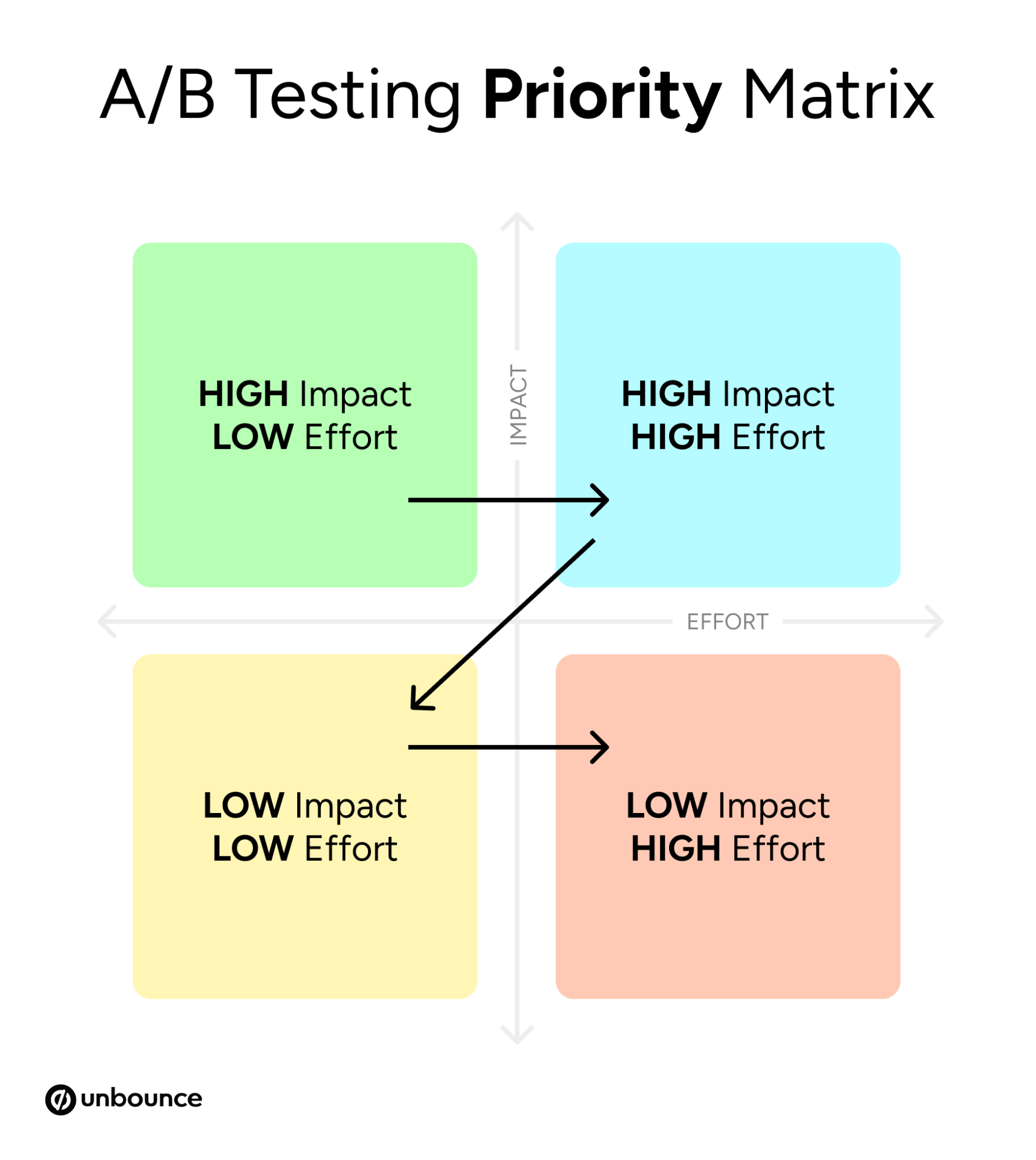
- Prioritization: Utilizing a 2×2 matrix, teams map out tests based on the balance of "Expected Impact" versus "Implementation Effort."
- Variant Creation: Teams build minimal, testable variations of the asset, ensuring the variable is clean and isolated.
- Data Collection: The test is launched, and data is collected until it reaches statistical significance—ensuring the result is a trend, not a fluke.
- Synthesis and Action: The findings are analyzed, not just for the conversion lift, but for the "why" behind the numbers.
- Expansion: Successful learnings are scaled to other channels, while unsuccessful tests provide valuable negative data.
Supporting Data: Why "Small" Wins Big
The argument for iterative testing is supported by hard data regarding user behavior and device performance.
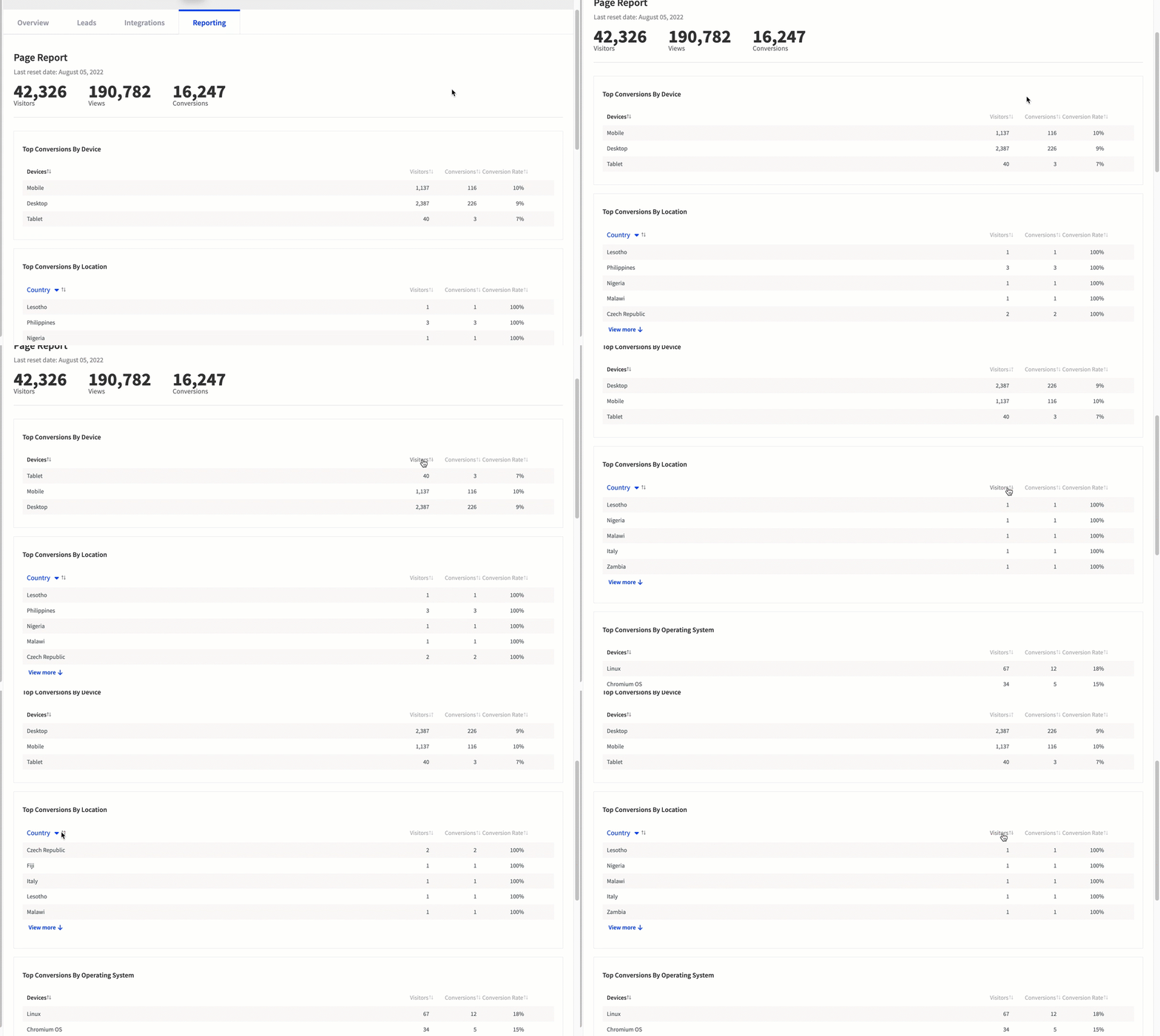
According to the latest industry benchmarks, roughly 83% of landing page traffic now originates from mobile devices. Yet, counter-intuitively, desktop traffic continues to convert 8% better on average. This data point is a goldmine for an iterative testing team. Instead of making a blanket assumption that "mobile is the priority," a team can run a series of iterative tests to determine if their specific user base requires a different mobile messaging strategy or a simplified checkout flow.
Furthermore, research indicates that high word complexity on landing pages shows a -24.3% negative correlation with conversion rates. An iterative approach allows a brand to test this on a small segment of traffic before applying a site-wide change, effectively protecting the bottom line while optimizing performance.
Official Perspectives: The Role of Technology
Industry leaders in the conversion space emphasize that the barrier to iterative testing is no longer technical; it is cultural. Modern tools have democratized the ability to run these tests.

"The goal is not to reach perfection," explains Josh Gallant, founder of Backstage SEO. "The goal is to reach progress." Gallant notes that the most effective marketing teams are those that view their landing pages as "living documents" rather than static billboards.
With the advent of tools like Unbounce’s Smart Traffic, even low-traffic websites can begin optimizing after just 50 visits. This removes the "traffic barrier," allowing smaller companies to compete with enterprise-level players by iterating faster. The consensus among experts is clear: the speed of your feedback loop is directly proportional to your growth trajectory.
Implications: Building a Culture of Experimentation
Adopting an iterative testing model has profound implications for an organization’s structure and output.
1. Breaking Down Silos
Iterative testing thrives on collaboration. When the support team identifies that users are confused by pricing, the marketing team can immediately launch a test to clarify the pricing structure on the landing page. This cross-departmental synergy ensures that testing is driven by real-world friction points rather than speculative hunches.
2. Risk Mitigation
By testing on small segments, companies effectively "de-risk" their marketing spend. If a new campaign concept flops, it is only tested on a fraction of the traffic, minimizing the negative impact on revenue. This provides marketers with the psychological safety required to take bolder, more creative risks.
3. The "Compound Growth" Effect
Perhaps the most significant implication is the long-term impact on ROI. A 5% increase in conversion rate might seem trivial in a vacuum. However, when that 5% improvement is achieved every month through iterative testing, the compounded result over a year is transformative. It turns a stagnant marketing strategy into a high-performance engine that is constantly learning and evolving.
Best Practices for Maintaining Momentum
To sustain an iterative program, organizations must avoid the common pitfalls of analysis paralysis and over-engineering.
- Avoid Complexity: Avoid the temptation to run massive, multi-variable tests. They create noise that makes it impossible to determine which change actually drove the conversion. Stick to one clear variable at a time.
- Prioritize Speed: If a test is planned to take four weeks to build, it is likely too complex. The best tests are those that can be deployed within days.
- Embrace "Failure": A test that yields a negative result is not a failure; it is a successful identification of what does not work. This data is just as valuable as a positive result because it saves the team from wasting resources on similar tactics in the future.
Conclusion: The Never-Ending Loop
Iterative testing is not a project with a start and end date; it is a permanent change in organizational DNA. By shifting the focus from "big launches" to "continuous improvement," businesses can build a resilient, data-driven marketing strategy that thrives regardless of market fluctuations.
The companies that win in the coming years will not necessarily be the ones with the largest budgets, but those that learn the fastest. By adopting an iterative approach, your brand can turn every visitor interaction into a data point, every campaign into a lesson, and every quarter into a record-breaking performance. The cycle starts today—all you need to do is pick one variable, draft a hypothesis, and hit "test."