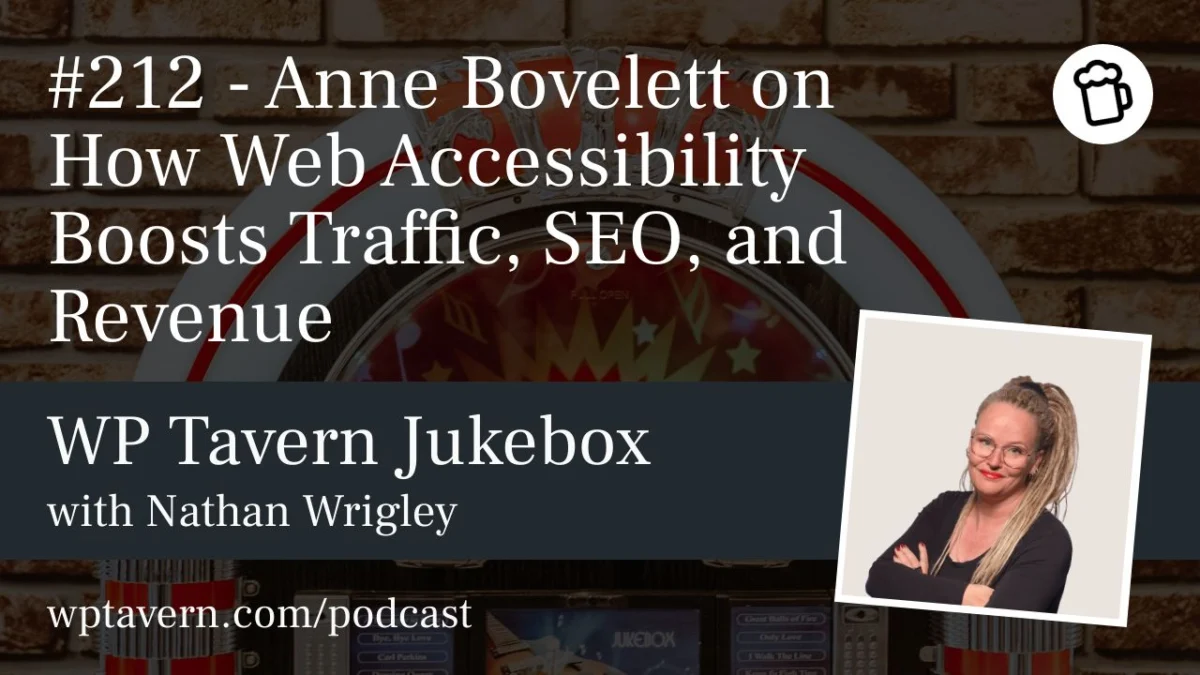
In the fast-paced world of digital commerce, business owners often view web accessibility as a "nice-to-have"—a moral checkbox to tick to avoid legal scrutiny or to demonstrate corporate social responsibility. However, a growing body of evidence, bolstered by recent data from digital marketing experts and accessibility strategists, suggests that this perspective is not only outdated but financially reckless.
For many, accessibility is misunderstood as a purely technical, altruistic burden. In reality, it is a potent, underutilized growth lever. By neglecting the inclusive design of their digital presence, organizations are effectively "leaving money on the table," potentially forfeiting billions in revenue while simultaneously stifling their search engine performance.
The Evolution of the Web: From Semantic Roots to "Verschlimmbesserung"
To understand why the digital landscape is currently struggling with accessibility, one must look at the historical trajectory of web development. In the early days of the internet, developers were constrained by limited technology, which inadvertently forced them to rely on semantic HTML. Because these sites were built using structured, descriptive code, they were natively compatible with screen readers and other assistive technologies.
As the web evolved, the industry sought to "improve" user experiences through complex frameworks and decorative elements. Anne Bovelett, a veteran accessibility strategist, describes this phenomenon using the German term verschlimmbesserung—a concept that describes a "fix" that actually makes a situation worse.
"We moved from functional, semantic HTML to a reliance on ‘div’ and ‘span’ elements—the chameleons of the coding world," Bovelett explains. "These elements are essentially useless for accessibility without layers of complex JavaScript. We traded structural integrity for visual flair, and in doing so, we created barriers that we are now only just beginning to dismantle."
This shift, while well-intentioned, created a digital environment where accessibility became an afterthought. Because the internet is often accessed in the privacy of one’s home, the "failure" of a website to accommodate a user is invisible to the business owner. Unlike a physical storefront where a lack of a ramp is immediately apparent, a inaccessible website silently alienates a significant portion of the population without the business ever realizing a potential customer has "bounced" due to technical frustration.
The Economic Imperative: Hard Data on Compliance
The argument for accessibility has historically been centered on social equity. However, modern businesses are increasingly responding to the language of the bottom line. Recent research conducted by SEMrush in collaboration with AccessibilityChecker.org has provided the quantitative backing that proponents have long sought.
By analyzing 10,000 websites, the study revealed compelling correlations between compliance and performance:
- Organic Traffic Growth: Sites with higher accessibility compliance scores saw an average increase of 23% in organic traffic.
- Keyword Rankings: Compliant websites ranked for 27% more organic keywords compared to their less accessible counterparts.
- Authority Scores: There was a 90% boost in authority scores for sites that prioritized accessibility, signaling to search engines that these domains are more reliable and user-friendly.
These figures suggest that search engines, whose primary goal is to provide the best possible experience for their users, are naturally rewarding websites that are designed with human-centric, accessible principles. When a site is navigable via keyboard, contains descriptive link text, and utilizes semantic structure, it is easier for search bots to index and interpret. Accessibility, therefore, is not just a legal obligation; it is a fundamental pillar of effective Search Engine Optimization (SEO).
The "Click Away" Cost: Billions in Lost Revenue
The financial implications of ignoring accessibility extend far beyond SEO metrics. The "Click Away Pound" report, a landmark study in the e-commerce sector, highlights the massive scale of lost potential. In 2016, it was estimated that businesses lost 11.75 billion pounds due to inaccessible web design. By 2019, that number had surged to 17 billion.
This phenomenon occurs when users with disabilities—who represent a significant market segment—encounter a site that is difficult to use and simply "click away" to a competitor.
"It is a staggering amount of money," Bovelett notes. "And the tragedy is that 75% of disabled customers have explicitly stated they would be willing to pay more for a product from an accessible website rather than struggle through a cheaper, inaccessible one. They are choosing dignity and ease over the lowest price."
This behavioral data challenges the assumption that price is the primary driver of e-commerce conversions. For the end-user, the "cost" of a product includes the time and mental effort required to complete the transaction. If a site is difficult to navigate, the customer is paying a "friction tax" that eventually leads them to abandon their cart.
Redefining Support Costs and Operational Efficiency
Beyond acquisition and conversion, accessibility also plays a critical role in reducing operational overhead. A common, yet often overlooked, expense for digital businesses is the cost of customer support.
When a website is inaccessible, it creates a "support bottleneck." Users who cannot complete tasks—such as filing taxes, managing subscriptions, or purchasing goods—are forced to reach out to help desks, chat support, or phone lines. This creates an unnecessary drain on staff resources.
Case studies in the Netherlands, including efforts by local tax offices, have shown that a comprehensive accessibility overhaul can reduce support requests by up to 30%. By empowering users to solve their own problems through an accessible interface, organizations not only improve customer satisfaction but also reallocate staff time toward more high-value tasks.
The Path Forward: A New Role for Digital Leadership
The current structure of many large organizations often prevents the implementation of accessibility. Development teams are often siloed, with designers, coders, and content managers working in vacuums, unaware of how their specific decisions impact the broader accessibility of the product.
Bovelett proposes the creation of a new, hybrid professional role: the "Accessibility Strategist." This individual would act as a bridge between the C-suite, design teams, and development departments.
"We need someone who understands the technical details but also has the professional standing to challenge the C-suite," Bovelett argues. "This person would be responsible for fostering a culture of communication where a developer can approach a designer and say, ‘I see an accessibility issue here, what was the intent?’ rather than just blindly coding a problematic feature."
This shift requires moving away from the "compliance-first" mindset. Compliance is a floor, not a ceiling. Relying on automated tools to reach a "97% score" can often lead to a false sense of security, as the final 3% of errors can frequently be the very barriers that prevent the majority of users from accessing the site.
Implications for the Future
As artificial intelligence begins to play a larger role in how we search and interact with the web, the importance of accessible, semantic code will only grow. AI models are trained on existing web data; if the web is filled with "div and span" soups and non-descriptive content, AI will struggle to interpret these sites for users.
For businesses, the roadmap is clear. Accessibility is not a chore to be outsourced to a plugin or a legal department. It is a strategic business advantage. It is a way to reach more users, improve search rankings, decrease support costs, and build a more loyal customer base.
The businesses that succeed in the coming decade will be those that embrace "human-centric" design. By viewing accessibility as a tool for growth rather than a hurdle to be cleared, leaders can ensure their digital platforms remain robust, profitable, and—most importantly—open to everyone. As Bovelett aptly summarizes, the choice is simple: you can either continue to leave billions on the table, or you can build a web that actually works for the people it serves.