The WordPress ecosystem thrives on a diverse cast of characters: agency owners, core contributors, theme designers, and plugin developers. Few, however, boast a resume that bridges the platform’s humble beginnings with the modern creator economy—and even fewer can claim to run a thriving, WordPress-powered artisanal pizza business.
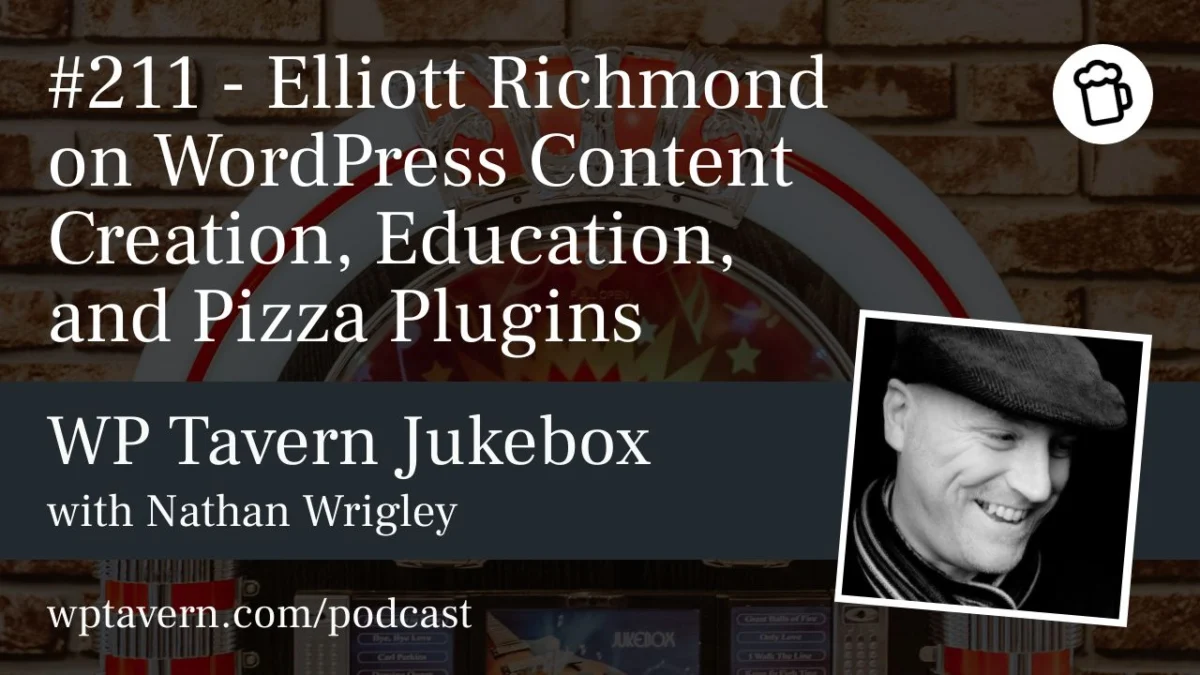
In a recent episode of the Jukebox Podcast from WP Tavern, host Nathan Wrigley sat down with Elliott Richmond, a developer who has been working with WordPress for over 20 years. Their conversation spans a remarkable timeline: from the prehistoric days of the b2 CMS fork to running a local food enterprise during global lockdowns, and finally, embarking on a major content partnership with Automattic for 2026.
Main Facts: The Intersection of Code, Crust, and Content
The core narrative of Richmond’s current professional life centers on three distinct pillars:
- Deep Roots: A self-taught developer since the early 1990s, Richmond worked with early content management systems like Joomla and Drupal before adopting
b2, the direct predecessor to WordPress. - The Pizza Pilot Enterprise: What started as a temporary pandemic pivot to supply neighbors with sourdough pizza evolved into a five-person operation. Today, Richmond has packaged this business model—complete with a custom-built WordPress and WooCommerce plugin—for other entrepreneurs.
- The Automattic Creator Partnership: Facilitated by community leaders like Michelle Frechette and Stacey Carlson, Richmond has secured an official partnership with Automattic to produce long- and short-form educational content centered around WordPress.com throughout 2026.
Chronology: Two Decades of Evolution
The Early Days: Pre-WordPress and the b2 Era
Richmond’s journey on the web began long before Gutenberg blocks or even the classic TinyMCE editor. In the early 1990s, he built simple websites for musical bands he played in. Transitioning from a design agency background into freelancing, he experimented with various CMS platforms before landing on b2.
When Matt Mullenweg and Mike Little forked b2 to create WordPress, Richmond was there from the ground up. In 2013, he famously spearheaded a community-driven WordPress advent calendar, pulling together code snippets from roughly 30 developers who were pushing the CMS far beyond its original blogging intent into portfolios and product databases.
The Pandemic Pivot: The Accidental Pizzaiolo
When COVID-19 lockdowns hit, Richmond and his wife, Rachel, faced the same uncertainties as many small business owners. Recognizing a gap in their local village as delivery shops shuttered, they began baking and delivering pizzas.
What was initially conceived as a temporary weekend hobby turned into a permanent fixture of their community. Five years later, the business employs five staff members and serves as a blueprint for a broader entrepreneurial model.
Entering the Automattic Fold
Richmond’s transition into formal content creation for Automattic began organically. Influenced by creators like Jamie Marsland—head of the WordPress.com YouTube channel—Richmond began sharing his technical knowledge through polished, animated YouTube tutorials.
This caught the attention of community advocates. Following an introduction by Michelle Frechette to Stacey Carlson, Automattic’s Affiliate and Influencer Director, Richmond pitched a series of concepts highlighting how he uses WordPress in his daily life. This snowballed into an official content creation partnership for 2026, supported by Brit Solata, Head of Influence Marketing.
Supporting Data: The Tech Stack Behind the Brand
To understand how Richmond manages multiple ventures simultaneously, his operational and technical workflows offer a fascinating glimpse into the modern solo-creator playbook.
The Pizza Plugin Ecosystem
Driven by his wife’s marketing acumen, Richmond built a specialized WordPress/WooCommerce plugin to automate his pizza business. Key features include:
- Time-Based Slot Systems: Controls order volume by restricting intake to specific windows.
- Geospatial Restrictions: Employs postcode-based radius checking (e.g., a strict delivery mileage limit) to ensure logistics remain manageable, though customers have been known to drive up to 120 miles just to pick up a pie.
- The Business Model: The plugin is packaged alongside instructional video courses on dough-making and social media marketing, sold as a complete turnkey license to prospective operators in other locales.
The Low-Tech Content Studio
Despite producing highly polished, technically precise educational videos, Richmond’s production setup is famously frugal:
- Hardware: An iPhone mounted to his desk acts as the primary camera.
- Lighting: A small LED panel diffused by a modified cat food pouch box and a sheet of tissue paper.
- Audio & Editing: Studio monitors (NS-10s) for sound balancing, paired with DaVinci Resolve for video editing and motion graphics.
- Workflow: Voice-to-text brain dumps via accessibility shortcuts, refined with AI polishing, and finally structured into conversational scripts.
Official Responses and Partnership Dynamics
The partnership between independent creators and corporate entities like Automattic often sparks curiosity regarding editorial independence. Richmond was candid about the nature of his arrangement during the podcast.
"There are kind of… who this is for, what’s good to do, what isn’t great to do," Richmond explained regarding initial project briefs. "So there are… not guardrails as such, you’re given complete flexibility, but you are given a kind of… brief of what this is for and what the target is. I don’t find that restrictive in any way."
Rather than being micromanaged to push specific corporate talking points, Richmond has been given early access to emerging features—such as developer-focused tools within the local WordPress Studio app—allowing him to test, evaluate, and educate his audience authentically.
"The products that are being talked about are products that I use every day, so it has synergy," he noted. "It’s not like I’m having to do something that I wouldn’t be comfortable doing."
Implications for the WordPress Community
Richmond’s trajectory highlights several significant shifts within the broader WordPress landscape:
1. The Rise of the Empowered Independent Creator
Automattic’s willingness to sponsor and support independent creators—rather than relying solely on internal marketing teams—signals a maturing creator economy within open source. By trusting figures with long-standing community credibility (such as Richmond and Marsland), the platform fosters authentic, peer-to-peer education.
2. WordPress as "The Glue" for Micro-Businesses
The narrative challenges the notion that WordPress is strictly for enterprise sites, blogs, or traditional e-commerce shops. By acting as the operational backbone for a localized, time-sensitive food business, WooCommerce and custom plugins demonstrate extreme versatility. Richmond’s upcoming plugin release suggests a future where niche physical businesses can easily package and license their digital operating systems.
3. The Power of Community Feedback Loops
Both Wrigley and Richmond emphasized the unique nature of YouTube as a feedback mechanism compared to traditional blog comments. Constructive viewer engagement—and even negative commentary—plays a vital role in shaping future content, proving that modern documentation is dynamic, conversational, and community-driven.
Conclusion
As Elliott Richmond looks toward the remainder of 2026, his work stands as a testament to the unpredictable nature of a career built on open-source software. Whether he is decoding complex developer features like Xdebug, orchestrating weekend pizza rushes, or editing video tutorials by the light of a makeshift diffuser, his journey proves that technical curiosity, when paired with the flexibility of WordPress, can unlock entirely unexpected horizons.