Google has quietly but significantly updated its documentation for AI Max for Search campaigns. The refresh introduces comprehensive guidance on performance reporting, optimization best practices, and—most critically for long-term strategic planning—an official timeline for the retirement of Dynamic Search Ads (DSA).
According to the updated help documentation, Google will begin automatically upgrading legacy DSA campaigns to the AI Max format starting in February 2027. This timeline gives advertisers, agencies, and enterprise brands a clear window to transition their search engine marketing (SEM) strategies away from older automated formats and toward Google’s next-generation, AI-driven infrastructure.
This deep dive examines the core updates, the historical context of this transition, the mechanics of the new reporting tools, and the strategic implications for search marketers worldwide.
1. Main Facts: What is Changing in Google Ads?
The updated documentation does not introduce immediate, disruptive product features today. Instead, it serves as an authoritative operational manual and roadmap for how Google expects advertisers to manage, evaluate, and optimize AI-driven Search campaigns moving forward.
The update centers on three major pillars:
- The DSA Sunset Timeline: Google has formally documented that Dynamic Search Ads will be phased out, with automated migrations to AI Max scheduled to begin in February 2027. This follows previous delays where Google allowed advertisers more runway to adapt.
- Granular Reporting and Exclusions: New reporting views have been introduced to help advertisers track user journeys and evaluate where traffic is landing. Additionally, Google clarified the mechanics of search term reports and highlighted tools for excluding underperforming search terms and landing pages via negative keywords and negative URLs.
- Dedicated Travel Vertical Support: Recognizing the unique complexities of travel booking paths, Google has introduced a specialized reporting framework for Search Campaigns for Travel. This aggregates performance data across Travel Promotion Ads, Booking Links, and Travel Feed-based ads into a unified dashboard.
- The Intent-First Optimization Philosophy: The documentation formalizes a shift away from strict, literal keyword matching in favor of broad, intent-based matching supported by advanced machine learning models and smart bidding guardrails.
2. Chronology: The Evolution from Keywords to AI Max
To understand why the February 2027 deadline is significant, it is necessary to trace the evolution of search automation over the last decade and a half.
[2011: DSA Introduced] ──> [2016: Smart Bidding] ──> [2021: Performance Max Launched] ──> [2024-2025: Transition Delays] ──> [Feb 2027: Automatic AI Max Upgrades]The Era of Dynamic Search Ads (2011–2021)
Introduced over a decade ago, Dynamic Search Ads represented Google’s first major step away from manual keyword lists. Instead of bidding on individual terms, advertisers allowed Google to crawl their website index, automatically generate ad headlines based on the user’s query, and direct traffic to the most relevant landing page. DSA became a staple for large e-commerce catalogs and content-heavy sites.
The Rise of Performance Max and AI Max (2021–Present)
In late 2021, Google launched Performance Max (PMax), a cross-channel campaign type designed to find converting customers across YouTube, Display, Search, Discover, Gmail, and Maps. Following the success of PMax, Google began adapting these underlying AI technologies specifically for Search-centric campaigns—leading to the development of AI Max for Search. This format combines the query-matching capabilities of DSA with the advanced creative asset generation and deep intent understanding of Google’s latest Gemini-era AI models.
Delays and the Road to February 2027
Google originally signaled an earlier migration path for DSA. However, feedback from enterprise advertisers—who raised concerns over brand safety, lack of reporting transparency, and the loss of granular keyword control—prompted Google to delay the migration.
The newly established February 2027 deadline represents a compromise. It provides a multi-year transition period, allowing search marketers to run parallel testing, refine their asset groups, and build confidence in AI Max’s performance before the legacy DSA system is permanently retired.
3. Supporting Data and Platform Mechanics
The shift to AI Max for Search is driven by structural changes in how search queries are processed. Traditional search relied on syntactic matching (matching the exact words in a query to the exact words in a keyword list or web page). AI Max relies on semantic matching, utilizing vector embeddings and large language models (LLMs) to understand the intent behind a user’s search, even if the query does not contain any of the advertiser’s specified keywords.

Enhanced Reporting and Brand Control
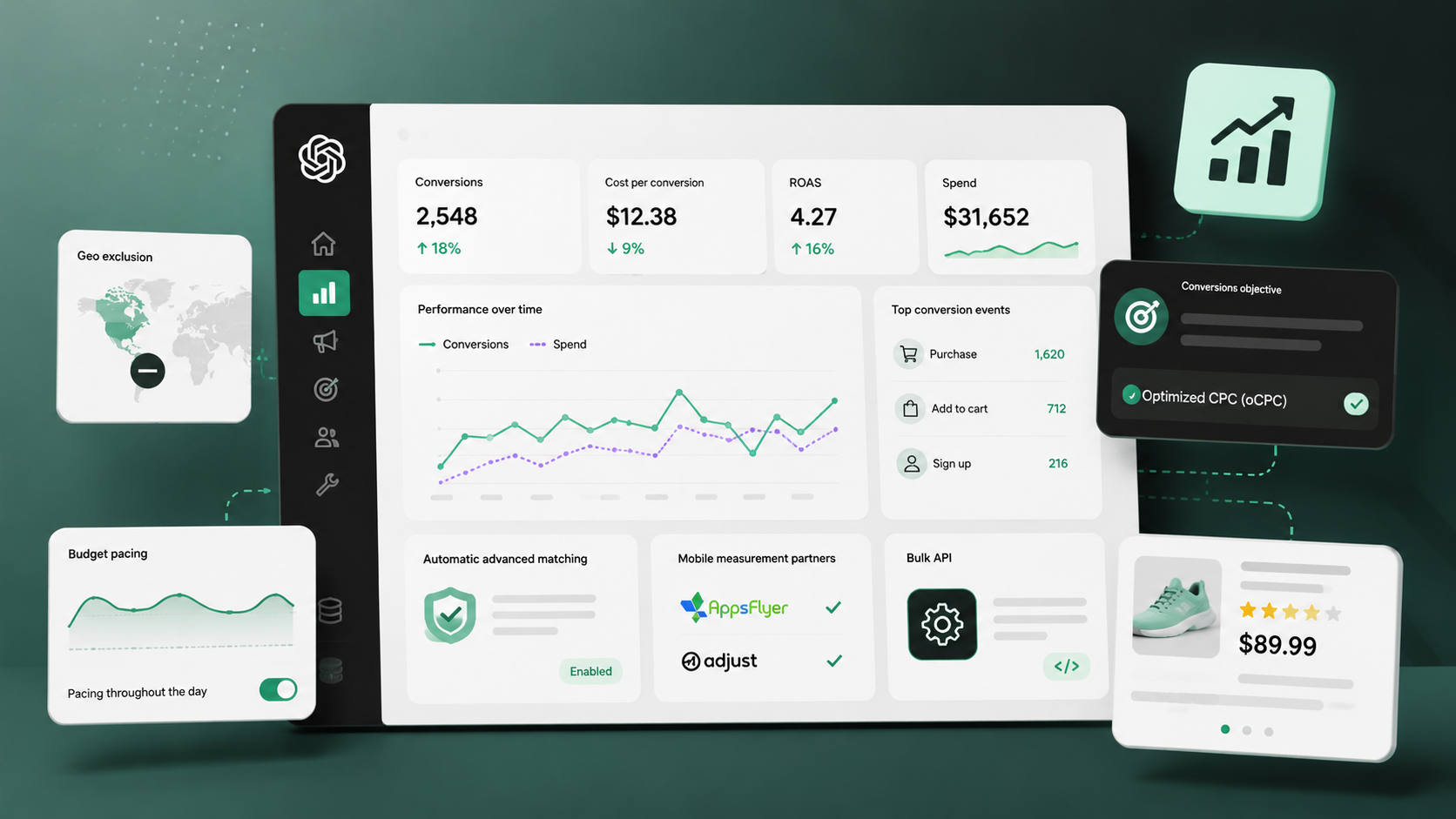
Historically, a major criticism of Google’s AI-driven campaigns was the "black box" nature of their reporting. The updated documentation addresses this by detailing specific reporting views designed to restore visibility to media buyers:
| Reporting Feature | Capability | Strategic Value |
|---|---|---|
| Search Term Reports | Shows the exact queries triggering ads and where users are directed post-click. | Identifies new search trends and helps monitor brand alignment. |
| Negative URL Exclusions | Allows advertisers to block specific pages (e.g., blogs, career pages, T&Cs) from receiving ad traffic. | Prevents wasted spend on non-converting informational pages. |
| Account/Campaign Negative Keywords | Enables the exclusion of specific search queries at scale. | Protects brand safety and prevents bids on low-intent or competitor terms. |
Specialized Travel Architecture
The travel sector operates on highly dynamic inventory, fluctuating prices, and complex conversion paths. The newly documented Search Campaigns for Travel aggregate data across multiple touchpoints to solve this fragmentation:
- Travel Promotion Ads: Capture top-of-funnel users researching destinations.
- Booking Links: Capture bottom-of-funnel users ready to reserve rooms or flights.
- Travel Feed-Based Ads: Dynamically pull real-time pricing and availability directly from the brand’s database.
By consolidating these formats into a unified reporting interface, travel advertisers can track how top-of-funnel interactions influence final bookings, eliminating the attribution silos that previously plagued multi-campaign setups.
4. Official Guidance: Google’s Optimization Best Practices
The updated documentation outlines a fundamental shift in how campaigns should be structured and optimized. Google’s official guidance emphasizes relinquishing manual, granular controls in favor of feeding the AI algorithm high-quality data and creative assets.
Key Optimization Pillars Recommended by Google:
- Prioritize Intent-Based Targeting over Keyword Matching: Rather than managing exhaustive lists of exact and phrase-match keywords, Google advises advertisers to use Broad Match in tandem with Smart Bidding. The AI uses contextual signals (such as user location, search history, and device) to determine the relevance of a broad query in real time.
- Build Robust Asset Groups: AI Max campaigns rely heavily on the assets provided to them. Google recommends uploading a diverse mix of high-quality headlines, descriptions, images, and video assets. The system will dynamically assemble these assets to match the specific context of the searching user.
- Leverage First-Party Data for Smart Bidding: To guide the AI toward high-value conversions rather than cheap clicks, advertisers are encouraged to feed first-party customer data (via Consent Mode and Enhanced Conversions) back into the platform. This helps the machine learning models identify patterns common to their most valuable customers.
- Use Negative Guardrails Proactively: While the targeting is automated, advertisers should use negative keywords and negative URLs from day one to define the boundaries of the campaign, ensuring the AI does not waste budget exploring irrelevant search categories.
5. Strategic Implications for the PPC Industry
The transition to an AI Max-first search landscape has profound implications for digital marketers, agency models, and brand strategies.
The Changing Role of the PPC Specialist
For decades, the value of a Pay-Per-Click (PPC) specialist was measured by their ability to perform meticulous keyword research, construct complex account structures (such as Single Keyword Ad Groups, or SKAGs), and manually adjust bids.
In an AI Max environment, these technical tasks are automated. The modern PPC specialist must pivot to become a strategic growth marketer. Their value will lie in:
- Creative Strategy: Crafting high-converting ad copy, visual assets, and video content that the AI can assemble.
- Data Curation: Ensuring clean, privacy-compliant first-party data is fed into Google’s algorithms to train the machine learning models.
- Business Alignment: Aligning bidding strategies (such as Target ROAS or Value-Based Bidding) with actual business margins, rather than chasing vanity metrics like click-through rates (CTR) or cost-per-click (CPC).
Agency Economics and Service Models
Agencies that charge clients based on the sheer volume of manual campaign management they perform will face pressure to adapt. Because AI Max consolidates campaigns and automates daily optimizations, agencies must shift their pricing and service models toward business consulting, creative production, and holistic marketing technology integration.
The Balance of Power: Automation vs. Control
While Google’s updates to AI Max reporting and exclusions are welcome additions, they underscore an ongoing tension in the digital advertising space. Marketers want granular control to protect budgets and brand integrity, while ad platforms push for automation to maximize efficiency and scale.
The February 2027 deadline marks the official end of an era for legacy search tactics. Advertisers who spend the next year testing AI Max, refining their asset libraries, and mastering the new reporting views will find themselves at a distinct competitive advantage when the automatic migrations begin. Conversely, those who delay adaptation risk facing sudden performance disruptions when their legacy Dynamic Search Ads are retired.