Global Retail & E-Commerce Analysis
It is the peak of Black Friday week, and the modern digital consumer’s inbox resembles a digital warzone. Screen displays flash with aggressive demands: “50% OFF EVERYTHING!”, “LAST CHANCE!”, and “DON’T MISS OUT!” Every merchant, from legacy conglomerates to obscure direct-to-consumer start-ups, screams for attention in unison.
The universal consumer response? Delete, delete, delete.
Yet, seasonal email marketing does not inherently have to rely on high-pressure pitches. Industry analysis reveals that when executed with strategic nuance, seasonal campaigns can reinforce brand loyalty, drive substantial revenue, and leave subscribers genuinely anticipating communication—even during the most congested shopping periods of the year.
The underlying secret to breaking through the noise is not scaling back on volume, but executing a smarter, more empathetic engagement strategy.
Main Facts: The Anatomy of Modern Email Fatigue
The contemporary digital landscape is defined by unprecedented levels of inbox saturation. According to recent e-commerce analytics, consumer tolerance for generic promotional blasts is at an all-time low.
- The Saturation Crisis: During major retail holidays, the average consumer receives dozens of promotional emails daily, leading to immediate deletion or, worse, unsubscribes.
- The Paradigm Shift: Successful brands are pivoting away from discount-led, panic-inducing copywriting in favor of value-driven, narrative-heavy email campaigns.
- The Give-and-Take Framework: Industry benchmarks indicate that maintaining a ratio of at least two educational, entertaining, or inspiring emails for every promotional send drastically improves open rates and consumer trust.
- The Technological Enablers: Platforms like Omnisend and advanced automation software have democratized sophisticated consumer segmentation, allowing even solo founders to execute targeted campaigns without manual overhead.
Chronology: From Scrambling to Strategic Planning
The evolution of seasonal email marketing has moved from reactionary, last-minute discounting to year-round calendar integration. Industry experts trace the modern campaign lifecycle across four distinct phases:
Phase 1: Pre-Season Mapping (Months in Advance)
Brands that succeed do not draft Valentine’s Day copy on February 13th. The timeline begins weeks or months ahead. Strategic marketing teams construct comprehensive content calendars mapping out core seasonal moments—such as Black Friday, summer transitions, and holiday periods—while intentionally filtering out irrelevant micro-holidays.
Phase 2: The Value Build-Up (Weeks Out)
Weeks before any promotional drop, high-performing brands initiate the "give-and-take" approach. They feed their subscriber base with non-promotional, high-value content that educates, entertains, or inspires. Psychologically, this builds relational equity, ensuring that when a sales message finally lands, the reader is already primed and receptive.
Phase 3: Exclusive Early Access (Days Prior)
Rather than opening the floodgates to a cold, uniform discount, successful brands leverage early-access windows. By rewarding high-engagement subscribers with a sneak peek or first right of refusal, they cultivate an atmosphere of exclusivity rather than emergency panic.
Phase 4: The Main Event and Post-Campaign Analysis
The actual promotional window runs smoothly because the anticipation has already been manufactured. Following the close of the campaign, data is analyzed to refine segmentation parameters for the next seasonal cycle.
Supporting Data: The Psychology of Engagement
Numbers substantiate what seasoned marketers have long suspected: psychological framing drastically alters consumer behavior in digital channels.
- Storytelling Retention: Groundbreaking marketing research highlights a massive disparity in how humans process information. Studies indicate that people retain approximately 63% of narrative-based stories, compared to a meager 5% of standalone statistics or raw offers.
- The Discount Fallacy: Leading with a percentage-off figure ("30% off summer collection!") immediately commoditizes a brand, placing it on equal footing with every competitor in the inbox. Conversely, contextualizing the discount within a lifestyle narrative establishes an emotional hook.
- Segmentation Impact: Case studies across various digital storefronts demonstrate that targeted campaigns based on purchase history and user behavior yield significantly higher conversion rates and lower churn rates than blanket, unsegmented blasts.
Official Perspectives and Industry Insights
Top direct-to-consumer (DTC) founders and digital marketing authorities have increasingly spoken out against the race-to-the-bottom pricing models that dominate seasonal rushes.
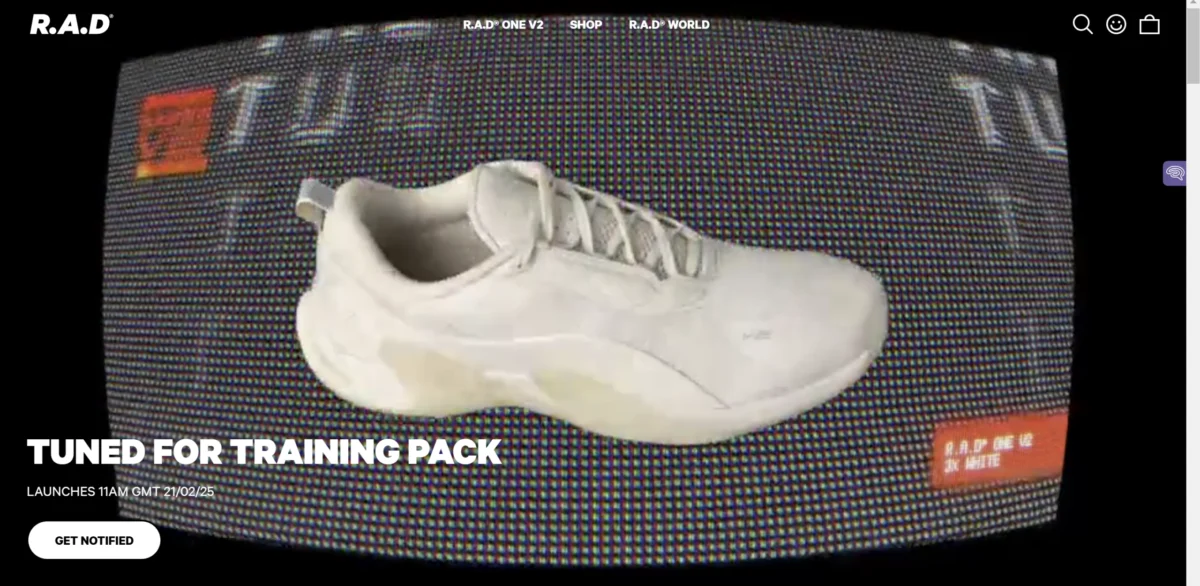
Industry leaders emphasize that sustainable e-commerce growth relies on brand equity rather than algorithmic panic. For instance, Lily, founder of Luu Lounge, gained widespread industry attention for how she orchestrated product drops. By cultivating an engaged community via email and SMS ahead of time—focusing on countdowns, behind-the-scenes glimpses, and genuine anticipation—she effectively eliminated the need for desperate "LAST CHANCE" subject lines. Her audience arrived at the virtual checkout queue voluntarily, driven by organic excitement.
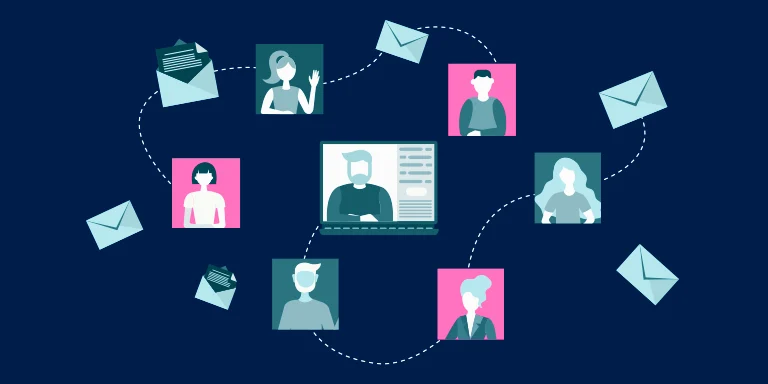
Similarly, marketing technologists note that tools like Omnisend have revolutionized how small teams manage complex data. By enabling seamless segmentation between first-time buyers and loyal, returning customers, these platforms allow brands to speak directly to the recipient’s stage in the customer journey, neutralizing the "Dear Valued Customer" impersonal syndrome.
Implications for the Future of E-Commerce
The shift away from high-pressure email tactics carries profound implications for the digital marketing ecosystem.
- Erosion of Broad-Blast Effectiveness: As inbox filters become more sophisticated and consumer fatigue deepens, unsegmented, purely promotional email blasts are seeing diminishing returns. Brands that fail to adopt narrative-led, segmented strategies will likely experience higher unsubscribe rates and declining customer lifetime value (LTV).
- The Rise of Automated Personalization: The integration of accessible automation tools means that personalized, behavior-driven marketing is no longer an enterprise-exclusive luxury. Solo entrepreneurs and lean teams can now compete on relevance rather than ad-spend volume.
- Redefining Urgency: True scarcity—such as limited-edition releases or genuine early-access windows—will continue to outperform manufactured panic. Consumers are increasingly adept at sniffing out artificial countdown timers, making authenticity a core competitive advantage.
Conclusion
Seasonal emails do not need to feel like shouting into a crowded room. By treating subscribers as individuals rather than transactional data points, modern brands can transform their busiest commercial periods into their most profitable and relationship-solidifying seasons yet. Through strategic planning, narrative-driven copywriting, intelligent segmentation, and authentic urgency, the modern inbox can be reclaimed as a space for genuine connection and sustainable growth.