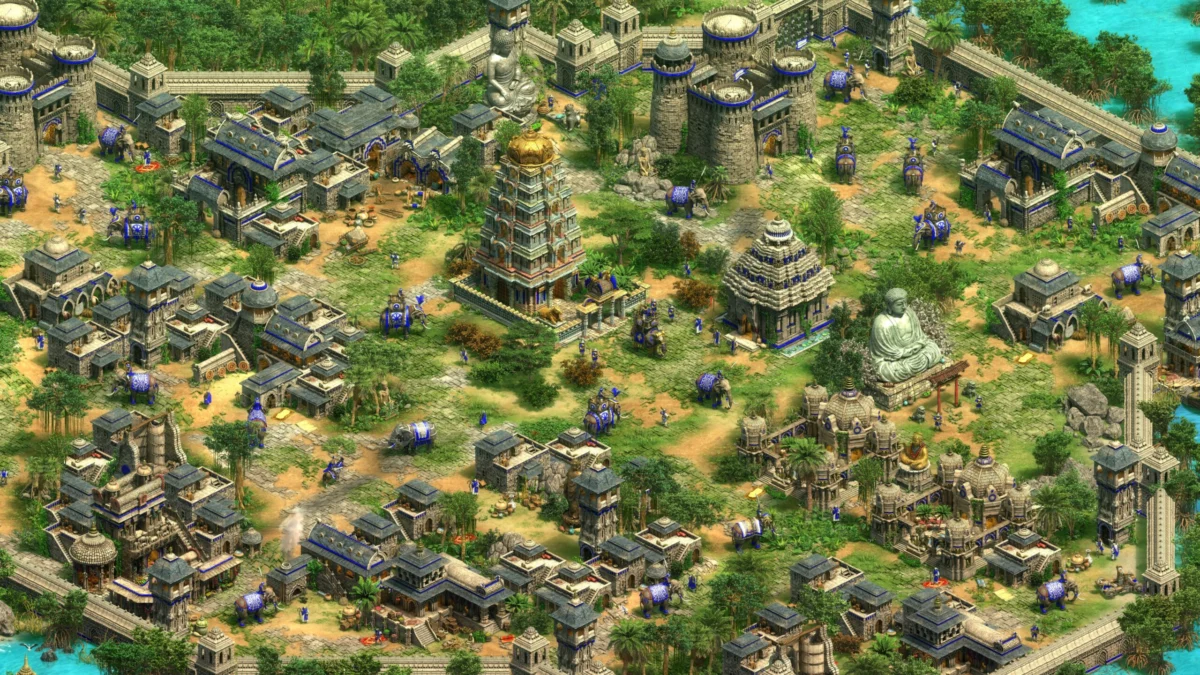
In a landmark event for cybersecurity, Microsoft’s July 2026 “Patch Tuesday” update set a new, staggering record for the number of security vulnerabilities addressed in a single rollout. The sheer scale of the update reflects a shifting paradigm in software development and threat detection, as Microsoft—and the broader cybersecurity community—increasingly leans on Artificial Intelligence (AI) to identify and remediate flaws before they can be exploited by malicious actors. Among the long list of critical updates, perhaps none was as surprising as a remote code execution (RCE) flaw found within the remastered version of Age of Empires II, a title that has commanded a loyal fanbase for a quarter-century.
Main Facts: The Scope of the July 2026 Update
On July 15, 2026, Microsoft released its monthly security patches, covering a breadth of products ranging from core Windows OS components to legacy software and gaming platforms. The volume of patches addressed this month was unprecedented, a surge the company explicitly linked to the integration of AI-assisted vulnerability research.
By utilizing machine learning models to scan vast codebases, Microsoft has accelerated the discovery of vulnerabilities that might have otherwise remained buried for years. These AI tools are capable of identifying complex logic errors and memory corruption bugs that often elude human auditors. While the record-breaking number of patches might alarm users, security analysts suggest that the high volume is a sign of a more proactive and effective defense strategy.
The most high-profile entry in the patch notes was CVE-2026-50663, a vulnerability affecting Age of Empires II: Definitive Edition. This specific flaw highlights the unique risks inherent in modern, connected gaming environments. By manipulating the game’s lobby and invitation system, an attacker could achieve remote code execution on a victim’s machine, granting them near-total control over the targeted computer.
Chronology: From Discovery to Remediation
The journey of CVE-2026-50663 from an obscure line of code to a patched vulnerability illustrates the rapid pace of modern cybersecurity.
- Pre-July 2026: AI-driven vulnerability scanners and independent security researchers begin automated testing of Microsoft’s software ecosystem, including gaming clients.
- Early July 2026: The vulnerability is identified within the Age of Empires II networking stack. Researchers determine that the flaw is triggered during the lobby-joining process, specifically when handling User-Generated Content (UCG).
- July 15, 2026 (Patch Tuesday): Microsoft releases the emergency security update. The company officially discloses CVE-2026-50663, classifying it as a critical RCE vulnerability.
- July 15, 2026 (Afternoon): Independent security researcher Rick de Jager publishes a proof-of-concept (PoC) on social media platform X, demonstrating how a user joining a malicious lobby could lead to total system compromise.
- July 16, 2026 – Present: Cybersecurity firms, including Rapid7, issue advisories urging gamers to update their software immediately. To date, there have been no confirmed reports of the vulnerability being weaponized by threat actors in the wild.
Supporting Data: Understanding the RCE Threat
The vulnerability in Age of Empires II was not merely a minor bug; it was a high-severity RCE. According to technical analysis provided by Rapid7, the flaw allowed for the injection of malicious files into the victim’s local system.
The Mechanics of the Attack
The attack vector was alarmingly simple. An attacker would host a game lobby and invite unsuspecting players. Upon joining, the victim’s client would automatically process a malicious User-Generated Content (UCG) package sent by the host. Because the game failed to properly sanitize this input, the attacker could execute arbitrary code under the context of the user running the game.
Once the code execution was achieved, the attacker could effectively bypass local security restrictions. This could lead to:
- Data Exfiltration: Accessing personal files, saved credentials, or browser data.
- Persistence: Installing backdoors that remain on the system even after the game is closed.
- Lateral Movement: Using the compromised gaming PC as a pivot point to attack other devices on the same home or office network.
The use of gaming platforms as a delivery vehicle is a growing trend. Because gamers often disable certain firewall features to improve latency and connectivity, they represent a "soft target" for attackers looking to build botnets or harvest sensitive information.
Official Responses and Industry Outlook
Microsoft’s response has been one of transparency, framed within the broader context of their AI integration. By deploying AI to assist both internal teams and external researchers, Microsoft is effectively democratizing the bug-bounty process. The company stated that the July 2026 update cycle represents a long-term investment in software integrity.
"The volume of vulnerabilities addressed this month is a reflection of our commitment to a secure ecosystem," a Microsoft spokesperson noted. "By leveraging AI, we are closing the window of opportunity for bad actors, identifying risks that were historically difficult to pinpoint."
Cybersecurity firms have largely lauded this approach. Rapid7, in its post-patch analysis, emphasized that while the sheer number of patches is daunting for IT administrators, it is a necessary price to pay for a cleaner, more secure digital environment. However, they also cautioned that users must be diligent in applying these patches, as the benefit of AI-led discovery is nullified if end-users fail to install the updates.
Implications: The Future of Gaming and Software Security
The Age of Empires incident serves as a bellwether for the gaming industry. As games become more integrated with online services and cloud-based assets, the surface area for attack expands exponentially.
1. The Gaming Ecosystem as a Vulnerability Vector
Video games are no longer just entertainment software; they are sophisticated, interconnected networking applications. Platforms like Steam, Xbox Live, and internal game lobby systems are prime targets for cybercriminals. The FBI and various cybersecurity agencies have previously warned that gamers are increasingly targeted for malware deployment. The CVE-2026-50663 case proves that even beloved, remastered classics are not immune to the threats of modern digital warfare.
2. AI as the New Frontier of Defense
The "record-breaking" nature of this Patch Tuesday confirms that AI is fundamentally changing the rules of the game. Previously, security research was limited by the time and cognitive capacity of human researchers. AI-driven static and dynamic analysis tools can now scan millions of lines of code in seconds, identifying patterns associated with RCEs, buffer overflows, and privilege escalation.
However, this creates a "cat-and-mouse" scenario. If defenders use AI to find and patch bugs, attackers will inevitably use AI to find and exploit them faster. The race to achieve "AI superiority" in software security will likely define the next decade of technology development.
3. The End-User Responsibility
The final, and perhaps most critical, implication is the role of the user. In the past, users might have ignored game updates, viewing them as minor quality-of-life patches. In an era where a game lobby can act as a gateway for full system compromise, the perception of software updates must shift. Security hygiene now encompasses everything from operating systems to the digital platforms used for leisure.
Conclusion
The events of July 2026 will be remembered not just for the Age of Empires II vulnerability, but for the fundamental shift in how Microsoft handles the safety of its global user base. While the discovery of an RCE in a 25-year-old game strategy title provided a jarring headline, it serves as a necessary reminder of the ubiquity of modern threats.
As Microsoft continues to harness the power of AI to audit its vast software portfolio, users should expect similar record-breaking patch cycles in the future. While the numbers may seem intimidating, they are evidence of a robust, proactive defense. The primary lesson for the average user remains constant: in an era of automated, AI-driven cyber threats, the simple act of clicking "Update Now" remains the most effective line of defense.