India stands at a historic crossroads. With a population now exceeding 1.46 billion, it has officially claimed the title of the world’s most populous nation. Yet, for global brands, the Indian ecommerce landscape remains an enigma. While China and the United States have seen explosive digital retail growth, India’s e-retail penetration remains comparatively modest. This gap is not a sign of stagnation, but rather a dormant volcano of untapped potential.
For foreign brands, the challenge is twofold: navigating a complex regulatory environment that is fiercely protective of domestic enterprise, and understanding a consumer base that is uniquely demanding, price-sensitive, and rapidly evolving.
The Regulatory Labyrinth
Entering India requires more than just a localized website. Foreign entities must navigate a strict framework designed to bolster native sellers. Historically, this has forced brands to choose between four distinct paths: establishing their own marketplace (highly regulated), partnering with established local distributors, utilizing cross-border transaction models, or pursuing a direct-to-consumer (D2C) strategy for company-owned products.

However, regulatory compliance is only the entry ticket. The true barrier to entry is the "appetite gap." Many multinational corporations have entered the Indian market with global playbooks, only to find that their product-market fit was non-existent. To succeed in India, one must look at the homegrown giants—the brands that have successfully captured the hearts and wallets of India’s burgeoning middle class, specifically the Gen Z and Millennial cohorts that constitute nearly half of the country’s population.
Chronology: The Rise of the New Indian D2C Wave
The recent success of Indian brands is not accidental; it is the result of a paradigm shift that began in the late 2010s, accelerated by the digital adoption triggered by the 2020 pandemic.
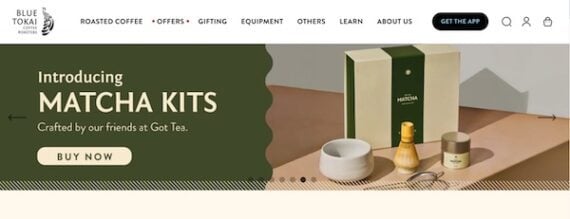
- 2011: Blue Tokai is founded, challenging the cultural hegemony of tea in India by introducing a premium, transparent coffee experience.
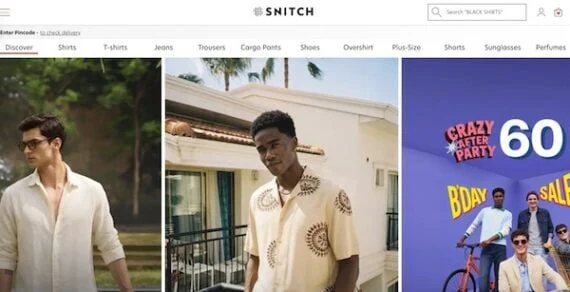
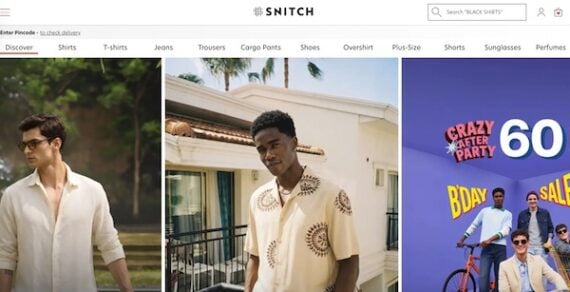
- 2019: Snitch pivots from a traditional B2B fashion supplier to a tech-forward D2C powerhouse.
- 2020: Minimalist launches, betting on ingredient transparency and science-backed skincare.
- 2020: Mokobara enters the luggage market, identifying a massive void between budget bags and overpriced luxury labels.
- 2025: The maturity of this sector is validated as Hindustan Unilever acquires a 90% stake in Minimalist for $350 million, signaling that the "D2C era" in India has reached institutional-grade legitimacy.
Supporting Data: Why These Models Work
The success of these four companies—Blue Tokai, Minimalist, Snitch, and Mokobara—is rooted in three common pillars: radical transparency, agile supply chains, and hyper-localization of price points.
Blue Tokai: The Democratization of Premium Coffee
India has long been a nation of tea drinkers. Coffee consumption was largely bifurcated between instant coffee and high-priced international chains. Blue Tokai bridged this gap by creating a "Third Wave" coffee culture accessible to the urban middle class. By pricing their offerings 25% lower than global competitors while providing extensive education on origin and roasting profiles, they turned a luxury commodity into an everyday ritual. Today, with over 240 stores, they have proved that if you educate the consumer, they will evolve their habits.
Minimalist: The Death of Hype
In the beauty industry, brands often lose profitability through bloated marketing budgets and excessive discounting. Minimalist flipped this script. By focusing on ingredient-led messaging and in-house manufacturing, they eliminated the middleman and the "hype" premium. Their success with educated, younger consumers highlights a critical trend: the Indian buyer is becoming increasingly sophisticated, prioritizing efficacy over brand vanity.
Snitch: The AI-Driven Supply Chain
Fashion retail is notoriously risky due to inventory overhang. Snitch adopted a "Zara-esque" model but supercharged it with AI. By monitoring real-time social media sentiment, they launch roughly 10 new styles daily in small, manageable batches. This "design-to-shelf" cycle, often completed in under 25 days, ensures that they are not just following trends but reacting to them in real-time. This minimizes unsold inventory—the silent killer of retail margins.

Mokobara: Solving the "Aspirational Gap"
The Indian luggage market was long dominated by stagnant legacy brands. Mokobara identified the "whitespace" in the market: travelers who wanted aesthetic, high-quality luggage but could not justify the price tag of a premium Samsonite or Tumi. By positioning themselves as a lifestyle brand rather than a utility provider, they achieved a reported 20-fold revenue increase since 2022. Their integration into the "quick commerce" ecosystem—where luggage can be delivered in 30 minutes—showcases how they utilize India’s unique infrastructure to meet modern consumer expectations.
Official Responses and Strategic Perspectives
Industry analysts observe that the success of these brands lies in their refusal to treat India as a monolith. "The Indian consumer is not a single entity," says an industry consultant based in Mumbai. "They are a collection of micro-segments, each with distinct values. The brands that win are those that treat the Indian middle class with the same level of sophistication as a European or American consumer."
When asked about the acquisition of Minimalist, Hindustan Unilever noted that the move was part of a larger strategy to "future-proof" their portfolio by absorbing companies that possess inherent digital agility and direct consumer intimacy. This signifies that global giants are no longer trying to compete with these local heroes; they are looking to own them.
Implications for Global Merchants
For international brands looking to enter India, the blueprint is clear:
- Product-Market Fit is Not Global: What works in London or New York may fail in Delhi if it ignores local price sensitivities or usage habits.
- Agility Over Scale: The most successful Indian brands started with small, manageable production runs. They scaled after validating demand, not before.
- Transparency as a Value Proposition: In a market historically plagued by counterfeit or low-quality goods, transparency regarding ingredients, sourcing, and labor is a significant competitive advantage.
- Embrace the Digital Infrastructure: India’s digital stack—from UPI payments to quick-commerce delivery networks—is world-class. Brands that fail to integrate these technologies into their distribution strategy are effectively operating with one hand tied behind their back.
Conclusion: The Road Ahead
The "tiny" ecommerce numbers of today are merely a reflection of a market that has spent the last decade building its infrastructure. With a young, tech-savvy population and an increasingly affluent middle class, the barriers for foreign brands are high, but the rewards for those who adapt are arguably higher than in any other major economy.
The success of companies like Blue Tokai, Minimalist, Snitch, and Mokobara serves as both a roadmap and a warning. India is not a market to be "conquered" by sheer force of capital; it is a market to be earned through precision, local relevance, and a deep respect for the evolving Indian consumer. The global brands that recognize this will lead the next century of retail. Those that don’t will remain spectators in the world’s most exciting growth story.