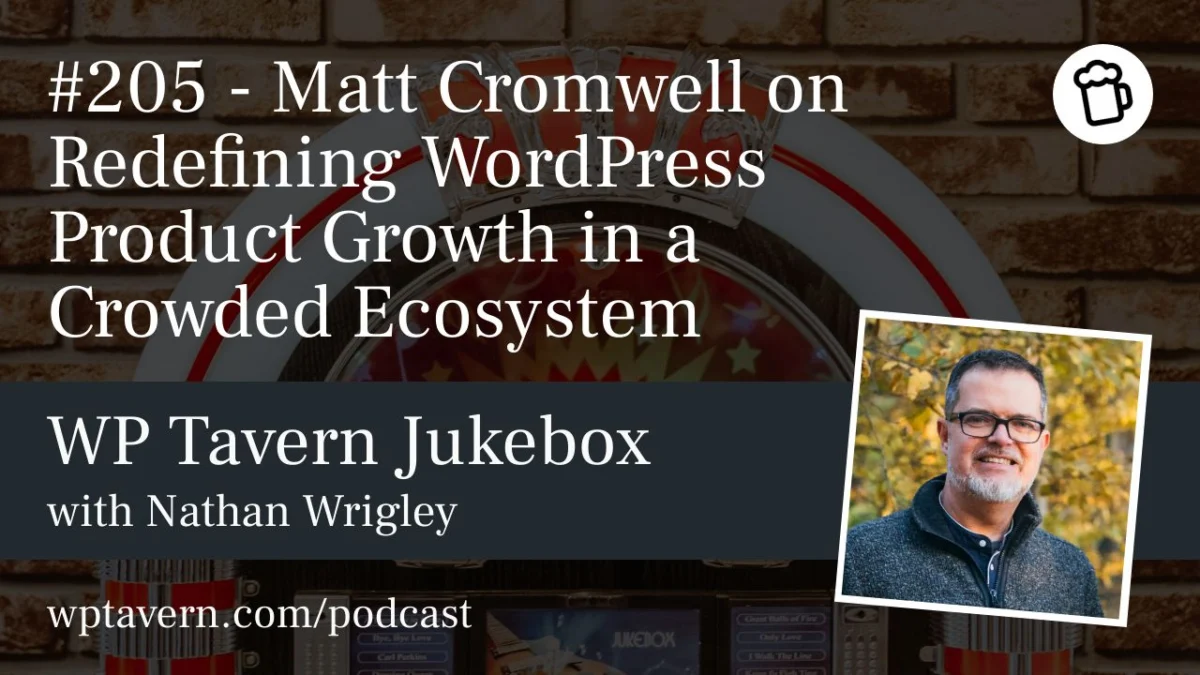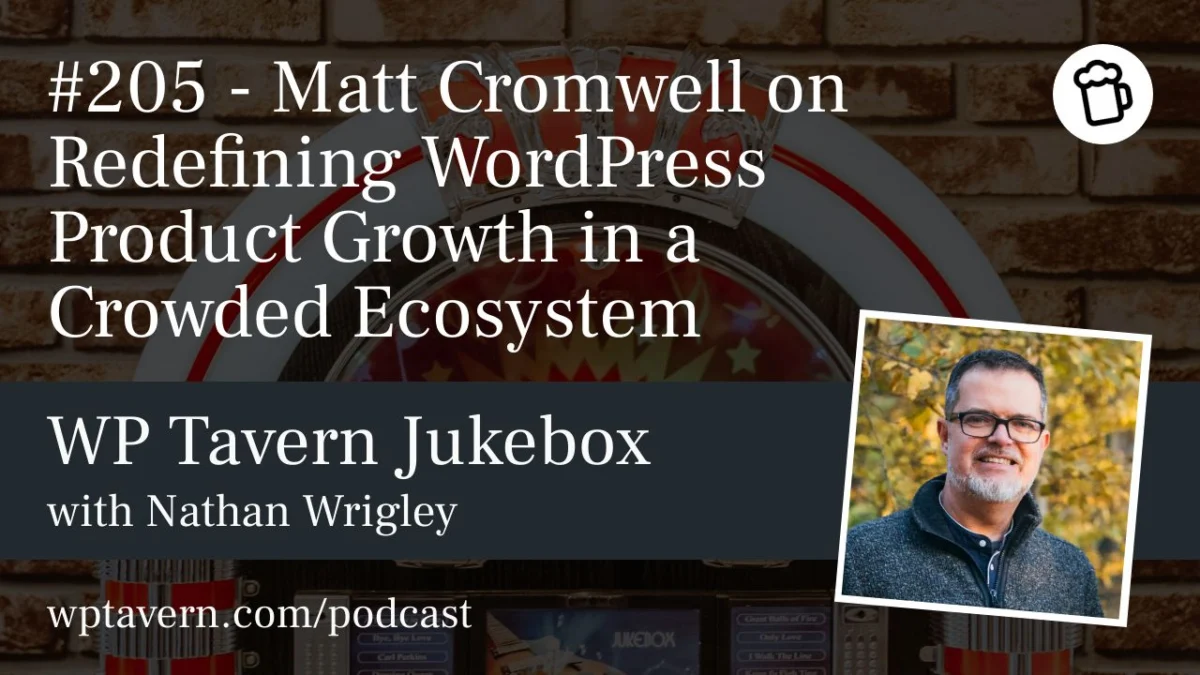
In the rapidly shifting landscape of the WordPress ecosystem, the era of the "accidental entrepreneur" is coming to a close. For over a decade, developers and hobbyists could rely on the "rising tide" of WordPress’s massive market share to float their products to success. However, as the ecosystem faces increased saturation, evolving user expectations, and the looming influence of artificial intelligence, the rules of engagement have fundamentally changed.
Matt Cromwell, a veteran of the WordPress space and co-founder of GiveWP, is stepping into this new chapter with a clear objective: to transition product makers from being "code-first" enthusiasts to "customer-first" business leaders. Through his newly launched agency, Roots & Fruit, Cromwell aims to act as a fractional Chief Growth Officer for the next generation of WordPress product teams.
Main Facts: The Shift from Code to Commerce
The core premise of Cromwell’s new venture is simple yet transformative: the product is not the code—it is the customer’s journey.
For years, the WordPress plugin and theme directory functioned as a primary discovery engine. A developer could build a tool, host it on WordPress.org, and expect a degree of organic growth. Today, that directory hosts over 60,000 plugins. The barrier to entry has dropped, but the barrier to visibility has skyrocketed.
Cromwell argues that successful product businesses in 2026 must pivot away from "scattergun" marketing—trying to be everywhere at once—and instead focus on disciplined, prioritized growth strategies. He identifies the primary challenge facing modern developers as a lack of business process, noting that many creators have treated their work as a hobby or a source of passive income rather than a competitive enterprise.
A Chronological Journey: From GiveWP to Roots & Fruit
To understand Cromwell’s perspective, one must look at his trajectory within the ecosystem. His journey began as a co-founder of GiveWP, a platform that revolutionized charitable giving within WordPress.
The Pandemic Catalyst
During the COVID-19 pandemic, GiveWP experienced an unprecedented surge in demand. As nonprofits scrambled to move their fundraising efforts online, the platform saw its sales figures climb rapidly. However, Cromwell notes that this period offered a masterclass in product management. He and his team resisted the urge to capitalize on the crisis, focusing instead on the long-term utility of the product.
Acquisition and Integration
In 2021, GiveWP was acquired by Liquid Web, leading to the formation of StellarWP. This acquisition provided Cromwell with a broader view of the ecosystem. Moving from a single-product founder to a leadership role within a large organization allowed him to see how different products succeed or fail under various management styles.
The Independent Pivot
After exiting his role in late 2025, Cromwell reached a crossroads. Despite the temptation to step away from the keyboard, his passion for the WordPress community remained. This led to the birth of Roots & Fruit, a consultancy designed to distill his years of experience into actionable mentorship for solo founders and established product teams.
Supporting Data: The Saturated Market Reality
The WordPress ecosystem is no longer just competing with itself; it is competing with the global SaaS market.
- Market Saturation: With the plugin repository housing over 60,000 entries, the "noise" level is at an all-time high. A developer launching a new utility, such as an AI-powered text generator, is now competing against dozens of similar products that hit the market within the same week.
- The "Consumer Blindness" Phenomenon: Modern website builders are increasingly platform-agnostic. They are often indifferent to whether their tools are WordPress-native, SaaS-based, or open-source. They are purchasing outcomes, not software stacks. This shift forces WordPress product makers to prove their value in a broader, more aggressive market.
- The Role of AI: Contrary to the fear that AI might render developers obsolete, Cromwell sees it as an equalizer. AI has become a powerful tool for documentation, coding assistance, and content generation. Because WordPress is one of the most well-documented open-source projects in existence, AI models have been trained extensively on its architecture, giving WordPress products a unique, long-term competitive advantage.
Official Perspectives: The Philosophy of "Product vs. Code"
During a recent discussion on the WP Tavern Jukebox podcast, Cromwell emphasized that the "build it and they will come" mentality is a relic of a past era.
"When you go and buy a utility or a tool, you aren’t looking to hire a person; you are looking for a specific outcome," Cromwell explained. "The success of the product, the marketing, and the business all start with whether or not the customer is happy."
Cromwell’s philosophy is rooted in the idea of the "customer journey." He suggests that developers often ignore the friction points between the first search query and the final purchase. If a website is confusing, the checkout experience is clunky, or the brand messaging is unclear, the quality of the underlying code becomes irrelevant.
"Code was never the product," he asserts. "Now, nobody is building with code anymore—the machines build the code. The product is the brand, the user experience, and the solution to the customer’s anxiety."
Implications: What This Means for the Future of WordPress
The implications for the WordPress ecosystem are profound. As the community matures, the definition of a "successful plugin developer" is shifting from "someone who writes good PHP" to "someone who understands how to scale a business."
Prioritization Over Activity
For the solo founder, the implication is a necessary culling of activities. Cromwell advises developers to stop chasing the "shiny object" syndrome—jumping between LinkedIn, Reddit, and paid ads without a cohesive plan. Instead, he advocates for a focused, process-driven approach where founders identify the one or two channels that actually drive sustainable growth.
The Rise of the "Fractional" Expert
The model of the "Fractional Chief Growth Officer" is likely to gain traction as small-to-medium-sized WordPress businesses seek high-level guidance without the overhead of a full-time executive. By bringing in outside expertise to manage growth, founders can return to the work that truly energizes them, whether that is product design, community building, or technical innovation.
The Resilience of WordPress
Despite the "flux" that has characterized the last few years, Cromwell remains bullish on the platform’s future. He believes that the way WordPress Core is integrating AI—focusing on making the platform easier to build with and easier to manage—ensures that it will remain the premier choice for the next generation of web creators.
Conclusion: Planting the Seeds for Future Growth
The name Roots & Fruit is a deliberate metaphor. The "roots" represent the foundational processes, diligence, and prioritization that a business needs to survive in a crowded harbor. The "fruit" is the resulting growth and sustainability that follows when those foundations are firmly in place.
As the WordPress ecosystem moves toward 2026 and beyond, the developers who thrive will be those who can bridge the gap between their technical prowess and the demands of a sophisticated, outcome-driven market. Matt Cromwell’s pivot from product builder to product mentor signals a broader maturation of the WordPress industry—a transition from a collection of loosely connected coders to a robust, professionalized landscape of digital businesses.
For those currently navigating the choppy waters of plugin development, the message is clear: put down the scattergun, focus on the customer experience, and treat your code as the foundation for a much larger, more sustainable, and more valuable business.