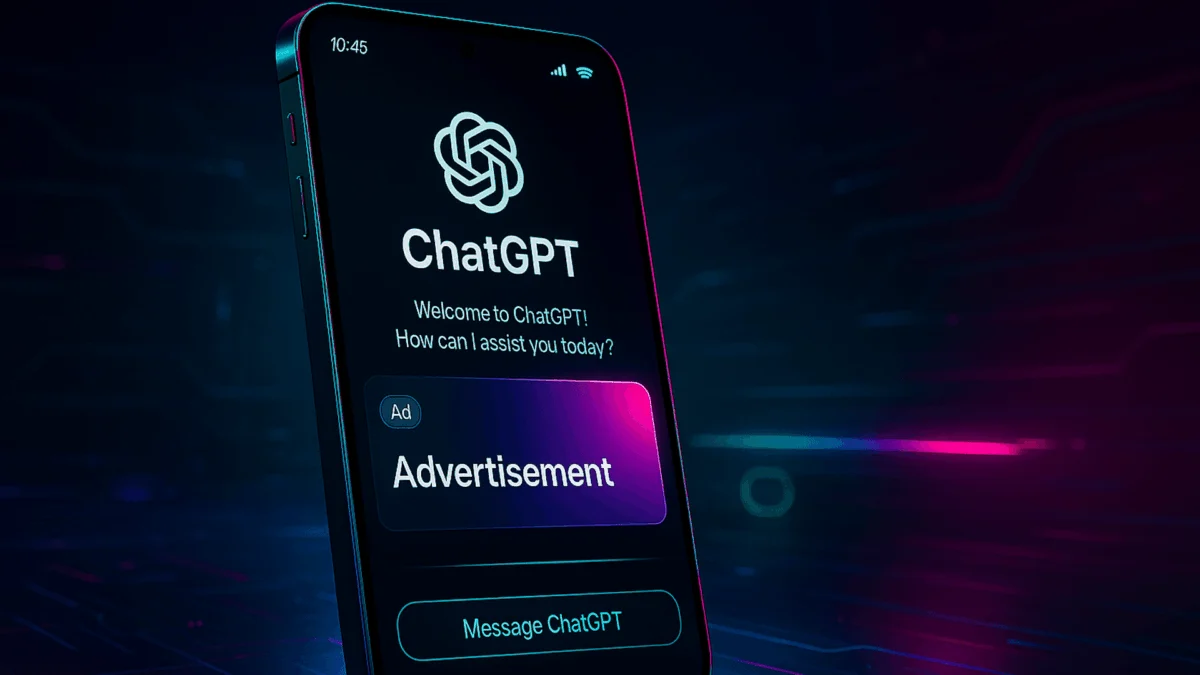
In a significant move to lower entry barriers for digital marketers and accelerate its own monetization efforts, OpenAI has quietly rolled out an automated ad creation feature within its emerging ChatGPT Ads manager. The new capability allows advertisers to leverage generative artificial intelligence to instantly design, write, and configure advertising assets directly inside the platform.
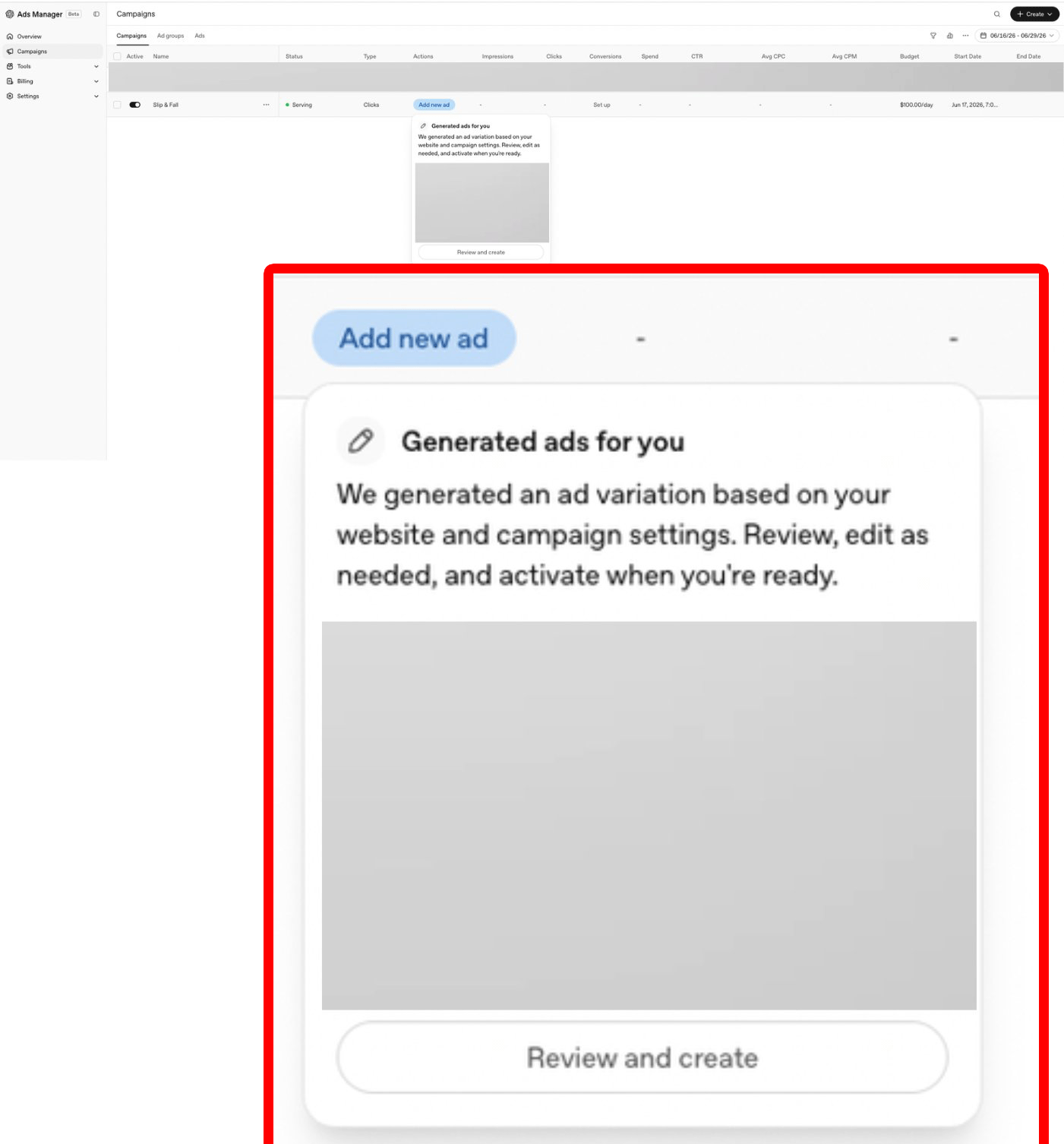
The feature, located under the platform’s "Add new ad" interface, offers a "generate ads for you" option. By analyzing an advertiser’s existing website and campaign parameters, the tool automatically constructs ad variations, leaving the human marketer to review, edit, and approve the assets before they go live.
This development marks a pivotal transition for OpenAI as it shifts from a pure-play software-as-a-service (SaaS) and API-licensing model into a direct competitor in the highly lucrative digital advertising space, currently dominated by tech giants like Google, Meta, and Amazon.
Main Facts: How the AI Ad Generator Works
The new automated ad generation feature is designed to streamline the creative workflow for pay-per-click (PPC) specialists and media buyers. Rather than requiring copywriters and graphic designers to manually build campaign creative from scratch, the system automates the foundational steps of ad development.
The Automated Workflow
According to interface screenshots shared by industry professionals, the system utilizes a simple, guided workflow:
- Campaign Selection: The marketer navigates to the "Add new ad" menu within the ChatGPT Ads dashboard.
- Automated Scanning: The system prompts the user to select the "generate ads for you" option.
- Contextual Analysis: OpenAI’s proprietary models scan the advertiser’s designated landing pages, target website, and pre-configured campaign settings to understand the brand’s value proposition, tone of voice, and product offerings.
- Draft Generation: The AI generates complete ad variations, including headlines, body copy, and call-to-action (CTA) buttons.
- Review and Launch: The dashboard presents a notification reading: "We generated an ad variation based on your website and campaign settings. Review, edit as needed, and activate when you’re ready." Marketers can then click "Review and create" to finalize the asset.
[Add New Ad] ➔ [Select "Generate Ads For You"] ➔ [AI Scans Website & Settings] ➔ [Review & Edit Drafts] ➔ [Activate Ad]The Quick Duplicate Tool
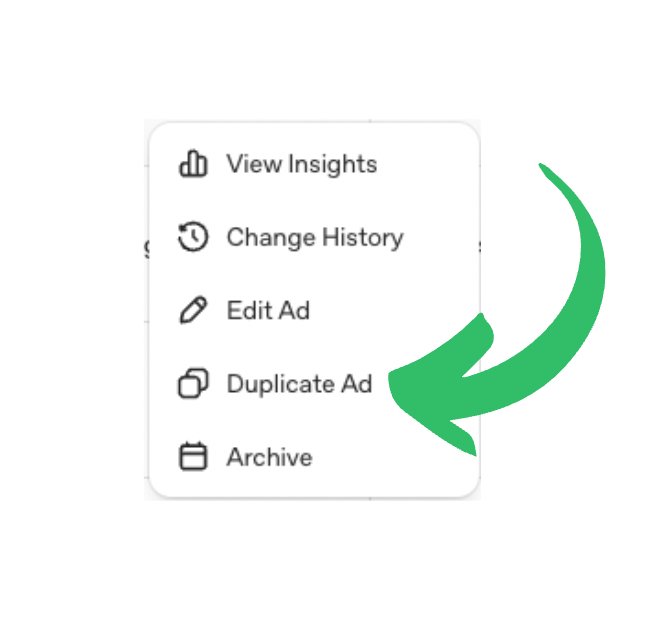
Alongside the primary ad generator, search marketing experts have spotted a "quick duplicate" option. This tool allows advertisers to clone existing successful campaigns with a single click, enabling rapid A/B testing of different copy variations or targeting parameters without navigating complex setup menus.

Chronology: The Evolution of OpenAI’s Advertising Ecosystem
The introduction of automated ad creation tools represents the latest phase in a rapid, multi-year commercialization strategy by OpenAI.
Late 2022          Late 2023          Mid 2024          2025               2026
  │                  │                  │                 │                  │
  ▼                  ▼                  ▼                 ▼                  ▼
ChatGPT            Enterprise         SearchGPT         ChatGPT Ads        Automated AI
Launches           Subscriptions      Prototype         Beta Program       Ad Generation
(Ad-Free) & API Monetization Introduced Launched Rolls Out- November 2022 – Launch of ChatGPT: OpenAI introduces its conversational AI model to the public. Initially free and completely ad-free, the platform relies on venture capital and a subsequent multi-billion-dollar partnership with Microsoft to fund massive compute costs.
- Early to Late 2023 – Subscription & API Focus: To generate immediate cash flow, OpenAI launches ChatGPT Plus ($20/month) and expands its developer API pricing. While successful, consumer subscription fees alone prove insufficient to offset the projected long-term infrastructure costs of running frontier models.
- Mid-2024 – The SearchGPT Prototype: OpenAI unveils "SearchGPT," a prototype search engine designed to give direct answers with inline citations. This move signals a direct challenge to Google’s core business model and sets the stage for sponsored content and conversational advertising.
- 2025 – The Launch of ChatGPT Ads: OpenAI officially rolls out its self-serve advertising platform. Advertisers are invited to bid on sponsored placements, conversational recommendations, and query-based search results within the ChatGPT interface.
- Mid-2026 – Creative Automation Integration: Recognizing that small-to-medium-sized businesses (SMBs) struggle with ad creation, OpenAI integrates its native generative AI models into the ad manager. This brings the platform to feature-parity with mature networks like Google Ads and Meta Ads Manager.
Supporting Data: The Rise of Generative AI in the Ad Tech Industry
OpenAI’s decision to embed generative AI directly into its advertising platform aligns with broader macroeconomic shifts in digital marketing. According to industry data, automated creative tools are no longer a luxury, but an industry-standard requirement for ad platforms seeking to capture SMB ad spend.
| Metric / Feature | Google Ads (Performance Max) | Meta Ads (Advantage+) | ChatGPT Ads |
|---|---|---|---|
| Primary AI Ad Generation Tool | Gemini-powered asset generation | Advantage+ Creative | ChatGPT Native Ad Generator |
| Input Source | Website URL, images, brand guidelines | Historical account data, landing pages | Website URL, prompt context, campaign settings |
| Creative Assets Produced | Text, images, video components | Image enhancement, text variations | Conversational copy, text ads, variations |
| Human-in-the-Loop Required? | Optional (Auto-apply settings exist) | Optional | Yes (Requires "Review and create" step) |
Industry Benchmarks and Performance
Data from major digital agencies indicates that generative AI tools significantly reduce time-to-market for ad campaigns:
- Time Savings: Creative teams using AI copywriting assistants report up to a 60% reduction in drafting time for search and social ad copy.
- Asset Volume: Advertisers using automated asset generation typically deploy 3x to 5x more ad variations than those relying solely on manual creation, leading to more granular optimization.
- The Cost of Friction: For self-serve ad networks, user onboarding friction is the leading cause of churn. By introducing a "one-click" style ad generator, OpenAI directly addresses the "blank canvas" problem that prevents new advertisers from launching their first campaigns.
Official Responses and Industry Reaction
The rollout of the automated ad generator was first spotted and documented by search engine marketing (SEM) expert Anthony Higman, who shared screenshots of the updated interface on the social media platform X (formerly Twitter).
Industry Skepticism vs. Enthusiasm
Within the digital marketing community, reactions to OpenAI’s automated ad tools have been mixed, reflecting a broader debate over the role of AI in creative work.
Many PPC professionals have expressed enthusiasm for the speed and convenience of the tool. However, seasoned media buyers urge caution. Commenting on the development, industry analysts point out that while AI can generate grammatically correct and contextually relevant copy, it lacks the nuanced brand awareness and strategic depth of human copywriters.
"As a marketer, you should be very careful when using AI to generate ads," warns Barry Schwartz, Contributing Editor at Search Engine Land. "Make sure to review the ads that were generated for you carefully so they meet your branding and marketing criteria, including your ROI goals."
OpenAI’s Stance on Ad Integrity
While OpenAI has not released a formal press statement regarding this specific feature update, the user interface copy emphasizes user control: "Review, edit as needed, and activate when you’re ready." This design choice signals that OpenAI is positioning the tool as a co-pilot rather than a complete replacement for human oversight, keeping a "human-in-the-loop" model to mitigate brand safety risks.
Implications: How This Reshapes the Advertising Landscape
The introduction of native generative ad tools within ChatGPT Ads has profound implications for digital marketers, competitive ad networks, and the future of search engine monetization.
1. The Threat to the Google-Meta Duopoly
For over a decade, Google and Meta have maintained a duopoly on digital ad revenues, largely because of their massive user bases and highly sophisticated, self-serve ad managers. By building a comparable self-serve ad manager equipped with native generative AI tools, OpenAI is positioning itself to capture a share of this market.
As users increasingly turn to conversational engines like ChatGPT for product research and recommendations, ad dollars are expected to follow. A streamlined ad platform makes it highly feasible for traditional search advertisers to reallocate experimental budgets from Google Search to ChatGPT Search.
2. The Dematerialization of Ad Production
Historically, launching an ad campaign required a multi-disciplinary team: a strategist to set parameters, a copywriter to draft text, and a designer to build visual assets. OpenAI’s new feature compresses these roles into a single workflow.
While this lowers the barrier to entry for SMBs with limited budgets, it forces traditional advertising agencies to pivot. Agencies must shift their value proposition away from basic asset creation and toward strategic management, data integration, and brand safety curation.
3. Brand Safety and the Risk of "Hallucinated" Copy
Generative AI models are prone to "hallucinations"—generating facts, statistics, or claims that sound plausible but are entirely fabricated. In digital advertising, this presents a severe risk. If an automated tool generates an ad that makes false claims about a product’s price, capabilities, or medical safety, the advertiser could face legal challenges, regulatory fines, and reputational damage.
Consequently, the necessity of rigorous human-in-the-loop auditing cannot be overstated. Marketers must carefully vet every AI-generated headline to ensure compliance with local advertising laws (such as FTC guidelines in the United States) and internal brand standards.
4. Transition to "Generative Engine Optimization" (GEO)
As ChatGPT automates ad generation by scraping an advertiser’s website, the quality of the generated ad becomes directly dependent on the clarity and optimization of the source website. Marketers must optimize their web copy not just for human readers or traditional SEO crawlers, but for AI scraping engines. This emerging discipline, known as Generative Engine Optimization (GEO), will dictate how successfully brands can leverage automated ad ecosystems in the future.