For many eCommerce brands, Facebook advertising feels like a high-stakes gamble. Marketers watch as budgets vanish into the void, chasing elusive clicks that rarely convert into meaningful revenue. However, according to advertising expert Sam Piliero, the problem isn’t the platform—it’s the strategy.
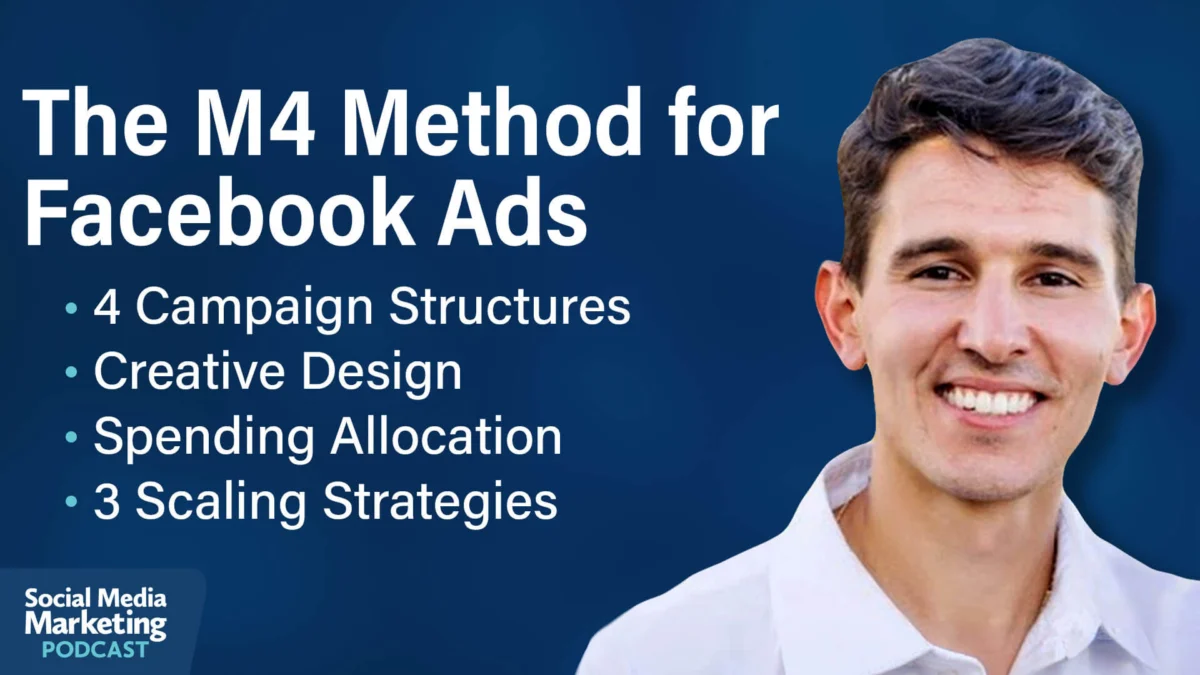
In a deep-dive exploration of modern digital marketing, Piliero, in collaboration with Michael Stelzner, outlines the "M4 Method," a four-stage framework designed to move brands away from vanity metrics and toward sustainable, predictable profit. For businesses looking to transition from boutique operations to $50 million-plus revenue engines, the M4 Method offers a blueprint for structural integrity and creative dominance.
The Core Barriers to eCommerce Growth
Most advertisers are held back by two fundamental misconceptions: an obsession with efficiency metrics and a misunderstanding of control.
The Efficiency Trap
Many marketers obsess over Return on Ad Spend (ROAS) and Cost Per Acquisition (CPA). While these are useful guardrails, they are not the end game. Piliero argues that the true North Star for any eCommerce business should be contribution margin.
Chasing a 10x ROAS is a common pitfall that often restricts growth. If a brand generates $1,000 in revenue and retains $100–$200 in profit, it is fundamentally healthy. A 2.2 ROAS, while less "impressive" on a dashboard, often allows for more aggressive spending, faster customer acquisition, and a stronger long-term compounding effect through lifetime value (LTV) and word-of-mouth.
The Control Fallacy
Advertisers often fall into one of two traps: either they over-engineer their accounts with hundreds of disjointed campaigns, or they abandon all oversight, leaving the Meta algorithm to fend for itself. Success lies in the "sweet spot" between these extremes. By utilizing a structured, deliberate framework, brands can provide the algorithm with the right constraints to find success at scale.

The M4 Method: A Four-Stage Framework
The M4 Method—comprised of Structure, Creative, Deep Dives, and Scale—is designed to be implemented sequentially. Each stage serves as a foundation for the next.
Stage 1: Account Structure (The Foundation)
Great creative will underperform in a disorganized environment. Piliero describes account structure as the "house" that holds your business. By utilizing Campaign Budget Optimization (CBO), advertisers can create a streamlined environment where budget naturally flows toward the highest-performing assets.
The recommended structure includes:
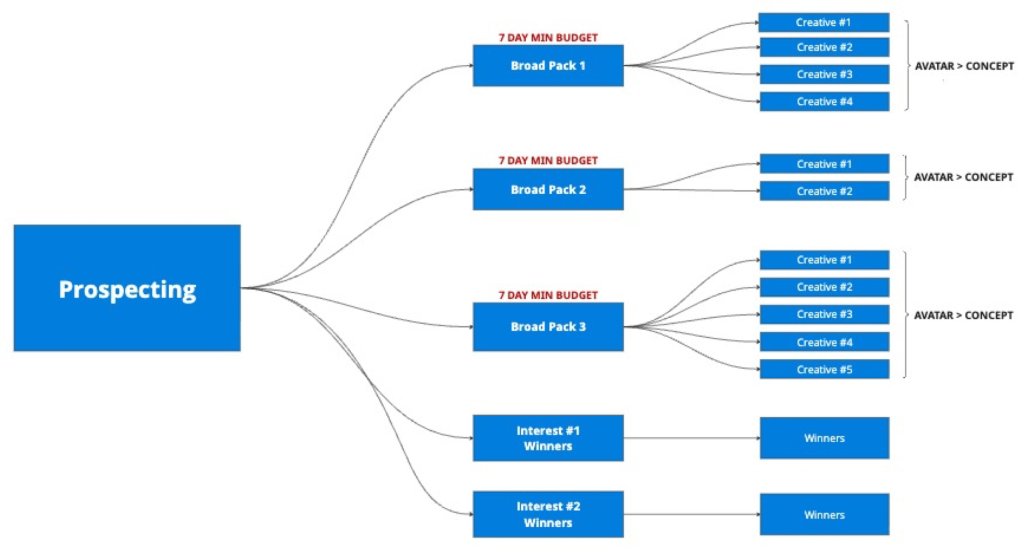
- The Prospecting Campaign: The engine of the account, utilizing CBO to test multiple "packs" (ad sets) of creative.
- The Retention Campaign: A dedicated space for existing customers to ensure spend is clearly segmented.
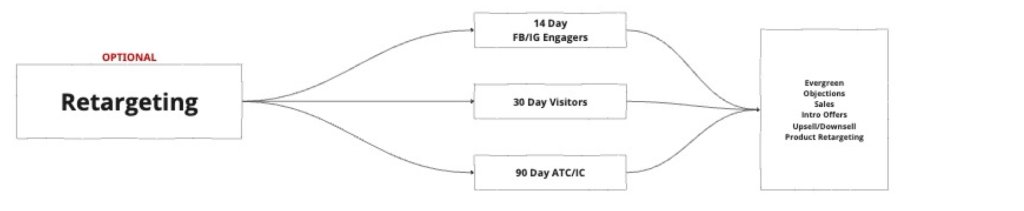
- Optional Retargeting/Scaling Campaigns: Reserved for specific funnel stages or limited-time promotional events.
By using "value rules" and setting ad set minimums and maximums, advertisers can prevent the algorithm from dumping the entire budget into a single, fatiguing ad, while ensuring new creative gets enough exposure to be tested effectively.
Stage 2: Creative Strategy (The Body of the Car)
If structure is the engine, creative is the body of the car. Following Meta’s shift toward AI-driven delivery, the content of your ad is now the primary signal for targeting. Broad, generic messaging is no longer viable; the era of "problem-solution" advertising is here.
Brands must identify a specific customer avatar and speak directly to their pain points. A generic ad for a "back brace" will struggle, but an ad targeting "construction workers suffering from chronic lumbar strain" will resonate deeply with a qualified audience.

Tactics for creative success include:
- Competitive Research: Utilize the Facebook Ads Library to identify ads that have been running for long periods; longevity is the strongest proxy for performance.
- Semi-Professional UGC: Partner with micro-influencers to produce native-feeling content that focuses on key phrases and real-world application.
- Iterative Testing: Don’t reinvent the wheel. If an image or video performs well, create "variations" by swapping the hook, changing the setting, or adjusting the headline.
Stage 3: Deep Dive Analysis
Most businesses fail to realize that their conversion data contains seasonal and behavioral patterns. By analyzing 90 to 180 days of non-promotional data, brands can identify when they are most likely to convert.
For example, a pet brand might see performance spikes on weekends when owners are home, while gift-focused brands may peak early in the week. By lowering budgets on low-performing days and leaning into high-performing ones, brands can see immediate improvements in ROAS. Crucially, this doesn’t mean "turning off" ads on slow days, but rather optimizing the investment to maximize the return on high-intent traffic.
Stage 4: Scaling Strategies
Scaling is the final step, and it should only be attempted when the account is healthy. Piliero outlines three distinct approaches:
- Vertical Scaling: Increasing the budget of a successful campaign by 10–30% every few days to allow the algorithm to recalibrate.
- Horizontal Scaling: Launching temporary, separate campaigns for specific events like flash sales or product launches.
- Twin Engine Scaling: The most effective method, where successful "hit" ads (those capturing 10%+ of spend at target ROAS) are iterated upon and fed back into the primary prospecting campaign, while the overall budget is increased vertically.
Implications and The "King Goal"
For businesses, the implications of this methodology are profound. The most successful brands in the M4 ecosystem—some of which have scaled from $30,000 to $50 million in annual revenue—did not get there by playing with buttons in the dashboard. They got there by committing to a rigid creative and analytical process.
However, a critical nuance exists for supply-constrained businesses. If a company cannot fulfill the demand they generate, the scaling strategy must invert. In these cases, the goal is not growth, but efficiency. The "King Goal"—the single North Star metric for the business—must always remain the priority. If the King Goal (e.g., a specific CAC or ROAS) is being met, all other fluctuations in secondary metrics (CPM, CTR, CPC) are essentially noise.
Conclusion
The transition from a struggling eCommerce store to a dominant market player requires a move away from short-term optimization and toward a structured, compounding system. By building a solid account foundation, manufacturing creative "hits" through iterative testing, analyzing temporal data, and scaling with a "twin engine" approach, brands can turn Facebook ads from a cost center into their most reliable engine for growth.
As the digital landscape becomes increasingly dominated by AI and algorithm-led delivery, the brands that succeed will be those that provide the clearest data signals, the most resonant creative solutions, and the most disciplined adherence to their primary business metrics.