Introduction and Main Facts
The intersection of Hollywood heavyweights, cultural icons, and high-stakes commerce has once again yielded some of the most memorable marketing moments of the year. This week’s advertising landscape is defined by an extraordinary confluence of star power, nostalgic parodies, and clever brand positioning. From Ben Stiller donning a feline costume to promote his whimsical "Stiller’s Soda" to original Scream star Drew Barrymore teaming up with comedian Kevin Hart for a chillingly funny Chase credit card campaign, brands are pulling out all the stops to capture consumer attention.
In addition to individual campaigns dominating the cultural zeitgeist, the industry is gearing up for major gatherings. Notably, ADWEEK House: Advertising HQ is preparing to bring together the most influential minds shaping advertising, commerce, and media for four days of unscripted conversations and after-hours connections in Midtown Manhattan this coming October.
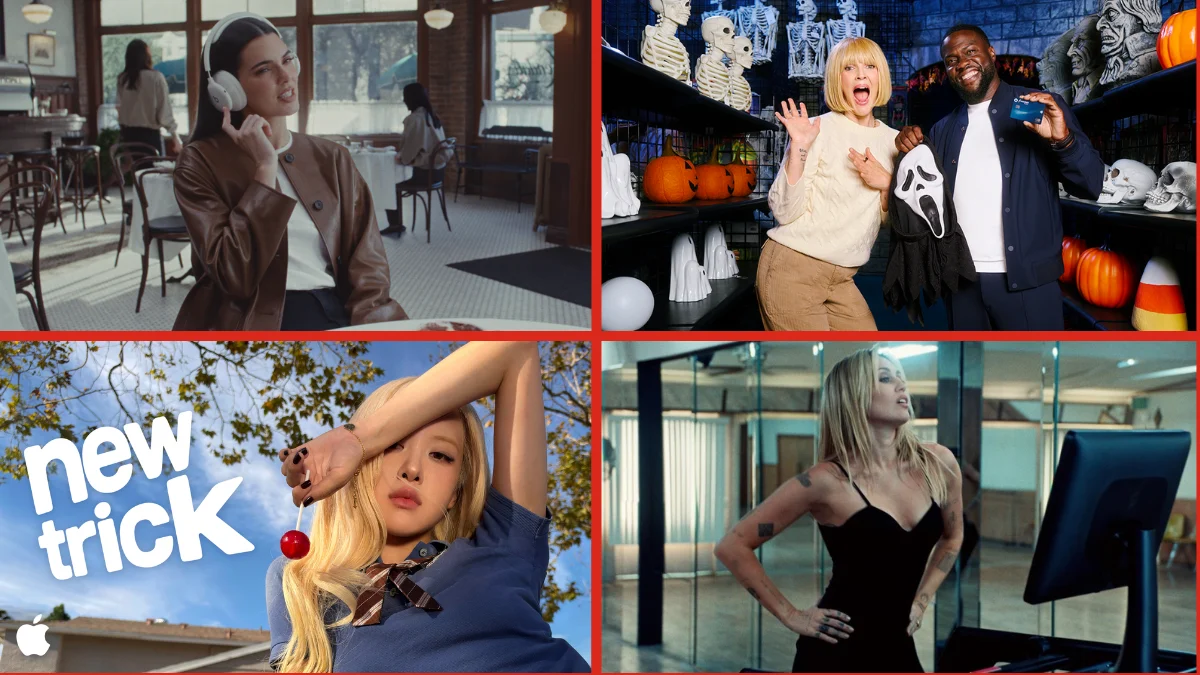
While celebrity-driven narratives continue to drive massive engagement—highlighted by Kendall Jenner surrounded by her own clones for Beats, Alan Cumming expertly pouring Negronis for Campari, Rosé striking a pose for Apple, and Miley Cyrus sweating it out for Peloton—the underlying metrics tell an even more compelling story. According to data provided in partnership with EDO, this week’s most effective ad crown goes to a sizzling, spicy offering from fast-food giant McDonald’s, proving that product-centric sensory appeals can match the star power of A-list celebrities.
This comprehensive report examines the week’s standout campaigns, analyzes the chronological rollout of these creative triumphs, evaluates the supporting engagement data, reviews official and brand responses, and explores the broader implications for the future of global advertising.
Chronology: A Week of Blockbuster Brand Reveals
The past seven days have witnessed a meticulously orchestrated rollout of high-profile marketing initiatives. Brands across diverse sectors—spanning technology, finance, apparel, quick-service restaurants, and spirits—timed their drops to maximize consumer engagement ahead of the lucrative fourth-quarter shopping season.
Early Week: High-Concept Teasers and Star-Studded Drops
The week commenced with a wave of surrealist and high-fashion commercial debuts.
- Beats by Dre kicked off the cycle by releasing a mind-bending visual featuring supermodel Kendall Jenner surrounded by an infinite hall of mirrors reflecting multiple versions of herself. The campaign, designed to highlight the personalized nature of the brand’s audio gear, immediately flooded social media feeds with algorithmic curiosity.
- Concurrently, Campari leaned into sophistication, enlisting stage and screen icon Alan Cumming to demonstrate the art of the perfect Negroni. The spot functioned as both an instructional mixology guide and an elevated lifestyle commercial, capturing the essence of modern hospitality.
- Apple maintained its sleek, minimalist aesthetic by tapping K-pop sensation Rosé for a visually striking vignette that blurred the lines between high art and consumer electronics.
Mid-Week: Nostalgia, Humor, and Seasonal Shifts
As the week progressed, the narrative shifted toward humor, self-awareness, and early holiday positioning.
- Ben Stiller surprised consumers by appearing in an elaborate cat costume to promote "Stiller’s Soda," a whimsical venture that capitalized on absurdist humor to break through the digital clutter.
- Fitness giant Peloton released a high-energy spot featuring global pop superstar Miley Cyrus working out with intense dedication, reinforcing the brand’s pivot toward aspirational, star-backed lifestyle integration.
- Concurrently, the legendary M&M’s Spokescandies returned to television screens with a more dramatic, cinematic flair, reminding audiences of the enduring power of legacy mascots in modern storytelling.
Late Week: Halloween Parodies and Retail Dominance
The crescendo of the week’s advertising blockbusters arrived with a dual focus on retail readiness and seasonal scares.
- Chase unveiled its highly anticipated collaboration with original Scream star Drew Barrymore and comedian Kevin Hart. Released to mark the upcoming 30th anniversary of the iconic horror film franchise, the spot cleverly leveraged nostalgic terror to promote Chase Freedom’s cash-back rewards just as consumers begin thinking about holiday shopping.
- Target dropped a clever, punchy campaign centered around its ubiquitous red shopping bags, emphasizing everyday utility and retail accessibility.
- Finally, McDonald’s rolled out its data-validated, highly effective spicy menu campaign, capturing consumer cravings through visceral, mouth-watering visual stimuli.
Supporting Data and EDO Effectiveness Metrics
In modern advertising, creative brilliance must be backed by empirical performance data. Through our ongoing partnership with EDO—a TV measurement and data analytics company that tracks real-time consumer engagement—we can look beyond the aesthetic appeal of these campaigns to examine how effectively they drive consumer action.
The Anatomy of the Most Effective Ad: McDonald’s Spicy Offering
While celebrity campaigns generate massive earned media and social media chatter, EDO’s engagement metrics designated a spicy product campaign from McDonald’s as the Most Effective Ad of the Week.
- Immediate Search Lift: Following the broadcast of the McDonald’s spot, EDO’s real-time metrics recorded a staggering spike in immediate online search interest for the highlighted menu items. Consumers did not just watch the ad; they immediately sought out nearest locations, delivery options, and nutritional information.
- Sensory Marketing Efficiency: The data underscores a recurring trend in quick-service restaurant (QSR) marketing: visceral, sensory-driven imagery often outperforms celebrity endorsements in driving immediate transactional intent. While a celebrity campaign builds long-term brand affinity, targeted product-benefit advertising captures immediate consumer conversion.
Celebrity Engagement Benchmarks
The star-studded roster this week also yielded quantifiable digital dividends:
- Chase’s "Scream Halloween" campaign capitalized on dual-action engagement. By pairing Drew Barrymore’s horror nostalgia with Kevin Hart’s comedic timing, the financial giant achieved cross-demographic appeal, driving elevated engagement rates across both millennial audiences (who remember the 1996 film release) and Gen Z consumers (who embrace retro horror aesthetics).
- Kendall Jenner x Beats demonstrated superior performance on visual-first platforms such as Instagram and TikTok, generating high algorithmic velocity and user-generated remix culture.
Official Responses and Behind-the-Scenes Insights
The masterminds behind these campaigns have shared fascinating insights into the creative processes, strategic goals, and collaborative efforts required to bring these visions to life.
The Creative Mindset Behind Chase’s Horror Parody
Speaking on the inspiration behind the 30th-anniversary Scream spoof, representatives for Chase highlighted the strategic importance of early fourth-quarter positioning.
"We wanted to tap into a cultural touchstone that elicits an emotional response while reminding consumers of the practical value of our cash-back rewards," noted a marketing spokesperson close to the production. "Pairing the cinematic royalty of Drew Barrymore with the incomparable comedic genius of Kevin Hart allowed us to disarm the viewer with laughter right before delivering a clear, conversion-driven message about holiday shopping preparedness."
Brand Agility and the Power of Unscripted Connection
As the industry prepares for ADWEEK House: Advertising HQ—scheduled for October 5–8 in Midtown Manhattan—leaders are reflecting on the urgent need for agility and authentic connection in an increasingly automated world.
Organizers emphasize that events like Advertising HQ serve as crucial testing grounds where top-tier executives, media buyers, and creative directors dissect the exact mechanisms that make campaigns like Ben Stiller’s feline soda venture or Alan Cumming’s Campari masterclass successful.
"Advertising is no longer a one-way monologue," noted an industry veteran previewing the upcoming Midtown summit. "Whether it’s Miley Cyrus motivating Peloton users or Target reminding shoppers of the humble utility of a red bag, today’s most successful brands are engaging in unscripted, highly resonant cultural dialogues with their audiences."
Implications for the Future of Advertising
The confluence of massive celebrity firepower, nostalgic genre parodies, and rigorous data-driven evaluation seen this week signals several profound shifts in the future trajectory of the global advertising industry.
1. The Weaponization of Nostalgia as a Risk-Mitigation Strategy
With the 30th anniversary of franchises like Scream being leveraged by financial institutions like Chase, and legacy mascots like the M&M’s Spokescandies undergoing dramatic reinterpretations, nostalgia has transitioned from a passive aesthetic choice to an active risk-mitigation strategy. In an era of fragmented media consumption and economic uncertainty, brands are turning to universally recognized cultural touchstones to instantly forge emotional bonds with consumers across generations.
2. The Duality of Star Power vs. Sensory Performance
The contrast between celebrity-heavy campaigns (such as those featuring Ben Stiller, Kendall Jenner, Rosé, and Alan Cumming) and EDO’s top-performing data winner (McDonald’s spicy menu) highlights a vital truth for modern media planners: Brand equity and transactional conversion require different tools.
- Celebrity campaigns excel at upper-funnel brand awareness, cultural relevance, and social media virality.
- Product-centric, sensory-driven campaigns excel at lower-funnel conversion, immediate digital search lift, and transactional urgency.
Future campaigns will increasingly rely on hybrid models that marry high-concept celebrity framing with direct, appetite-appeal product hooks.
3. The Road Ahead to Q4 and Industry Convergence
As brands finalize their holiday strategies and industry leaders pack their bags for ADWEEK House in Midtown, the overarching takeaway is clear: creativity must be matched by operational agility. The brands that win the upcoming holiday shopping season will not simply be those with the biggest budgets or the most famous faces, but those that successfully integrate real-time consumer data insights with bold, culturally resonant storytelling.
Keep scrolling for continued coverage of the week’s most notable ads, ongoing industry analysis, and exclusive previews of the upcoming ADWEEK House events in Midtown.