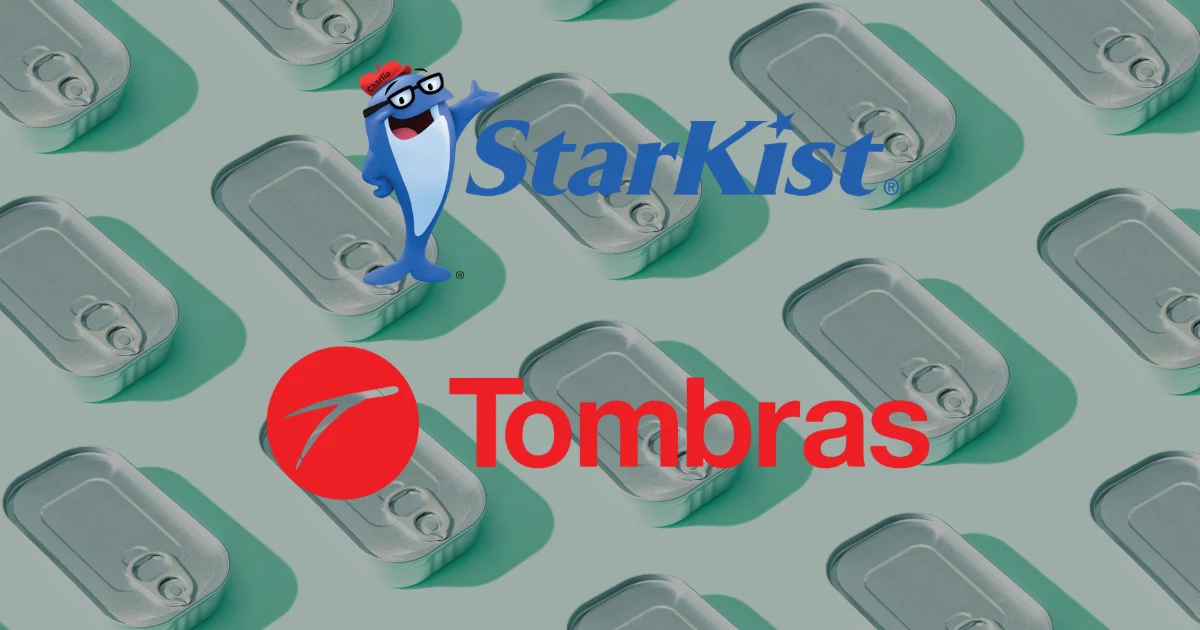
For over six decades, the bespectacled, beret-wearing figure of Charlie the Tuna has served as the aquatic face of StarKist. While many legacy brands have recently opted to retire their mascots in favor of minimalist, abstract branding, StarKist is taking the opposite path. In a strategic pivot aimed at reclaiming cultural relevance, the company has appointed the agency Tombras as its agency of record, tasking them with a singular, ambitious mission: thrusting Charlie into the modern digital zeitgeist through "unusual" and high-engagement social media maneuvers.
The Strategic Shift: A New Era for a 65-Year-Old Mascot
The decision to double down on Charlie comes at a time of profound identity crisis for brand mascots. In recent years, companies ranging from legacy food manufacturers to retail giants have quietly phased out long-standing characters. Some, like Bob’s Red Mill, have undergone radical visual overhauls that effectively bury their original brand identity, while others, like Burger King, have spent years attempting to distance themselves from iconic figures to appear more "sophisticated" or "evolved."
StarKist, however, is bucking this trend. Michael Merritt, Vice President and Head of Marketing and Innovation at StarKist, confirmed in an interview with Adweek that the company views Charlie not as a relic of the past, but as a core asset for future growth. By partnering with Tombras, StarKist intends to move beyond traditional television advertising and leverage the disruptive potential of social media to turn a 65-year-old tuna into a contemporary pop-culture phenomenon.
Chronology: From "Good Taste" to Digital Disruptor
To understand the weight of this decision, one must look at the evolution of Charlie the Tuna.
- 1961: The Birth of an Icon: Created by the Leo Burnett Agency, Charlie debuted in 1961. The initial campaign was centered on a simple, enduring premise: Charlie wanted to be caught by StarKist because he possessed "good taste," but the brand famously rejected him because they only wanted tuna that tasted good.
- The Golden Age of Advertising: For decades, the campaign was a staple of American television. Charlie became a fixture in pop culture, representing a style of mid-century advertising that relied on personality-driven narratives.
- The Quiet Years: As the marketing landscape shifted toward digital and influencer-led strategies in the 2010s, Charlie remained a steady but less "active" presence, primarily relegated to standard product packaging and legacy TV spots.
- 2024: The Strategic Pivot: Recognizing the need for a modern overhaul, StarKist initiated a search for a partner capable of revitalizing the brand. This search culminated in the hiring of Tombras, marking the beginning of an aggressive new chapter focused on platform-specific, "unusual" content creation.
Supporting Data: The Case for Mascot-Driven Marketing
The skeptics of mascots argue that they have become "uncool" or unnecessary in an era of authentic, creator-led marketing. However, the data suggests otherwise. When executed correctly, brand characters create a unique "mental availability" that is difficult for abstract logos to replicate.
Dooley Tombras, President of Tombras, is a vocal proponent of the mascot’s potential. "There’s a debate in the industry now about whether brand mascots are still a thing," he noted. "I would argue that if you use them effectively, they’re more powerful than ever."
The "Duolingo Effect"
The industry benchmark for this strategy is undoubtedly Duolingo’s "Duo the Owl." By embracing an unhinged, chaotic, and highly self-aware personality on TikTok and X (formerly Twitter), Duolingo transformed a language-learning app into a cultural titan. Duo, once a mere icon, is now a sentient digital entity that participates in memes, trolls other brands, and engages with fans on a level that traditional advertising could never achieve. StarKist is looking to emulate this model of "personality-first" marketing, moving Charlie from a static logo to an active digital participant.
Official Responses and Corporate Philosophy
The decision to lean into Charlie is not merely a creative choice; it is a calculated business maneuver backed by the highest levels of StarKist’s marketing department.
The Perspective from StarKist
Michael Merritt emphasized that the brand sees Charlie as a unique identifier—a "brand equity" that is far too valuable to abandon. In an increasingly crowded shelf space, having a recognizable character provides a shortcut to consumer trust and memory. By choosing to "lean in," StarKist is signaling to the market that it values its heritage while remaining agile enough to modernize its delivery.
The Perspective from Tombras
For Tombras, the objective is to strip away the "corporate" veneer that often kills the charm of older mascots. The goal is to insert Charlie into the cultural conversation in ways that feel organic to the platform. Whether it is engaging with trending audio on TikTok or participating in ironic, self-referential commentary on X, the strategy centers on making Charlie "real" to a generation that values transparency and humor over polished, traditional advertising.
Implications: What This Means for the Future of Branding
The StarKist-Tombras partnership is a bellwether for a broader shift in the marketing industry. We are witnessing a divergence in how companies handle legacy assets.
1. The Death of Minimalism
For nearly a decade, the "blanding" of brands—the move toward flat, sans-serif fonts and minimalist icons—has been the industry standard. However, the success of mascot-led strategies suggests that consumers are suffering from "aesthetic fatigue." They are craving personality, character, and narrative. Charlie’s revival suggests that brands are beginning to realize that a recognizable face is more effective at building a loyal community than a sleek, sterile logo.
2. The Rise of "Unusual" Content
The mention of "unusual" ways of engagement is telling. This implies that StarKist is moving away from the "Charlie-as-a-salesman" trope. Instead, we can expect to see Charlie utilized in ways that are potentially bizarre or counter-intuitive. This is the hallmark of modern social media marketing: the more a brand is willing to lean into the weird, the higher the engagement.
3. Generational Bridging
The challenge for StarKist will be maintaining the nostalgia that older generations feel for Charlie while making him relevant to Gen Z and Gen Alpha. This requires a delicate balance of respect for the character’s history and a fearless approach to modern, often irreverent, social media culture.
4. The "Platformization" of Mascots
The role of an agency of record like Tombras is no longer just about buying ad space; it is about "platformization." They must turn Charlie into a character that exists native to the digital environment. This means the content cannot look like a TV commercial; it must look like the content that users are already consuming on their feeds.
Conclusion: Will Charlie Stick?
The revival of Charlie the Tuna is a high-stakes gamble. If StarKist plays it too safe, the effort will be dismissed as a "corporate attempt to be cool," which often backfires and generates cynicism. If they lean too far into the absurd, they risk alienating their core demographic that associates the brand with reliability and tradition.
However, the industry is leaning toward the belief that a well-executed, personality-driven mascot is one of the most effective tools in the modern marketing arsenal. By choosing to embrace the beret-wearing, bespectacled icon, StarKist is making a bold statement: it is not interested in blending into the background of a minimalist retail environment. Instead, it wants to be at the center of the cultural conversation, one "unusual" tweet at a time.
As the campaign rolls out, the entire marketing world will be watching. The success of Charlie’s second act will likely determine whether other legacy brands follow suit, reaching back into their archives to rescue the mascots they once discarded. For now, the world is about to see a whole lot more of Charlie the Tuna—and if Tombras has its way, he will be the most interesting, and perhaps the most unexpected, presence in our social feeds.