In an era dominated by volatile social media algorithms, rising Pay-Per-Click (PPC) costs, and unpredictable search engine updates, the "rented land" of social media platforms has become an increasingly precarious place for business owners to stake their future. As we move further into 2025, the most successful entrepreneurs are returning to the bedrock of digital marketing: the email list.
Owning your direct line of communication with your audience is no longer just a marketing best practice; it is a fundamental pillar of business survival. But how do you grow a list without burning through your marketing budget on ads? This guide provides a deep dive into the strategies, psychology, and tactical implementation required to build a high-converting, organic email database.
The Strategic Imperative: Why Email Remains King
Before examining the "how," we must address the "why." A healthy, segmented email list is the only marketing asset that provides complete autonomy. Unlike a platform like Instagram or LinkedIn, where a single algorithm change can slash your reach by 80% overnight, your email list is yours. You control the delivery, the timing, and the narrative.
Supporting Data: The ROI of Direct Communication
According to The 2025 State of Marketing Report by HubSpot, email marketing continues to outperform nearly every other digital channel, boasting an average ROI of 36:1. For every dollar invested, brands are seeing an average return of $36. This level of profitability is rarely achieved through social media advertising, which often faces diminishing returns as ad spend increases.
Furthermore, email facilitates a level of personalization that public feeds cannot match. By utilizing behavioral data—such as purchase history or link clicks—brands can deploy highly specific, automated flows that nurture leads from curious prospects into loyal, repeat customers.
Chronology of Growth: A Multi-Phase Approach
Building a list is not a "set it and forget it" task. It is a long-term, compounding effort that requires a phased mindset:
- Foundation Phase (Weeks 1-4): Establishing lead magnets and ensuring your website is optimized for conversion.
- Expansion Phase (Months 2-6): Actively promoting your opt-ins across social media and guest appearances.
- Collaborative Phase (Ongoing): Leveraging partnerships to tap into external, high-intent audiences.
6 Proven Strategies for Organic List Building
If you are a founder working with limited resources, these six strategies offer the highest potential for growth without requiring a single cent in paid advertising.
1. The Value Exchange: Give Them What They Want
The most common mistake founders make is asking for an email address without providing sufficient value in return. A generic "Sign up for our newsletter" is no longer enough to cut through the digital noise.
To grow, you must offer a high-value "lead magnet." This could be an industry-specific checklist, a proprietary template, or a mini-course. The key here is quality over convenience. Avoid the trap of using AI to generate generic content in seconds. If your audience can find the same answer with a simple Google search, they won’t trade their personal contact information for it. Your content must offer deep, actionable expertise.
2. Strategic Placement and UX Optimization
Where you ask for the email is just as important as what you offer. If your opt-in form is buried in the footer, your conversion rate will suffer.
- Homepage Hero Sections: Place your primary value proposition and opt-in form above the fold.
- Contextual Blog Embeds: If you are writing a post about fitness, embed an opt-in for a "7-Day Workout Plan" within the article itself.
- Exit-Intent Popups: These appear only when a user is about to leave, capturing traffic that would otherwise be lost. However, exercise caution: excessive, intrusive popups can frustrate users and hurt your site’s SEO performance by increasing bounce rates.
3. The Power of the "Free Challenge"
Challenges are one of the most effective ways to build a high-trust list. By promising a transformation (e.g., a "30-Day Productivity Reset"), you invite the user into a structured experience.
Because the user has to opt-in to receive the daily content, they are highly engaged from day one. By the end of the challenge, they aren’t just a random subscriber—they are a customer who has already experienced the value of your brand’s expertise.
4. Leveraging Your Existing Social Presence
Your social media followers are "warm" leads who already know your brand. Don’t leave them on the social platform.
Regularly tease your lead magnets in your Instagram stories, TikTok videos, or LinkedIn posts. Use "Link in Bio" tools to create a dedicated landing page for your email sign-ups. When you share a piece of content on social media, follow it up with a call-to-action (CTA): "If you found this helpful, I dive even deeper into this topic in my weekly email—join the community at the link in my bio."
5. Multi-Platform Funneling
Treat every touchpoint as a potential funnel entry. Your email signature, business cards, LinkedIn bio, and even the "About Us" page on your website are prime real estate.
If you are a guest on a podcast or contributing a guest post to a major industry publication, don’t just provide a link to your homepage. Provide a link to a dedicated landing page for that specific audience, offering them a resource tailored to their interests.
6. The Force Multiplier: Strategic Collaboration
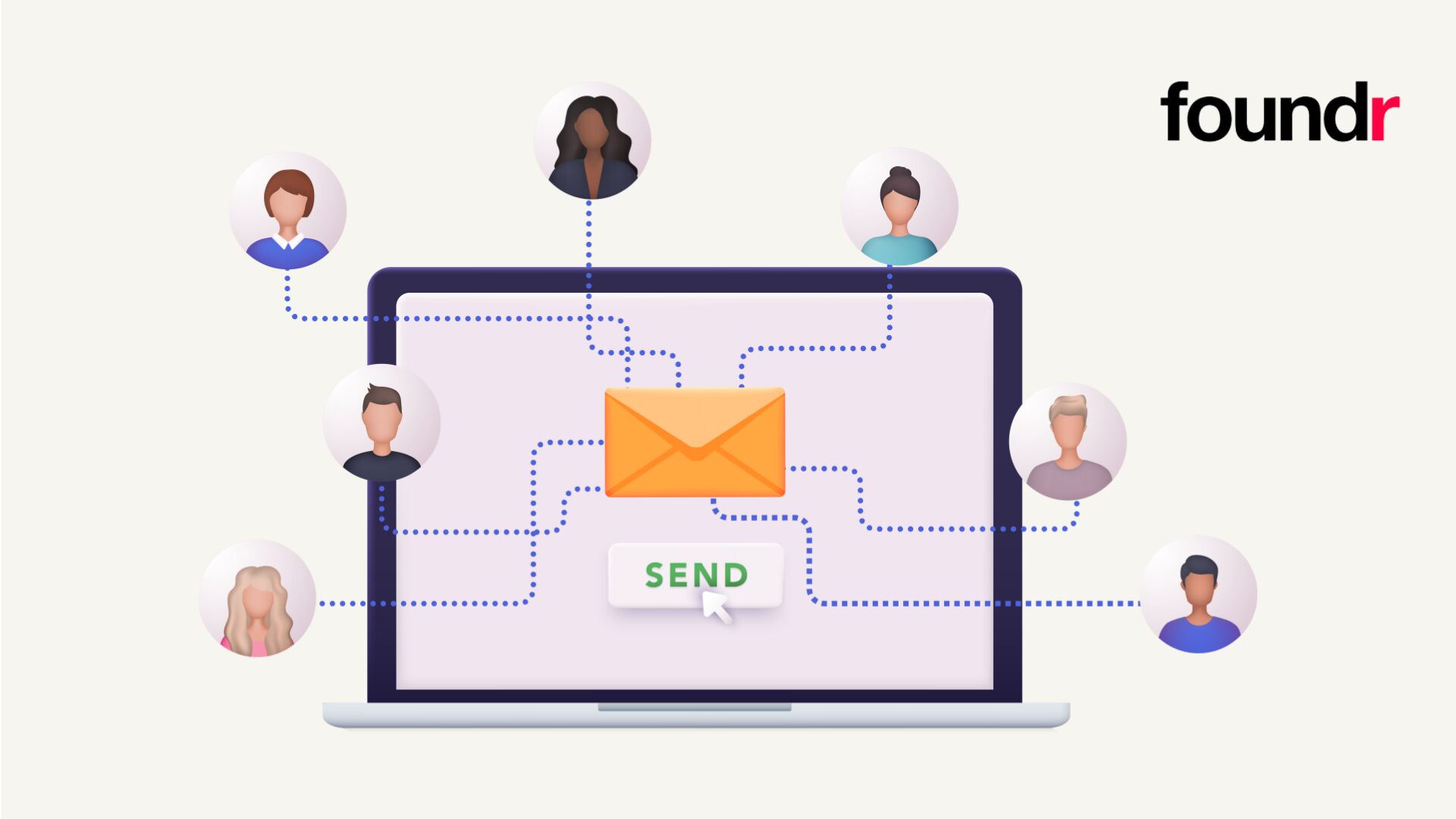
As a solo founder, the fastest way to scale is to borrow someone else’s audience. Identify non-competing entrepreneurs in your niche who have an audience similar to yours.
Propose a "Newsletter Swap" or a joint webinar. By cross-promoting each other’s lead magnets, you both gain access to a pool of high-intent subscribers who have already been "vetted" by a peer they trust. This is arguably the fastest way to grow a list without spending money.
Implications: Nurturing Your List Post-Growth
Once you have successfully attracted subscribers, the work shifts from acquisition to retention. A large list is a liability if the audience is disengaged. To ensure your list remains a high-performing asset, consider these three pillars:
- Welcome Sequences: This is your first impression. Automate a 3-5 email sequence that introduces your brand’s mission and delivers on the promise of your lead magnet.
- Advanced Segmentation: Stop sending one-size-fits-all emails. Use tags to categorize your subscribers based on their interests or behavior. A customer interested in "beginner tips" should not receive the same content as a "pro-level user."
- Consistent Value: Whether it’s weekly or monthly, stick to a schedule. Your audience should view your email as a source of value, not just a sales pitch.
The Role of Modern Infrastructure
Executing these strategies requires a robust technical foundation. Managing manual lists in a spreadsheet is a recipe for disaster; you need a platform that handles automation, segmentation, and design with ease.
Omnisend is designed specifically for this purpose. It empowers eCommerce brands to grow smarter by integrating email and SMS automation into a single, intuitive dashboard. With drag-and-drop builders and sophisticated segmentation tools, it allows you to treat your list like a precision instrument rather than a blunt object.
Exclusive Offer: For those looking to take the next step in professionalizing their email strategy, you can leverage the code FOUNDR50 at checkout to receive 50% off your first three months of any paid Omnisend plan.
Conclusion
Building an email list in 2025 is a marathon, not a sprint. By prioritizing the user experience, offering genuine value, and leveraging the power of collaborative growth, you can build a resilient business that isn’t dependent on the whims of social media algorithms. Start small, stay consistent, and focus on turning every single subscriber into a long-term advocate for your brand.