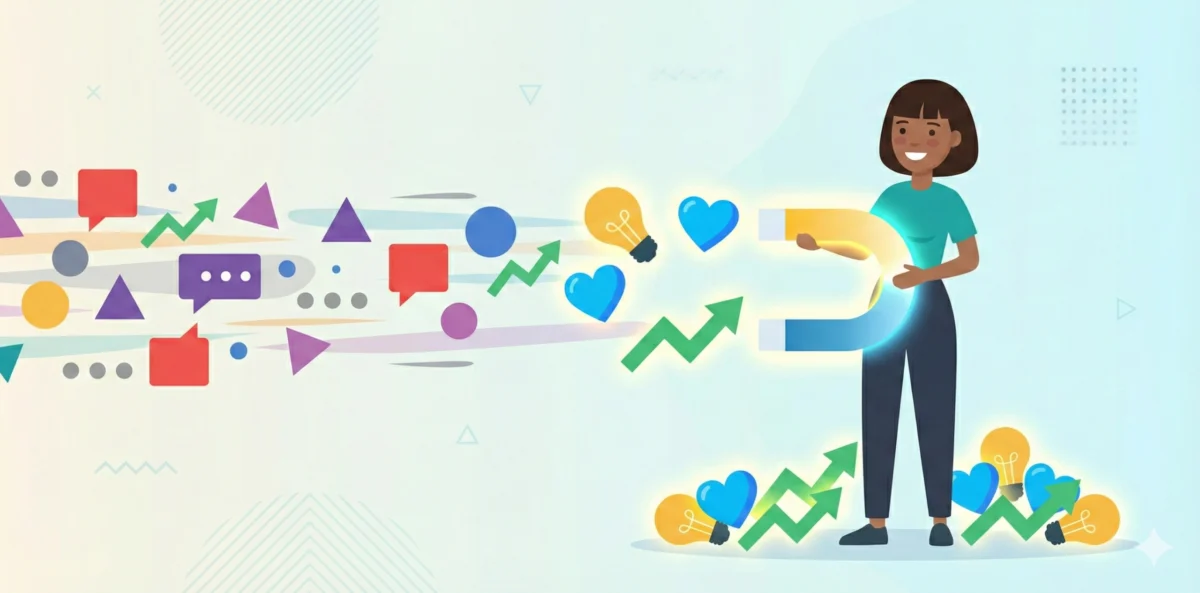
In the hyper-accelerated digital ecosystem of the 2020s, the half-life of online culture is shrinking at a punishing rate. A niche audio clip on TikTok can evolve from an obscure ditty into a global, cross-platform meme in less than forty-eight hours. Yet, despite this blinding velocity, a vast number of corporate marketing teams remain tethered to rigid, quarterly content calendars that move at the speed of a glacier.
The penalty for this disconnect is severe. When a major brand shows up two weeks late to a viral moment—using an exhausted meme snippet as the soundtrack for a meticulously polished, overly produced corporate campaign—they instantly trigger the digital equivalent of the awkward uncle showing up at a high school house party just as the lights are turning on. They don’t look plugged-in; they look desperate, tone-deaf, and out of touch.
For marketing organizations historically accustomed to agonizing over campaign messaging for weeks, months, or even quarters, this compressed timeline is nothing short of harrowing. The operational challenge associated with keeping pace is fundamentally twofold: Brands must completely overhaul and accelerate their internal approval cycles to enable real-time publishing, while simultaneously ensuring that their rapid-fire messaging rigorously meets complex brand safety, legal, and compliance standards.
Fortunately, advanced social listening tools and agile operational strategies can help forward-thinking brands hone their cultural radar. By mastering these systems, companies can ride the waves of cultural momentum without devolving into the corporate embodiment of the Steve Buscemi “How do you do, fellow kids?” meme.
The Anatomy of the Speed Crisis
To understand why modern marketing is struggling, one must examine the widening gap between consumer behavior and corporate bureaucracy. Traditional enterprise marketing operates on a predictable, cyclical cadence. Campaigns are ideated months in advance, budgeted during annual or quarterly planning cycles, routed through multi-layered legal reviews, and finally pushed live according to a static schedule.
Consumer culture, conversely, is anarchic, decentralized, and entirely unprompted. It moves through micro-bursts of collective attention. A viral moment does not wait for a Monday morning brand-alignment sync.
This speed crisis forces marketing departments into an untenable dilemma. If they maintain their traditional, slow-moving approval processes, they forfeit relevance. If they throw caution to the wind to chase speed, they risk catastrophic PR missteps, brand safety violations, and public humiliation.
Resolving this tension requires a fundamental reframing of social listening. Rather than viewing listening tools as passive radar systems used merely to compile weekly sentiment reports for upper management, agile brands are transforming them into active intelligence engines that directly drive content creation.
Turning Sentiment Into Strategy
For years, sentiment analysis has been treated as a localized tool primarily housed within reputation management and customer service departments. Brand teams check the metrics to see if net sentiment is trending positive or negative, file the report away, and move on. However, relying solely on surface-level sentiment analysis misses the broader, highly lucrative strategic potential of modern social listening.
The most effective content teams go far beyond simply reacting to direct brand mentions. They use enterprise listening platforms to surface underlying cultural signals that can proactively shape their next strategic move.
Decoding Market Signals Through the Noise
Consider how this paradigm shift plays out in real-world scenarios: A sudden, sharp spike in negative comments or frustrated social chatter might look like an impending reputational crisis at first glance. However, when viewed through a wider, more strategic lens, that exact same chatter could point to an emerging, unaddressed consumer need or signal a massive operational misstep by a primary competitor.
What appears to be a brushfire that requires immediate crisis PR management may actually be an invaluable early market signal—and a golden opportunity to lead an industry conversation rather than fruitlessly chasing it.
To leap from basic sentiment tracking to true strategic advantage, brands must reframe listening as an indispensable input to upstream planning, rather than a downstream reporting mechanism. High-performing marketing teams closely track core indicators such as:
- Unprecedented velocity shifts in keyword usage across adjacent consumer verticals.
- Emerging linguistic patterns and colloquialisms used to describe product pain points.
- Cross-platform migration of niche formats into mainstream discussions.
When these nuanced signals successfully pinpoint a viable cultural insight, agile marketing teams should mobilize to respond while the underlying discussion is still actively gaining traction. Ideally, this operational window sits tightly between 48 to 72 hours. Move any later than that, and the brand risks looking entirely reactive, lazy, and fundamentally irrelevant.
Spotting Micro-Virality Early: Beyond the Mainstream Dashboards
A defining characteristic of contemporary digital culture is the emergence of “micro-virality.” Unlike traditional viral content that historically exploded across demographics simultaneously via mass media or national ad campaigns, micro-viral moments ignite organically within hyper-specific, insular communities before ever crossing into mainstream consciousness.
Crucially, the earliest ripples of these trends almost always start in digital spaces where traditional corporate brands are not actively looking. A surrealist meme circulating quietly within a 20,000-member Discord server, or an idiosyncratic professional joke gaining sudden, unusual traction among B2B SaaS marketers on LinkedIn, can easily serve as the precursor to tomorrow’s dominant cultural trend.
The Blind Spots of Standard Analytics
Detecting these early sparks presents a monumental challenge for even the most culturally attuned brands. Standard analytics dashboards are inherently engineered to prioritize volume over velocity. They flag trends after they have already saturated the mainstream—which, in the current landscape, usually means they are already dead.
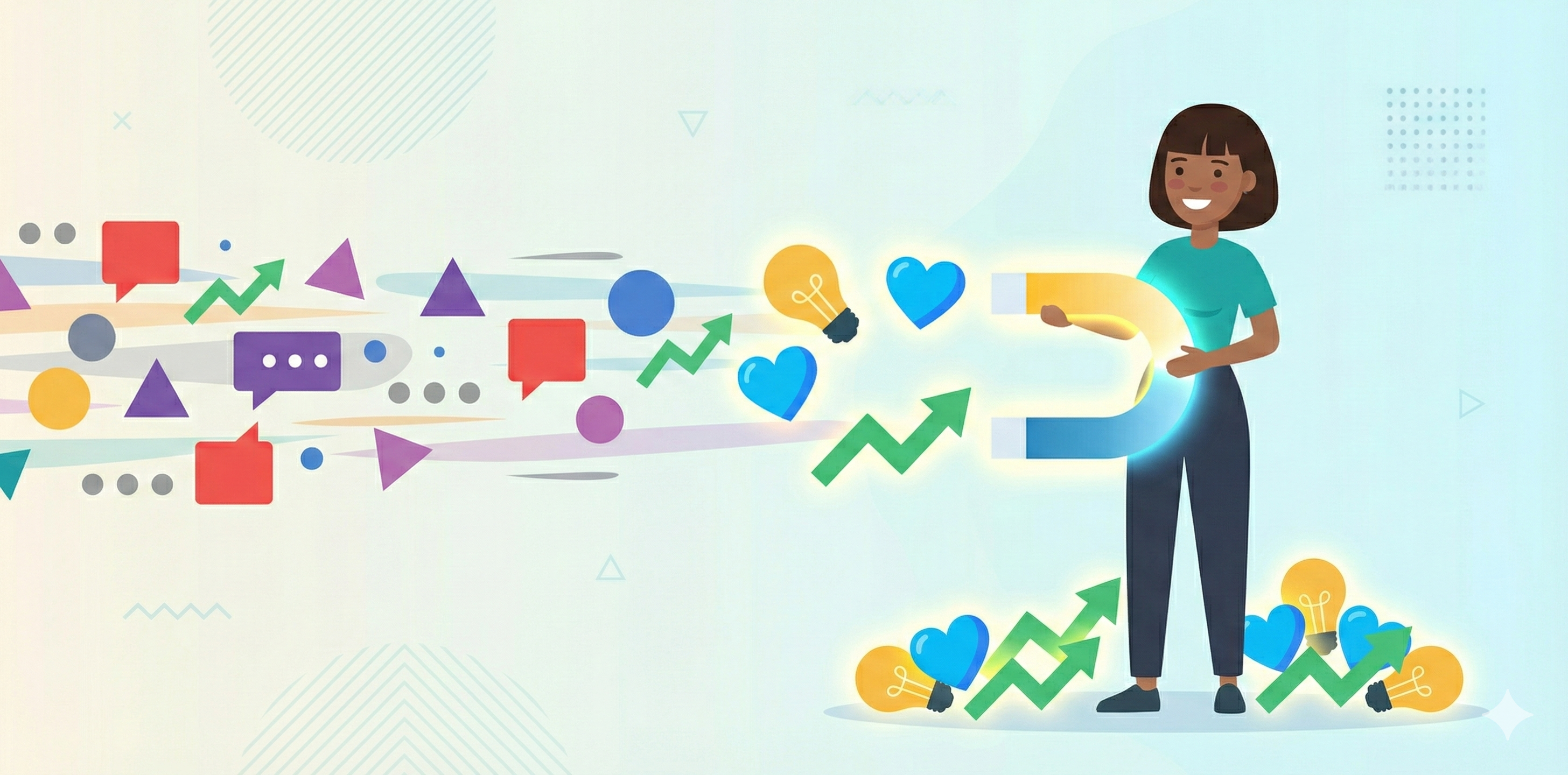
Effective micro-virality detection demands systematic monitoring far beyond obvious, hyper-public platforms like X (formerly Twitter) or Instagram. Brands must learn to navigate digital subcultures, including:
- Niche Discord servers and Telegram channels dedicated to specific hobbies, aesthetics, or subgenres.
- Specialized Reddit communities where user-generated critiques and insider humor develop rapidly.
- Private professional networks and specialized Slack communities where industry-specific workflows are debated.
However, breaking into these insular spaces requires immense tact. If a brand shows up heavy-handed, corporate, and exploitative, the community will reject them instantly. To earn authentic trust, brands must master the art of listening first. They must contribute value in ways that feel entirely native to the community rather than bolted on from the outside. Furthermore, partnering with credible, organic voices already established inside those spaces can amplify a brand’s presence authentically, avoiding the cringe-inducing appearance of an outsider trying to hijack a private conversation.
Trendjacking With Finesse: Avoiding the Cringe
For every successful, brilliantly executed trendjacking moment in modern advertising, there are dozens of tone-deaf, desperate attempts that breed widespread mockery, public backlash, and reputational damage instead of genuine customer engagement.
A careful post-mortem of major brand missteps reveals a common genetic makeup: rushed execution, a total misunderstanding of the cultural tone, and a forced, unnatural brand insertion.
The Cautionary Tale of #GirlDinner
Consider the massive explosion of the “#GirlDinner” trend on TikTok, where users shared whimsical, low-effort plates consisting of snacks, cheeses, and miscellaneous items as a playful nod to modern meal fatigue. Sensing an opportunity to tap into Gen Z humor, fast-food giant Popeyes attempted to capitalize on the moment by launching a branded “Girl Dinner” menu composed entirely of its heavy fried side dishes.
Instead of eliciting consumer delight, the corporate pivot was widely panned across social media as lazy, opportunistic, and fundamentally off-base. The campaign entirely missed the tongue-in-cheek, self-soothing, and anti-perfectionist ethos of the original trend, replacing it with a heavy-handed push to sell fried chicken sides. What could have been an organic alignment with youth culture instead highlighted the severe financial and reputational risks of jumping onto a cultural bandwagon without adding genuine value.
Conversely, brands that invest time in understanding subtle cultural nuances are far more likely to show up in ways that resonate. HelloFresh, for example, serves as a prime case study in sophisticated social listening. The meal-kit company actively tracks not just direct brand mentions, but massive, macro-level conversations surrounding shifting home-cooking habits, evolving dietary recipe trends, and real-time packaging feedback. By continuously analyzing these signals, HelloFresh adapts both its product offerings and its content strategy in real time, staying perpetually relevant.
Reshaping the Content Machine From the Inside Out
The true, transformative power of social listening emerges only when real-time audience intelligence flows directly into the operational heart of a content engine. Leading organizations are successfully moving beyond surface-level vanity metrics, allowing live audience data to directly inform four critical operational functions:
1. Editorial Calendar Evolution
Major entertainment streaming giants like Netflix have masterfully demonstrated how closely tracking audience chatter can directly dictate promotional priorities. Conversations revolving around specific genres, collective emotional moods, or timely cultural touchpoints heavily guide what gets highlighted in marketing campaigns—such as proactively emphasizing “comfort viewing” categories during moments of collective societal stress.
2. Language and Tone Optimization
Budget European carrier Ryanair has become a legendary case study in how a legacy brand can use social listening to radically inform its distinct voice and tone. Their boldly cheeky, self-deprecating brand personality (“Yes, our legroom is terrible, but our fares cost less than a cup of coffee”) is a direct, mirror-image reflection of what they know consumers are already saying about them online. Social posts that relentlessly mirror the cynical humor of their audience consistently drive record-breaking engagement, proving that listening shapes not just what a brand says, but the exact linguistic delivery of how it says it.
3. Executive Positioning
Enterprise technology giants like Salesforce leverage continuous trend monitoring to inform executive thought leadership. By paying acute attention to emerging, complex business discussions—whether concerning generative artificial intelligence, customer data privacy, or corporate sustainability—they position their executive leadership to weigh in early, authoritatively, and credibly.
4. Message Testing and Refinement
Forward-thinking technology companies routinely validate their product positioning by tracking how potential marketing narratives land within target markets. Slack’s historic brand evolution from positioning itself as a tool to “be less busy” to its modern identity as a centralized “digital HQ” reflects this exact type of feedback loop. Continuous conversation analysis helps marketing teams sharpen and polish their messaging long before a major global campaign is scaled.
Practical Takeaways and Best Practices
Transforming social listening from a passive monitoring task into a high-performance growth driver requires rigorous operational discipline and cross-departmental integration. To successfully bridge the gap between fast-moving culture and corporate governance, marketing leaders should adhere to three foundational best practices:
- Establish Agile Guardrails: Build lightweight, pre-approved operational boundaries. Create a definitive “do and don’t” list covering restricted language, sensitive topics, and brand tone. Pair this with a shortened, streamlined approval chain for rapid-response content and clear escalation pathways for unexpected public relations issues. This ensures teams can move at the speed of culture without exposing the enterprise to unnecessary risk.
- Integrate Insights Upstream: Stop treating listening dashboards as end-of-month reporting summaries. Force content strategists, copywriters, and media buyers to review real-time social data before a single word of a campaign brief is written.
- Invest in Cultural Literacy: Equip marketing personnel with the contextual training needed to understand digital subcultures. Recognizing the difference between an organic community inside joke and a toxic flashpoint is vital for sustainable brand survival.
Conclusion: The New Imperative of Cultural Intelligence
The brands thriving within today’s compressed, unforgiving attention economy do not merely react to cultural shifts—they anticipate them, shape them, and build durable competitive advantages through sophisticated cultural intelligence.
This operational shift demands a fundamental reframing of both marketing budgets and executive mindsets. Viewing a robust social listening infrastructure as a mere line-item expense misses the point; it is a critical investment in direct business performance. In a media landscape where cultural moments flare and fade faster than you can say “Barbenheimer,” the organizational capability to detect, interpret, and respond within hours—not weeks—is the ultimate differentiator.
Ultimately, the rule remains unforgiving: Do not be the brand that shows up after the party is already over. Advanced social listening ensures you arrive on time, equipped to join the cultural conversation in a way that feels genuinely welcome.
Social listening is only as powerful as the strategic stories it informs. Discover how Contently’s network of vetted financial, medical, and legal subject-matter experts can help your enterprise build an agile content engine anchored in real-time, compliant audience intelligence.