In the modern digital marketing landscape, relying solely on a single search engine ecosystem is rarely enough to capture maximum market share. For advertisers looking to scale past Google Ads, Microsoft Advertising—formerly known as Bing Ads—stands out as the premier secondary search engine platform. While Google continues to dominate overall search volume, Microsoft Advertising offers distinct demographic advantages, often lower cost-per-click (CPC) rates, and access to a unique audience network that includes Bing, Yahoo, DuckDuckGo, and syndicated partner sites.
However, transitioning from Google’s vast, high-velocity infrastructure to Microsoft Advertising requires more than a simple copy-and-paste strategy. Understanding the platform’s distinct algorithmic behavior, traffic volume nuances, and unique feature sets is essential for long-term return on ad spend (ROAS).
1. Main Facts: The Strategic Advantage of Microsoft Advertising
Expanding into Microsoft Advertising allows brands to diversify their paid search portfolio. Although the platform shares structural and navigational similarities with Google Ads—making it intuitive for experienced PPC professionals—it operates under entirely different mechanics.
- Audience Demographics: The Microsoft Search Network often reaches an older, more affluent demographic that may not use Google as frequently, providing a lucrative avenue for high-ticket items, B2B services, and specialized consumer goods.
- Reduced Competition: Because many advertisers treat Microsoft Ads as an afterthought, keyword competition is frequently lower, translating to more cost-effective customer acquisition metrics.
- Ecosystem Parity: Core campaign management concepts—such as ad groups, keywords, negative match lists, and conversion tracking—function similarly to Google Ads, flattening the initial learning curve.
2. Chronology: The Blueprint for a Successful Platform Launch
Successfully migrating or expanding campaigns from Google to Microsoft requires a structured, phased approach. Rushing the process or treating the platforms as identical twins frequently leads to wasted ad spend and poor performance metrics.
Phase 1: Preparation and Campaign Structuring
Before touching the import tool, evaluate your existing Google Ads setup. While Microsoft Advertising offers a convenient one-click import tool to pull campaigns directly from Google, a direct, unedited import is rarely recommended.
Instead, establish a foundational strategy focusing on Search Campaigns as your entry point:
- Separate Brand and Non-Brand Traffic: Divide your search campaigns into distinct brand and non-brand buckets. This separation allows you to monitor brand protection performance independently of top-of-funnel customer acquisition costs.
- Audit Match Types: Review how match types (Exact, Phrase, and Broad) behave on Microsoft. While keyword matching has grown closer to Google’s automated standards across the industry, maintaining tight control over negative keyword lists from day one is critical to prevent budget leakage.
Phase 2: The Extended Learning Period
One of the most common pitfalls for marketers transitioning from Google to Microsoft is managing expectations around campaign optimization timelines.
- Google vs. Microsoft Timelines: On Google Ads, automated bidding strategies and standard campaigns typically exit their learning phase within approximately two weeks, assuming sufficient conversion volume.
- The Volume Reality: Because Microsoft Advertising operates at a fraction of Google’s total search volume, algorithms require significantly more time to gather enough data signals. Expect a learning period of 4 to 8 weeks, heavily dependent on your monthly budget and conversion rate.
Phase 3: Scaling and Unique Feature Testing
Once your core search campaigns have safely navigated the learning period, stabilized, and begun hitting efficiency targets, you can begin testing platform-specific tools and advanced campaign types.

3. Supporting Data and Platform Differences: Navigating the Ecosystem
While Microsoft Advertising strives to match Google feature-for-feature to ease cross-platform management, underlying technologies, data sets, and audience scales differ fundamentally.
Feature Parity vs. Technical Reality
- Performance Max (PMax) and AI Max: Microsoft offers automated campaign types styled after Google’s Performance Max and modern AI-driven solutions. Although they share conceptual goals—automating bids, placements, and creative assets across multiple channels—they are built on distinct underlying technology and trained on Microsoft’s proprietary user data.
- Audience Ads: Unique to the Microsoft ecosystem, Audience Ads leverage native advertising placements across Microsoft properties (such as MSN and Outlook). Because these formats rely on different data signals than standard search queries, they should be isolated into separate campaigns and tested conservatively with smaller budgets before scaling.
Budget Management and Algorithmic Patience
During the extended 4-to-8-week learning phase, digital marketers must resist the urge to tinker constantly. Frequent, drastic adjustments to bids, target CPA/ROAS goals, or daily budgets reset the machine learning cycle, trapping campaigns in perpetual instability.
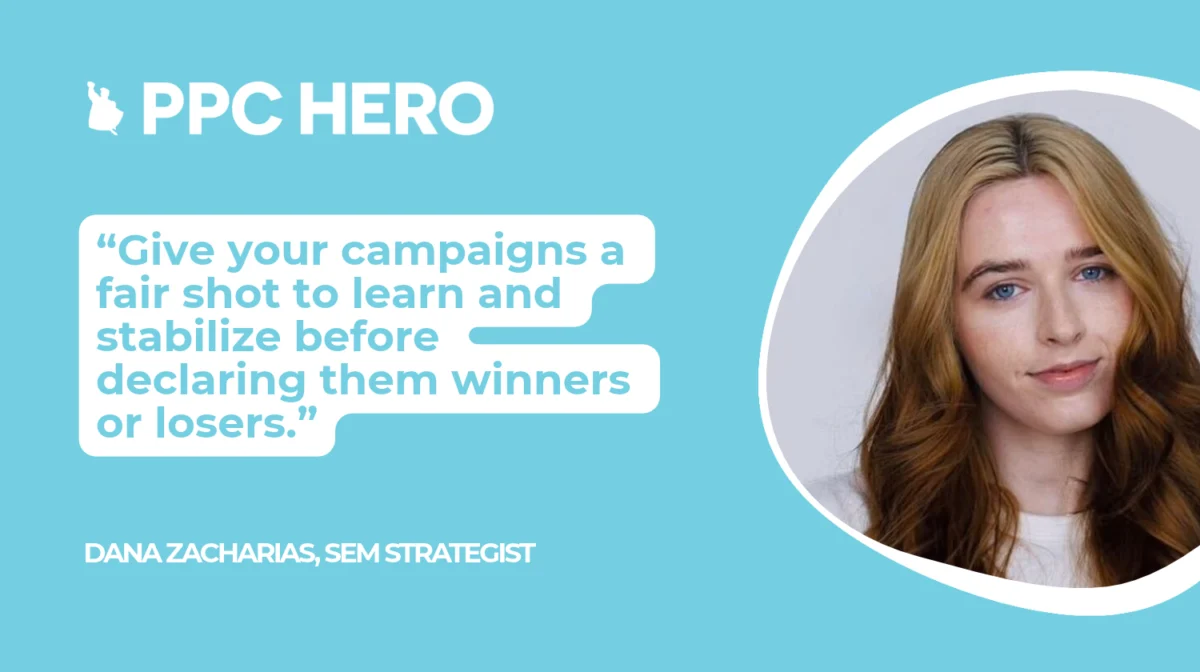
"Sit on your hands if you must and give your campaigns a fair shot to learn and stabilize before declaring them winners or losers."
4. Official Perspectives and Industry Insights
PPC professionals and platform representatives consistently emphasize that treating Microsoft Advertising as a mere "copy" of Google Ads is the leading cause of campaign underperformance.
Industry analysts point out that while Google excels at capturing active, high-intent immediate searches at scale, Microsoft’s strength lies in incremental reach and efficiency. By respecting the platform’s lower volume thresholds and allowing automated bidding models adequate time to ingest data, advertisers routinely uncover hidden pockets of high-converting traffic that competitors overlook.
Furthermore, Microsoft’s continuous investment in artificial intelligence, multi-channel syndication, and privacy-compliant targeting ensures that the platform remains a dynamic, evolving space rather than a stagnant alternative.
5. Implications for Digital Marketers and Future Outlook
The expansion from Google Ads to Microsoft Advertising carries profound implications for digital marketing strategies:
- Diversification as Risk Mitigation: Relying on a single traffic source leaves brands vulnerable to algorithm updates, policy changes, and sudden CPC inflation. Diversifying into Microsoft Advertising builds resilience into digital acquisition funnels.
- Resource Allocation: Teams must allocate adequate human and financial resources to manage Microsoft campaigns independently. Automated imports are helpful starting points, but ongoing optimization requires platform-specific oversight.
- Holistic Reporting: Marketers must adapt their reporting frameworks to account for longer conversion windows and lower initial volumes on Microsoft, ensuring stakeholders do not pull funding prematurely during the vital learning phase.
Summary
Expanding your digital advertising footprint into Microsoft Advertising is a powerful strategic move. By starting with meticulously structured Brand and Non-Brand search campaigns, exercising strict patience through the extended 4-to-8-week learning phase, and carefully testing unique platform offerings like Audience Ads and AI-driven features, your brand can unlock a profitable, resilient secondary revenue channel.