The landscape of digital commerce is undergoing its most significant transformation since the invention of the shopping cart. As we move into mid-2026, the industry is witnessing a pivot from passive, rule-based software to "agentic commerce"—a paradigm where AI agents don’t just assist with tasks but actively execute complex, multi-step business processes autonomously.
This week, the ecommerce ecosystem saw an unprecedented flurry of product releases, acquisitions, and strategic partnerships. From Shopify’s massive Spring 2026 update to the rise of Generative Engine Optimization (GEO) and autonomous B2B sales agents, the message to merchants is clear: the era of the human-in-the-loop is rapidly evolving into a partnership between human intent and machine execution.
Main Facts: The New Tools of the Trade
The latest wave of innovation is characterized by three core pillars: Agentic Autonomy, Visibility in AI Search, and Operational Convergence.

1. The Rise of Agentic Commerce
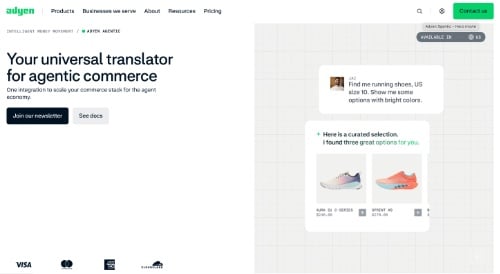
Major platforms are no longer just offering "tools"; they are offering agents. Shopify’s Spring 2026 Edition leads the charge, integrating its Sidekick AI assistant into third-party applications and expanding its autopilot marketing capabilities. Similarly, Adyen has introduced Adyen Agentic, a modular API suite that acts as a "universal translator" for conversational AI platforms, allowing merchants to accept payments through LLMs without overhauling their existing backends.
2. Generative Engine Optimization (GEO)
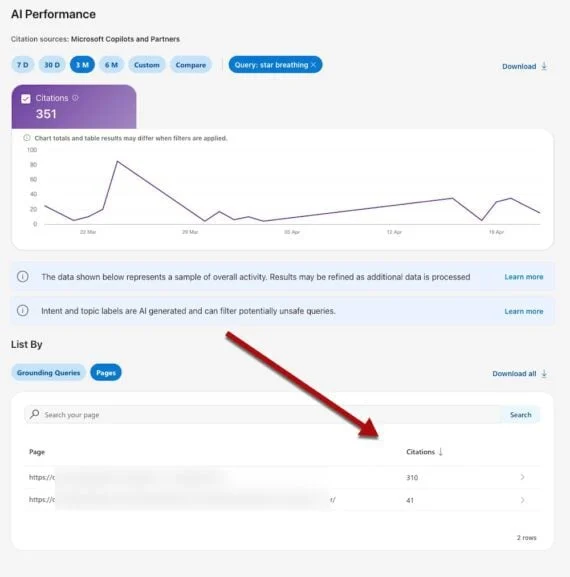
As consumers increasingly turn to ChatGPT, Copilot, and Perplexity for product discovery, traditional SEO is losing ground to GEO. Adobe has stepped into this space with Brand Visibility, a tool designed to track how brands appear within generative AI outputs. Peec AI has followed suit, launching AI Shopping Analytics to track how AI models recommend specific products, giving merchants visibility into their "win rate" within the conversational interface.
3. Autonomous Sales and Operations
The B2B sector is seeing a massive reduction in manual overhead. Threekit’s new AI Sales Agent can now take a customer request, reason through complex configuration logic, and generate a valid proposal entirely on its own. Commercetools is pushing similar boundaries, partnering with Mirion Technologies to launch an intake agent that converts unstructured order requests into structured, commerce-ready objects.

Chronology: A Week of Rapid Innovation
The sheer volume of releases in mid-June 2026 suggests a synchronized industry push toward AI integration.
- June 16: SumUp expands into the Canadian market, bringing its portable SumUp Go reader and Payment Links to a new region.
- June 17: Bloomreach releases the Sidekick extension for its Loomi app, enabling real-time search intelligence. Simultaneously, Alchemy launches AgentCard, leveraging Visa Intelligent Commerce to give AI agents their own payment capabilities.
- June 18: Pinterest updates its ad stack, introducing Performance+ and a Business Assistant to help brands navigate AI-powered shopping.
- June 19: Wayflyer acquires analytics firm Conjura, signaling a consolidation of predictive financial intelligence for SMBs. Mira Commerce launches ForgeB2B, an accelerator designed to bring AI-powered quoting and buyer dashboards to the enterprise market.
Supporting Data and Market Trends
The transition to agentic commerce is supported by a fundamental shift in how capital and infrastructure are allocated.
The Financialization of AI Agents
The introduction of Alchemy’s AgentCard is a bellwether for the industry. By utilizing Visa’s tokenization, Alchemy allows AI agents to have their own "credit lines" and "spend controls." This means that in the near future, an AI agent managing a procurement process for a business will not need a human to authorize every transaction; it will operate within pre-configured, real-time budget constraints.

The Shift from Search to "Answers"
Data from Peec AI and Adoozle indicates that product discovery is moving away from the traditional "list of blue links." Instead, consumers are asking questions like, "What is the best waterproof hiking boot under $200 for a wide foot?" Because the AI answers the question directly, merchants are finding that their traditional website metrics are becoming less predictive of sales. The new metric is "AI Share of Voice"—how often a brand is recommended by a chatbot or AI assistant.
Official Responses and Strategic Rationale
Industry leaders are framing these changes as a necessity for survival in a fragmented internet.
Shopify’s Strategic Stance:
In their Spring 2026 update, Shopify emphasized the importance of the Catalog API and the Shop ecosystem. By allowing signed-in shoppers to see personalized results and extending Shop Pay to external sites, Shopify is effectively attempting to create a "logged-in internet" where user data is portable, secure, and ready for AI consumption.

The Privacy-First Protocol:
Cloudflare’s collaboration with major browsers (Firefox, Chrome, Edge) to develop a privacy-preserving protocol for bots is a critical development. As AI agents begin to crawl the web at scale, the risk of malicious traffic increases. Cloudflare’s "private access control tokens" allow websites to verify that an agent is legitimate without tracking the underlying user, balancing the need for AI-driven discovery with the demand for digital privacy.
Implications: The Future of the Merchant Role
What does this mean for the average ecommerce merchant? The implications are both liberating and demanding.
1. From Manager to Architect
The role of the merchant is shifting from manual task execution to architectural oversight. When a merchant uses AdGPT’s Go Live or Threekit’s Sales Agent, they are no longer writing copy or configuring product logic themselves. They are configuring the "guardrails" within which these agents operate. The skill set of the future ecommerce professional will be less about SEO/SEM and more about Agent Management and Context Engineering.

2. The "Long Tail" of AI Discovery
Small businesses that have struggled to compete with giants on traditional search engines may find a new lease on life in the age of generative AI. If an AI agent recommends a product based on specific, niche attributes rather than the sheer volume of backlinks, high-quality, specialized brands may find themselves getting more "airtime" in conversational interfaces than they ever did on Google’s first page.
3. Consolidation of the Tech Stack
The acquisition of Conjura by Wayflyer is a clear indicator that data siloing is coming to an end. Merchants are demanding platforms that don’t just report what happened, but predict what will happen. As AI models become embedded in every layer of the tech stack—from finance (Wayflyer) to fulfillment (Veho) to marketing (AdGPT)—the distinction between a "platform" and an "agency" is beginning to blur.
Conclusion
The "Spring 2026" wave of innovation marks the end of the experimental phase for AI in ecommerce. We are now in the deployment phase.
For merchants, the path forward involves embracing these agentic tools to reclaim time from repetitive operational tasks. However, it also requires a new level of vigilance. As AI becomes the primary filter through which consumers discover products, the ability to ensure one’s brand is "visible" to these models—through better structured data, refined brand positioning, and optimized product catalogs—will determine the winners of the next decade.
The technology is ready. The agents are active. The only question remaining is how quickly the broader merchant community can adapt to a world where the customer isn’t just looking for a store—they’re looking for an answer.