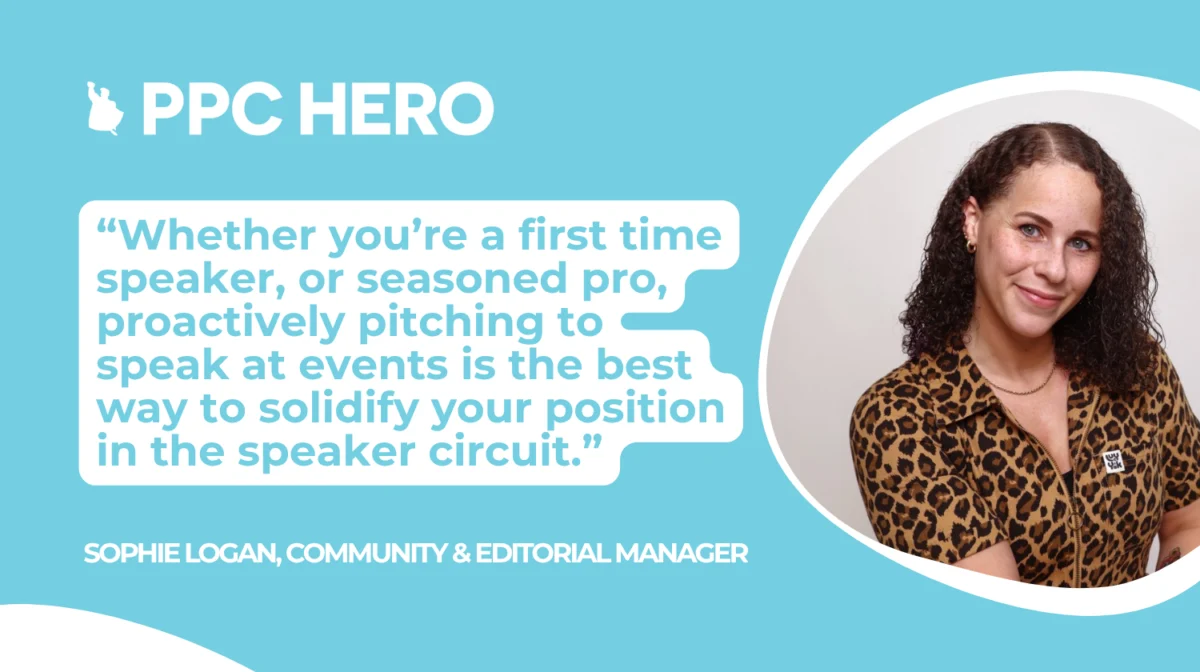
In the high-stakes arena of professional marketing, visibility is the primary currency of influence. For industry experts, thought leaders, and emerging specialists, the transition from attendee to speaker represents a significant milestone in career trajectory. However, the path to the podium is rarely paved with unsolicited invitations. In an increasingly competitive landscape, the ability to proactively and effectively pitch to event organizers has become an essential skill set.
Whether one is a seasoned keynote veteran or a first-time hopeful, the process of securing a spot on a prestigious agenda—such as BrightonSEO or Hero Conf—requires a blend of strategic research, narrative craftsmanship, and professional persistence. This report examines the mechanics of the speaking pitch, the criteria used by event curators, and the long-term implications of proactive industry engagement.
Main Facts: The Proactive Necessity of Pitching
The fundamental reality of the event circuit is that "waiting to be discovered" is a failing strategy. While top-tier "celebrity" speakers are often headhunted directly by organizers to drive ticket sales, the vast majority of event agendas are filled through open "Call for Papers" (CFP) processes.
Event organizers utilize these open pitches for two primary reasons: to ensure the content remains cutting-edge and to discover "fresh voices" that haven’t yet reached the mainstream radar. For the speaker, pitching serves as a formal declaration of availability and expertise. Without this active expression of interest, even the most qualified individuals remain invisible to selection committees.
Key facts regarding the modern pitching landscape include:

- Content Dominance: Modern organizers increasingly prioritize the "strength of the talk" over the "title of the speaker."
- Educational Mandate: Audiences now demand actionable takeaways over high-level theoretical fluff.
- The "Freshness" Factor: There is a growing fatigue regarding "recycled" presentations; organizers are actively seeking unique case studies and contrarian viewpoints.
The Pitching Chronology: A Step-by-Step Path to the Podium
Securing a speaking engagement is not a singular act of sending an email; it is a chronological process that begins months before a deadline.
Phase 1: Environmental Research and Pipeline Building
The first step involves a comprehensive audit of the event landscape. Prospective speakers should attend events as delegates first to understand the "vibe," the technical depth of the audience, and the standard of delivery. This phase includes:
- The Pitching Calendar: Establishing a 12-month roadmap of deadlines. Most major conferences announce their CFPs six to nine months in advance.
- Specialism Alignment: Identifying the intersection between one’s daily work and industry trends. Speakers are encouraged to list topics they are frequently consulted on by colleagues, as these often represent "pain points" for the wider industry.
Phase 2: Building the Professional Identity
Before a pitch is even written, the "Speaker Bio" must be polished. This acts as the speaker’s professional resume. Organizers look for a "Too Long; Didn’t Read" (TLDR) summary that establishes trust.
- The Bio: It must summarize specialisms and provide "social proof" of expertise.
- The Headshot: Journalistic standards for events require professional, high-resolution imagery. Organizers warn against using casual social photos, as these images will eventually be used in promotional marketing materials to sell tickets.
Phase 3: Crafting the Submission
The actual pitch consists of two critical components: the Title and the Description.
- The Must prioritize clarity over cleverness. An organizer should know exactly what the talk is about within three seconds of reading the headline.
- The Description: Usually limited to 80–100 words, this must outline the specific problem, the proposed solution, and the "Key Learnings."
Phase 4: Post-Submission Protocol
Once the "submit" button is pressed, the process enters a phase of professional patience. Industry etiquette dictates that applicants should not "chase" organizers for updates unless specifically invited to do so. The review process for major conferences can involve hundreds, sometimes thousands, of submissions, requiring weeks of deliberation.

Supporting Data: Elements of a Successful Submission
To increase the probability of success, a pitch must be backed by "proof of value." Selection committees often look for specific data-driven indicators within a proposal.
The Power of Actionable Takeaways
The most successful pitches are those that promise the audience a "toolkit" or a "roadmap." Data suggests that sessions promising "5 steps to [X]" or "How we solved [Y]" receive higher engagement scores than broad industry overviews. Organizers seek talks that help attendees perform better at their jobs the following Monday.
Evidence and Case Studies
A pitch that mentions a specific, measurable result—for example, "how a new keyword strategy improved organic performance by 40%"—is significantly more likely to be accepted than a generic talk on SEO best practices. Real-world data provides the "why" behind the "how," offering the audience a level of authenticity that theoretical talks lack.
The "Niche" Advantage
While it may seem counterintuitive, pitching a highly focused, niche topic can be more effective than pitching a broad one. Over-saturated topics (like "The Future of AI in Marketing") face immense competition. Conversely, a deep dive into a specific challenge, such as "Managing Attribution in High-Ticket B2B SaaS," may stand out because it addresses a specific, underserved segment of the audience.
Official Responses: What Event Organisers Are Seeking
Insights from organizers at major events like BrightonSEO reveal a consistent set of criteria used during the "blind" or "semi-blind" review processes.

1. Content vs. Credentials:
Organizers emphasize that while a "big name" company on a resume helps, it is not a golden ticket. A junior specialist with a revolutionary case study will often be chosen over a C-suite executive delivering a generic "thought leadership" piece.
2. Relevance to the Objective:
Every event has a specific mission. Some are technical workshops; others are high-level strategy summits. A common reason for rejection is "Event Irrelevance"—where a brilliant pitch is simply a mismatch for that specific year’s agenda or audience demographic.
3. The "No-Pitch" Rule:
A universal "official response" from organizers is the strict prohibition of "sales pitches." If a proposal suggests that the "solution" to a problem is purchasing the speaker’s software or consulting services, it is almost universally rejected. The stage is for education, not advertising.
Implications: The Long-term Impact of the Pitching Culture
The move toward a pitch-based speaker selection process has several profound implications for the marketing industry and professional development.
Democratization of the Stage
The shift from "invite-only" to "pitch-to-play" has democratized the industry. It allows for greater diversity of thought and gives a platform to individuals who may not have the corporate backing of a global agency but possess significant technical expertise. This leads to a healthier, more vibrant exchange of ideas.

Professional Brand Equity
Even an unsuccessful pitch has value. A high-quality submission leaves a lasting impression on the selection committee. Organizers often keep "runner-up" pitches on file for future events, webinars, or smaller meetups. Proactive pitching builds a "reputation of expertise" within the inner circles of event curation.
The Feedback Loop of Expertise
The act of drafting a pitch forces a professional to crystallize their thoughts. To write a 100-word description of a talk, one must truly understand the core value of their work. This process often leads to better internal documentation, improved client communication, and a more refined professional focus.
Industry Resilience
By constantly seeking "fresh voices" through pitches, the marketing industry avoids stagnation. It ensures that the strategies discussed on stage are reflective of current "in the trenches" work rather than outdated concepts from five years ago.
Conclusion
Pitching to speak at events is a rigorous, often daunting, but ultimately rewarding endeavor. It is the primary mechanism through which the marketing community evolves and through which individual professionals secure their place in the industry’s narrative. While rejection is a statistical certainty at some point in a speaker’s career, the cumulative effect of consistent, high-quality pitching is an elevated professional profile and a seat at the table of industry discourse.
As the organizers of BrightonSEO and Hero Conf suggest: the door is open, but you must be the one to knock. For those willing to do the research, craft the narrative, and embrace the process, the stage awaits.