The digital landscape during peak shopping periods—Black Friday, Cyber Monday, and the winter holidays—often resembles a frantic, high-stakes battlefield. For the average consumer, the inbox becomes a saturated minefield of urgent demands: "50% OFF EVERYTHING!" "FINAL HOURS!" and "DON’T MISS OUT!"
When brands rely on the same aggressive tactics, they inevitably trigger a reflexive response from the consumer: delete, delete, delete. This creates a cycle of diminishing returns where brands must shout louder just to be heard, ultimately eroding the very trust they need to build a sustainable business.
However, industry experts and successful founders argue that seasonal email campaigns do not have to be a desperate, last-minute pitch. When executed with precision and psychological nuance, these communications can transform from a nuisance into a vital touchpoint that strengthens brand loyalty and drives significant, long-term revenue. The secret, as it turns out, is not about selling less; it is about selling smarter.
The Foundation: Strategic Planning and Calendar Mastery
The most common failure in seasonal marketing is a lack of preparation. Founders who scramble to assemble a Valentine’s Day campaign on February 13th have already lost the battle for the consumer’s attention. Effective seasonal email strategy requires a long-term view, typically mapped out months in advance.
The Content Calendar Architecture
Building a robust content calendar is the first step toward professionalizing your outreach. This does not mean populating your schedule with every obscure "National Day." Instead, it involves identifying the specific seasonal milestones that resonate with your target audience and aligning your product drops, service updates, or value-added content with those dates.
The "Give-and-Take" Philosophy
The core of a sustainable strategy is the "give-and-take" approach. For every promotional email sent—the "take"—a brand should aim to send at least two emails that educate, entertain, or inspire—the "give."
This ratio is critical. By prioritizing value-added content, brands cultivate an audience that is already engaged. When a promotional offer finally arrives, it is not viewed as an interruption but as a logical extension of an established relationship. Psychologically, this shifts the customer’s perception from being "sold to" to being "offered an opportunity," which significantly increases conversion rates.
Leading With Narrative: The Power of Storytelling
A recurring mistake among modern founders is placing the discount at the forefront of the email. While phrases like "30% Off Summer Essentials" are direct, they are also entirely undifferentiated. In an inbox where every brand is screaming the same message, the discount becomes commoditized.
Story-Driven Marketing
To stand out, brands must lead with a narrative. Whether it is a behind-the-scenes look at the product development process, an origin story, or a customer testimonial that ties into the season, the goal is to provide context.
For example, a clothing brand might replace a generic "20% off summer collection" header with a story about the craftsmanship behind a specific linen shirt, explaining how it was designed for "long, effortless weekends." The discount remains present, but it is now the "cherry on top" rather than the substance of the email.
The Data Behind the Narrative
Data supports this shift toward storytelling. Research indicates that the human brain retains roughly 63% of information when it is presented as a story, compared to a mere 5% when presented as standalone statistics or price points. By leading with a story, founders ensure that their brand occupies a larger mental footprint in the customer’s mind, making them more likely to convert when the timing is right.
Surgical Precision: The Necessity of Audience Segmentation
The "Dear Valued Customer" blast is an antiquated relic of early digital marketing that now serves as a signal for the "unsubscribe" button. Modern consumers expect personalization; they are acutely aware when a message is generic and irrelevant.
Moving Beyond the Blast
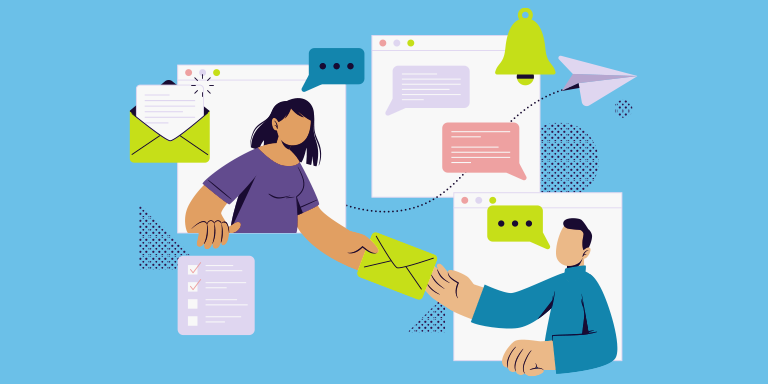
Segmentation allows for a more personalized conversation. At a minimum, businesses should separate their list into two tiers: new subscribers and returning customers.
- New Subscribers: These individuals require brand education, storytelling, and an introduction to the company’s unique value proposition.
- Returning Customers: These individuals have already bought into the brand. They respond better to loyalty rewards, early access to new collections, and personalized "thank you" offers.
The Role of Behavioral Data
Advanced segmentation involves analyzing purchase history, engagement levels, and browsing behavior. With modern tools like Omnisend, even solo founders can automate this process. By applying smart filters, a campaign that would have been a generic broadcast can be transformed into a series of targeted messages that feel as though they were written specifically for the recipient.
Engineering Urgency Without Desperation
Urgency is a powerful psychological trigger, but there is a fine line between creating genuine excitement and inducing anxiety. "Final hours" countdowns and aggressive, all-caps subject lines are often perceived as "used car salesman" tactics.
Exclusivity Over Anxiety
True urgency is authentic. Rather than forcing a deadline, brands can leverage exclusivity. Early access programs, for instance, reward a brand’s most loyal subscribers, making them feel like insiders rather than targets. Similarly, limited-edition product drops create natural, time-sensitive scarcity that customers respect.
The case of brands like Luu Lounge serves as a primary example. By building anticipation through early communication and keeping the list informed of a specific launch time, the brand creates a "queueing" effect. The urgency is earned through the promise of the product, not through the pressure of a ticking clock. This method drives higher conversion rates while maintaining the integrity of the brand-customer relationship.
Operational Efficiency: Automating for Growth
Seasonal email campaigns should not be a manual, stressful slog. The most successful founders are those who build automated workflows that allow them to focus on the creative aspects of their business rather than the administrative burden of sending emails.
The Strategic Shift
When operations are automated, the founder is free to refine the brand voice and test new messaging strategies. Automation ensures that the right message reaches the right person at the right time without requiring the founder to be glued to their computer at midnight on Black Friday.
The objective is to make seasonal emails feel like a well-timed conversation. When a business treats its subscribers as people—not as raw transaction data—the results follow.
Implications for the Future of Retail
The implications of this strategy are clear: the future of email marketing lies in human-centric design. As privacy regulations tighten and consumer fatigue with aggressive advertising grows, brands that pivot toward relationship-building will see the highest long-term returns.
The "salesy" era of email marketing is fading. In its place, we are seeing the rise of the "curated" inbox. Founders who invest in storytelling, respect their audience’s time through segmentation, and use technology to facilitate, rather than dictate, their communication will be the ones who define the next decade of retail growth.
By utilizing platforms like Omnisend, businesses can integrate these sophisticated strategies into their existing operations. With tools that simplify segmentation and automation, the barrier to entry for high-quality, professional email marketing has never been lower. Those who take the time to build these systems today will find themselves miles ahead of the competition when the next seasonal rush arrives.