For years, public relations and search engine optimization operated in parallel universes. PR focused on brand sentiment, media relationships, and reputation management, while SEO obsessed over technical audits, keyword rankings, and backlink velocity.

Today, that separation is not just inefficient—it is a strategic liability.
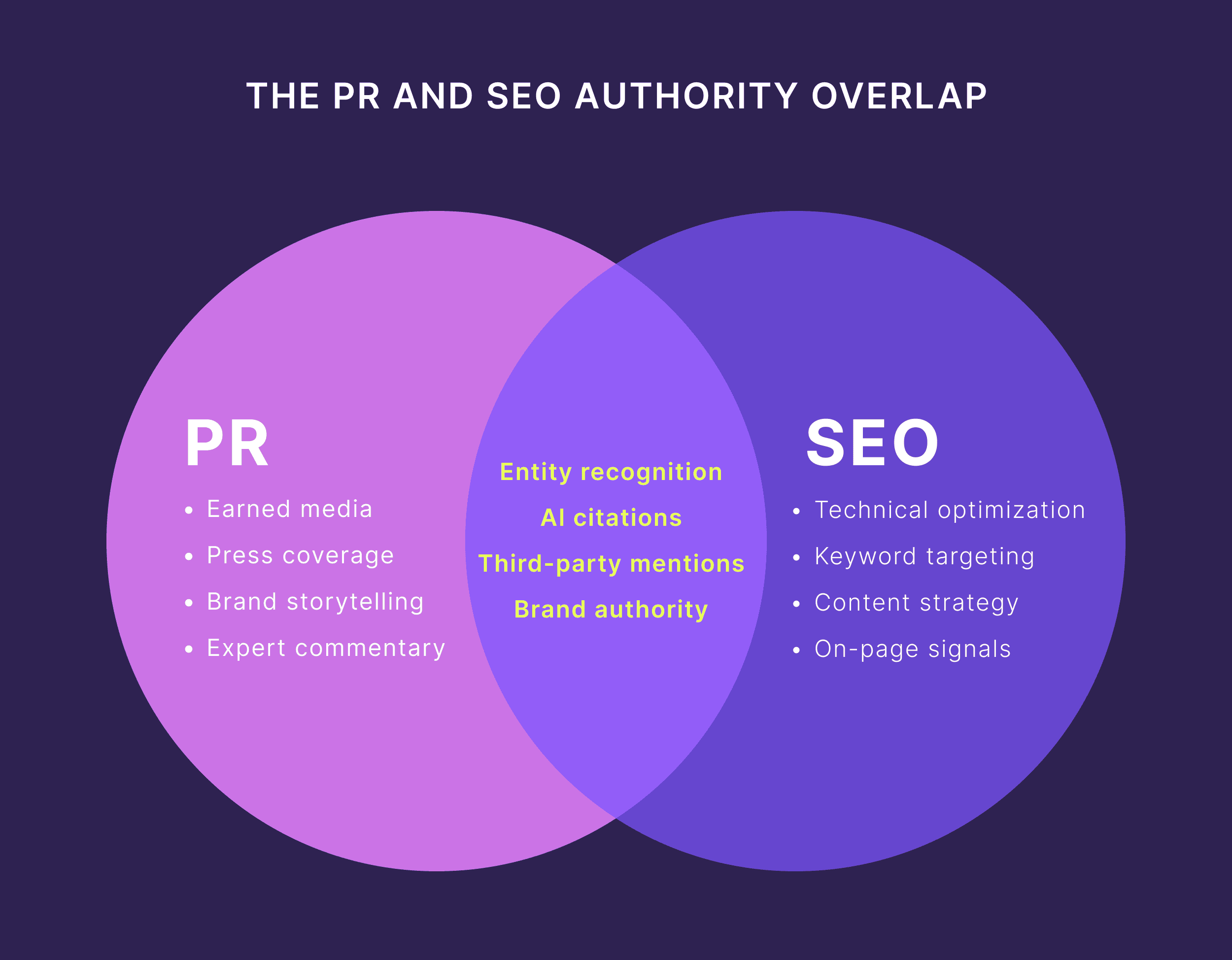
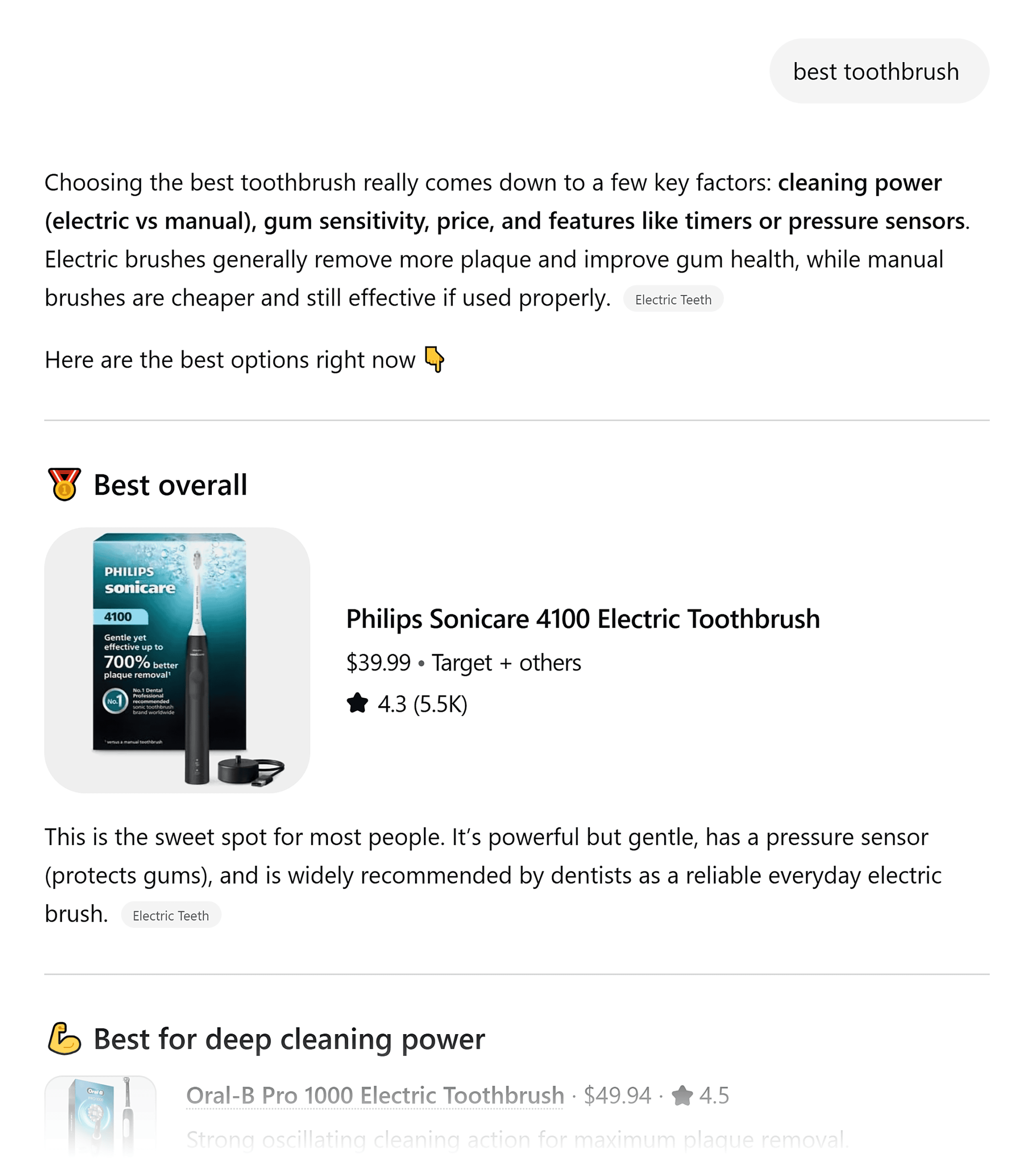
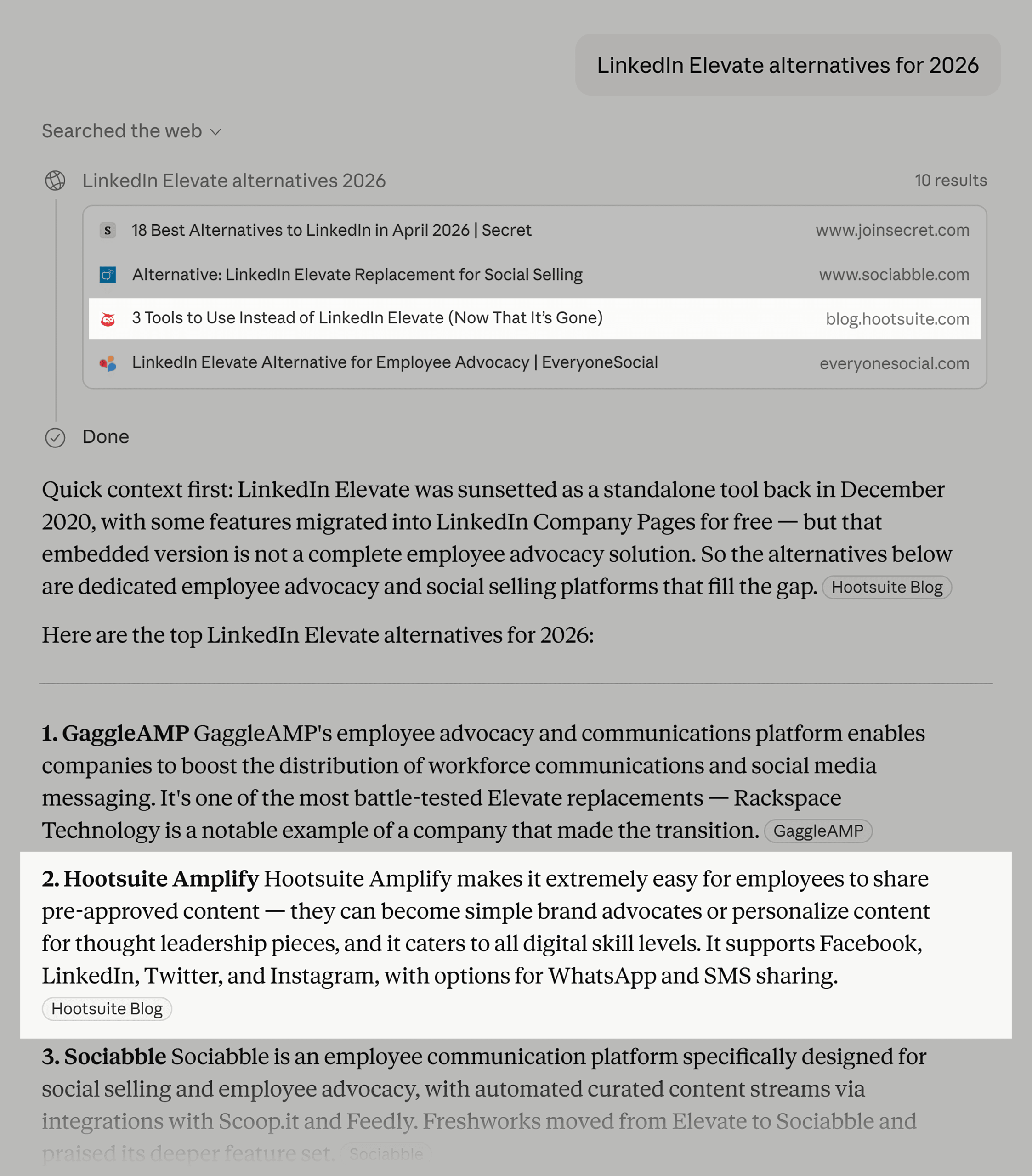
In an era where Google’s search results and Large Language Models (LLMs) like ChatGPT, Claude, and Gemini prioritize third-party signals—backlinks, expert commentary, brand mentions, and coverage in trusted publications—the boundary between PR and SEO has effectively dissolved. Both disciplines are fundamentally in the business of generating "authority signals." When teams remain siloed, they leave significant growth on the table. The most successful brands have begun to merge these functions into an "always-on authority engine."
The Anatomy of Modern Authority
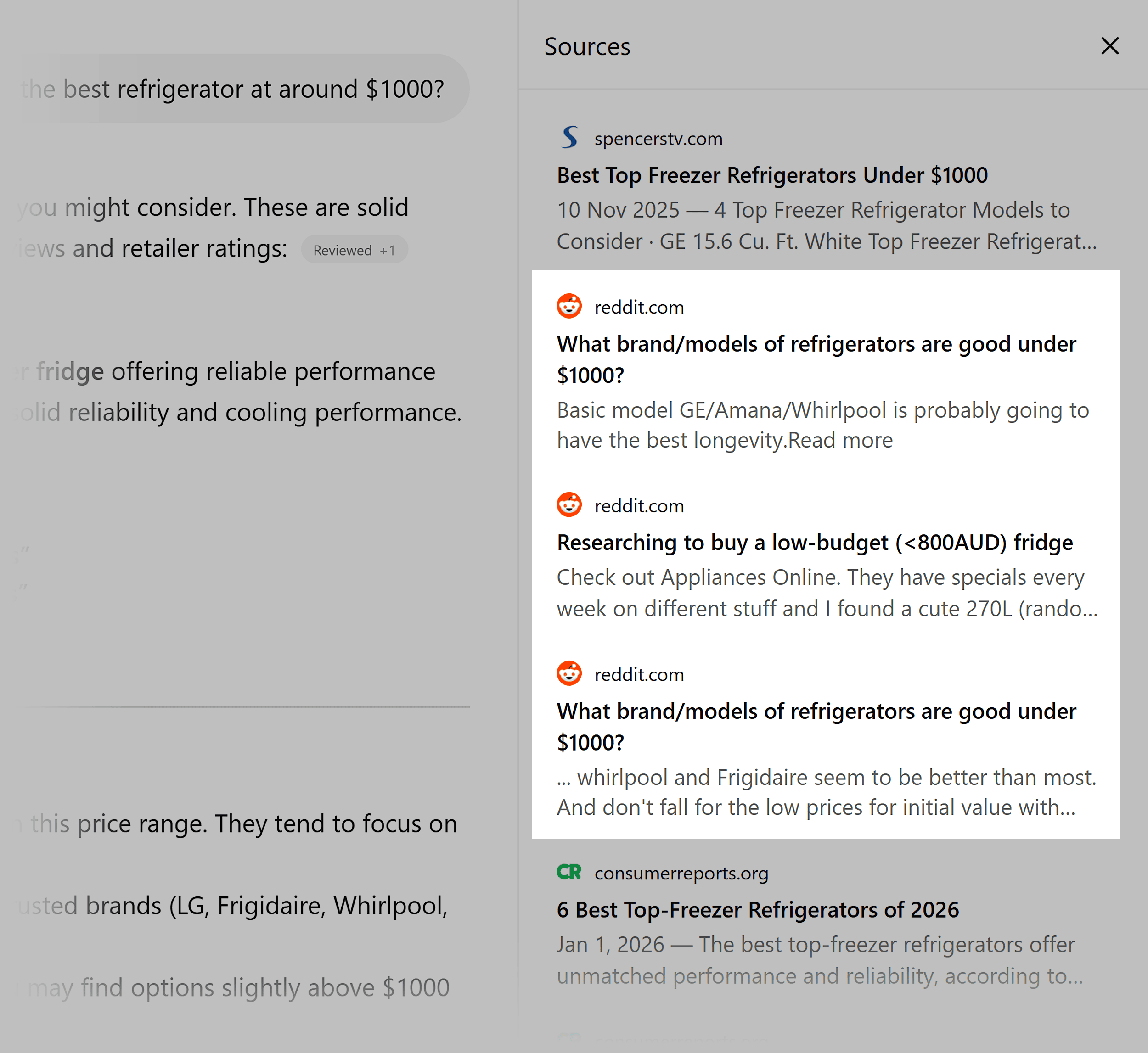
Google and AI platforms do not exist in a vacuum. They rely on a web of trust to determine which brands deserve visibility. When a user asks an AI about the best software in a specific category, the model pulls from a synthesis of credible sources: trade publications, industry reports, expert quotes, and user reviews.
When PR and SEO teams operate independently, they suffer from predictable failures: fragmented messaging, missed opportunities to capitalize on emerging trends, and a failure to build a cohesive "entity profile" that AI can easily parse.
True gains emerge when these teams operate as a single unit. By aligning research, content creation, and outreach, brands can ensure that their presence across search, media, and AI is consistent, authoritative, and compounding.
Step 1: Aligning Research Intelligence
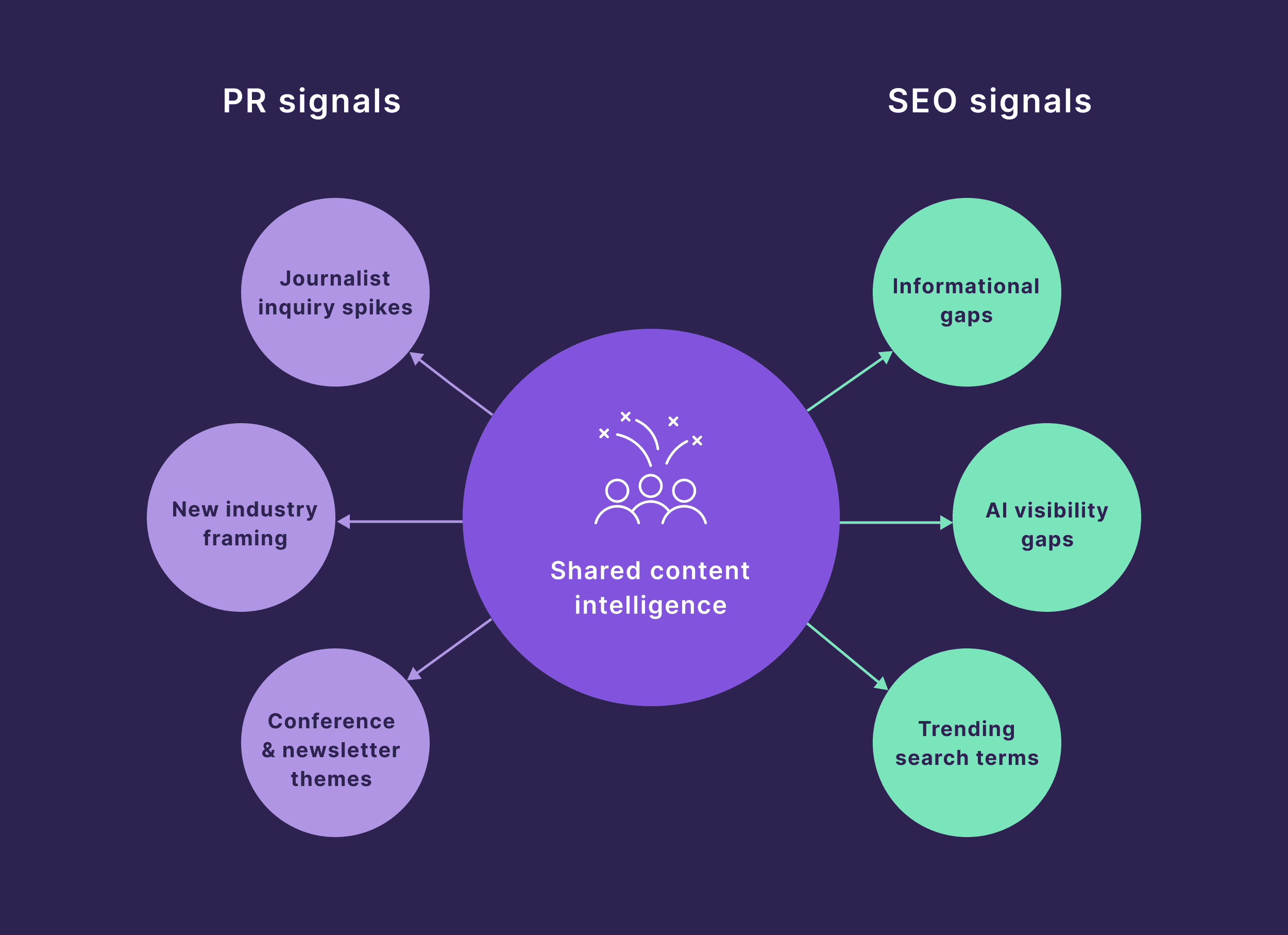
An always-on partnership begins with a shared intelligence layer. Without it, companies experience "insight gaps"—where SEO identifies a massive search trend, but PR lacks the context to pitch it, or PR secures a high-level placement that fails to drive long-term SEO value.
Leveraging PR for Content Ideation
The most significant authority wins come from sharing insights at the ideation stage. PR teams are on the front lines of industry conversations; they see:
- Sudden spikes in journalist inquiries regarding specific industry pain points.
- New vernacular or framing gaining traction among industry thought leaders.
- Recurring themes in newsletters, conferences, and niche trade publications.
Britt Klontz, digital PR consultant and founder of Vada Communications, emphasizes that the strongest results are found when PR and SEO combine their strengths before a single word is written. By establishing a shared Slack channel or a standing agenda item, teams can flag these signals in real-time.

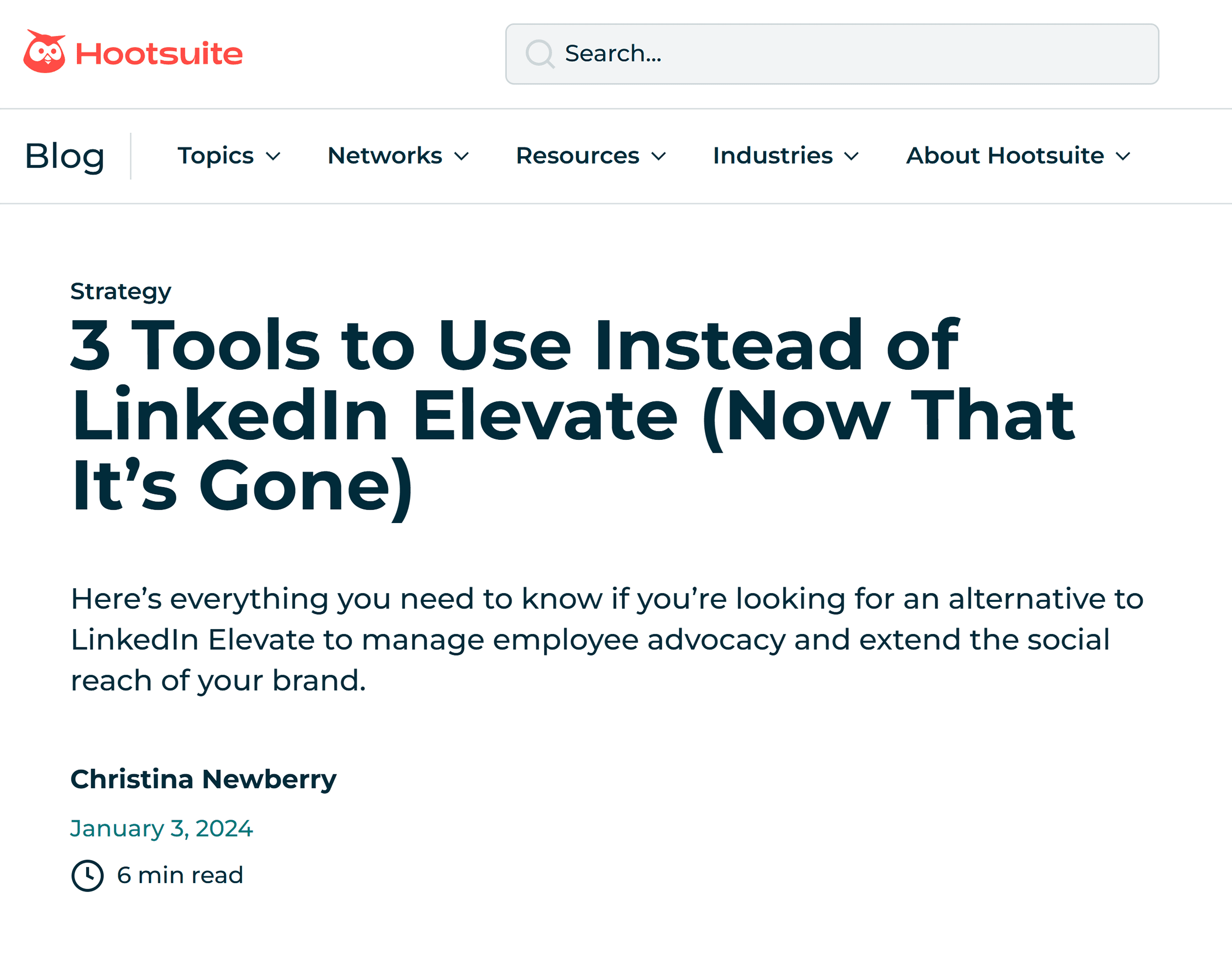
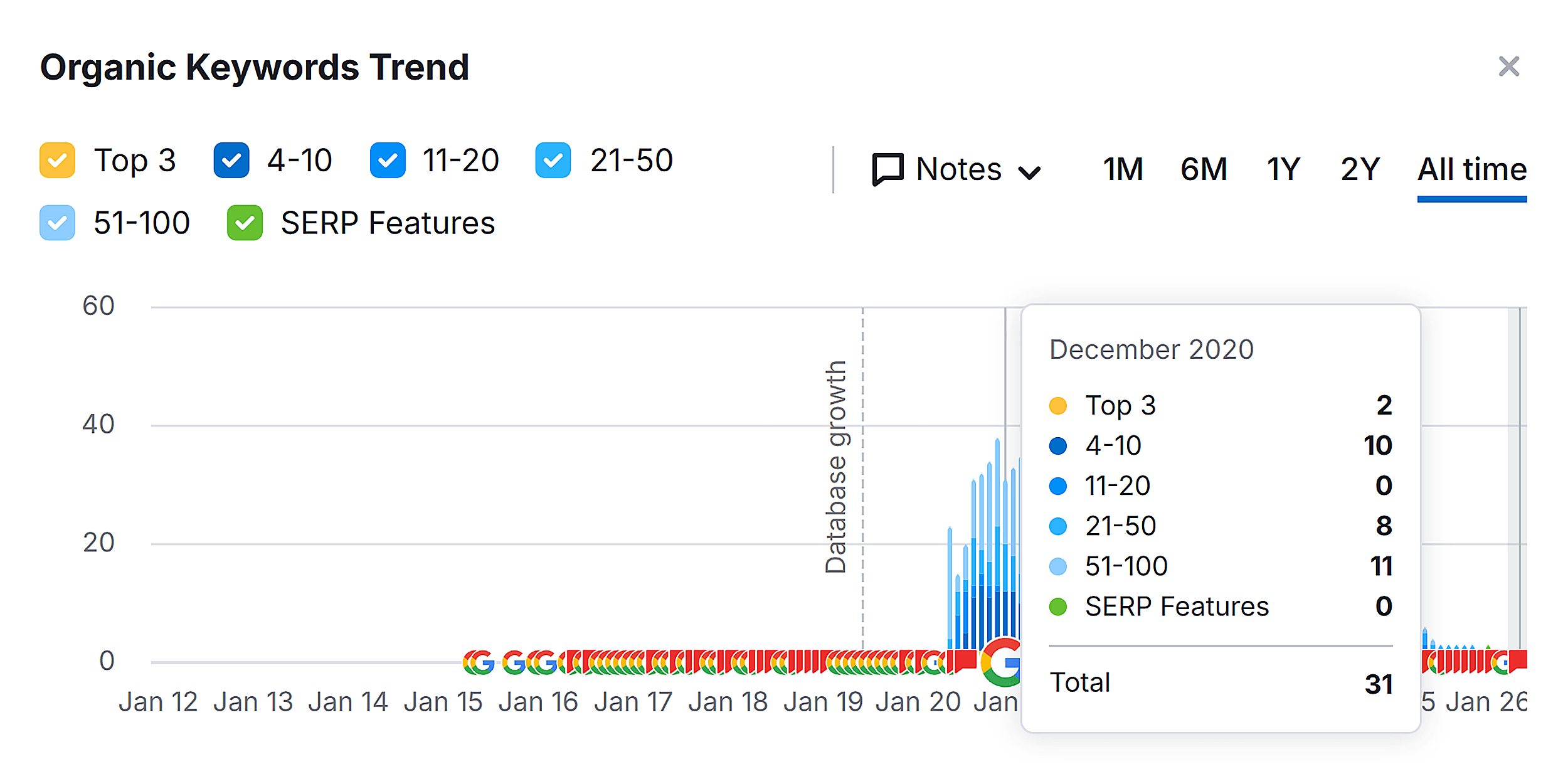
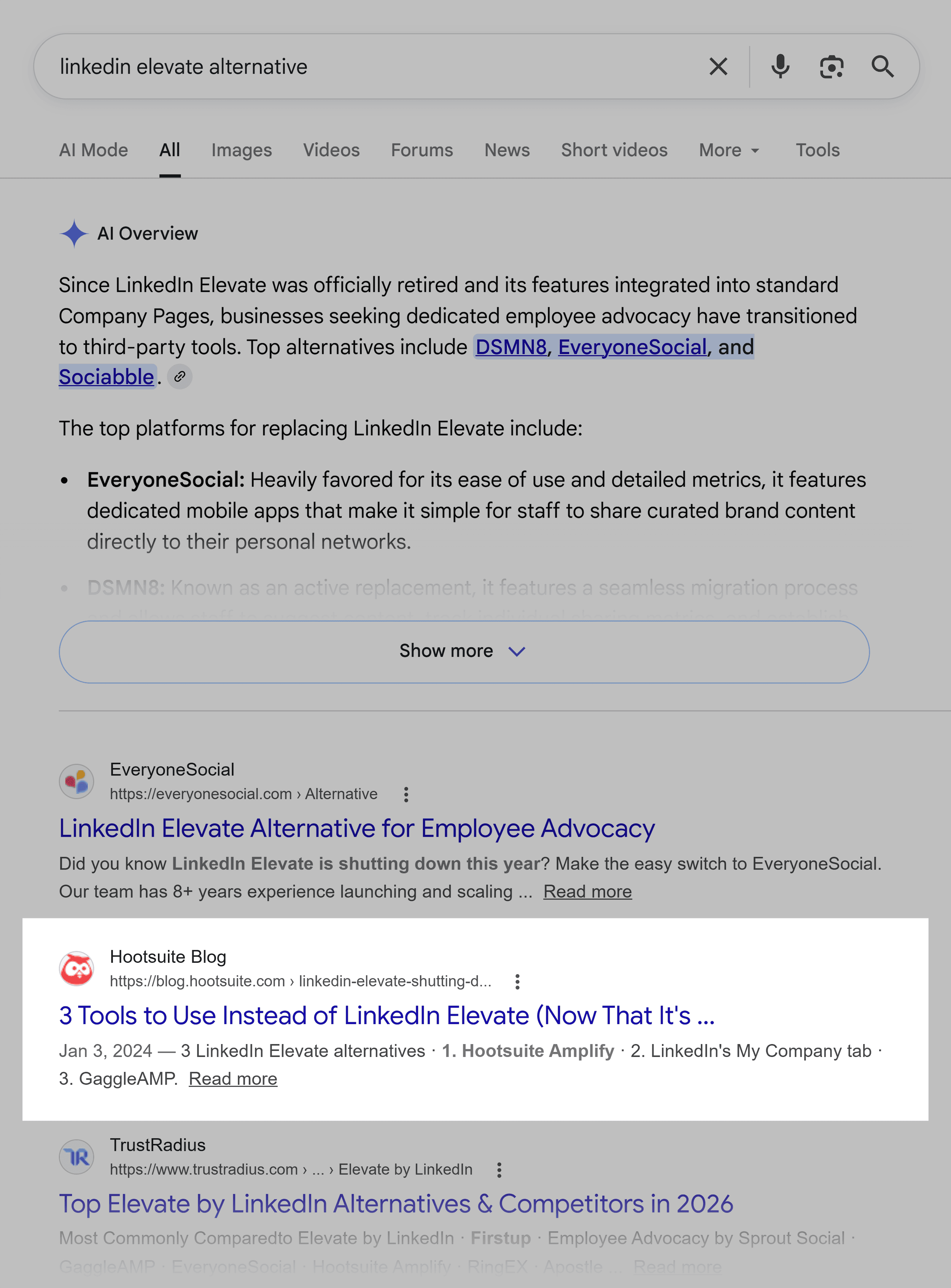
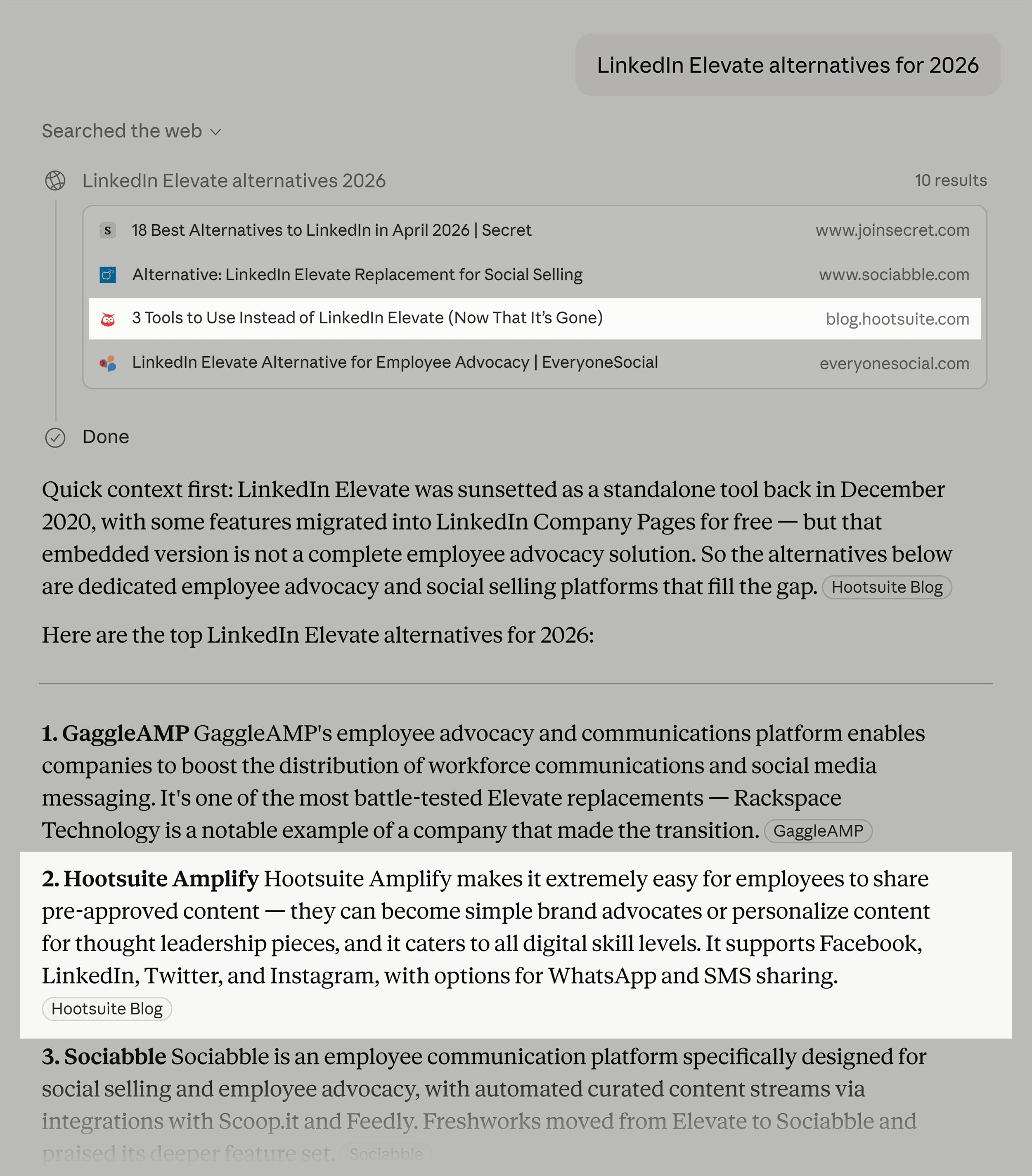
For instance, when a major software feature is sunsetted, SEO tools might not show search volume for "alternatives" immediately. However, if PR alerts the SEO team early, the brand can publish a definitive "Alternatives" guide before competitors. By the time the search volume spikes, the brand has already captured the #1 spot and secured the backlinks necessary to hold it.
Using SEO Data for Editorial Strategy
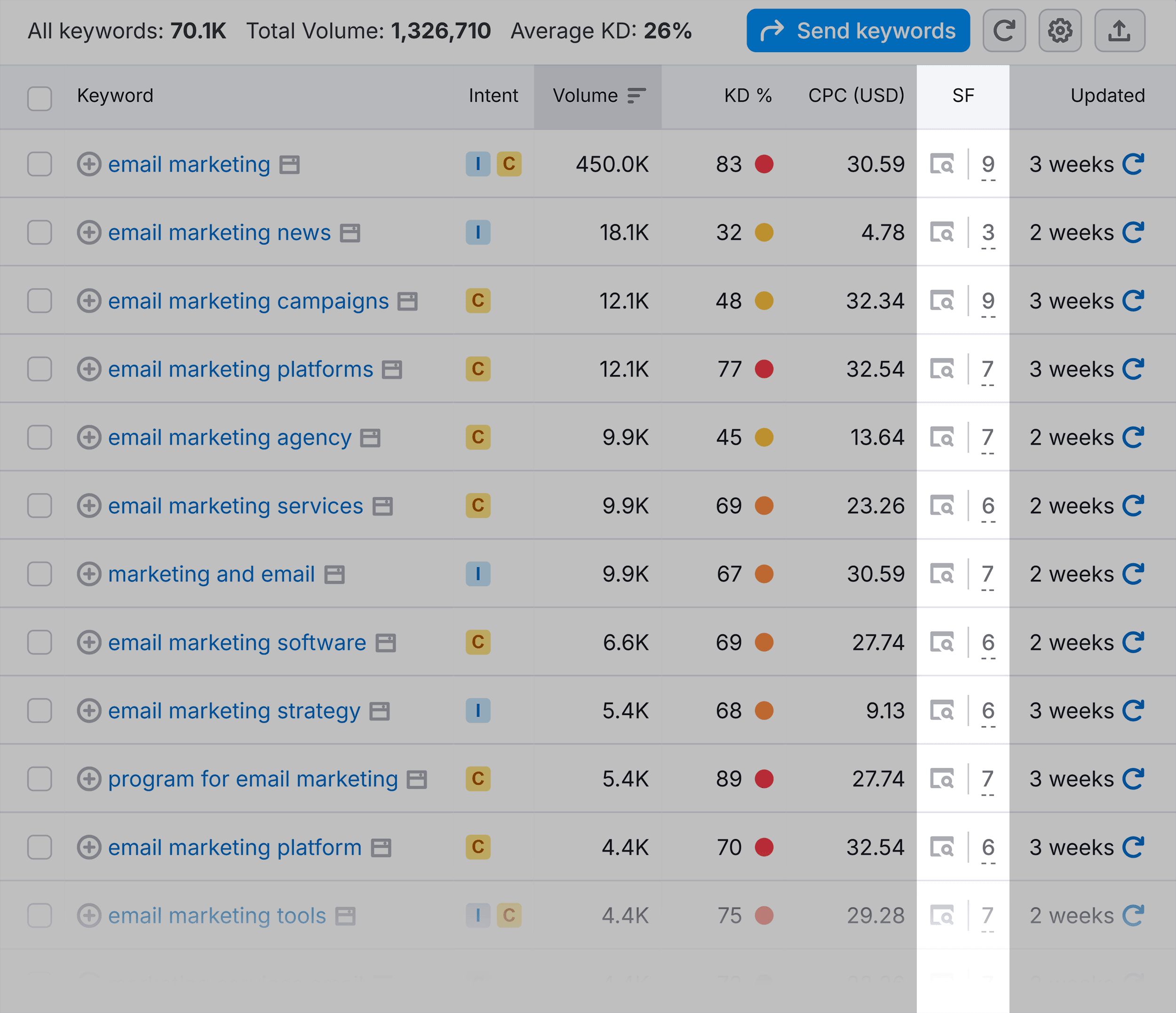
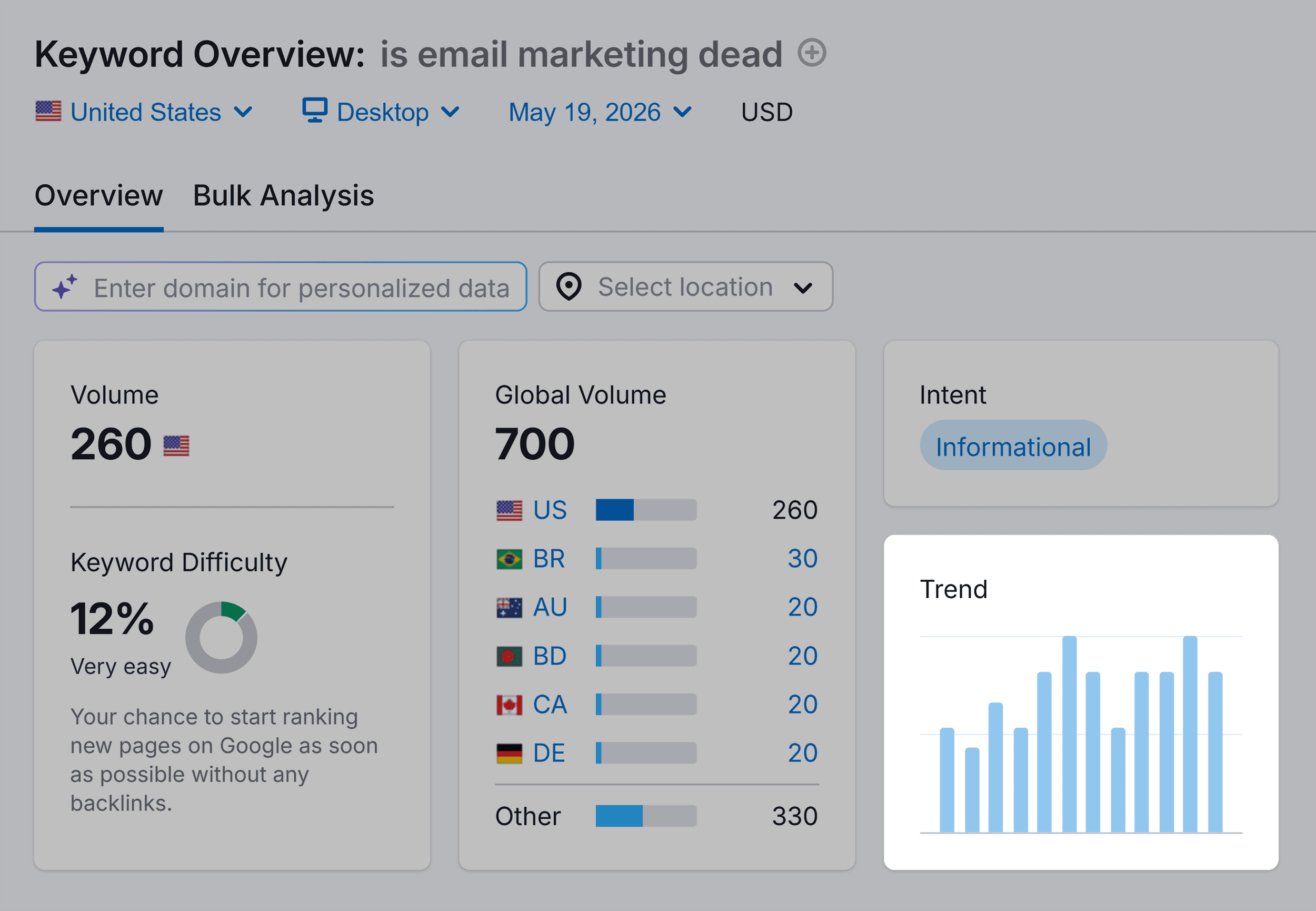
Conversely, SEO provides the data-driven backbone for PR outreach. By utilizing keyword research tools like the Semrush Keyword Magic Tool, SEO teams can flag two critical indicators:
- Emerging "Top Story" trends: SERP features that signal active news cycles.
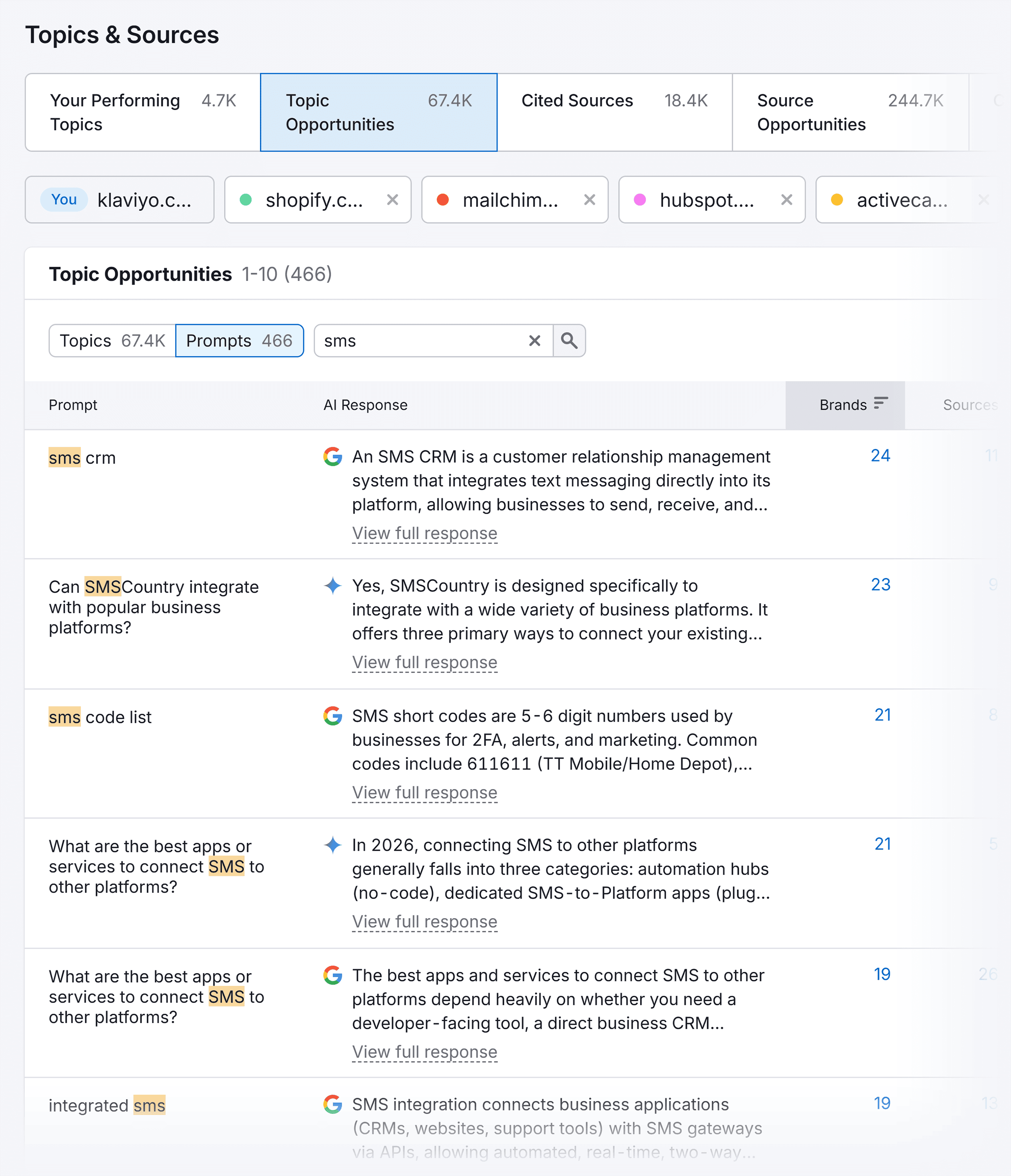
- Editorial Gaps: Questions where competitors are failing to provide clear, citable answers.
Rola Tfaili, communications manager for North America at Xero, notes that integrating SEO early in the communications process allows PR to shift from "spray and pray" pitching to a surgical approach. By targeting topics that show a consistent 12-month upward trend, PR teams can ensure they are pitching stories that have both high media demand and long-term search sustainability.
Step 2: Collaborating on AI-Ready Assets
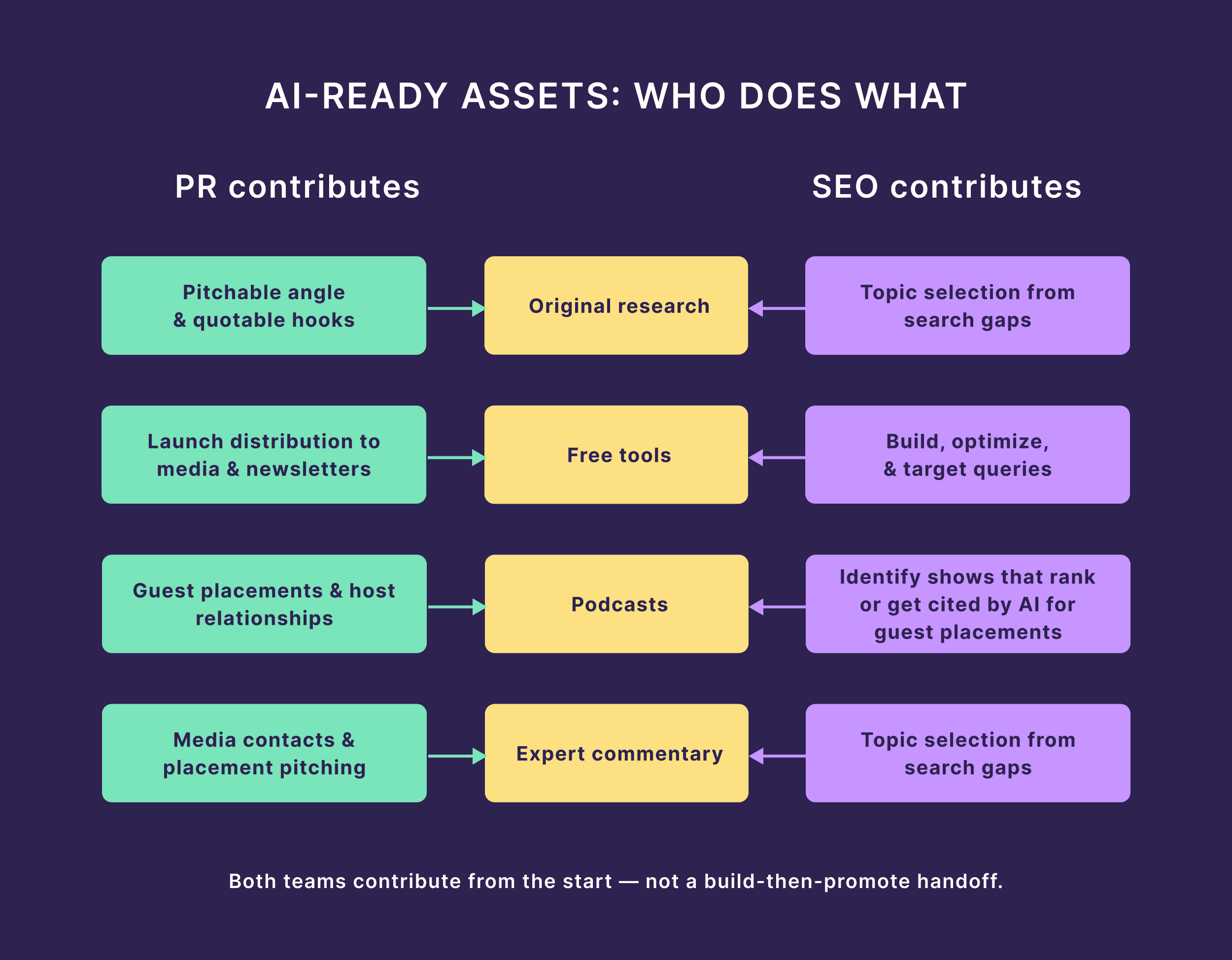
An "AI-ready" asset is structured to be found, cited, and trusted by both traditional search engines and generative AI models. This is increasingly known as Answer Engine Optimization (AEO).
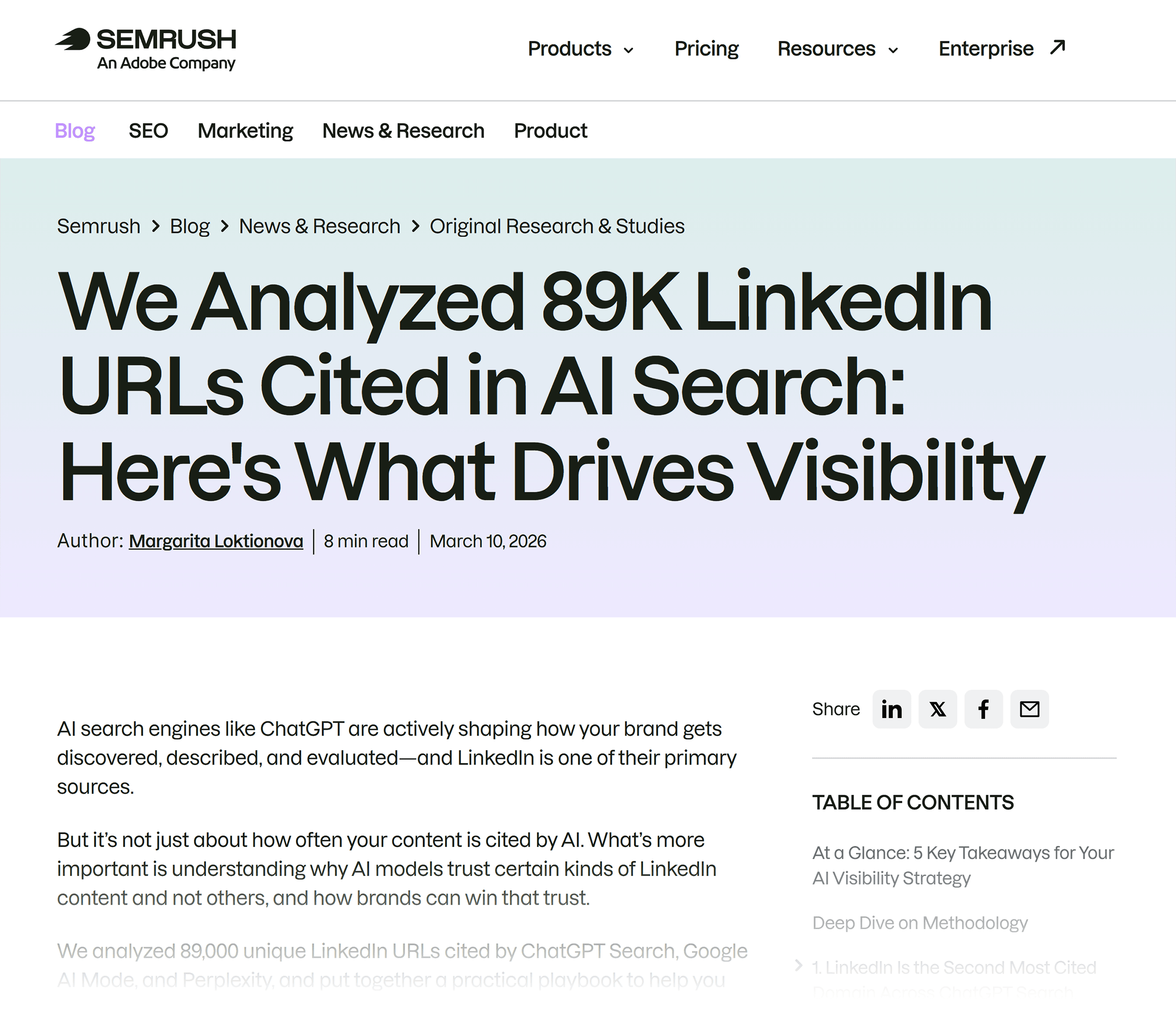
Original Research and Data Reports
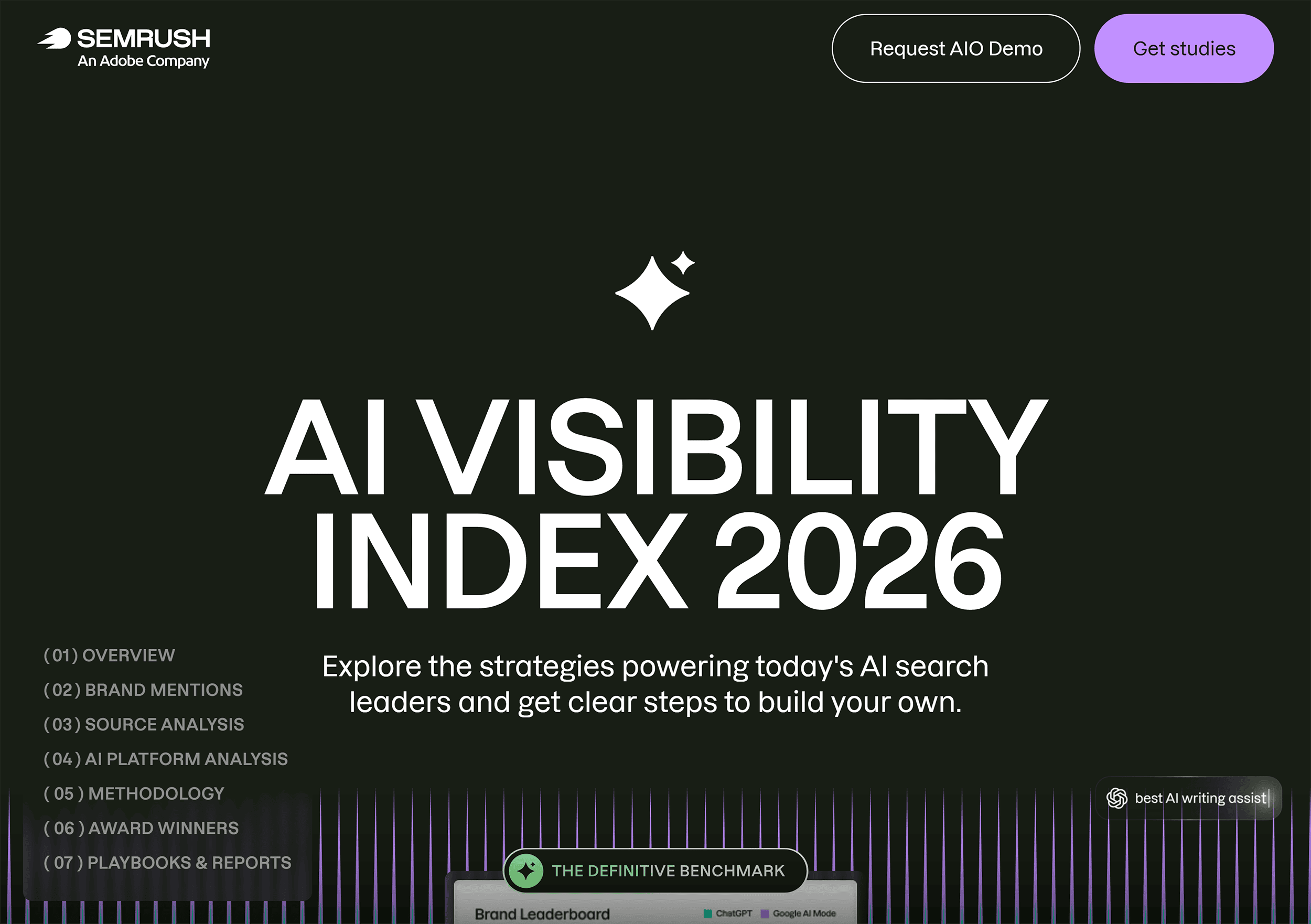
Original data remains the gold standard for earning backlinks and AI citations. A collaborative workflow looks like this: SEO identifies a content gap with high search demand, and PR validates the "pitchability" of the data, helping to shape the findings into sharp, quotable hooks.
To maximize impact, these assets should:
- Avoid PDF-only formats: Ensure the research lives on a crawlable, indexable landing page.
- Front-load the stats: Place the most compelling data points in the first 200 words.
- Use branded visuals: Make it easy for journalists to embed graphs and charts.
The Power of Free Tools
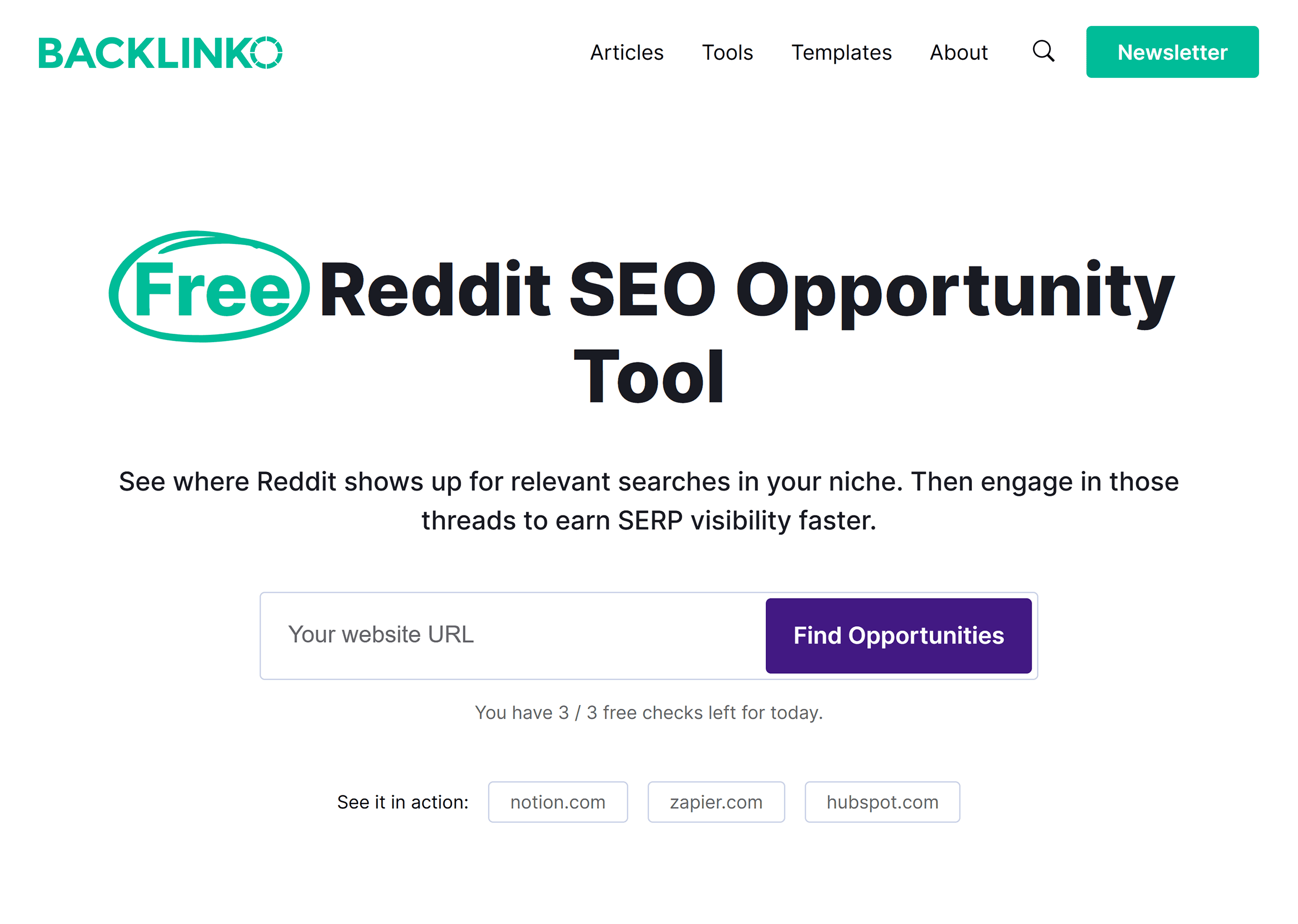
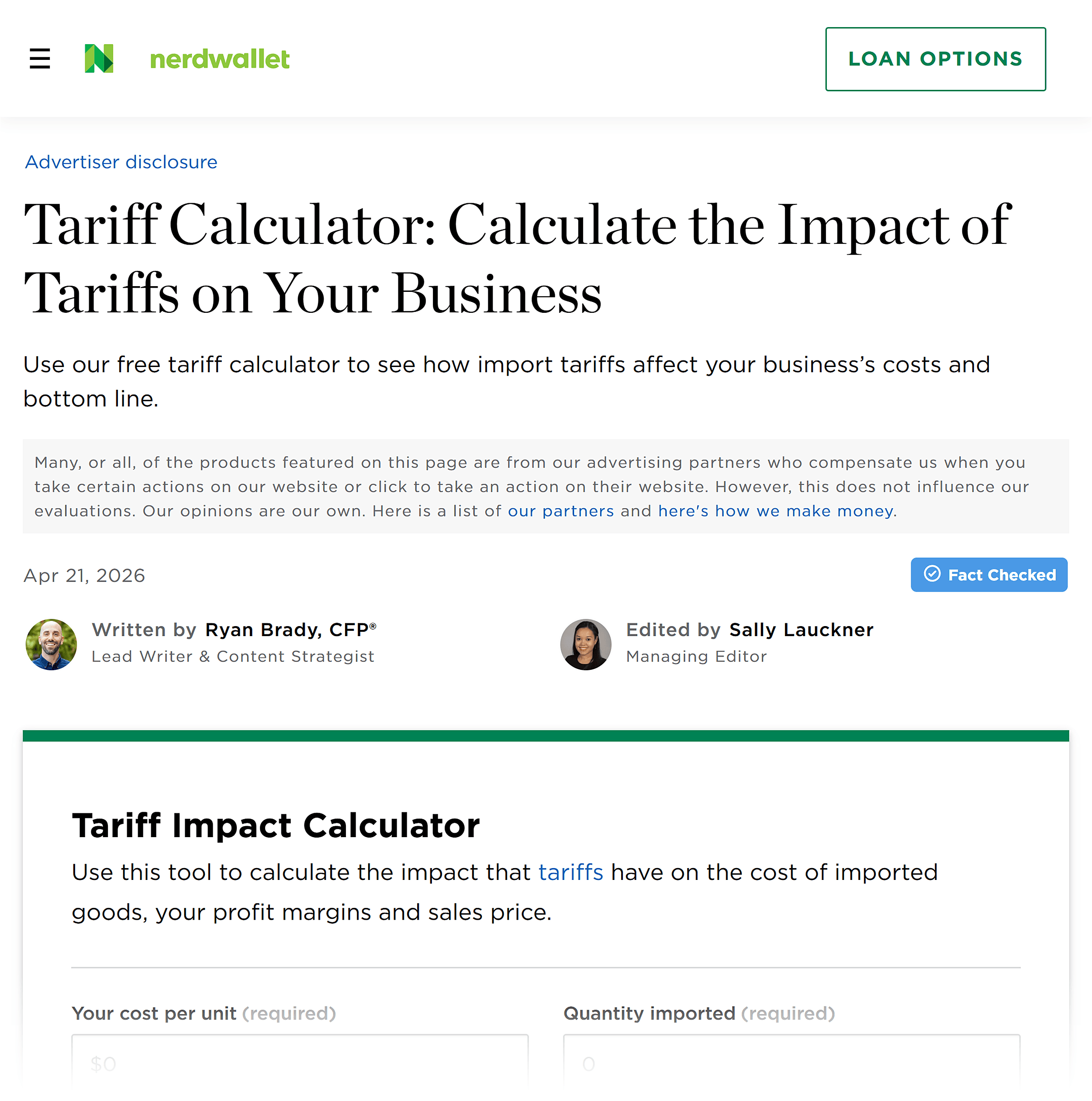
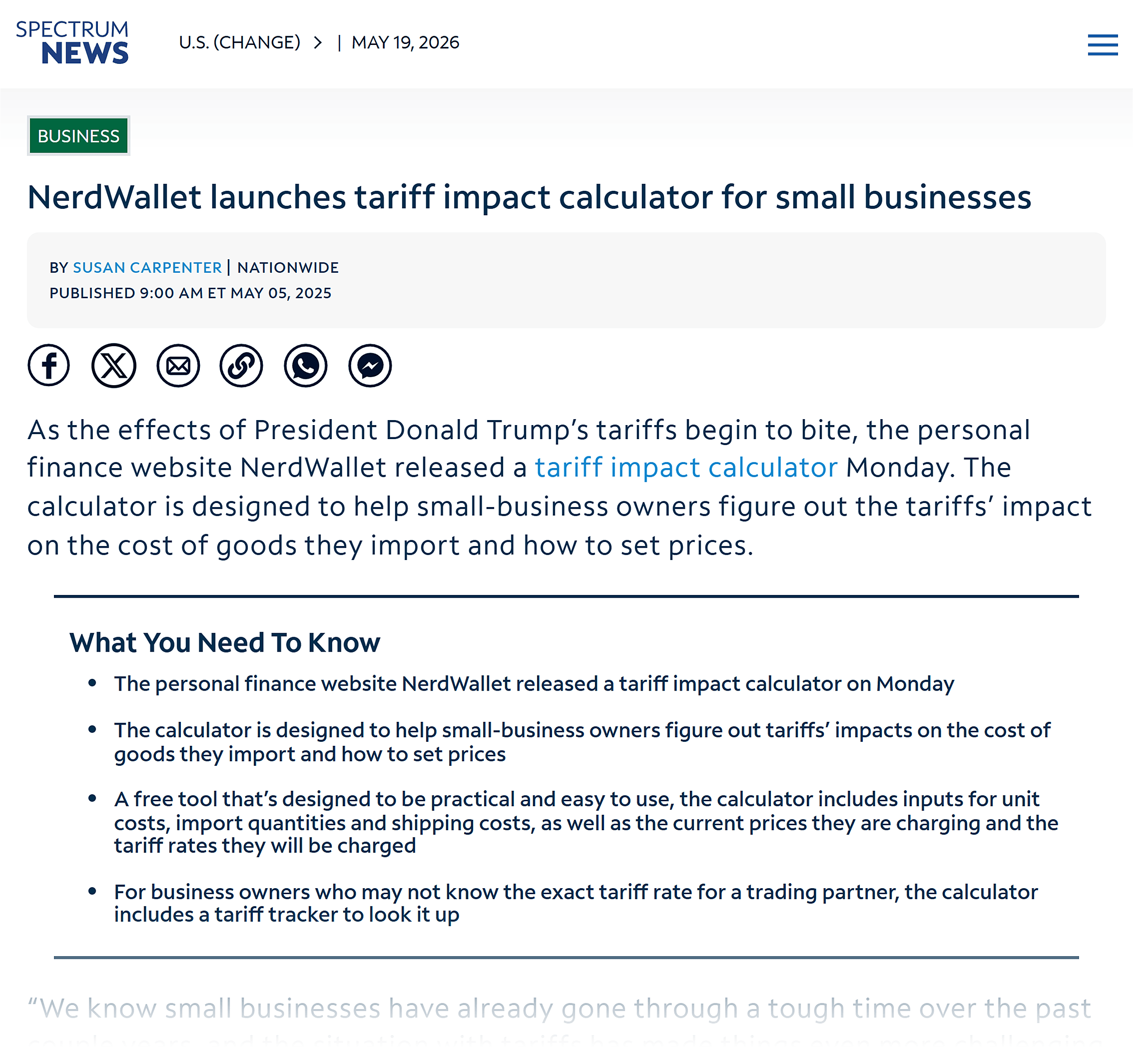
Tools that solve specific, nagging pain points—calculators, templates, and interactive checklists—earn AI visibility because they provide functional utility. NerdWallet’s tariff calculator is a masterclass in this strategy; it launched exactly when trade tariffs dominated the news cycle, earning it massive media coverage and long-term organic authority.
Step 3: Co-Building Third-Party Presence
According to data from AirOps, brands are 6.5x more likely to appear in AI answers through third-party signals than through their own owned content. This underscores the necessity of a unified outreach strategy.
Expert Commentary and Entity SEO
When your subject matter experts (SMEs) are quoted consistently across trusted publications, AI models begin to map those individuals—and your brand—as the primary authority on those topics.
PR should drive the placement, but SEO should guide the "citable specifics." Instead of generic thought leadership, pitch quotes that include concrete data or unique methodologies. AI systems favor specificity that they can extract and serve directly in a generated response.
The Role of Review Sites and Wikipedia
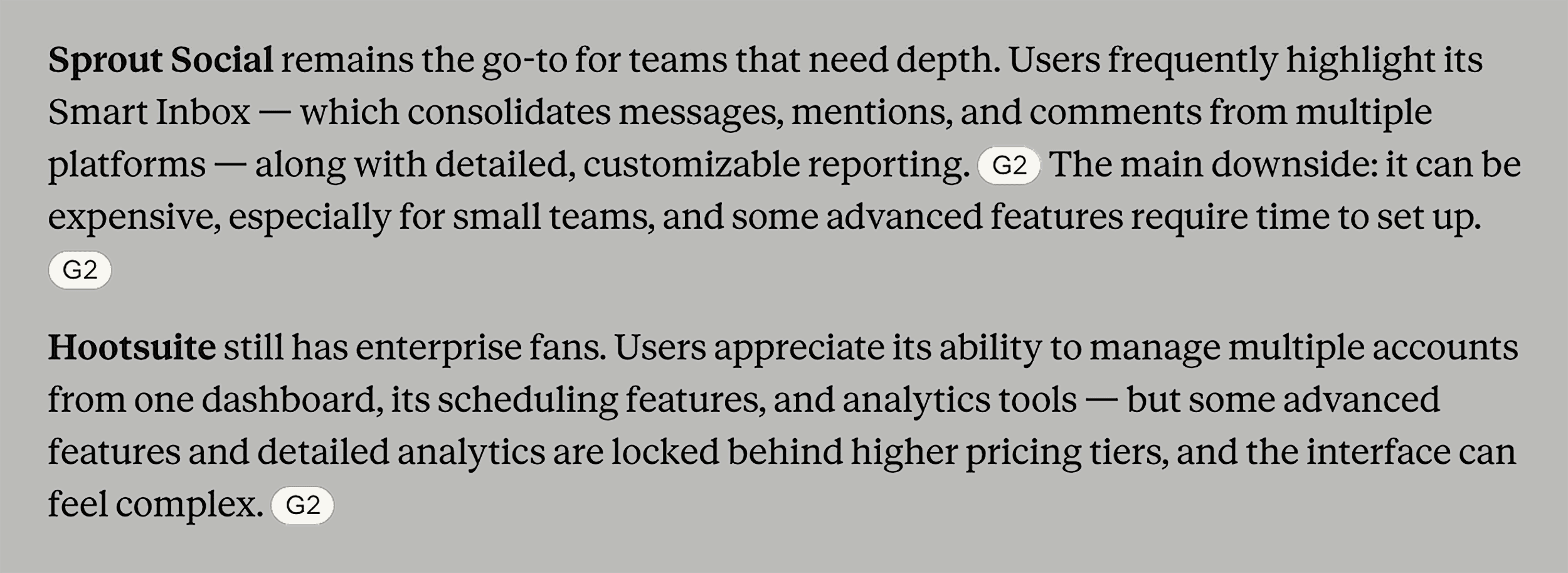
Review sites (G2, Trustpilot, Yelp) and Wikipedia serve as neutral, third-party validators. AI models prioritize these sites because they offer unbiased, aggregated product data. PR teams should manage reputation and monitor for positive sentiment on these platforms, while SEO teams should ensure that the profiles are optimized with correct entity data, helping AI models accurately categorize the brand’s core features and pricing.
Step 4: Unified Outreach and Attribution
Fragmented outreach is the death of efficiency. When PR and SEO pitch the same outlet with different narratives, it dilutes the brand’s authority.
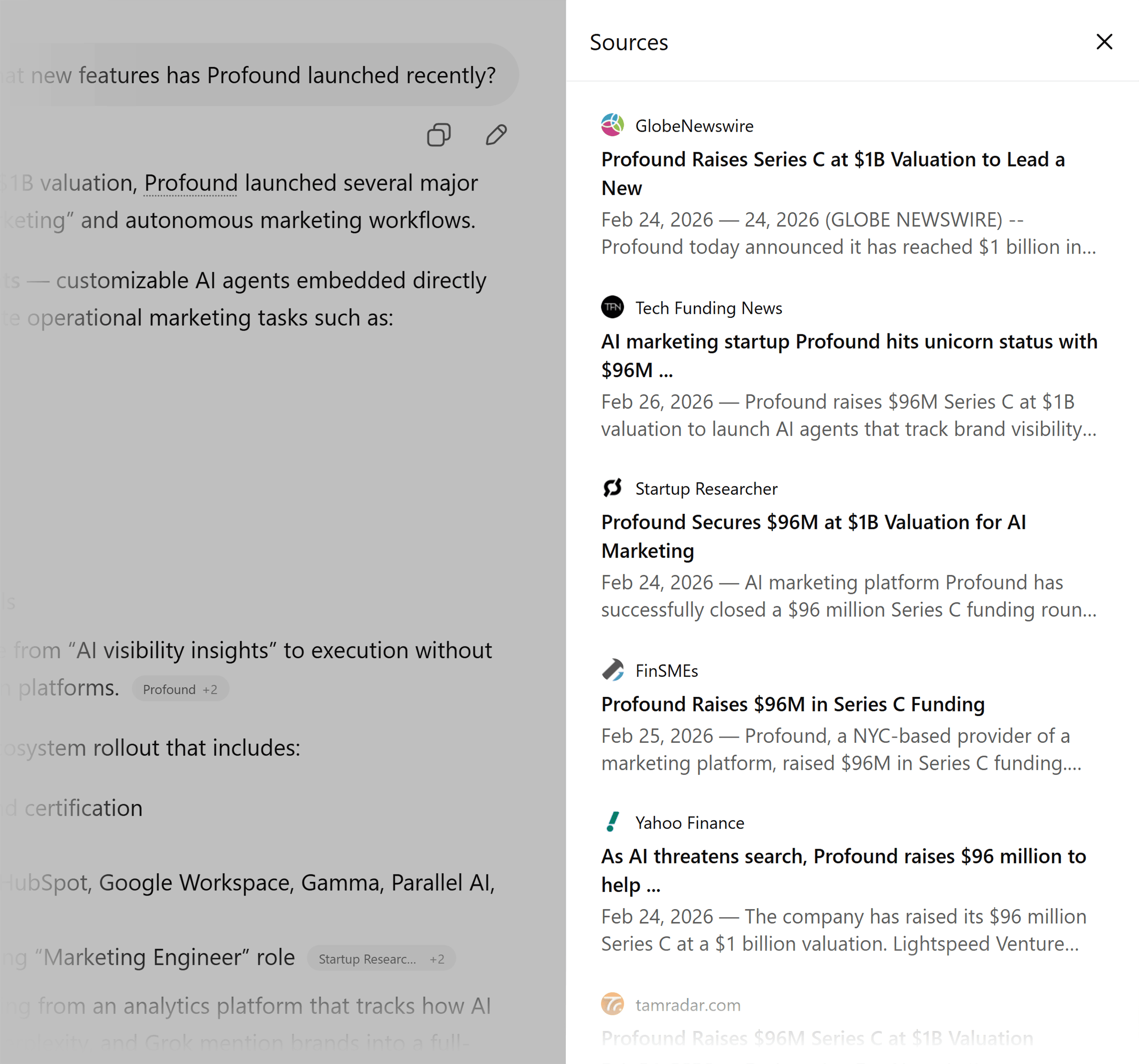
The Shared Pitch Doc
Create a centralized repository for outreach. Every pitch should include:
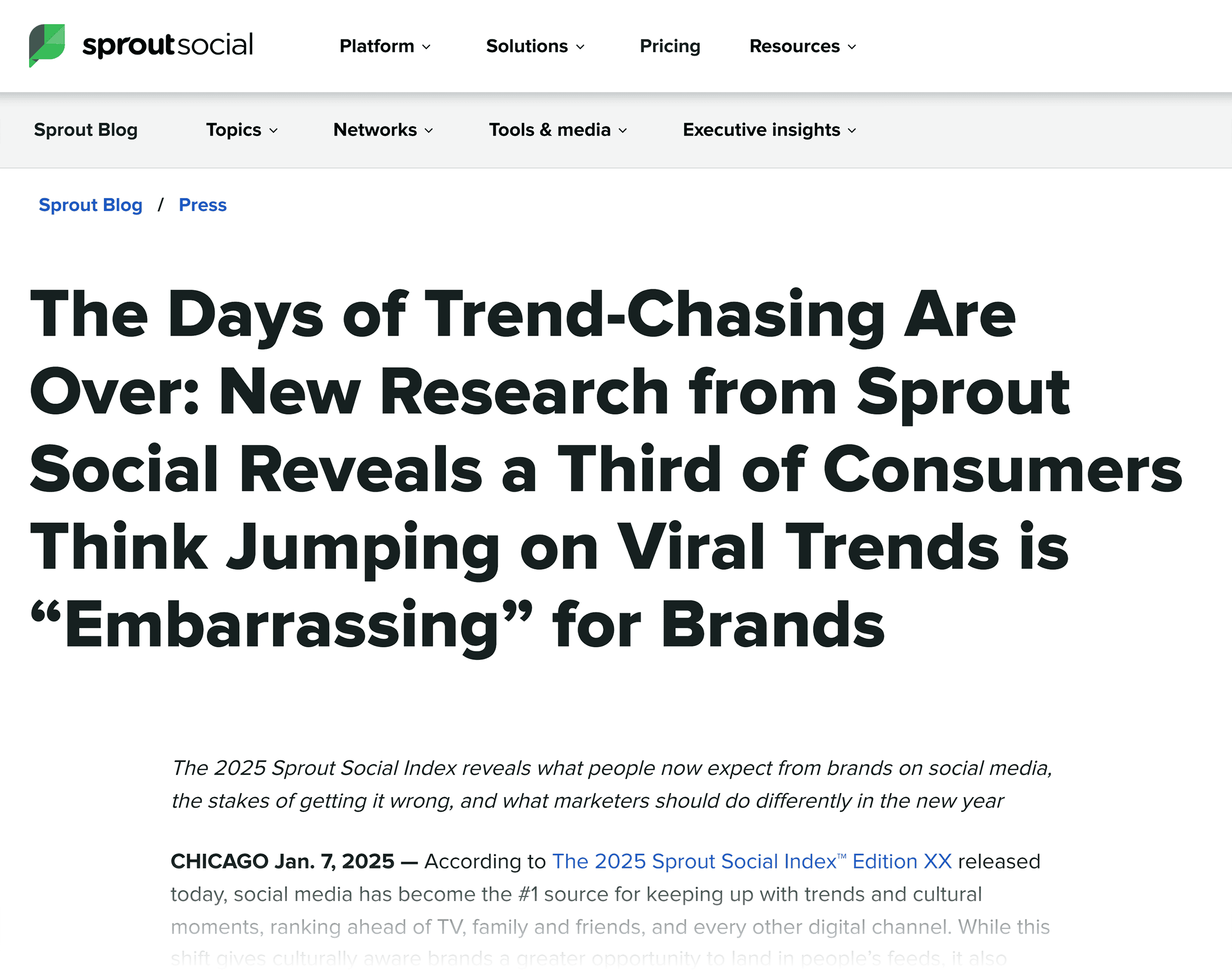
- Headline Stats: The "hook" derived from original research.
- Positioning Language: The agreed-upon brand messaging.
- Target URLs: The specific page you want to drive authority to.
Splitting the Workload
Divide outreach based on core strengths:
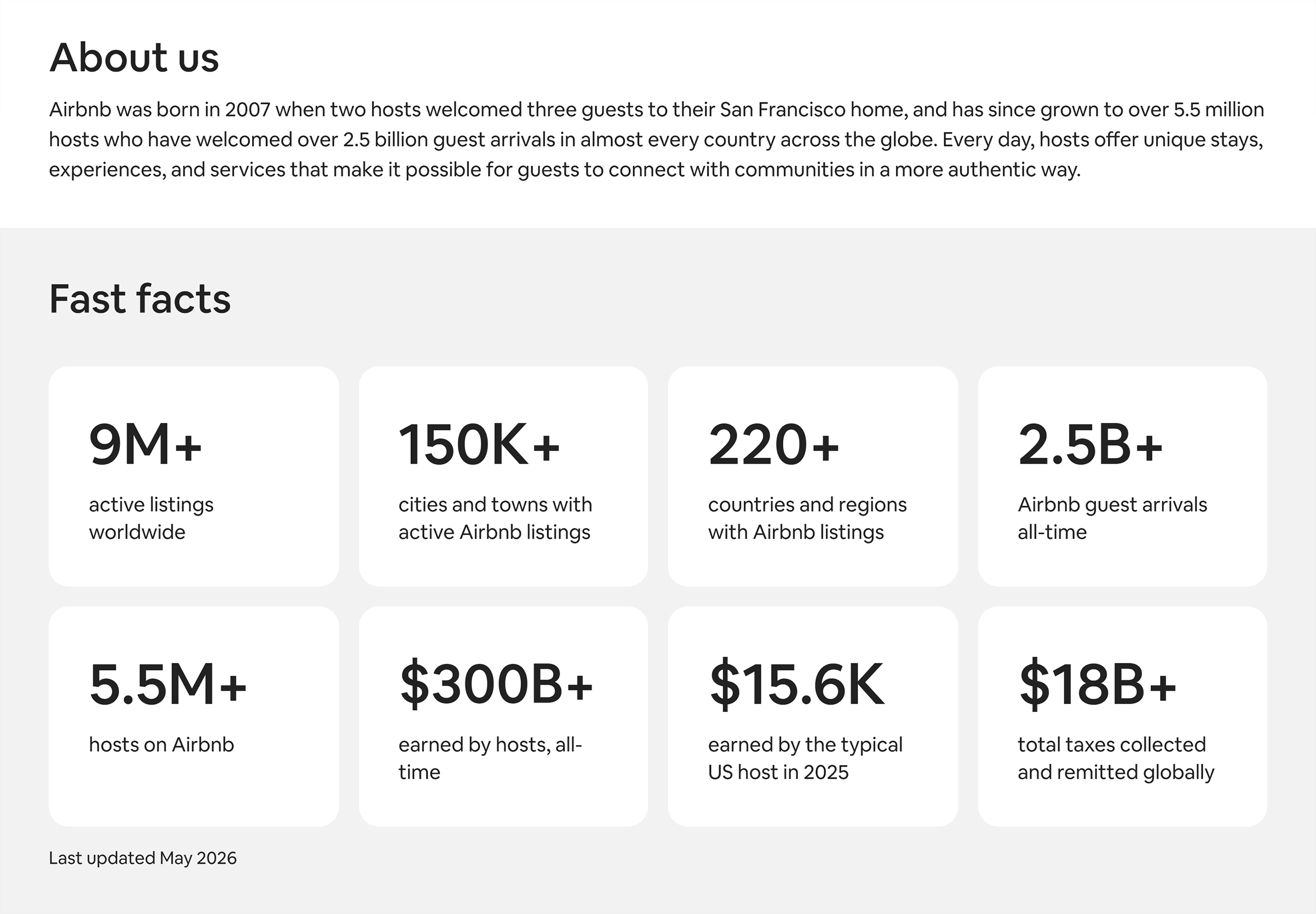
- SEO: Focuses on structured, technical placements, such as fixing broken links, inclusion in industry listicles, and reaching out to sites with outdated information.
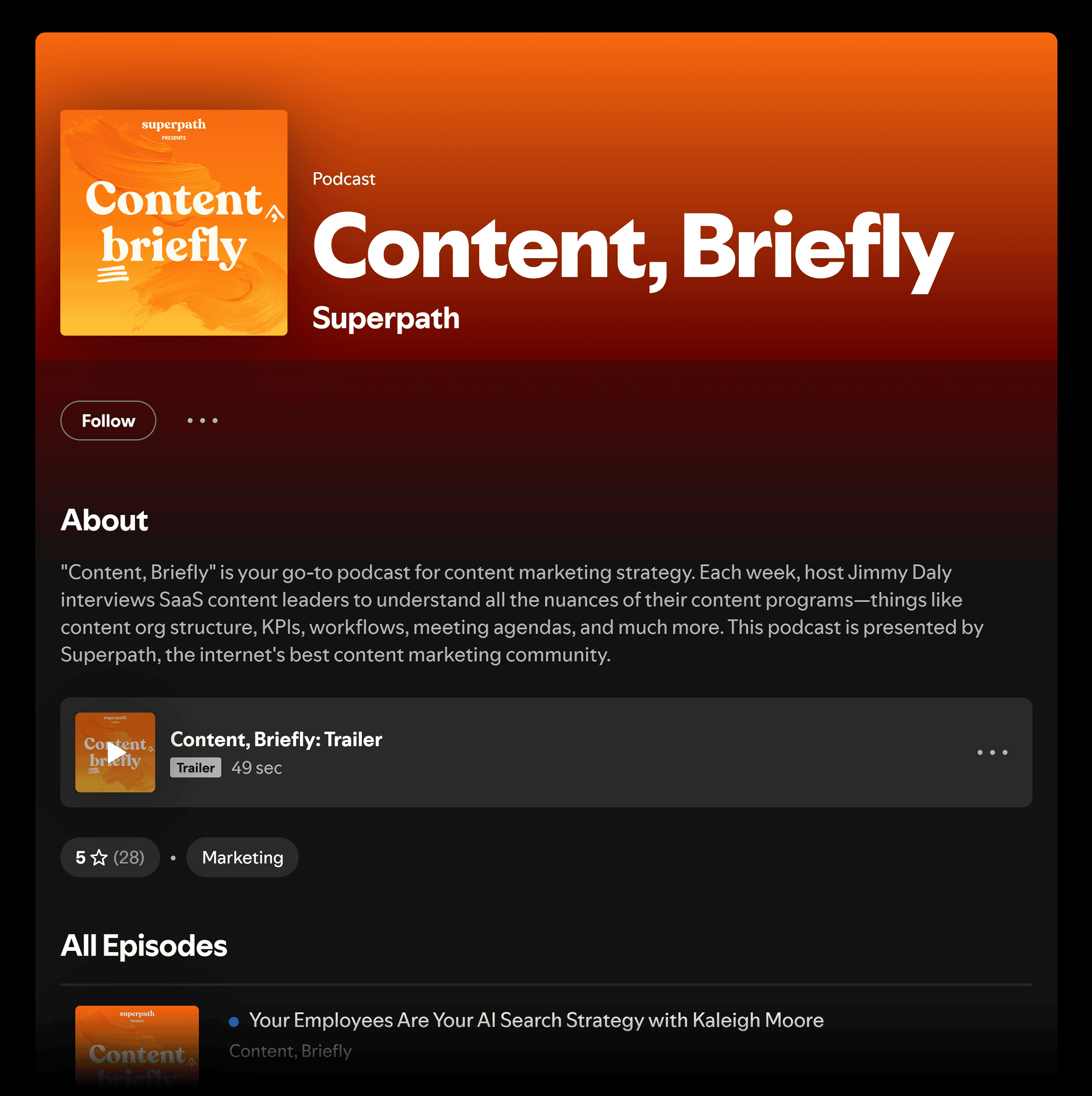
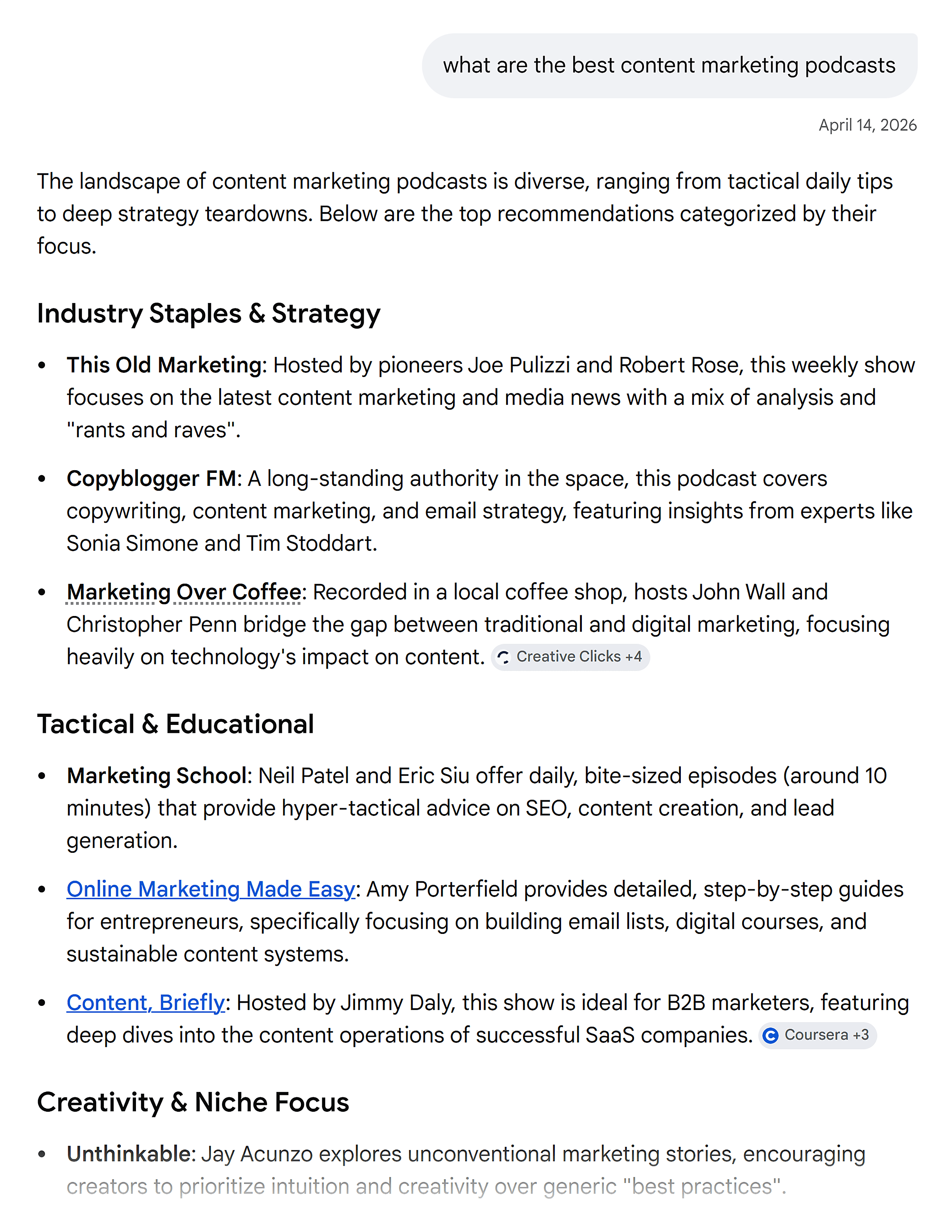
- PR: Focuses on editorial, relationship-based placements, such as briefing analysts at firms like Gartner, submitting to industry awards, and managing sponsored placements in podcasts.
Step 5: Shared Performance Metrics
Reporting should not be a consolidation of disparate spreadsheets; it should be a shared lens for evaluating business impact.
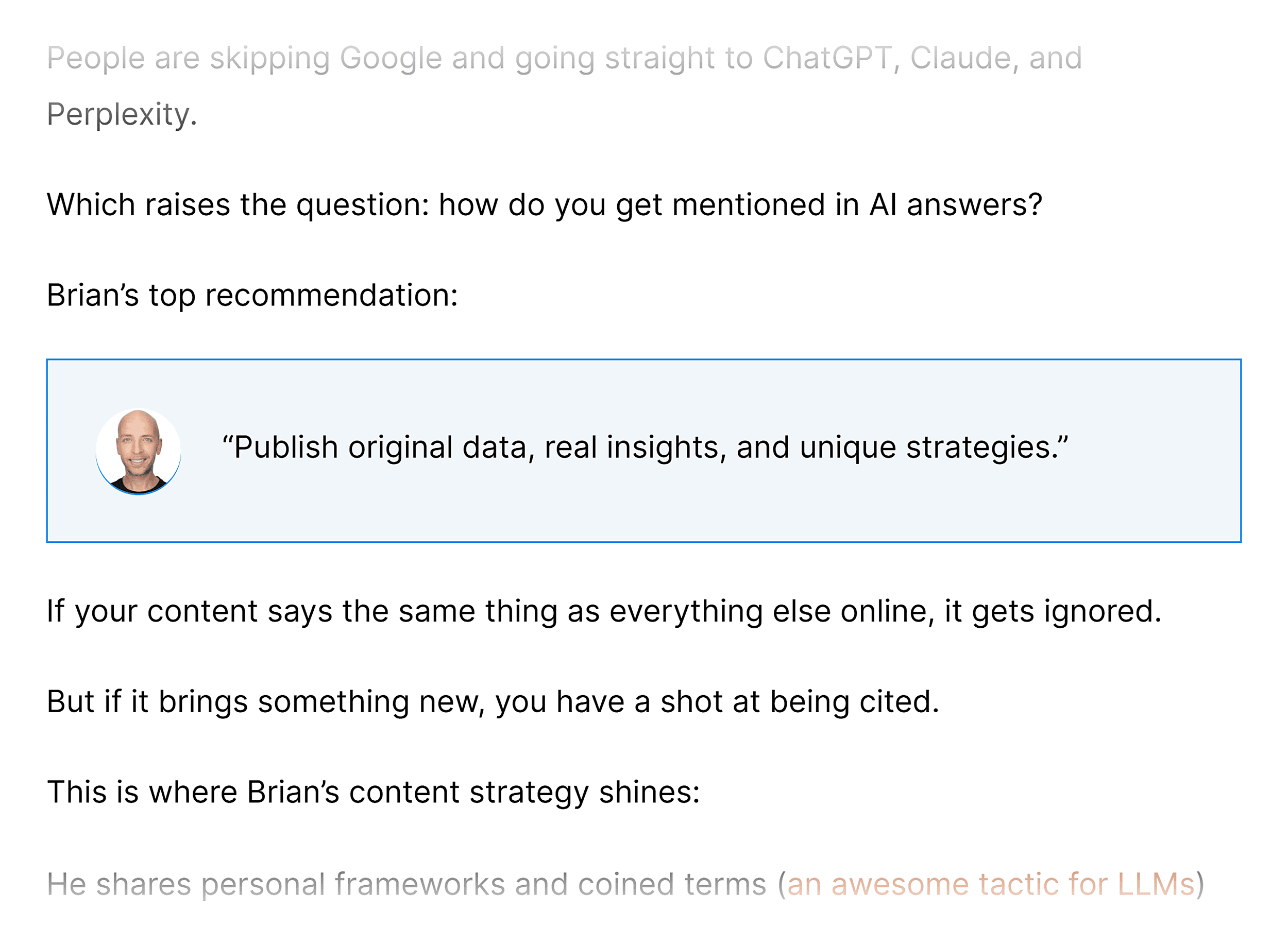
Tracking AI Visibility and Share of Voice
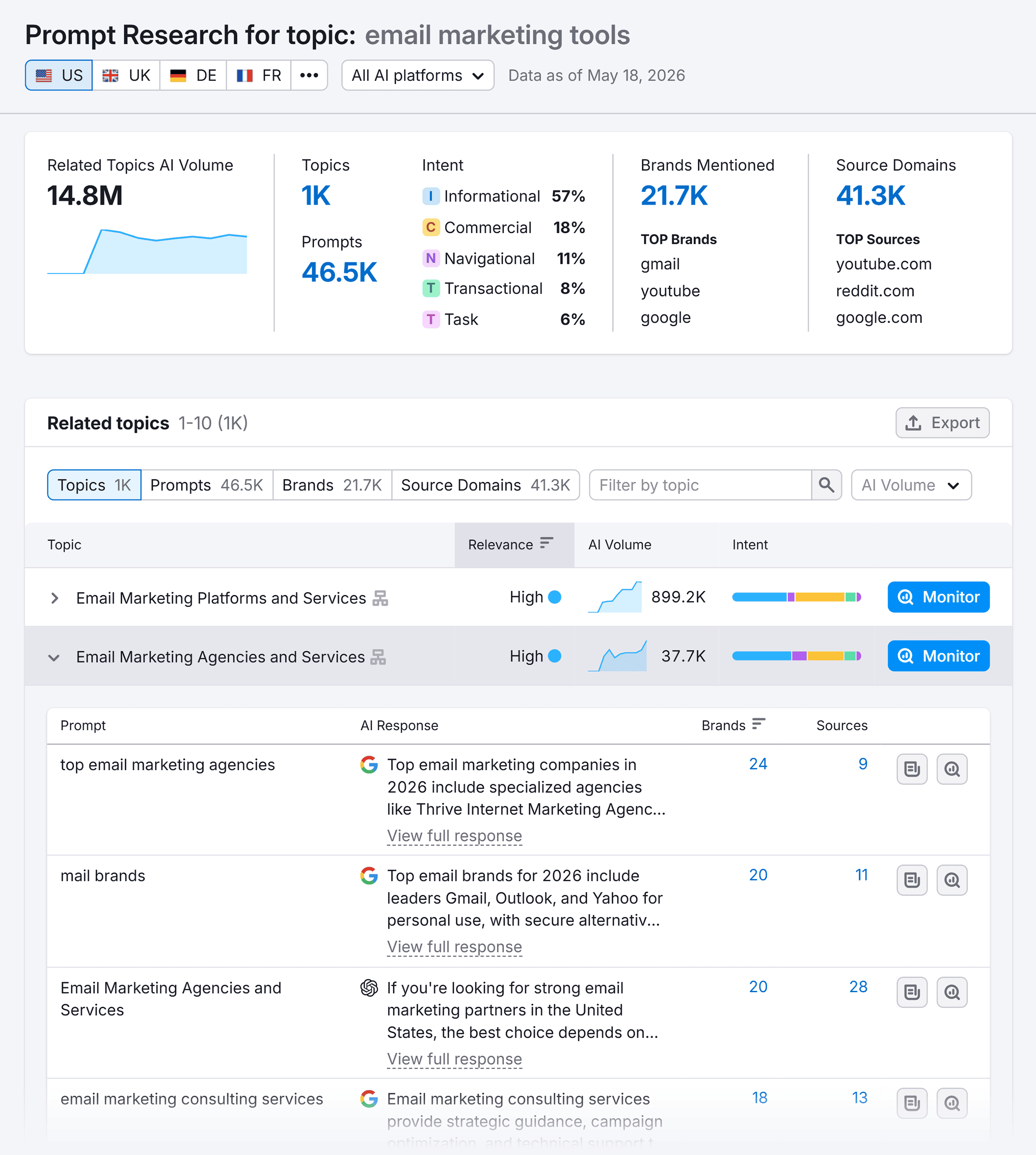
The AI Visibility Toolkit has become essential for tracking how often a brand is mentioned in AI systems compared to competitors. By tracking "Share of Voice" across AI platforms, teams can see the combined impact of their efforts in real-time. If authority scores and AI mentions climb simultaneously, the strategy is working.
Measuring Demand Through Assisted Conversions
Since PR and SEO often sit at the top of the funnel, they are frequently misattributed. Using GA4’s "Key Event Attribution Paths," teams can track "assisted conversions"—cases where a user interacted with a piece of earned media or organic content earlier in their journey, even if it wasn’t the final click. This allows teams to prove that their efforts are contributing to the bottom line, even if they aren’t the final conversion point.

Conclusion: The Path Forward
The brands winning in the current landscape are those that treat authority as a unified asset. The walls between PR and SEO were built in a world of simple search queries and static media. In a world of generative AI and complex content ecosystems, those walls are no longer sustainable.
By aligning research, unifying outreach, and reporting on shared outcomes, companies can transform from fragmented marketing departments into an always-on authority engine. The transition requires a change in mindset, but the result is a brand that doesn’t just rank—it becomes the trusted answer.