As the digital commerce landscape continues to evolve at a breakneck pace, platform providers, logistics networks, and software developers are racing to introduce next-generation tools. For online merchants, navigating this shifting terrain requires keeping a close pulse on innovations that bridge operational gaps, optimize cross-border transactions, and leverage the nascent power of artificial intelligence.
In this comprehensive roundup, we examine the most impactful service updates, product releases, and strategic partnerships hitting the ecommerce ecosystem. From groundbreaking Merchant of Record (MoR) expansions to autonomous AI agents capable of building apps and managing supply chains, here is how the industry’s latest developments are redefining online retail.

Main Facts: A Convergence of AI, Cross-Border Payments, and Logistics
The latest wave of ecommerce technology updates is defined by three distinct macro-trends: the operational mainstreaming of agentic AI, the rapid democratization of cross-border infrastructure, and the convergence of fragmented supply chain workflows.
Key highlights from the current development cycle include:
- The Rise of Agentic AI: Platforms across marketing, shipping, and store management—such as LTK, Ship.com, Helium 10, Atomic One, and Runable—are moving beyond static chat interfaces. They are deploying autonomous AI agents that work proactively in the background, making decisions, executing multi-step workflows, and solving complex retail problems with minimal human intervention.
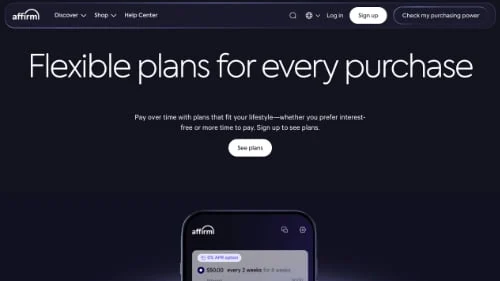
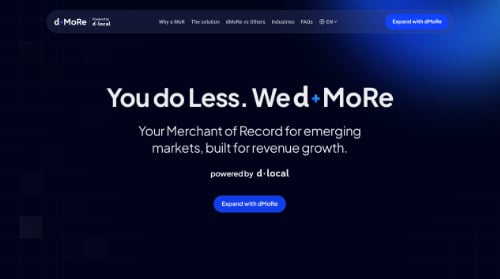
- Global Expansion and MoR Solutions: Emerging markets and cross-border commerce are receiving a massive infrastructure boost. Payments powerhouses like dLocal and Paysafe have rolled out robust Merchant of Record (MoR) solutions in strategic partnerships (with dMoRe and FastSpring, respectively) designed to eliminate tax, compliance, and regulatory hurdles for global enterprises. Meanwhile, buy-now-pay-later (BNPL) giant Affirm has extended its footprint by launching Shop Pay Installments in Australia via Shopify.
- Unified Logistics and Fulfillment: Heavy freight and parcel delivery are finally colliding under single platform roofs. ShipStation’s integration of Less-Than-Truckload (LTL) capabilities and OneRail’s NVIDIA-backed AI delivery-decisioning platform underscore a clear industry push toward reducing cost and friction in last-mile and heavy-freight fulfillment.
Chronology of Releases: A Week of Rapid Innovation
The past several weeks have marked an unprecedented deployment of enterprise tools, creator integrations, and automation protocols. Below is the chronological progression of major product launches:
- Mid-to-Late August:
- Blue Yonder introduces advanced agentic AI features to its Cognitive Solutions portfolio, targeting retail’s most costly friction points: stockouts and returns.
- Helium 10 (a Pacvue company) and Atomic One independently launch autonomous AI agent systems and Model Context Protocol (MCP) connectors, allowing Amazon sellers to manage store operations and query data using plain-language natural prompts via ChatGPT, Claude, and Gemini.
- LTK unveils its expanded brand platform experience, introducing agentic AI capabilities to help brands plan campaigns, source creators, and optimize marketing spend proactively.
- Late August:
- Runable closes a $21 million Series A funding round co-led by Susquehanna Venture Capital and Nexus Venture Partners to scale its AI agent platform designed to build, operate, and grow small businesses.
- Nitro Commerce disrupts the Shopify app ecosystem with the launch of "Apps," allowing merchants to prompt, build, and privately deploy customized backend applications using plain-text prompts.
- Broadpeak debuts Click2Cart, transforming connected television (CTV) advertising by enabling viewers to add products to a shopping cart straight from a commercial using their TV remote.
- Late August to Early September:
- ShipStation integrates Less-Than-Truckload (LTL) freight delivery into its core platform—the first major product milestone since the merger of Auctane and WWEX Group into ShipStation Global.
- OneRail launches OmniSTAR, an AI-powered delivery decisioning platform built in collaboration with NVIDIA to evaluate owned fleets, couriers, and parcel carriers in real time.
- HoneyBook launches "Business Phone & SMS," giving independent service providers dedicated toll-free numbers integrated directly into their existing CRM client records.
- Ordoro and TeamCentral announce a strategic partnership, bringing no-code connectors and automated data synchronization to Ordoro’s order management ecosystem.
- Early September:
- dLocal officially launches dMoRe, a dedicated Merchant of Record service designed to strip away operational barriers between global businesses and emerging markets.
- Amazon integrates into the YouTube Shopping Affiliate Program, allowing U.S. creators to tag physical Amazon items in long-form videos, Shorts, and livestreams to earn commissions.
- Affirm and Shopify bring Shop Pay Installments to the Australian market, allowing eligible shoppers to split purchases into flexible fortnightly or monthly increments.
- Ship.com rolls out Ship AI (a proactive shipping manager) alongside its Ship MCP integration for Claude and agentic developers.
- Paysafe partners with FastSpring to co-launch a specialized Merchant of Record solution tailored for digital goods, software, and gaming companies expanding globally.
- Cashfree Payments introduces Relay, an AI-powered superagent designed to automate SMB payment operations, abandoned cart recovery, and payment retries.
Supporting Data and Technical Architecture
The underlying architecture of these new tools reflects a maturing enterprise tech stack, heavily reliant on artificial intelligence frameworks, API connectors, and strategic corporate mergers.
1. The Proliferation of Model Context Protocols (MCP)
A notable technical theme of this release cycle is the rapid adoption of Model Context Protocols. Platforms such as Ship.com, Helium 10, and Atomic One have embraced MCP. This open standard allows merchants to securely connect their proprietary store data—ranging from inventory levels to ad performance—directly to generative AI models like Anthropic’s Claude, OpenAI’s ChatGPT, and Google’s Gemini. Instead of relying on rigid, siloed dashboards, sellers can now query complex transactional databases conversationally.
2. Capital Inflows and Strategic Consolidation
Financial backing and corporate restructuring continue to fuel these software advancements. Runable’s $21 million Series A round highlights investor confidence in automated small-business operations. Similarly, ShipStation’s LTL integration is a direct manifestation of the synergy unlocked by the Auctane and WWEX Group merger, proving that logistics platforms are aggressively blurring the lines between parcel shipping and enterprise freight.

3. Global Reach Through MoR Frameworks
Entering international markets has historically bogged down merchants in local tax compliance, currency clearing, and entity establishment. By launching dedicated Merchant of Record frameworks—such as dLocal’s dMoRe and Paysafe/FastSpring’s co-branded solution—payment giants are absorbing these regulatory liabilities on behalf of the merchant. This allows brands to act as the domestic seller in dozens of international jurisdictions without building localized legal subsidiaries from scratch.
Official Responses and Industry Perspectives
Industry leaders and corporate executives emphasize that these rollouts are direct responses to merchant pain points: margin compression, logistical inefficiencies, and the overwhelming complexity of digital marketing.

- On Unified Supply Chains: Commenting on the integration of freight into parcel workflows, representatives from ShipStation Global noted that small- and mid-sized merchants have long suffered from fragmented tech stacks when shipping oversized or heavy goods. By placing parcel and LTL side-by-side, merchants can finally manage their supply chains within a single pane of glass.
- On Autonomous Operations: Founders behind platforms like Runable and Cashfree’s Relay emphasize that small business owners spend too much time on repetitive operational chores—such as chasing abandoned carts, confirming cash-on-delivery orders, and reconciling failed transactions. By establishing guardrails where AI agents seek explicit human approval before executing sensitive tasks, these platforms strike a balance between autonomous efficiency and security.
- On Creator Commerce: The marriage of YouTube Shopping and Amazon reflects a pragmatic acknowledgment of the creator economy’s maturity. By opening Amazon’s immense product catalog to U.S. YouTube creators via automated tagging and the Studio product picker, both tech giants are capitalizing on the seamless conversion power of video-driven social commerce.
Implications for Ecommerce Merchants
For online retailers, enterprise brands, and independent operators, this wave of innovation carries profound operational implications:
- Lowering the Barrier to International Expansion: With robust MoR services now accessible through platforms like dLocal and FastSpring, smaller enterprises can test international waters with minimal regulatory overhead. Calculating local taxes, handling cross-border compliance, and mitigating chargebacks are increasingly outsourced to specialized infrastructure providers.
- The Shift from Software-as-a-Tool to Software-as-a-Worker: The emergence of agentic AI—seen in LTK’s marketing automation, Helium 10’s Amazon diagnostics, and Nitro Commerce’s prompt-built Shopify apps—signals a paradigm shift. Merchants are moving from using software to perform tasks to managing fleets of AI agents that proactively recommend, plan, and execute strategies in the background.
- Streamlined Tech Stacks: Integrations like Ordoro and TeamCentral’s no-code syncs, alongside HoneyBook’s consolidation of voice, SMS, and email records, point toward a future of unified data. Merchants no longer need to tolerate disjointed software silos; instead, they can demand seamless, cross-channel communication that keeps customer histories, logistics, and financials perfectly synchronized.
As these tools transition from beta environments into daily deployment, merchants who successfully integrate agentic workflows, leverage cross-border payment rails, and unify their logistics will find themselves best equipped to outpace the competition in an increasingly demanding digital marketplace.