In the high-stakes world of digital growth, there is a pervasive myth: that success is defined by the sheer volume of traffic flowing into a website. For years, businesses have funneled massive budgets into top-of-funnel acquisition, chasing clicks and impressions. However, as the digital landscape matures and customer acquisition costs (CAC) continue to climb, a new, more pragmatic philosophy has taken hold: Conversion Marketing.
Conversion marketing is no longer just a technical niche for web developers; it is the strategic cornerstone of modern business growth. By focusing on the "what happens next" rather than the "how many," companies are discovering that the most effective way to scale isn’t necessarily by buying more traffic—it is by maximizing the value of the audience already at their doorstep.
The Shift in Philosophy: From Quantity to Quality
At its core, conversion marketing is the systematic practice of transforming casual website visitors into qualified leads or paying customers. While traffic acquisition is about filling the funnel, conversion marketing is about ensuring the funnel actually delivers results.
The logic is mathematically undeniable. If a website draws 10,000 visitors a month at a 2% conversion rate, it generates 200 conversions. If, through strategic optimization, that rate increases to 4%, the business doubles its output—200 additional conversions—without spending a single extra dollar on advertising or SEO. In an era where marketing budgets are under constant scrutiny, this efficiency is the ultimate competitive advantage.
The Anatomy of a Conversion
For a conversion strategy to be effective, it must be anchored in specific, measurable goals. A "conversion" is not a monolith; it is defined by the unique objectives of the business. These generally fall into two categories:
- Macro Conversions: These are the primary goals that impact the bottom line, such as a completed purchase, a subscription signup, or a booked demo.
- Micro Conversions: These are the incremental steps that indicate intent, such as signing up for a newsletter, downloading a whitepaper, or adding an item to a wishlist.
By focusing on these milestones, marketers can move away from vanity metrics and toward a clear, ROI-positive framework.
The Psychology of the Click: What Actually Drives Action?
Why do some visitors convert immediately while others abandon their carts in frustration? The answer lies in the intersection of human psychology and user experience (UX).
The Power of the Value Proposition
The "Value Proposition" is the most critical element of any landing page. It is the immediate, clear answer to the visitor’s silent question: "What is in it for me?" High-converting pages avoid jargon and cleverness in favor of clarity. A successful value proposition highlights the solution, not the product, addressing the specific pain points of the user and promising a tangible benefit.
The Role of Trust Signals
In the digital age, skepticism is the default setting for most consumers. Trust signals—ranging from verified customer testimonials and industry badges to case studies and social media proof—act as the digital equivalent of a personal recommendation. Research consistently shows that specific, data-backed testimonials are far more effective than generic praise. When a potential customer reads that a specific solution saved a peer "15 hours of manual work per week," the barrier to conversion drops significantly.
Reducing Friction through Design
Friction is the enemy of conversion. Whether it is a slow-loading page, a complex checkout flow, or a form with too many fields, every hurdle is a reason for a user to bounce. Data suggests that form length is a major culprit in abandonment; by stripping forms down to the absolute essentials, companies can see immediate uplifts in completion rates.
Chronology of a Conversion Experiment
Successful conversion marketing is not a one-time project; it is an iterative, ongoing process. A standard lifecycle for a high-impact conversion experiment follows a disciplined structure:
- Discovery (Weeks 1-2): Analyze current site traffic using tools like Google Analytics, Hotjar, or Microsoft Clarity. Look for patterns—where are people dropping off? What are they ignoring?
- Hypothesis Formulation (Week 3): Based on the data, form a clear, testable hypothesis. (e.g., "Changing the CTA button from ‘Submit’ to ‘Get My Free Guide’ will increase signups by 10%.")
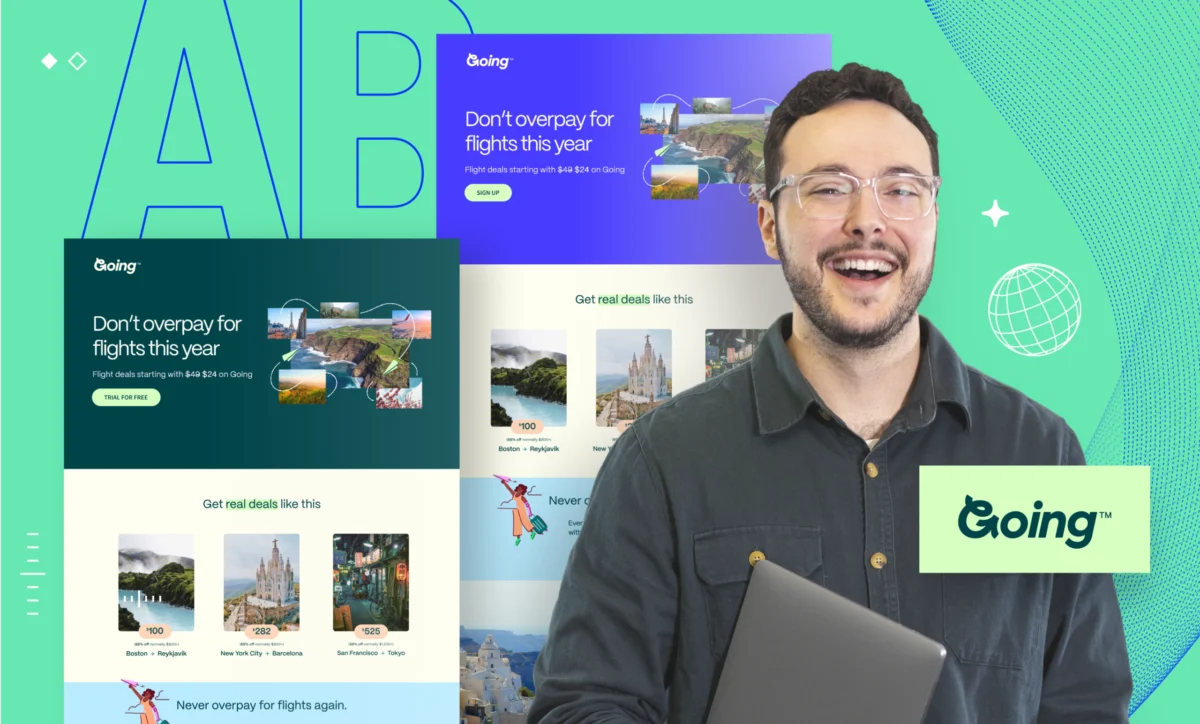
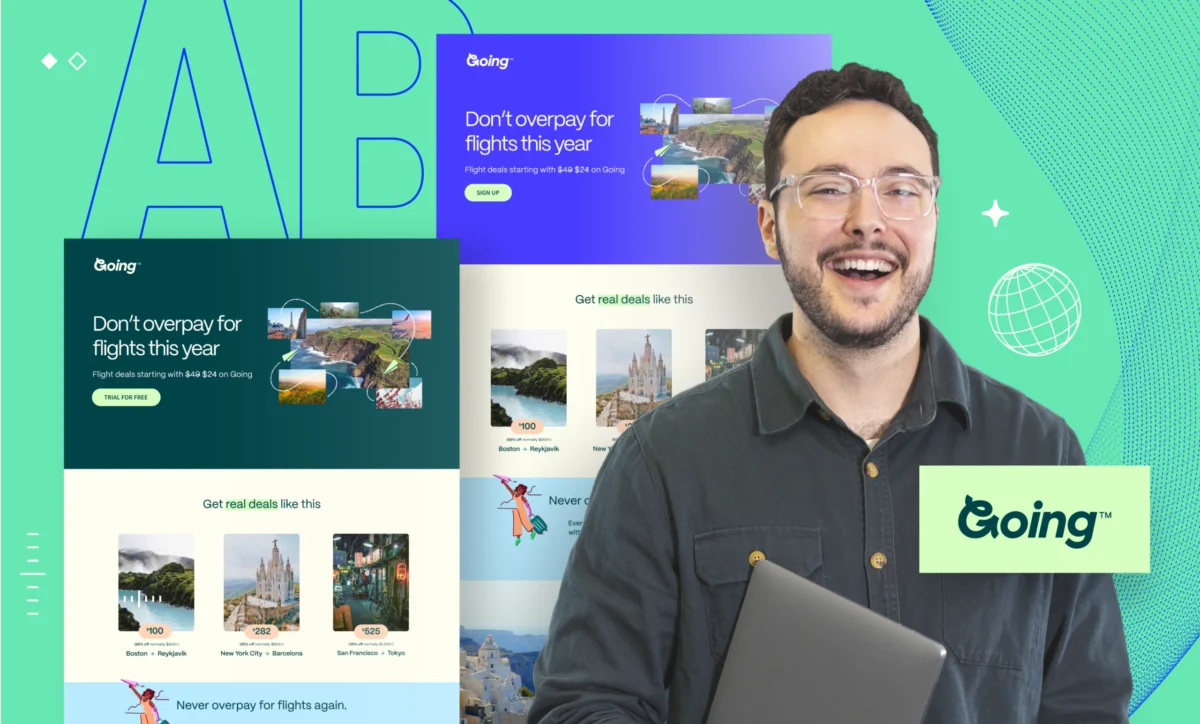
- Experimentation (Weeks 4-6): Launch an A/B test. This involves showing two versions of a page to a split audience to gather statistically significant data on which performs better.
- Implementation and Scaling (Week 7+): Once a winner is declared, implement the change site-wide and use the newfound knowledge to inform the next test.
Data-Driven Decisions: Beyond the Spreadsheet
The most sophisticated marketers treat their support and sales teams as primary sources of conversion intelligence. Because these teams are on the front lines, they hear the exact objections that keep prospects from converting.
By creating a feedback loop where sales insights are funneled back into the marketing team, businesses can proactively address these objections on their landing pages before the prospect even has to ask. This "voice of the customer" data is often more valuable than any A/B test result, as it addresses the human element of the decision-making process.
The Technological Catalyst: Enabling Agility
In the past, running high-level conversion experiments required expensive developers and long production cycles. Today, platforms like Unbounce have democratized the process, allowing marketing teams to launch, test, and optimize without writing a single line of code.

By utilizing drag-and-drop builders, AI-powered traffic routing, and built-in A/B testing, teams can now act on data in real-time. The ability to launch a custom landing page for a specific campaign—rather than sending traffic to a generic homepage—is a game-changer. When the landing page content perfectly mirrors the ad copy that brought the user there, the conversion rate inevitably climbs.
Implications for Future Growth
As we look toward the future, the implications of this approach are clear: the companies that win will be those that view their website as a dynamic, evolving laboratory rather than a static brochure.
1. Increased Customer Lifetime Value (CLV)
By utilizing personalized popups and sticky bars that offer relevant incentives based on user behavior, companies can foster deeper engagement. This is not just about the first sale; it is about building a relationship that increases long-term loyalty and reduces churn.
2. Marketing Sustainability
When conversion rates are high, the cost of acquisition is lowered, effectively extending the lifespan and profitability of every marketing channel. Whether it is organic search, paid social, or email marketing, all roads lead to a conversion point. Strengthening those points is the most sustainable way to scale a business.
3. The End of "Guesswork" Marketing
The era of relying on "gut feelings" is ending. With modern analytics and AI-driven optimization, every decision can be backed by hard data. The question is no longer "what do we think will work," but rather "what does the data prove is working."
Conclusion: Starting Your Journey
Conversion marketing is an essential discipline for any organization aiming to thrive in a crowded digital marketplace. It requires a shift in mindset: moving away from the vanity of high traffic numbers and toward the substance of high-value actions.
By combining the psychology of persuasion with the precision of data-driven experimentation, marketers can unlock growth that was previously hidden in their existing traffic. Whether you are a solo entrepreneur or part of a global marketing team, the tools and strategies are now more accessible than ever. The path to higher conversion rates is not through spending more, but through thinking more clearly about the visitor’s journey—and removing every obstacle standing in their way.